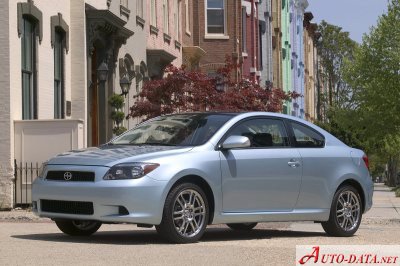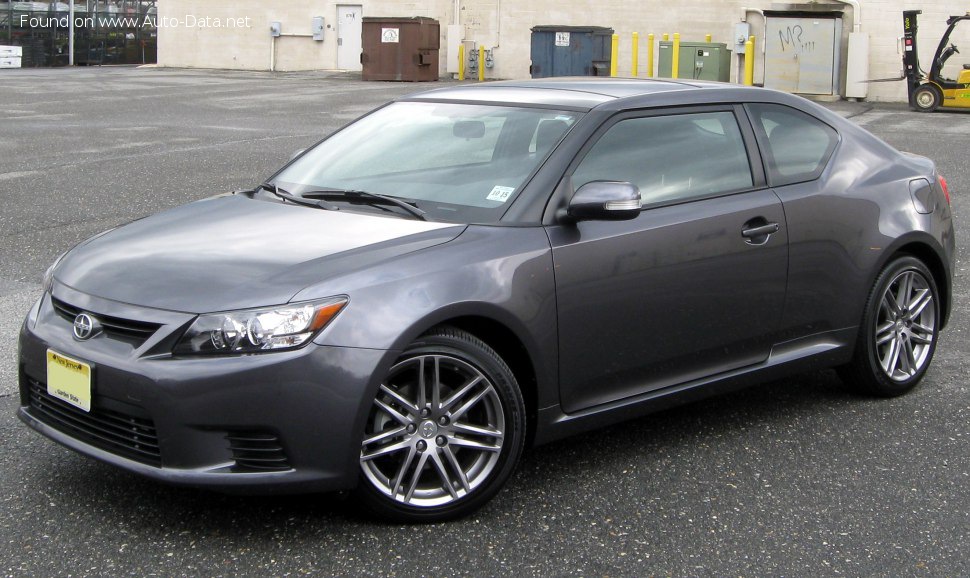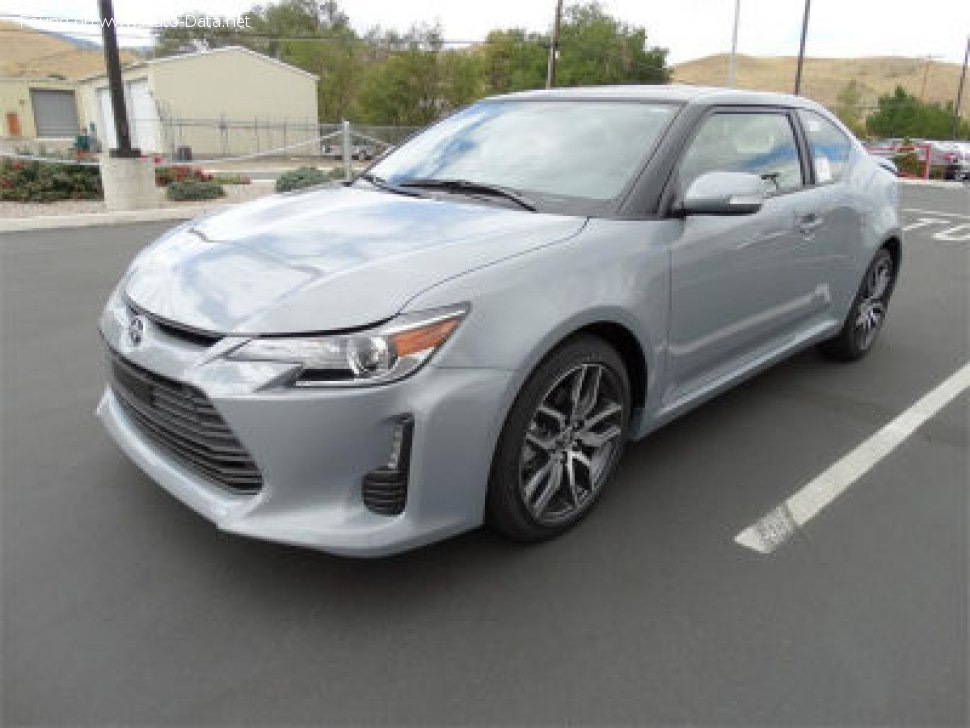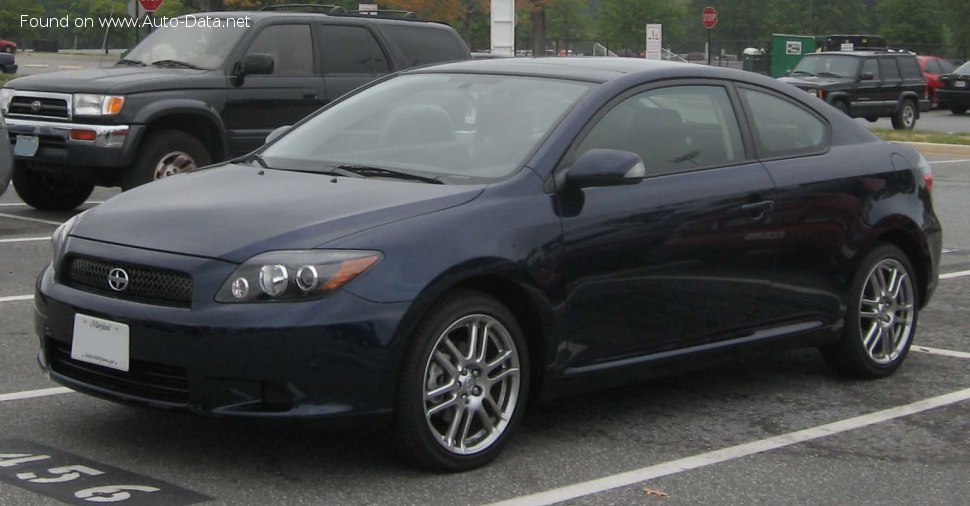
The Scion tC, specifically the first generation facelift model produced from 2007 to 2010, represented Scion’s entry into the affordable sport coupe market. This iteration, powered by the 2.4-liter 2AZ-FE engine producing 163 horsepower, occupied a middle ground within the tC lineup, offering a balance between performance and value. It was positioned as a more mature and refined option compared to heavily modified tuner cars, appealing to a broader demographic seeking a stylish and reliable daily driver. The tC was built on the Toyota MC platform (internally designated as the A3 platform in North America), shared with other Toyota models like the Matrix and Corolla.
2.4-Liter 2AZ-FE Powertrain & Engine Architecture
The heart of the 2007-2010 Scion tC facelift was the 2AZ-FE 2.4-liter inline-four cylinder engine. This engine was a member of Toyota’s AZ series, known for its durability and relatively simple design. The 2AZ-FE featured a cast iron block with an aluminum cylinder head, incorporating dual overhead camshafts (DOHC) and four valves per cylinder. This valvetrain configuration, coupled with variable valve timing (VVT-i) on the intake camshaft, optimized performance across the rev range. Fuel delivery was managed by a multi-port fuel injection system, providing precise fuel metering for efficient combustion.
The engine’s displacement of 2362 cc (144.14 cubic inches) was achieved with a bore of 88.5 mm (3.48 inches) and a stroke of 96 mm (3.78 inches). A compression ratio of 9.8:1 contributed to a good balance between power and fuel efficiency. The 2AZ-FE engine produced 163 hp at 6000 rpm and 220 Nm (162.26 lb-ft) of torque at 4000 rpm. While not a high-revving powerhouse, the engine delivered adequate power for everyday driving and offered a respectable amount of torque for passing maneuvers. The engine oil capacity was 3.8 liters (4.02 US quarts or 3.34 UK quarts).
The 2007-2010 tC was primarily offered with a 5-speed manual transmission, but a 4-speed automatic transmission was also available. The automatic transmission was designed for smooth and comfortable shifting, prioritizing ease of use over outright performance. Gear ratios were tailored to provide adequate acceleration and maintain reasonable fuel economy. The automatic transmission was a common choice for buyers seeking a more relaxed driving experience.
Driving Characteristics
The 2.4-liter engine and automatic transmission combination in the Scion tC offered a comfortable and predictable driving experience. Acceleration from 0 to 60 mph was typically around 7 seconds, and 0-100 km/h took approximately 7.4 seconds. While these figures weren’t particularly sporty, they were competitive within the compact coupe segment. The automatic transmission, while smooth, did result in some power loss compared to the manual transmission version. The gear ratios were optimized for everyday driving, providing sufficient power for merging onto highways and navigating city streets. However, aggressive driving revealed the limitations of the 4-speed automatic, as it lacked the responsiveness and close ratios of a more modern transmission.
The tC’s front-wheel-drive configuration provided predictable handling, although it wasn’t as engaging as a rear-wheel-drive vehicle. The suspension, tuned for comfort, absorbed bumps and imperfections in the road reasonably well. The steering was light and easy to use, making it well-suited for urban driving. Overall, the driving experience was geared towards practicality and ease of use rather than outright performance.
Equipment & Trim Levels
The 2007-2010 Scion tC facelift came standard with a number of features designed to appeal to a young and tech-savvy audience. Standard equipment included air conditioning, power windows and locks, a CD player with MP3 compatibility, and an auxiliary audio input jack. Safety features included anti-lock brakes (ABS) and front airbags. The interior typically featured cloth upholstery, with optional leather available. The dashboard layout was modern and functional, with a focus on ease of use.
Optional extras included a premium audio system with upgraded speakers, a sunroof, and keyless entry. Scion also offered a range of aftermarket accessories through its TRD (Toyota Racing Development) division, allowing owners to personalize their vehicles. These accessories included body kits, wheels, and performance upgrades. The tC was marketed as a blank canvas for customization, encouraging owners to express their individuality.
Chassis & Braking
The Scion tC’s chassis was based on the Toyota MC platform, providing a solid and stable foundation. The front suspension utilized MacPherson struts, while the rear suspension employed a torsion beam setup. This configuration offered a good balance between ride comfort and handling. The tC’s curb weight of 1315 kg (2899.08 lbs) was relatively light for a coupe, contributing to its decent fuel economy and handling.
The braking system consisted of ventilated discs on the front wheels and solid discs on the rear wheels. ABS was standard, providing enhanced braking performance in emergency situations. The tire size was 215/45 R17, mounted on 17-inch alloy wheels. The braking system was adequate for everyday driving, but it wasn’t particularly powerful or sophisticated.
Market Reception & Comparison
The Scion tC was generally well-received by critics, who praised its stylish design, comfortable interior, and affordable price. However, some reviewers criticized its lack of performance and the limitations of the 4-speed automatic transmission. Compared to other coupes in its class, such as the Honda Civic Coupe and the Nissan Sentra Coupe, the tC offered a unique blend of style and value.
Fuel economy was a strong point for the tC, with combined fuel consumption rated at 9.4 l/100 km (25 US mpg or 30.1 UK mpg). This was comparable to other compact coupes in its class. Reliability was also a positive attribute, as the 2AZ-FE engine was known for its durability. However, some owners reported minor issues with the automatic transmission over time.
Technical Specifications
| Brand | Scion |
| Model | tC |
| Generation | tC I (facelift 2007) |
| Type (Engine) | 2.4 (163 Hp) |
| Start of production | 2007 |
| End of production | 2010 |
| Powertrain Architecture | Internal Combustion engine |
| Body type | Coupe |
| Seats | 4-5 |
| Doors | 2 |
| Fuel consumption (urban) | 11.8 l/100 km (19.9 US mpg) |
| Fuel consumption (extra urban) | 8.7 l/100 km (27 US mpg) |
| Fuel consumption (combined) | 9.4 l/100 km (25 US mpg) |
| Fuel Type | Petrol (Gasoline) |
| Acceleration 0 – 100 km/h | 7.4 sec |
| Acceleration 0 – 62 mph | 7.4 sec |
| Acceleration 0 – 60 mph | 7 sec |
| Maximum speed | 205 km/h (127.38 mph) |
| Weight-to-power ratio | 8.1 kg/Hp |
| Weight-to-torque ratio | 6 kg/Nm |
| Power | 163 Hp @ 6000 rpm |
| Torque | 220 Nm @ 4000 rpm (162.26 lb.-ft. @ 4000 rpm) |
| Engine layout | Front, Transverse |
| Engine Model/Code | 2AZ-FE |
| Engine displacement | 2362 cm3 (144.14 cu. in.) |
| Number of cylinders | 4 |
| Engine configuration | Inline |
| Cylinder Bore | 88.5 mm (3.48 in.) |
| Piston Stroke | 96 mm (3.78 in.) |
| Compression ratio | 9.8:1 |
| Number of valves per cylinder | 4 |
| Fuel injection system | Multi-port manifold injection |
| Engine oil capacity | 3.8 l (4.02 US qt | 3.34 UK qt) |
| Kerb Weight | 1315 kg (2899.08 lbs.) |
| Trunk (boot) space | 363 l (12.82 cu. ft.) |
| Fuel tank capacity | 55 l (14.53 US gal | 12.1 UK gal) |
| Length | 4420 mm (174.02 in.) |
| Width | 1755 mm (69.09 in.) |
| Height | 1415 mm (55.71 in.) |
| Wheelbase | 2700 mm (106.3 in.) |
| Front track | 1506 mm (59.29 in.) |
| Rear track | 1506 mm (59.29 in.) |
| Ride height | 132 mm (5.2 in.) |
| Drivetrain | Front wheel drive |
| Number of gears | 5 (manual) / 4 (automatic) |
| Front brakes | Ventilated discs |
| Rear brakes | Disc |
| Tire size | 215/45 R17 |
Legacy
The 2007-2010 Scion tC, particularly the 2.4-liter automatic variant, has proven to be a relatively reliable and affordable used car. The 2AZ-FE engine is known for its longevity, and with proper maintenance, it can easily exceed 200,000 miles. The automatic transmission, while not as sporty as the manual, has also proven to be reasonably durable. Today, these tCs are often sought after by budget-conscious buyers looking for a stylish and practical coupe. Their relatively low cost of ownership and readily available parts make them an attractive option in the used car market. While not a performance icon, the Scion tC remains a popular choice for those seeking a dependable and customizable vehicle.