Seat Ibiza V 1.0 MPI (65 Hp): A Detailed Overview of SEAT’s European Supermini
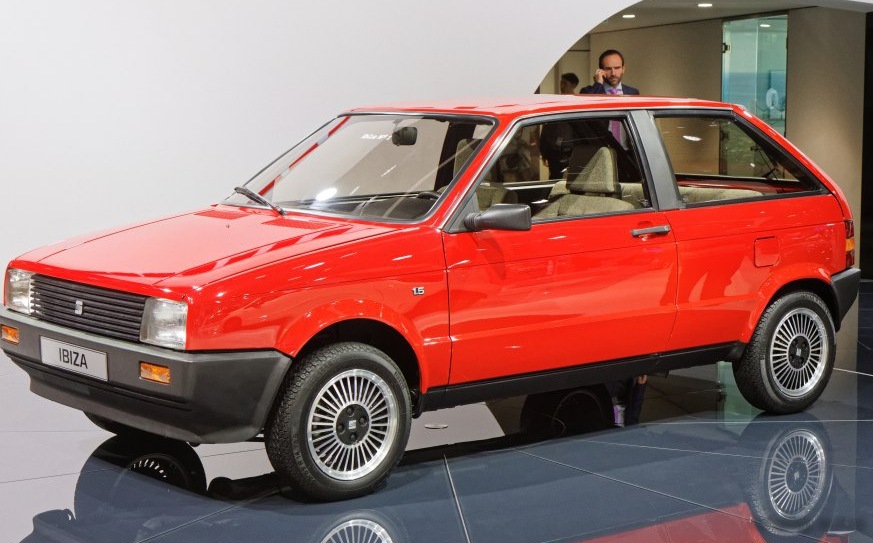
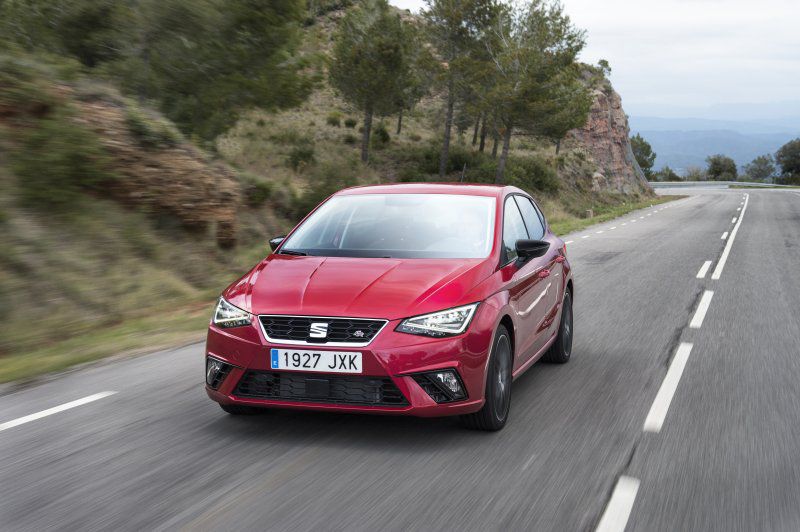
The Seat Ibiza V 1.0 MPI (65 Hp) represents a key entry-level variant in the fifth generation of SEAT’s highly successful supermini, produced from 2018 to 2019. Unveiled in 2017, the fifth-generation Ibiza marked a significant evolution for the Spanish automaker, being the first model in its segment within the Volkswagen Group to utilize the advanced MQB A0 platform. While not officially sold in the United States, the Ibiza has long been a cornerstone of SEAT’s lineup, particularly popular across Europe, Latin America, and select Asian markets. This particular iteration, equipped with a modest yet efficient 1.0-liter Multi-Point Injection (MPI) engine, was designed to offer an accessible, economical, and practical urban commuting solution, embodying SEAT’s youthful and dynamic brand identity within the highly competitive B-segment hatchback market.
Engine and Performance: The Heart of the Seat Ibiza V
At the core of the Seat Ibiza V 1.0 MPI (65 Hp) lies a naturally aspirated, three-cylinder gasoline engine, designated with the code DFNB. This powertrain is a testament to modern engineering focused on efficiency and low running costs, rather than outright performance. With a displacement of 999 cubic centimeters (approximately 1.0 liter or 60.96 cubic inches), the engine delivers 65 horsepower (Hp) at a peak range of 5500-6000 revolutions per minute (rpm). Torque output stands at 95 Newton-meters (Nm), which translates to a respectable 70.07 pound-feet (lb.-ft.) available between 3000 and 4300 rpm, providing adequate thrust for urban driving conditions.
The engine’s layout is front-transverse, driving the front wheels through a precise 5-speed manual transmission. This setup is typical for a vehicle in its class, prioritizing driver engagement and fuel economy. While the 1.0 MPI engine is not designed for blistering acceleration, it performs competently for its intended purpose. The Ibiza V 1.0 MPI accelerates from 0 to 60 miles per hour (mph) in an estimated 14.4 seconds, reaching a maximum speed of 100.66 mph (162 km/h). These figures underscore its role as a city car and commuter vehicle, where responsive handling and maneuverability take precedence over straight-line speed.
Fuel efficiency is a strong suit for this variant. The combined fuel economy is rated at an impressive 48 US miles per gallon (mpg), with urban consumption at 39.2 US mpg and extra-urban at 54.7 US mpg. This efficiency is further enhanced by a Start & Stop system, which automatically shuts off the engine when the vehicle is stationary, reducing fuel consumption and emissions in city traffic. With CO2 emissions of 112 grams per kilometer (g/km), the car meets the stringent Euro 6 emission standard