The Skoda Octavia III 2.0 TDI (150 Hp) 4×4: A European Workhorse
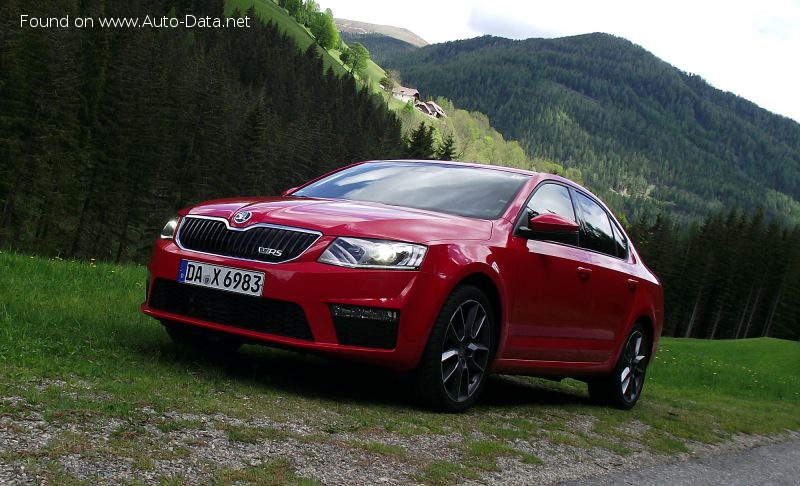
The Skoda Octavia III, launched in 2013, represented the third generation of Skoda’s highly successful compact family car, a pivotal model within the Volkswagen Group’s diverse portfolio. Positioned as a value-oriented yet sophisticated offering in the competitive European C-segment, the Octavia gained a reputation for its spacious interior, practical design, and robust engineering, largely derived from its VW Group siblings like the Golf and A3. This particular variant, the Skoda Octavia III 2.0 TDI (150 Hp) 4×4 hatchback, stood out for its blend of efficient diesel power, all-wheel-drive capability, and impressive utility, catering to a wide range of buyers across Europe and other international markets where Skoda has a strong presence. While not officially sold in the United States, the Octavia III exemplifies the strategic engineering and market positioning that has elevated Skoda into a respected and globally recognized automotive brand.
Produced from 2013 to 2017, the Octavia III was built on the Volkswagen Group’s modular MQB platform, allowing for significant advancements in technology, safety, and efficiency over its predecessor. The 2.0 TDI (150 Hp) 4×4 variant specifically targeted consumers seeking enhanced traction and performance, particularly in regions with challenging weather conditions or for those requiring increased towing capacity, without compromising on fuel economy. Its hatchback body style further underscored its practicality, offering a cavernous cargo area that often rivaled vehicles from higher segments.
Engine & Performance of the Skoda Octavia III 2.0 TDI (150 Hp) 4×4
At the heart of the Skoda Octavia III 2.0 TDI (150 Hp) 4×4 lies a robust and highly efficient 2.0-liter (1968 cm3 or 120.09 cu. in.) turbocharged inline-four diesel engine. This powerplant, internally designated as EA288 (with specific codes like CKFC, CRMB, CYKA), delivered a respectable 150 horsepower at a broad range of 3500-4000 rpm, translating to a power output of 76.2 horsepower per liter. More critically for a diesel, it produced a substantial 236.02 lb.-ft. (320 Nm) of torque, available from a low 1750 rpm and sustained up to 3000 rpm. This wide torque band ensured strong, flexible acceleration and effortless cruising, a hallmark of modern diesel engines.
Power was channeled through a 6-speed manual transmission to an advanced all-wheel-drive (4×4) system. This Haldex-based system primarily drove the front wheels for optimal fuel efficiency under normal conditions, with the rear wheels engaging seamlessly via an electrically or mechanically operated clutch when slippage was detected or proactively under heavy acceleration. This “on-demand” all-wheel drive provided superior traction and stability, making the Octavia III 4×4 a confident performer in adverse weather or on unpaved roads.
Performance figures for this variant were impressive for a family hatchback with all-wheel drive. The Skoda Octavia III 2.0 TDI (150 Hp) 4×4 could accelerate from 0 to 60 mph in a swift 8.2 seconds (0-100 km/h in 8.6 seconds) and reach a maximum speed of 133.59 mph (215 km/h). Despite its performance capabilities, fuel economy remained a strong suit. The NEDC combined cycle rated its consumption at an excellent 50 US mpg (4.7 l/100 km), with extra-urban figures reaching an even more impressive 57.4 US mpg (4.1 l/100 km). Urban consumption was rated at 41.3 US mpg (5.7 l/100 km). The engine met Euro 5 emission standards, aided by features such as a Start & Stop system and a particulate filter, underscoring Skoda’s commitment to environmental responsibility during its production run.
Design & Features
The Skoda Octavia III embodied a clean, contemporary, and functional design philosophy. As a 5-door hatchback with seating for five, it prioritized practicality without sacrificing aesthetic appeal. Its exterior dimensions – a length of 183.43 inches (4659 mm), a width of 71.42 inches (1814 mm), and a height of 57.48 inches (1460 mm) – contributed to its commanding road presence while maintaining maneuverability. The wheelbase of 105.75 inches (2686 mm) was instrumental in providing generous interior space, particularly for rear passengers.
One of the Octavia’s most celebrated features was its cavernous trunk space. With the rear seats in place, it offered a remarkable 20.84 cu. ft. (590 liters) of cargo volume, expanding to an astounding 55.8 cu. ft. (1580 liters) with the rear seats folded down. This class-leading capacity was a significant draw for families and those needing ample utility, solidifying its reputation as a highly practical vehicle.
The chassis featured an independent McPherson strut suspension with a coil spring and anti-roll bar at the front, paired with an independent multi-link spring suspension with a stabilizer at the rear. This setup provided a comfortable ride while maintaining composed handling. Stopping power was managed by ventilated discs at the front and disc brakes at the rear, augmented by standard ABS (Anti-lock Braking System). The electric power steering system offered precise control and ease of maneuvering, contributing to a pleasant driving experience.
Standard features for the era included a DOHC valvetrain, Commonrail fuel injection, and the aforementioned Start & Stop system and particulate filter. The car rode on 205/55 R16 tires mounted on 6.5J x 16 wheel rims. With a curb weight of 2993.88 lbs. (1358 kg) and a respectable drag coefficient of 0.305, the Octavia III 2.0 TDI (150 Hp) 4×4 struck an excellent balance between robustness, efficiency, and aerodynamic refinement.
Technical Specifications
| Category | Specification |
|---|---|
| General Information | |
| Brand | Skoda |
| Model | Octavia |
| Generation | Octavia III |
| Type (Engine) | 2.0 TDI (150 Hp) 4×4 |
| Start of Production | 2013 year |
| End of Production | 2017 year |
| Powertrain Architecture | Internal Combustion engine |
| Body type | Hatchback |
| Seats | 5 |
| Doors | 5 |
| Performance Specs | |
| Fuel Consumption (Urban, NEDC) | 41.3 US mpg (5.7 l/100 km) |
| Fuel Consumption (Extra Urban, NEDC) | 57.4 US mpg (4.1 l/100 km) |
| Fuel Consumption (Combined, NEDC) | 50 US mpg (4.7 l/100 km) |
| CO2 Emissions (NEDC) | 122 g/km |
| Fuel Type | Diesel |
| Acceleration 0 – 60 mph | 8.2 sec |
| Maximum Speed | 133.59 mph (215 km/h) |
| Emission Standard | Euro 5 |
| Weight-to-Power Ratio | 9.1 kg/Hp (110.5 Hp/tonne) |
| Weight-to-Torque Ratio | 4.2 kg/Nm (235.6 Nm/tonne) |
| Engine Specs | |
| Power | 150 Hp @ 3500-4000 rpm |
| Power per liter | 76.2 Hp/l |
| Torque | 236.02 lb.-ft. @ 1750-3000 rpm (320 Nm) |
| Engine Layout | Front, Transverse |
| Engine Model/Code | EA288 / CKFC, CRMB, CYKA |
| Engine Displacement | 120.09 cu. in. (1968 cm3) |
| Number of Cylinders | 4 |
| Engine Configuration | Inline |
| Cylinder Bore | 3.19 in. (81 mm) |
| Piston Stroke | 3.76 in. (95.5 mm) |
| Compression Ratio | 16.2:1 |
| Number of Valves per Cylinder | 4 |
| Fuel Injection System | Diesel Commonrail |
| Engine Aspiration | Turbocharger, Intercooler |
| Valvetrain | DOHC |
| Engine Oil Capacity | 4.86 US qt (4.6 l) |
| Coolant Capacity | 12.26 US qt (11.6 l) |
| Engine Systems | |
| Start & Stop System | Yes |
| Particulate Filter | Yes |
| Space, Volume and Weights | |
| Kerb Weight | 2993.88 lbs. (1358 kg) |
| Max. Weight | 4283.58 lbs. (1943 kg) |
| Max Load | 1289.7 lbs. (585 kg) |
| Trunk (boot) Space – Minimum | 20.84 cu. ft. (590 l) |
| Trunk (boot) Space – Maximum | 55.8 cu. ft. (1580 l) |
| Fuel Tank Capacity | 13.21 US gal (50 l) |
| Max. Roof Load | 165.35 lbs. (75 kg) |
| Permitted Trailer Load with Brakes (12%) | 4409.25 lbs. (2000 kg) |
| Permitted Trailer Load without Brakes | 1565.28 lbs. (710 kg) |
| Permitted Towbar Download | 165.35 lbs. (75 kg) |
| Dimensions | |
| Length | 183.43 in. (4659 mm) |
| Width | 71.42 in. (1814 mm) |
| Width Including Mirrors | 79.41 in. (2017 mm) |
| Height | 57.48 in. (1460 mm) |
| Wheelbase | 105.75 in. (2686 mm) |
| Front Track | 60.98 in. (1549 mm) |
| Rear (Back) Track | 59.76 in. (1518 mm) |
| Front Overhang | 34.88 in. (886 mm) |
| Rear Overhang | 42.8 in. (1087 mm) |
| Ride Height (Ground Clearance) | 5.51 in. (140 mm) |
| Drag Coefficient (Cd) | 0.305 |
| Minimum Turning Circle (Turning Diameter) | 36.22 ft. (11.04 m) |
| Approach Angle | 14° |
| Departure Angle | 12.3° |
| Drivetrain, Brakes and Suspension Specs | |
| Drivetrain Architecture | ICE drives front wheels permanently, rear wheels driven via clutch if necessary. |
| Drive Wheel | All-wheel drive (4×4) |
| Number of Gears and Type of Gearbox | 6 gears, manual transmission |
| Front Suspension | Independent, type McPherson with coil spring and anti-roll bar |
| Rear Suspension | Independent multi-link spring suspension with stabilizer |
| Front Brakes | Ventilated discs |
| Rear Brakes | Disc |
| Assisting Systems | ABS (Anti-lock braking system) |
| Steering Type | Steering rack and pinion |
| Power Steering | Electric Steering |
| Tires Size | 205/55 R16 |
| Wheel Rims Size | 6.5J x 16 |
Legacy & Market Impact
The Skoda Octavia III, and particularly its 2.0 TDI (150 Hp) 4×4 variant, solidified Skoda’s position as a formidable player in the European automotive market. The Octavia has long been considered the brand’s flagship model, embodying Skoda’s core values of practicality, value for money, and robust engineering, all underpinned by Volkswagen Group technology. In its primary markets, the Octavia III competed fiercely against established rivals such as the Volkswagen Golf, Ford Focus, Opel Astra, and Peugeot 308, often outshining them in terms of interior space and trunk volume.
The 2.0 TDI (150 Hp) 4×4 variant held a special place, appealing to a specific niche of buyers. Its all-wheel-drive capability made it a popular choice in Central and Eastern European countries, as well as in mountainous or snowy regions, where enhanced traction was a significant advantage. Furthermore, its impressive towing capacity of 4409.25 lbs. (2000 kg) with brakes made it a favored vehicle for those who frequently towed trailers, caravans, or boats. This versatility, combined with the diesel engine’s excellent fuel economy and strong torque, positioned it as an intelligent and capable alternative to more expensive SUVs or larger sedans.
The Octavia III’s success contributed significantly to Skoda’s overall brand image transformation from a budget Eastern European manufacturer to a respected, modern, and reliable carmaker. It demonstrated that practicality and affordability could coexist with sophisticated engineering and contemporary design. The 2.0 TDI (150 Hp) 4×4 variant, in particular, showcased the breadth of the Octavia’s capabilities, proving it could be both an efficient daily commuter and a robust, all-weather family vehicle. Its enduring popularity on the used car market across Europe is a testament to its build quality, reliability, and continued relevance.