The Skoda Octavia III (facelift 2017) 2.0 TDI (143 Hp): A European Workhorse
The Skoda Octavia III, particularly in its facelifted iteration from 2017, represents a pivotal model for the Czech automaker within the Volkswagen Group. Positioned firmly in the European C-segment (compact car class), the Skoda Octavia III (facelift 2017) 2.0 TDI (143 Hp) is renowned for its exceptional practicality, spacious interior, robust engineering, and compelling value proposition. While the Skoda brand is not officially sold in the United States, the Octavia has carved out a significant niche across Europe and other international markets, often seen as a more pragmatic and spacious alternative to its Volkswagen Golf platform mate. This specific variant, featuring the 2.0-liter TDI diesel engine, was produced from 2018 to 2019, embodying a blend of efficiency, performance, and everyday usability that made it a popular choice for both families and fleet operators.
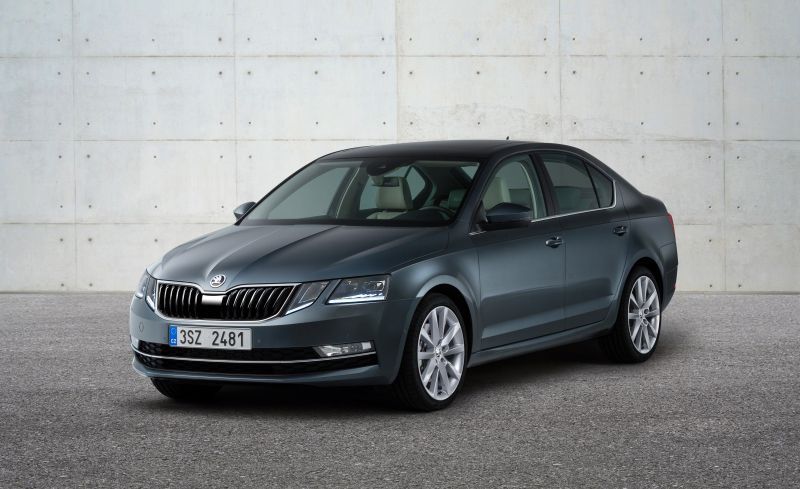
The third-generation Octavia, introduced in 2012, marked a significant leap forward in terms of design, technology, and refinement. The 2017 facelift brought a series of aesthetic and technological updates, most notably a distinctive split-headlight design and revised infotainment systems, further enhancing its appeal. As a five-door hatchback, the Octavia skillfully blurs the lines between a traditional compact and a mid-size sedan, offering sedan-like proportions with the added versatility of a large rear hatch, a characteristic highly valued by European consumers.
Engine & Performance: The Heart of the Skoda Octavia III (facelift 2017) 2.0 TDI (143 Hp)
At the core of this particular Octavia model lies the venerable 2.0-liter TDI (Turbocharged Direct Injection) diesel engine, a powerplant synonymous with efficiency and strong low-end torque within the Volkswagen Group. This inline four-cylinder engine, with an exact displacement of 1968 cm³ (120.09 cu. in.), delivers a respectable 143 horsepower at a versatile rev range of 3500-4000 rpm. What truly defines the driving experience, however, is the substantial torque output of 320 Nm, or 236.02 lb.-ft., available across a broad plateau from 1750 to 3000 rpm. This characteristic makes the Skoda Octavia III (facelift 2017) 2.0 TDI (143 Hp) particularly adept at highway cruising and effortless overtaking, even when fully laden.
The powertrain architecture is front-transverse, driving the front wheels through a precise 6-speed manual transmission. This setup contributes to the car’s balanced handling and fuel efficiency. Performance figures are quite competitive for its class, with the Octavia 2.0 TDI accelerating from 0 to 60 mph in a brisk 8.3 seconds. Its top speed is rated at 136.08 mph (219 km/h), demonstrating its capability for sustained high-speed travel on European autobahns. The engine benefits from advanced diesel common rail fuel injection and forced induction via a turbocharger and intercooler, ensuring optimal power delivery and efficiency. Furthermore, the inclusion of a particulate filter underscores its compliance with stringent European emissions standards, a critical factor for diesel engines in this era. With a weight-to-power ratio of 9.3 kg/Hp (107.1 Hp/tonne) and a weight-to-torque ratio of 4.2 kg/Nm (239.7 Nm/tonne), the Octavia strikes an excellent balance between performance and fuel economy, making it a compelling package for long-distance drivers.
Design & Features
The 2017 facelift brought a refreshed aesthetic to the Skoda Octavia III, most notably with its controversial yet distinctive split-headlight design, which gave the car a more assertive and modern face. While polarizing for some, it undeniably added character. The five-door hatchback body style, measuring 183.86 inches in length, 71.42 inches in width (79.41 inches including mirrors), and 57.52 inches in height, provided a substantial road presence. The design ethos remained true to Skoda’s “Simply Clever” philosophy, blending elegant lines with functional practicality.
Inside, the Octavia continued to excel in terms of space and ergonomics. With seating for five adults, the cabin offered generous legroom and headroom, particularly in the rear, often rivaling vehicles from the segment above. The trunk space was a standout feature, offering a massive 20.84 cu. ft. (590 liters) with the rear seats up, expanding to an impressive 55.8 cu. ft. (1580 liters) when the 60/40 split-folding rear seats were lowered. This made the Octavia an incredibly versatile vehicle for families, luggage, or even light cargo. Standard features for the facelifted model included modern infotainment systems with connectivity options, electric power steering for ease of maneuverability, and a comprehensive suite of safety features such as ABS (Anti-lock Braking System) and multiple airbags. The car rode on 205/55 R16 tires with 16-inch wheel rims, providing a comfortable and stable ride quality, suitable for varying road conditions found across Europe. The 105.75-inch wheelbase contributed to its composed handling and ride comfort.
Technical Specifications: Skoda Octavia III (facelift 2017) 2.0 TDI (143 Hp)
| Category | Specification |
|---|---|
| Brand | Skoda |
| Model | Octavia |
| Generation | Octavia III (facelift 2017) |
| Type (Engine) | 2.0 TDI (143 Hp) |
| Production Start | 2018 year |
| Production End | 2019 year |
| Powertrain Architecture | Internal Combustion Engine (Front-wheel drive) |
| Body Type | Hatchback |
| Seats | 5 |
| Doors | 5 |
| Performance Specifications | |
| Fuel Type | Diesel |
| Acceleration 0-60 mph | 8.3 sec |
| Maximum Speed | 136.08 mph (219 km/h) |
| Weight-to-power ratio | 9.3 kg/Hp, 107.1 Hp/tonne |
| Weight-to-torque ratio | 4.2 kg/Nm, 239.7 Nm/tonne |
| Engine Specifications | |
| Power | 143 Hp @ 3500-4000 rpm |
| Power per liter | 72.7 Hp/l |
| Torque | 236.02 lb.-ft. (320 Nm) @ 1750-3000 rpm |
| Engine Layout | Front, Transverse |
| Engine Model/Code | CKFB, CRVC |
| Engine Displacement | 120.09 cu. in. (1968 cm³) |
| Number of Cylinders | 4 |
| Engine Configuration | Inline |
| Number of Valves per Cylinder | 4 |
| Fuel Injection System | Diesel Commonrail |
| Engine Aspiration | Turbocharger, Intercooler |
| Engine Oil Capacity | 4.86 US qt (4.6 l) |
| Coolant Capacity | 12.26 US qt (11.6 l) |
| Engine Systems | Particulate Filter |
| Space, Volume, and Weights | |
| Kerb Weight | 2943.17 lbs. (1335 kg) |
| Trunk (boot) space – minimum | 20.84 cu. ft. (590 l) |
| Trunk (boot) space – maximum | 55.8 cu. ft. (1580 l) |
| Fuel Tank Capacity | 13.21 US gal (50 l) |
| Dimensions | |
| Length | 183.86 in. (4670 mm) |
| Width | 71.42 in. (1814 mm) |
| Width including mirrors | 79.41 in. (2017 mm) |
| Height | 57.52 in. (1461 mm) |
| Wheelbase | 105.75 in. (2686 mm) |
| Front Track | 60.75 in. (1543 mm) |
| Rear (Back) Track | 60.39 in. (1534 mm) |
| Ride Height (Ground Clearance) | 5.55 in. (141 mm) |
| Minimum Turning Circle | 34.78 ft. (10.6 m) |
| Approach Angle | 14.0° |
| Departure Angle | 12.1° |
| Drivetrain, Brakes, and Suspension | |
| Drivetrain Architecture | Internal Combustion Engine (ICE) drives the front wheels. |
| Drive Wheel | Front-wheel drive |
| Number of Gears and Type | 6 gears, manual transmission |
| Front Brakes | Ventilated discs |
| Rear Brakes | Disc |
| Assisting Systems | ABS (Anti-lock Braking System) |
| Steering Type | Steering rack and pinion |
| Power Steering | Electric Steering |
| Tire Size | 205/55 R16 |
| Wheel Rims Size | 16 inches |
Legacy & Market Impact
The Skoda Octavia III, especially in its facelifted 2.0 TDI guise, holds a significant place in the European automotive landscape. It solidified Skoda’s reputation as a purveyor of well-engineered, highly practical, and value-oriented vehicles within the Volkswagen Group. Far from being merely a budget alternative, the Octavia became a benchmark for spaciousness and utility in its class, often referred to as a “D-segment car for C-segment money.” Its robust build quality, derived from shared VW Group platforms and components (like the MQB platform), ensured reliability and low running costs, making it a favorite among taxi operators, police forces, and private buyers who prioritize pragmatism over premium badges.
In its primary European market, the Octavia competed fiercely with established players such as the Ford Focus, Opel/Vauxhall Astra, Peugeot 308, and even its stablemate, the Volkswagen Golf. However, the Octavia’s unique selling proposition was its exceptional interior and cargo volume, which often surpassed these rivals, pushing it into contention with larger D-segment cars like the Ford Mondeo or VW Passat Variant in terms of sheer practicality. The 2.0 TDI engine variant, in particular, was lauded for its fuel efficiency and impressive torque, making it ideal for long-distance commuting and family road trips, a crucial factor in markets with higher fuel prices.
The facelifted Octavia III also showcased Skoda’s continued evolution in design and technology. While the split headlights were a talking point, the overall package presented a refined and modern vehicle. Its “Simply Clever” features, ranging from an ice scraper in the fuel flap to an umbrella under the passenger seat, further endeared it to owners, reinforcing the brand’s commitment to thoughtful design. The Octavia’s success played a crucial role in enhancing Skoda’s brand image, helping it shed its historical “budget brand” perception and establish itself as a credible and desirable choice for mainstream buyers. Its absence from the US market is largely due to strategic decisions by the Volkswagen Group, focusing on established brands like VW and Audi, and the challenges of introducing a new brand into a highly competitive and brand-conscious environment, especially with a strong emphasis on diesel powertrains which faced increasing scrutiny in North America. Nevertheless, the Skoda Octavia III (facelift 2017) 2.0 TDI (143 Hp) remains a testament to Skoda’s engineering prowess and its ability to deliver a highly competent and desirable vehicle tailored to the needs of its target markets.