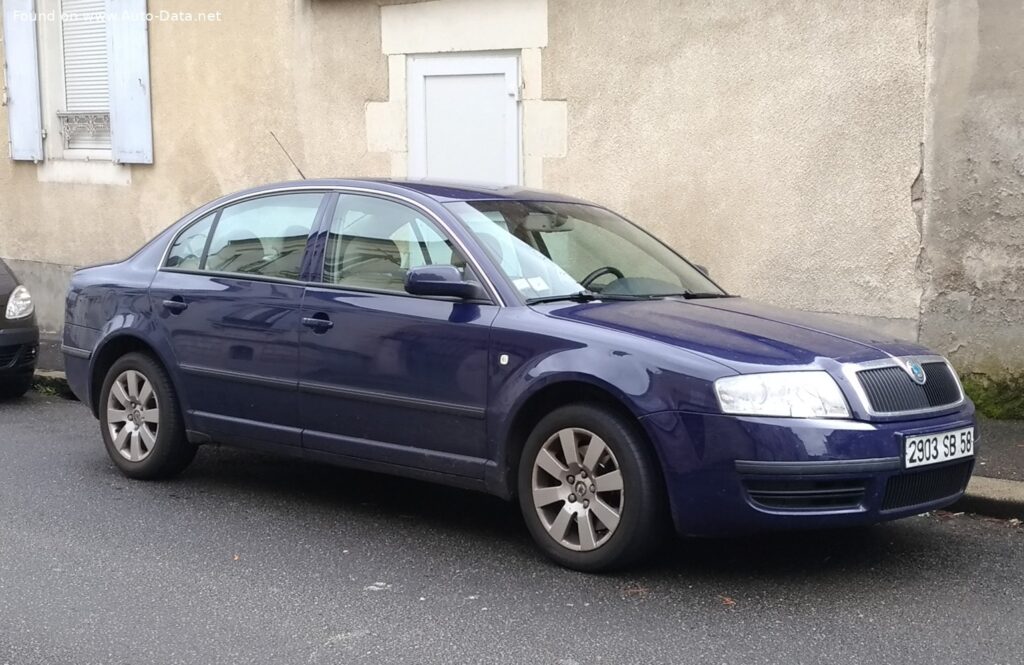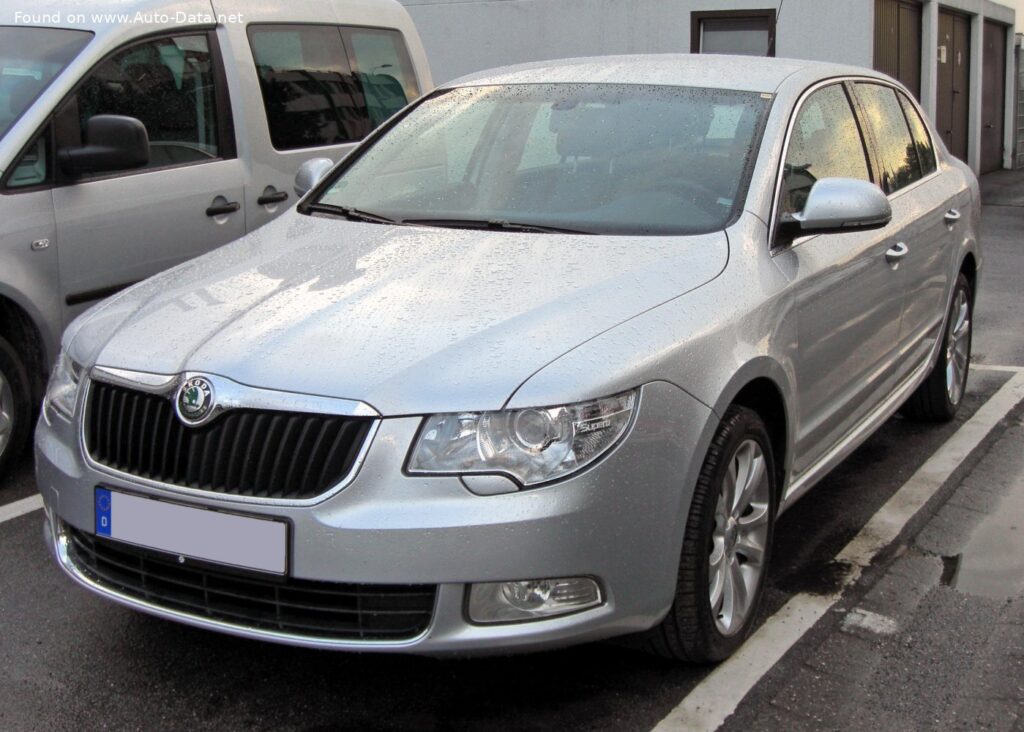
The Skoda Superb II, produced between September 2008 and May 2013, represented a significant step forward for the Czech automaker, positioning itself as a compelling alternative in the competitive European executive and large family car segments. While not officially sold in the United States, the Superb II garnered considerable acclaim in its primary markets for its exceptional spaciousness, robust build quality, and value proposition, all underpinned by proven Volkswagen Group engineering. Among its various powertrains, the Skoda Superb II 3.6 FSI (260 Hp) DSG 4×4 stood out as the undisputed flagship, offering a potent combination of performance, all-weather capability, and unexpected luxury for the brand.
The Skoda Superb II: A European Executive Contender
The second generation of the Skoda Superb built upon the original’s reputation for cavernous interior space, elevating it with more sophisticated design, enhanced technology, and a broader range of engines. Designed primarily for the discerning European consumer, the Superb II aimed to deliver a premium driving and ownership experience without the premium price tag typically associated with its Volkswagen and Audi siblings. Its unique liftback body style, which blended the elegant profile of a sedan with the practicality of a hatchback, was a key differentiator, offering a vast and highly versatile cargo area. This particular variant, the 3.6 FSI (260 Hp) DSG 4×4, represented the pinnacle of the Superb II lineup, appealing to buyers who desired strong performance and secure handling, especially in challenging conditions, making it a true all-rounder in its class.
Skoda, as a brand within the Volkswagen Automotive Group, leveraged a wealth of shared platforms and technologies. The Superb II benefited immensely from this synergy, borrowing components and engineering expertise that ensured its reliability and refinement. The model’s production run from 2008 to 2013 saw it compete against established players like the Ford Mondeo, Opel Insignia, and even higher-segment vehicles from premium brands, often outperforming them in terms of rear passenger legroom and trunk volume. Its subtle yet elegant styling, combined with a focus on practical features and a comfortable ride, cemented its status as a smart choice for both private owners and fleet operators across Europe.
Powertrain and Performance: The 3.6 FSI V6 in the Skoda Superb II 3.6 FSI (260 Hp) DSG 4×4
At the heart of the flagship Skoda Superb II 3.6 FSI (260 Hp) DSG 4×4 lies a formidable 3.6-liter naturally aspirated V6 engine, a powertrain shared with other high-performance models within the Volkswagen Group, such as the Passat R36 and certain Audi Q7 variants. This potent engine, designated by the code EA390 / CDVA, is configured in a compact V-engine layout and features direct fuel injection, a sophisticated DOHC (Double Overhead Camshaft) valvetrain, and four valves per cylinder, all contributing to its efficient and robust power delivery. With an engine displacement of 3597 cubic centimeters (219.5 cubic inches), it generates a substantial 260 horsepower at 6000 rpm, providing ample power for spirited driving and confident overtaking.
Torque output is equally impressive, peaking at 258.15 lb.-ft. across a broad rev range from 2500 to 5000 rpm. This wide torque band ensures responsive acceleration and strong pulling power in various driving scenarios. Mated to a quick-shifting 6-speed DSG (Direct-Shift Gearbox) automatic transmission, the powertrain delivers power seamlessly to all four wheels via an advanced all-wheel-drive (4×4) system. This combination allows the Superb II 3.6 FSI to accelerate from 0 to 60 mph in a swift 6.2 seconds and achieve a maximum speed of 155.34 mph (250 km/h), making it one of the quickest vehicles in its segment. Despite its performance capabilities, the engine adheres to the Euro 5 emission standard, reflecting a commitment to environmental responsibility for its era.
Fuel efficiency for a vehicle of this performance class is respectable, with a combined fuel consumption rating of 23.5 US mpg (10 liters per 100 km). Urban driving yields approximately 16.4 US mpg, while extra-urban conditions can see figures as high as 31.4 US mpg. The generous 15.85 US gallon (60-liter) fuel tank capacity ensures a practical driving range between fill-ups. The engine’s robust design also includes an oil capacity of 5.81 US quarts and a coolant capacity of 9.51 US quarts, ensuring optimal thermal management and lubrication for sustained high performance. The overall weight-to-power ratio of 6.4 kg/Hp (156.2 Hp/tonne) further underscores its dynamic character, providing an engaging driving experience that belies its executive sedan proportions.
Design, Ergonomics, and Features
The design of the Skoda Superb II is characterized by its elegant and understated European aesthetic, embodying a sense of mature sophistication. Its primary body type is a liftback, a clever design choice that merges the aesthetic appeal of a sedan with the immense practicality of a hatchback. The vehicle measures 190.47 inches in length, 70.2 inches in width, and 57.52 inches in height, with a substantial wheelbase of 108.7 inches. These dimensions contribute to its commanding road presence and, more importantly, translate directly into an exceptionally spacious interior, particularly for rear-seat passengers, a hallmark feature that often outclasses more expensive rivals.
Inside, the Superb II offers seating for five occupants in comfort. The interior design emphasizes ergonomics and high-quality materials, creating a refined and user-friendly environment. Practicality is a strong suit, exemplified by the cavernous trunk space. With the rear seats in place, the cargo volume stands at 19.95 cubic feet (565 liters), which expands to an impressive 58.98 cubic feet (1670 liters) when the rear seats are folded down, rivaling many station wagons. This versatility makes the Superb II an ideal choice for families and individuals requiring significant cargo capacity without compromising on passenger comfort.
In terms of driving dynamics and safety, the Superb II 3.6 FSI (260 Hp) DSG 4×4 is well-equipped. It features an independent McPherson strut front suspension with coil springs and an anti-roll bar, paired with an independent multi-link spring rear suspension with a stabilizer. This setup provides a comfortable ride while maintaining composed handling. Stopping power is handled by ventilated disc brakes at the front and disc brakes at the rear, supplemented by an Anti-lock Braking System (ABS) for enhanced control during emergency braking. The steering system utilizes a precise rack and pinion setup, ensuring direct feedback to the driver. The vehicle rides on 205/55 R17 tires mounted on 7.0J x 16 wheel rims, providing a good balance of grip and ride comfort. The all-wheel-drive system further enhances safety and stability, distributing power optimally to all wheels, ensuring secure traction in various weather conditions and on different road surfaces, making it a confident and capable performer.
Technical Specifications
| Parameter | Detail |
|---|---|
| Brand | Skoda |
| Model | Superb |
| Generation | Superb II |
| Type (Engine) | 3.6 FSI (260 Hp) DSG 4×4 |
| Start of production | September, 2008 |
| End of production | May, 2013 |
| Powertrain Architecture | Internal Combustion engine |
| Body type | Liftback |
| Seats | 5 |
| Doors | 5 |
| Fuel consumption (economy) – urban | 16.4 US mpg |
| Fuel consumption (economy) – extra urban | 31.4 US mpg |
| Fuel consumption (economy) – combined | 23.5 US mpg |
| Fuel Type | Petrol (Gasoline) |
| Acceleration 0 – 60 mph | 6.2 sec |
| Maximum speed | 155.34 mph |
| Emission standard | Euro 5 |
| Kerb Weight | 3670.7 lbs. |
| Max. weight | 5037.56 lbs. |
| Max load | 1366.87 lbs. |
| Weight-to-power ratio | 6.4 kg/Hp, 156.2 Hp/tonne |
| Weight-to-torque ratio | 4.8 kg/Nm, 210.2 Nm/tonne |
| Power | 260 Hp @ 6000 rpm. |
| Power per liter | 72.3 Hp/l |
| Torque | 258.15 lb.-ft. @ 2500-5000 rpm. |
| Engine layout | Front, Transverse |
| Engine Model/Code | EA390 / CDVA |
| Engine displacement | 219.5 cu. in. |
| Number of cylinders | 6 |
| Engine configuration | V-engine |
| Cylinder Bore | 3.5 in. |
| Piston Stroke | 3.8 in. |
| Compression ratio | 10.6:1 |
| Number of valves per cylinder | 4 |
| Fuel injection system | Direct injection |
| Engine aspiration | Naturally aspirated engine |
| Valvetrain | DOHC |
| Engine oil capacity | 5.81 US qt |
| Coolant | 9.51 US qt |
| Trunk (boot) space – minimum | 19.95 cu. ft. |
| Trunk (boot) space – maximum | 58.98 cu. ft. |
| Fuel tank capacity | 15.85 US gal |
| Length | 190.47 in. |
| Width | 70.2 in. |
| Height | 57.52 in. |
| Wheelbase | 108.7 in. |
| Front track | 60.51 in. |
| Rear (Back) track | 59.76 in. |
| Drive wheel | All wheel drive (4×4) |
| Number of gears and type of gearbox | 6 gears, automatic transmission |
| Front suspension | Independent, type McPherson with coil spring and anti-roll bar |
| Rear suspension | Independent multi-link spring suspension with stabilizer |
| Front brakes | Ventilated discs |
| Rear brakes | Disc |
| Assisting systems | ABS (Anti-lock braking system) |
| Steering type | Steering rack and pinion |
| Tires size | 205/55 R17 |
| Wheel rims size | 7.0J x 16 |