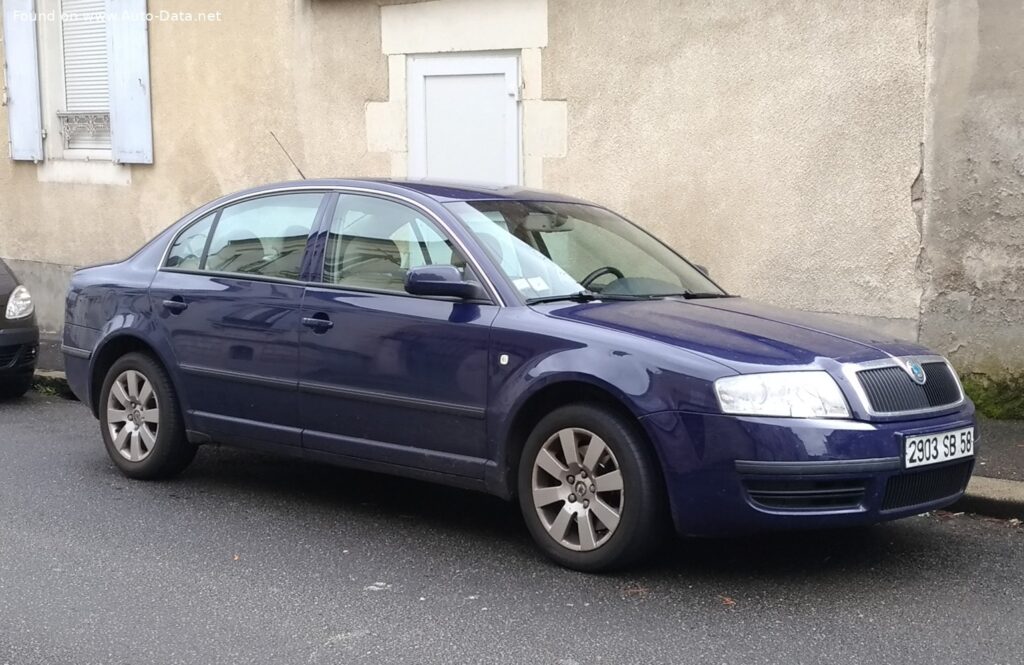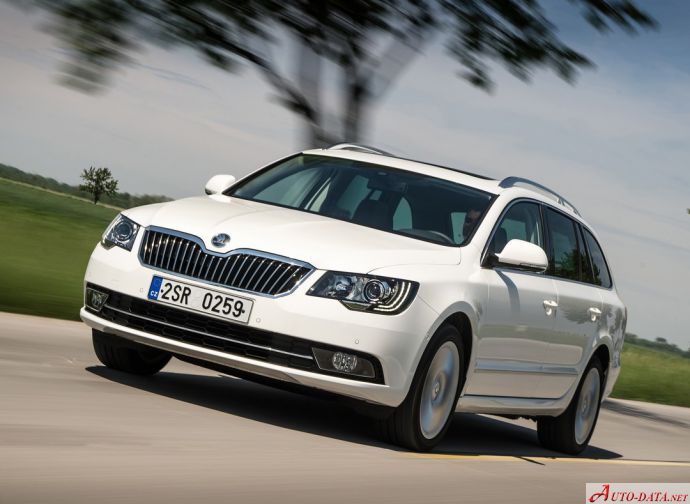
The Skoda Superb II Combi, particularly its robust facelifted iteration from 2013, represented the pinnacle of Skoda’s engineering and design capabilities within the European market. Positioned as a large family car or executive wagon, the Skoda Superb II Combi (facelift 2013) 3.6 FSI (260 Hp) 4×4 DSG variant was a testament to the brand’s commitment to offering premium features, spaciousness, and potent performance without the premium price tag often associated with its German counterparts. While Skoda vehicles are not typically sold in the United States, their influence and engineering prowess are recognized globally, often leveraging Volkswagen Group platforms and powertrains to deliver a compelling package. This particular model, produced from April 2013 to 2015, stood out for its powerful naturally aspirated V6 engine, sophisticated all-wheel-drive system, and quick-shifting dual-clutch transmission, making it a distinctive and highly capable offering in its segment.
Engine and Performance: The Heart of the Skoda Superb II Combi (facelift 2013)
At the core of this impressive wagon was the formidable 3.6-liter FSI (Fuel Stratified Injection) V6 engine, designated with the EA390 / CDVA code. This naturally aspirated powerhouse delivered a robust 260 horsepower, translating to an impressive 72.3 horsepower per liter. The engine’s direct injection system ensured precise fuel delivery, optimizing both power output and efficiency. Torque figures were equally compelling, peaking at 350 Nm (258.15 lb.-ft.) available across a broad rev range from 2400 to 4000 rpm. This wide torque band contributed significantly to the vehicle’s excellent drivability and responsive acceleration, whether navigating city streets or cruising on the autobahn.
The powertrain architecture, featuring a front, transverse engine layout, was meticulously engineered to integrate seamlessly with the advanced drivetrain. Power was efficiently managed by a 6-speed automatic DSG (Direct-Shift Gearbox) transmission, renowned for its rapid and smooth gear changes. This dual-clutch system provided the best of both worlds: the convenience of an automatic with the engagement and efficiency approaching that of a manual. Coupled with a sophisticated all-wheel-drive (4×4) system, the Superb Combi 3.6 FSI offered superior traction and stability, particularly in challenging weather conditions or on varied road surfaces. This combination allowed the vehicle to put its power down effectively, enhancing both safety and dynamic performance.
Performance metrics underscore the capabilities of this high-spec Superb. The sprint from 0 to 60 mph was achieved in a brisk 6.2 seconds, with 0-100 km/h taking 6.5 seconds. The top speed was electronically limited to 250 km/h (155.34 mph), a figure that speaks to its Autobahn-ready credentials. Despite its substantial power and all-wheel-drive system, Skoda engineered the vehicle for a reasonable balance of performance and fuel economy. The combined fuel consumption was rated at 9.4 liters per 100 km, which translates to approximately 25 US mpg. Urban consumption stood at 13.1 l/100 km (18 US mpg), while extra-urban driving saw figures as low as 7.1 l/100 km (33.1 US mpg). CO2 emissions were 217 g/km, adhering to the Euro 5 emission standard prevalent at the time of its production.
The engine’s compression ratio of 11.4:1 further enhanced its efficiency and power delivery, while its ample 5.5-liter engine oil capacity and 9-liter coolant capacity ensured optimal thermal management under various operating conditions. With a kerb weight of 1726 kg (3805.18 lbs.), the Superb 3.6 FSI boasted a competitive weight-to-power ratio of 6.6 kg per horsepower (150.6 Hp/tonne) and a weight-to-torque ratio of 4.9 kg per Nm (202.8 Nm/tonne), highlighting its well-balanced engineering for a vehicle of its size and segment.
Design and Features: Practicality Meets Refinement
The Skoda Superb II Combi (facelift 2013) exemplified a design philosophy that prioritized spaciousness, practicality, and understated elegance. As a station wagon (estate), it was designed to cater to families and professionals who required substantial cargo capacity and passenger comfort. The facelift introduced subtle yet significant updates to its exterior, including revised headlights with integrated LED daytime running lights, a refreshed grille, and restyled bumpers, lending it a more contemporary and sophisticated appearance. These changes helped to maintain the Superb’s competitive edge in the fiercely contested European D-segment.
One of the Superb Combi’s most compelling attributes was its cavernous interior. With seating for five adults, the vehicle offered exceptional legroom, particularly for rear passengers, often surpassing that of more expensive luxury sedans. The Combi body style truly shone in its cargo versatility, boasting a minimum trunk space of 633 liters (22.35 cu. ft.) with the rear seats in place. When the rear seats were folded down, this expanded to an impressive 1865 liters (65.86 cu. ft.), making it capable of accommodating large items, luggage for extended trips, or even sporting equipment with ease. This practical design was a key differentiator in its primary markets.
Beyond sheer volume, the Superb Combi incorporated a range of features aimed at enhancing comfort, convenience, and safety. Standard assisting systems included ABS (Anti-lock Braking System) to ensure controlled stopping power. The steering system utilized a rack and pinion setup, providing precise and predictable handling characteristics. While the data provided focuses on core mechanicals, a vehicle of this caliber in 2013 would typically include features such as climate control, power windows, an advanced infotainment system, and a suite of airbags, all contributing to a comfortable and secure driving environment. The robust body structure and comprehensive safety features were designed to meet stringent European safety standards.
Dimensions further illustrate the Superb Combi’s substantial presence: a length of 4833 mm (190.28 in.), a width of 1817 mm (71.54 in.), and a height of 1511 mm (59.49 in.). Its generous wheelbase of 2761 mm (108.7 in.) was instrumental in providing both the spacious interior and a stable, composed ride. The front track measured 1537 mm (60.51 in.), and the rear track was 1510 mm (59.45 in.), contributing to its balanced stance and handling dynamics. Despite its size, the minimum turning circle of 11.69 meters (38.35 ft.) made it surprisingly maneuverable for a vehicle of its class, aiding in urban driving and parking. The 60-liter (15.85 US gal) fuel tank capacity provided a respectable cruising range, further cementing its credentials as an ideal long-distance touring vehicle.
Technical Specifications
| Brand | Skoda |
| Model | Superb |
| Generation | Superb II Combi (facelift 2013) |
| Type (Engine) | 3.6 FSI (260 Hp) 4×4 DSG |
| Start of production | April, 2013 year |
| End of production | 2015 year |
| Powertrain Architecture | Internal Combustion engine |
| Body type | Station wagon (estate) |
| Seats | 5 |
| Doors | 5 |
| Fuel consumption (economy) – urban | 13.1 l/100 km (18 US mpg) |
| Fuel consumption (economy) – extra urban | 7.1 l/100 km (33.1 US mpg) |
| Fuel consumption (economy) – combined | 9.4 l/100 km (25 US mpg) |
| CO2 emissions | 217 g/km |
| Fuel Type | Petrol (Gasoline) |
| Acceleration 0 – 60 mph | 6.2 sec |
| Acceleration 0 – 100 km/h | 6.5 sec |
| Maximum speed | 250 km/h (155.34 mph) |
| Emission standard | Euro 5 J |