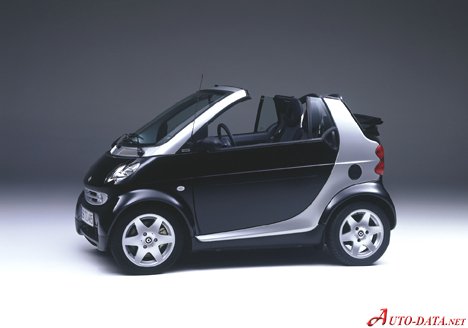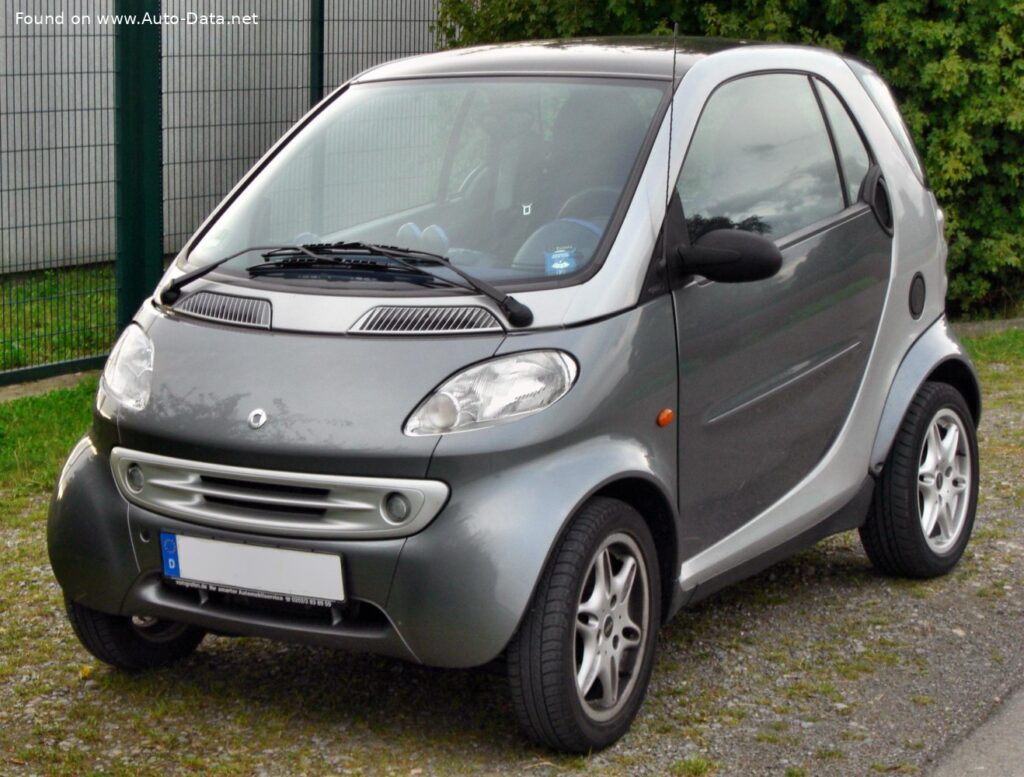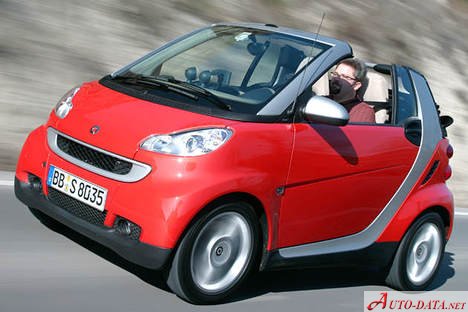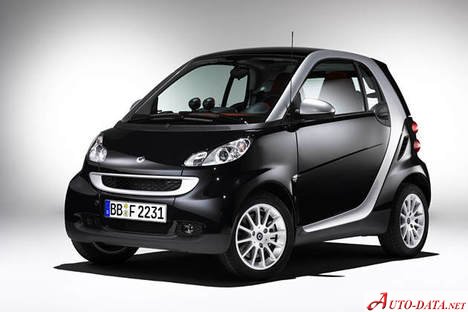
The Smart Fortwo II coupe (C451), specifically the 17.6 kWh electric drive variant, represents a significant step in urban microcar design and electrification. Produced from June 2012 to August 2015, this model was primarily aimed at the European market, addressing the need for highly maneuverable, fuel-efficient transportation in densely populated cities. While not officially sold in the United States during its production run, the Fortwo has always held a unique position as a symbol of innovative automotive engineering, particularly in its focus on minimizing environmental impact and maximizing space efficiency. The C451 generation marked a substantial evolution from its predecessor, offering improved performance, safety features, and a more refined driving experience, all within its remarkably compact footprint.
Smart Fortwo II Coupe (C451) Electric Drive: An Overview
The C451 Fortwo electric drive was Smart’s second foray into all-electric vehicles, building upon the lessons learned from the first generation. It distinguished itself with a fully electric powertrain, offering zero tailpipe emissions and a quiet driving experience. The vehicle’s two-seater configuration and diminutive size made it ideal for navigating congested urban environments and parking in tight spaces. The electric version was a key component of Smart’s strategy to offer sustainable mobility solutions, and it played a role in raising awareness and acceptance of electric vehicles in Europe. The car’s unique design and functionality continue to attract a dedicated following, even after production ceased.
Engine & Performance
The heart of the Smart Fortwo II coupe (C451) electric drive is its fully electric powertrain. It utilizes a 17.6 kWh lithium-ion battery pack located under the floor, providing a net (usable) capacity of 16.7 kWh. This battery powers a rear-mounted electric motor, designated EM0003, delivering 75 horsepower (Hp) and 130 Nm (95.88 lb.-ft.) of torque. The powertrain architecture is a Battery Electric Vehicle (BEV), meaning it relies solely on electricity for propulsion. Acceleration from 0 to 100 km/h (0-62 mph) takes 11.5 seconds, while 0 to 60 mph is achieved in a calculated 10.9 seconds. The vehicle boasts a maximum speed of 125 km/h (77.67 mph). The weight-to-power ratio is 12 kg/Hp, and the weight-to-torque ratio is 6.9 kg/Nm, indicating a relatively efficient power delivery system for its size and weight.
Design & Features
The Smart Fortwo II coupe (C451) maintains the iconic two-door, two-seater coupe body style that has become synonymous with the Smart brand. Its compact dimensions – a length of 2695 mm (106.1 in.), a width of 1559 mm (61.38 in.), and a height of 1565 mm (61.61 in.) – are central to its appeal. The vehicle’s design prioritizes functionality and maneuverability. Safety features, while limited by the vehicle’s size, include ABS (Anti-lock braking system). The interior is designed to maximize space within the limited footprint, offering comfortable seating for two adults. Trunk space ranges from a minimum of 220 liters (7.77 cu. ft.) to a maximum of 340 liters (12.01 cu. ft.) with the rear seats folded down. The drivetrain is rear-wheel drive, utilizing a single-speed automatic transmission. The suspension system features an independent McPherson setup at the front and a De-Dion axle at the rear, providing a surprisingly comfortable ride given the vehicle’s size.
Technical Specifications
| Brand | Smart |
| Model | Fortwo |
| Generation | Fortwo II coupe (C451) |
| Type (Engine) | 17.6 kWh (75 Hp) electric drive |
| Start of production | June, 2012 |
| End of production | August, 2015 |
| Powertrain Architecture | BEV (Electric Vehicle) |
| Body type | Coupe |
| Seats | 2 |
| Doors | 2 |
| Fuel Type | Electricity |
| Acceleration 0 – 100 km/h | 11.5 sec |
| Acceleration 0 – 62 mph | 11.5 sec |
| Acceleration 0 – 60 mph | 10.9 sec |
| Maximum speed | 125 km/h (77.67 mph) |
| Weight-to-power ratio | 12 kg/Hp |
| Weight-to-torque ratio | 6.9 kg/Nm |
| Gross battery capacity | 17.6 kWh |
| Net (usable) battery capacity | 16.7 kWh |
| Battery technology | Lithium-ion (Li-Ion) |
| Battery location | Below the floor |
| All-electric range (NEDC) | 145 km (90.1 mi) |
| Average Energy consumption (NEDC) | 15.1 kWh/100 km (24.3 kWh/100 mi) |
| MPGe | 139 |
| km/kWh | 6.6 |
| mi/kWh | 4.1 |
| Electric motor power | 75 Hp |
| Electric motor Torque | 130 Nm (95.88 lb.-ft.) |
| Electric motor model/code | EM0003 |
| Electric motor location | Rear axle, Transverse |
| System power | 75 Hp |
| System torque | 130 Nm (95.88 lb.-ft.) |
| Kerb Weight | 900 kg (1984.16 lbs.) |
| Max. weight | 1150 kg (2535.32 lbs.) |
| Max load | 250 kg (551.16 lbs.) |
| Trunk (boot) space – minimum | 220 l (7.77 cu. ft.) |
| Trunk (boot) space – maximum | 340 l (12.01 cu. ft.) |
| Length | 2695 mm (106.1 in.) |
| Width | 1559 mm (61.38 in.) |
| Height | 1565 mm (61.61 in.) |
| Wheelbase | 1867 mm (73.5 in.) |
| Front track | 1283 mm (50.51 in.) |
| Rear (Back) track | 1385 mm (54.53 in.) |
| Minimum turning circle | 8.75 m (28.71 ft.) |
| Drivetrain Architecture | One electric motor drives the rear wheels. |
| Drive wheel | Rear wheel drive |
| Number of gears | 1 |
| Type of gearbox | automatic transmission |
| Front suspension | Independent type McPherson |
| Rear suspension | Suspension De-Dion |
| Front brakes | Ventilated discs |
| Rear brakes | Drum |
| Steering type | Steering rack and pinion |
| Power steering | Electric Steering |
| Front wheel tires | 155/60 R15 |
| Rear wheel tires | 175/55 R15 |
| Front wheel rims | 4.5J x 15 |
| Rear wheel rims | 5J x 15 |