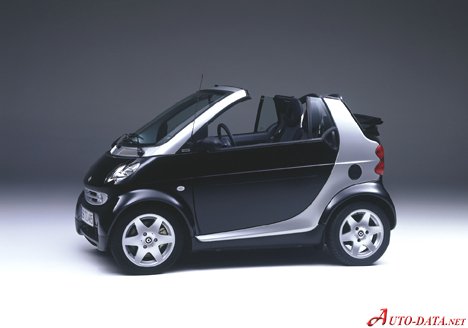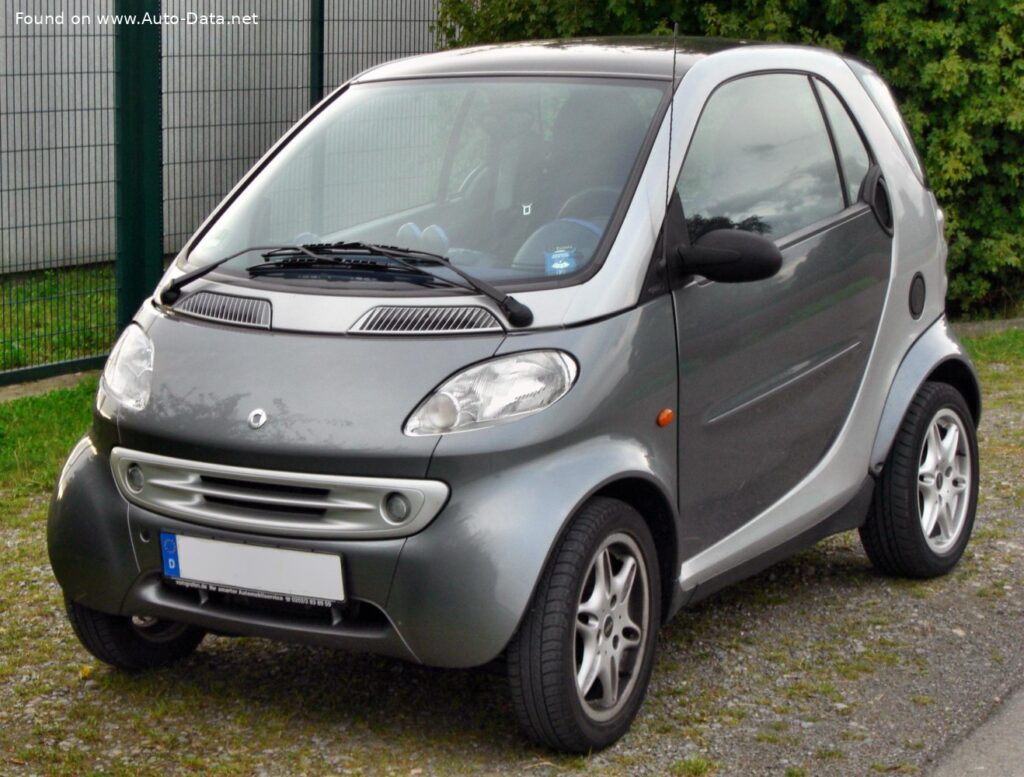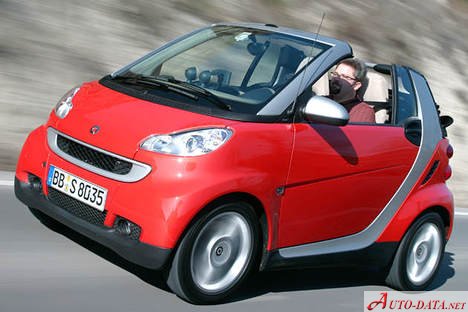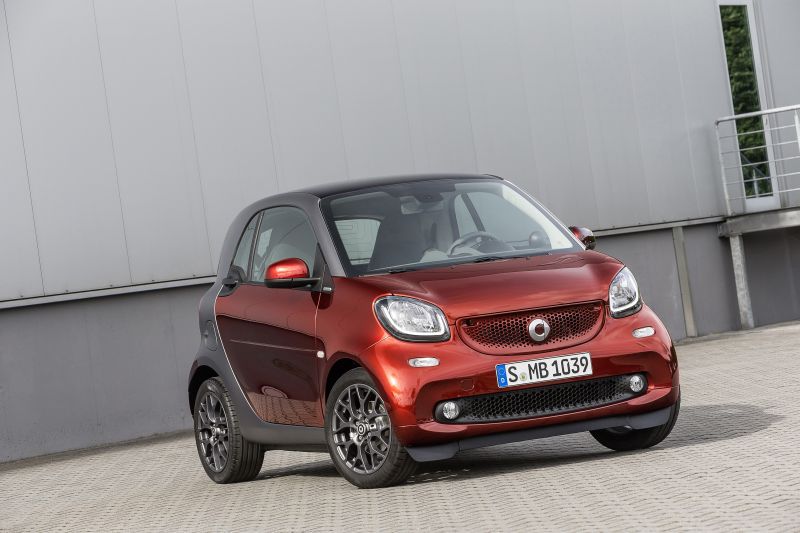
The Smart Fortwo III coupe (C453) Brabus 0.9 (109 hp) Twinamic represents the performance-oriented variant of the third-generation Fortwo, produced from 2016 to 2018. Positioned as the top-tier trim level within the C453 range, it offered a significant power upgrade over the standard 70 hp engine, targeting drivers seeking a more engaging and sporty driving experience in the ultra-compact city car segment. The C453 Fortwo, and its Brabus variant, were built on Smart’s dedicated platform, a rear-engine, rear-wheel-drive configuration unique in the modern microcar landscape.
Powertrain & Engine Architecture
At the heart of the Brabus 0.9 is the H4B engine, a 898 cc inline-three cylinder gasoline engine. This engine is significantly enhanced compared to the base Fortwo’s powerplant, featuring a turbocharger with an intercooler and revised engine management software to produce 109 horsepower at 5750 rpm and 170 Nm (125.39 lb-ft) of torque at 2000 rpm. The engine utilizes multi-port fuel injection and boasts a compression ratio of 9.5:1. The engine oil capacity is 4.3 liters (4.54 US quarts / 3.78 UK quarts) and requires a specification adhering to Smart’s guidelines. Coolant capacity is 10.5 liters (11.1 US quarts / 9.24 UK quarts).
The “Twinamic” transmission is a six-speed dual-clutch transmission (DCT) developed by Getrag. This transmission is a key component of the Brabus model, offering quicker and smoother shifts compared to the standard five-speed manual or automated manual transmissions available in other Fortwo variants. The Twinamic transmission features automatic shifting, but also allows for manual gear selection via paddle shifters, enhancing driver control. The transmission’s gear ratios are tuned to maximize acceleration and responsiveness, taking advantage of the engine’s increased power output.
Engine Code Specifics
The H4B engine code designates the Brabus-tuned version of the 0.9-liter three-cylinder. While sharing the basic architecture with the standard engine, the Brabus variant incorporates strengthened internal components to handle the increased power and stress. The turbocharger is larger and provides increased boost pressure, and the engine control unit (ECU) is recalibrated for optimized fuel delivery and ignition timing. These modifications contribute to the substantial power gain over the base model.
Driving Characteristics
The 109 hp Brabus 0.9 Twinamic delivers a noticeably more spirited driving experience than the standard Fortwo. Acceleration from 0 to 100 km/h (0-62 mph) takes 9.5 seconds, a significant improvement over the base model. The Twinamic transmission provides quick and precise shifts, minimizing power loss during gear changes. The rear-wheel-drive configuration contributes to a balanced feel, although the short wheelbase can still result in a somewhat twitchy handling characteristic, particularly on uneven surfaces. The increased power also makes overtaking maneuvers on highways more confident and less stressful.
Compared to the manual transmission versions of the 0.9 engine, the Twinamic offers convenience and ease of use, especially in congested city traffic. However, some drivers may prefer the more direct engagement of a manual gearbox. Compared to the even more powerful (and less common) Brabus Ultimate Ride variant, the 0.9 Twinamic offers a more accessible price point and a slightly more refined driving experience, sacrificing some outright performance.
Equipment & Trim Levels
The Brabus 0.9 Twinamic came standard with a range of features designed to enhance both performance and comfort. Exterior features included Brabus-specific body styling, including a front spoiler, side skirts, a rear diffuser, and a sports exhaust system. Wheels were typically 16-inch or 17-inch alloy wheels with performance tires (185/50 R 16 or 205/40 R 17). Inside, the Brabus trim featured sport seats upholstered in leather or a combination of leather and fabric, a Brabus sports steering wheel, and aluminum pedals. Standard equipment also included air conditioning, power windows, and a basic audio system.
Optional extras included a panoramic sunroof, navigation system, and upgraded audio systems. Customers could also choose from a variety of exterior colors and interior trim options to personalize their vehicle. The interior dashboard configuration was largely consistent across the C453 range, but the Brabus trim added unique accents and detailing.
Chassis & Braking
The Fortwo’s chassis features an independent McPherson strut suspension at the front and an independent coil spring suspension at the rear. The Brabus variant typically received a slightly stiffer suspension setup to improve handling and reduce body roll. The braking system consists of ventilated discs at the front and drum brakes at the rear. Anti-lock braking system (ABS) was standard. The steering system is a rack and pinion type with electric power steering.
The relatively light weight of the Fortwo (995 kg / 2193.6 lbs kerb weight) contributes to its agility and responsiveness. However, the drum brakes on the rear wheels can be a limitation for drivers who frequently engage in aggressive braking. The weight distribution, influenced by the rear-engine layout, requires careful consideration during cornering.
Market Reception & Comparison
The Smart Fortwo III Brabus 0.9 Twinamic was generally well-received by automotive critics, who praised its improved performance and engaging driving dynamics. The Twinamic transmission was lauded for its smoothness and responsiveness. However, some reviewers noted the car’s limited interior space and the somewhat firm ride quality. Fuel economy was a strong point, with combined fuel consumption figures of 4.5 l/100 km (52.3 US mpg / 62.8 UK mpg). CO2 emissions were rated at 102 g/km, placing it within the Euro 6 emission standard.
Compared to other trims in the Fortwo lineup, the Brabus 0.9 Twinamic offered a significant performance advantage, but at a higher price point. It competed with other city cars, such as the Fiat 500 and Toyota Aygo, but its unique rear-engine, rear-wheel-drive layout set it apart. In terms of reliability, the Brabus variant generally proved to be as reliable as other Fortwo models, although the more complex Twinamic transmission could potentially require more maintenance over the long term.
Technical Specifications
| Brand | Smart |
| Model | Fortwo III coupe (C453) Brabus 0.9 |
| Engine Displacement | 898 cm3 (54.8 cu. in.) |
| Engine Type | Inline-3, Turbocharged |
| Maximum Power | 109 hp @ 5750 rpm |
| Maximum Torque | 170 Nm (125.39 lb-ft) @ 2000 rpm |
| Transmission | 6-speed Dual-Clutch (Twinamic) |
| Drive Type | Rear-Wheel Drive |
| Acceleration 0-100 km/h | 9.5 sec |
| Maximum Speed | 165 km/h (102.53 mph) |
| Fuel Consumption (Combined) | 4.5 l/100 km (52.3 US mpg / 62.8 UK mpg) |
| CO2 Emissions | 102 g/km |
| Kerb Weight | 995 kg (2193.6 lbs) |
| Fuel Tank Capacity | 35 l (9.25 US gal / 7.7 UK gal) |
| Length | 2740 mm (107.87 in) |
| Width | 1663 mm (65.47 in) |
| Height | 1543 mm (60.75 in) |
Legacy
The Smart Fortwo III Brabus 0.9 Twinamic remains a popular choice in the used car market, particularly among buyers seeking a stylish and fuel-efficient city car with a sporty edge. The Twinamic transmission, while potentially requiring more maintenance than a manual gearbox, is generally considered reliable if properly serviced. The H4B engine has proven to be relatively durable, although regular oil changes and maintenance are essential. The Brabus styling and upgraded interior features continue to appeal to enthusiasts. The C453 Brabus represents a unique and engaging driving experience in the microcar segment, and its distinctive design and performance characteristics ensure its continued desirability among collectors and urban drivers alike.