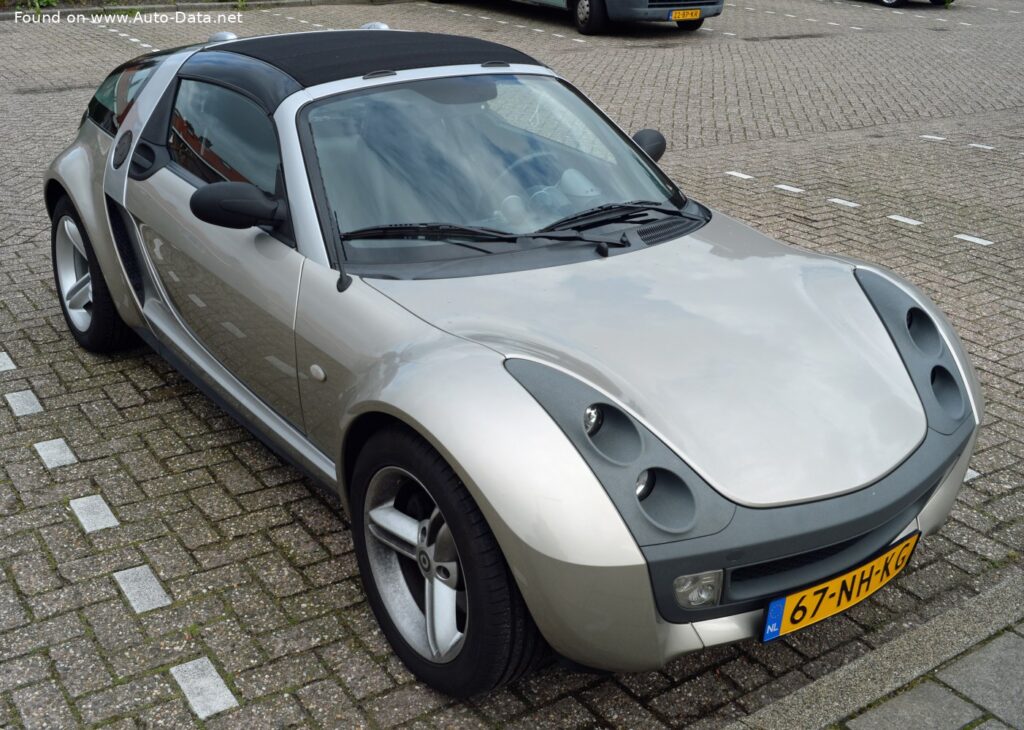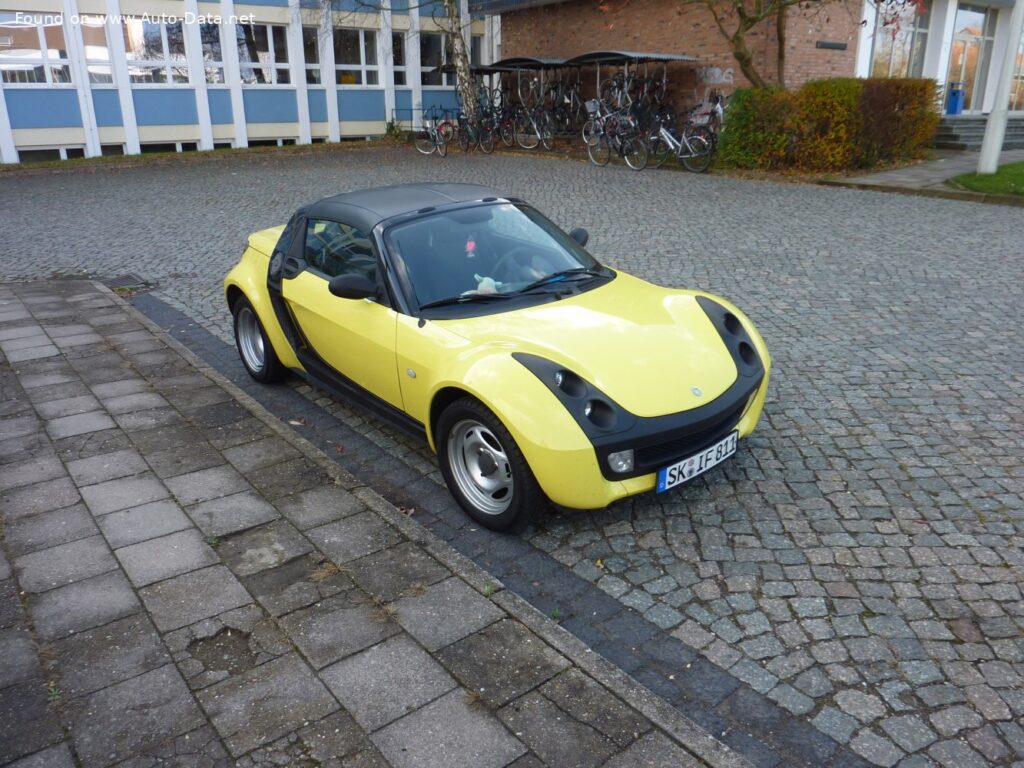
The Smart Roadster Cabrio 0.7i, produced between 2002 and 2005, represents the entry-level variant of the first-generation Smart Roadster (C42) series. Positioned as the most accessible model in the lineup, it aimed to provide an affordable and fun open-top motoring experience. Built on the innovative rear-engine, rear-wheel-drive platform (shared with the Smart City-Coupe), the 0.7i offered a unique driving experience distinct from most contemporary small cars. The Roadster, and specifically the Cabrio, was a departure for Smart, focusing on driving enjoyment rather than purely urban practicality, as seen in the City-Coupe.
Powertrain & Engine Architecture
The heart of the Smart Roadster 0.7i is the M 160.921, a 698cc inline-three cylinder engine. This engine, while small in displacement, was surprisingly sophisticated for its size. It featured multi-port fuel injection and, crucially for the time, a turbocharger with an intercooler. This forced induction system boosted power output to 61 horsepower at 5250 rpm and 95 Nm (70.07 lb-ft) of torque at 2000 rpm. The engine’s compact size and rear-mid engine placement contributed to the car’s balanced handling characteristics. The engine utilized an overhead camshaft (OHC) valvetrain with two valves per cylinder.
While a six-speed manual transmission was standard, the 0.7i was also offered with a six-speed automated manual transmission (AMT), often referred to as “Softouch” or “Softdrive”. This transmission, developed by BorgWarner, was a single-clutch system that offered automated gear changes without the need for a traditional clutch pedal. It operated in both fully automatic and sequential manual modes. The AMT, while convenient, was known for its sometimes jerky shifts, particularly at lower speeds, and was a point of criticism for some reviewers. The gear ratios were optimized for acceleration and fuel efficiency, prioritizing usability over outright performance.
Engine Code Specifics
The M 160.921 engine code designates this specific turbocharged three-cylinder configuration. The engine’s design prioritized compactness and lightweight construction, utilizing aluminum alloy components where possible. The turbocharger was a key element in achieving a reasonable power output from such a small displacement engine, and the intercooler helped to maintain consistent performance by cooling the intake air. Regular oil changes with the correct specification (typically a fully synthetic 5W-30 or 5W-40) were crucial for maintaining the longevity of the turbocharger.
Driving Characteristics
The Smart Roadster 0.7i, even with the turbocharger, wasn’t designed for blistering acceleration. Its 0-60 mph time of around 14.7 seconds and a top speed of 99.42 mph (160 km/h) reflect its focus on fuel efficiency and everyday usability. However, the rear-wheel-drive layout and relatively low weight (790 kg / 1741.65 lbs) provided a surprisingly engaging driving experience. The turbocharger provided a noticeable boost in power, making the car feel more responsive than its displacement might suggest. The handling was nimble and predictable, making it enjoyable on winding roads. Compared to the more powerful 0.8i variant, the 0.7i offered a more relaxed driving experience, with less emphasis on outright speed. The AMT transmission, while convenient, could sometimes detract from the driving experience with its occasionally hesitant shifts.
Equipment & Trim Levels
The 0.7i Cabrio was generally equipped with a relatively basic level of standard features, reflecting its position as the entry-level model. Standard equipment typically included power steering, alloy wheels (though designs varied), and a basic audio system. The Cabrio top was manually operated, adding to the simplicity of the design. Interior upholstery was typically cloth, and the dashboard featured a straightforward layout with easy-to-read gauges.
Optional extras included air conditioning, leather upholstery, upgraded audio systems, and various cosmetic enhancements. A panoramic roof was also available, offering an even more open-air experience. The level of customization was relatively high, allowing buyers to personalize their Roadster with a range of options. The interior, while compact, was surprisingly well-designed and functional, maximizing space for the two occupants.
Chassis & Braking
The Smart Roadster’s chassis was a monocoque steel structure designed for both rigidity and lightweight construction. The front suspension utilized a spring strut setup, while the rear employed a De Dion suspension system. The De Dion setup, a relatively uncommon design in modern cars, contributed to the car’s excellent handling characteristics by minimizing body roll and providing a stable platform. The braking system consisted of disc brakes at the front and drum brakes at the rear. Hydraulic power steering was standard, providing a light and responsive steering feel. The 185/55 R15 tires provided adequate grip for everyday driving, although some owners opted for wider tires to improve handling.
Market Reception & Comparison
The Smart Roadster 0.7i Cabrio received mixed reviews upon its launch. Critics praised its unique driving experience, fuel efficiency (48 US mpg combined), and attractive styling. However, the AMT transmission was a common point of criticism, with many reviewers finding it to be slow and jerky. Compared to the more powerful 0.8i variant, the 0.7i offered a more affordable entry point into the Roadster lineup, but at the expense of performance. The 0.7i was also often compared to other small, open-top cars, such as the Mazda MX-5 Miata, although the Roadster’s rear-engine, rear-wheel-drive layout set it apart. In terms of reliability, the 0.7i proved to be generally reliable, although the turbocharger and AMT transmission required regular maintenance.
Technical Specifications
| Brand | Smart |
| Model | Roadster Cabrio 0.7i |
| Production Years | 2002-2005 |
| Engine Type | Inline-three cylinder, turbocharged |
| Engine Displacement | 698 cc (42.59 cu in) |
| Engine Code | M 160.921 |
| Power Output | 61 hp @ 5250 rpm |
| Torque Output | 95 Nm (70.07 lb-ft) @ 2000 rpm |
| Fuel Type | Gasoline (Petrol) |
| Transmission | 6-speed manual or 6-speed automated manual (AMT) |
| Drive Layout | Rear-wheel drive |
| Acceleration 0-60 mph | 14.7 sec (calculated) |
| Top Speed | 99.42 mph (160 km/h) |
| Curb Weight | 790 kg (1741.65 lbs) |
| Fuel Consumption (Combined) | 4.9 l/100 km (48 US mpg, 57.6 UK mpg) |
| Fuel Tank Capacity | 35 l (9.25 US gal, 7.7 UK gal) |
| Length | 3427 mm (134.92 in) |
| Width | 1615 mm (63.58 in) |
| Height | 1207 mm (47.52 in) |
Legacy
The Smart Roadster, including the 0.7i variant, has developed a loyal following among enthusiasts. While production ceased in 2005, the car remains relatively common on the used car market. The 0.7i, being the entry-level model, is generally the most affordable Roadster to purchase. The M 160.921 engine, while small, has proven to be reasonably durable with proper maintenance. However, potential buyers should be aware of the potential issues with the AMT transmission and the turbocharger. The Roadster’s unique driving experience and distinctive styling continue to appeal to those seeking a fun and affordable open-top sports car. Parts availability can be a challenge, but a thriving aftermarket and dedicated online communities provide support for owners. The Smart Roadster 0.7i Cabrio remains a quirky and enjoyable reminder of a bold experiment in small car design.