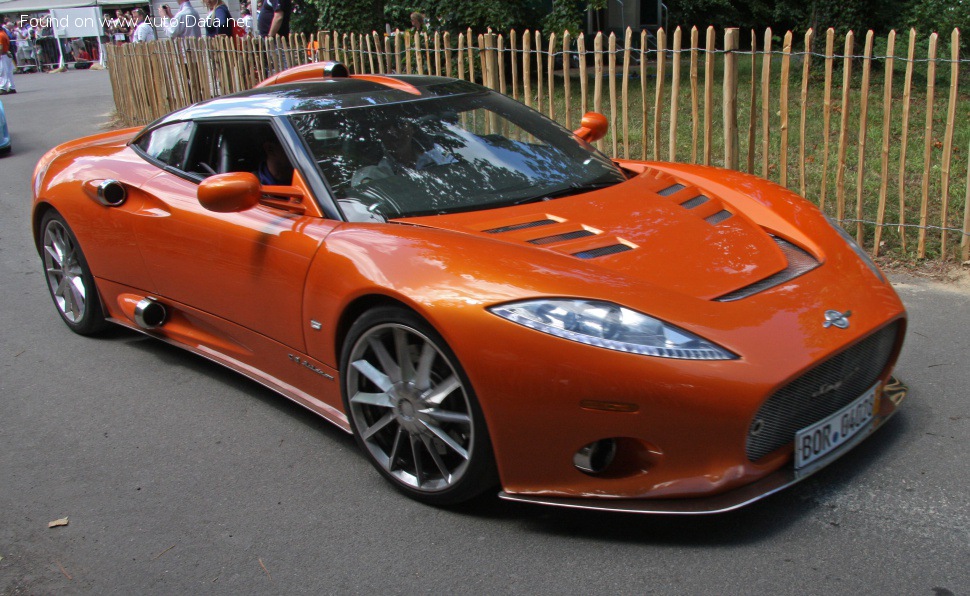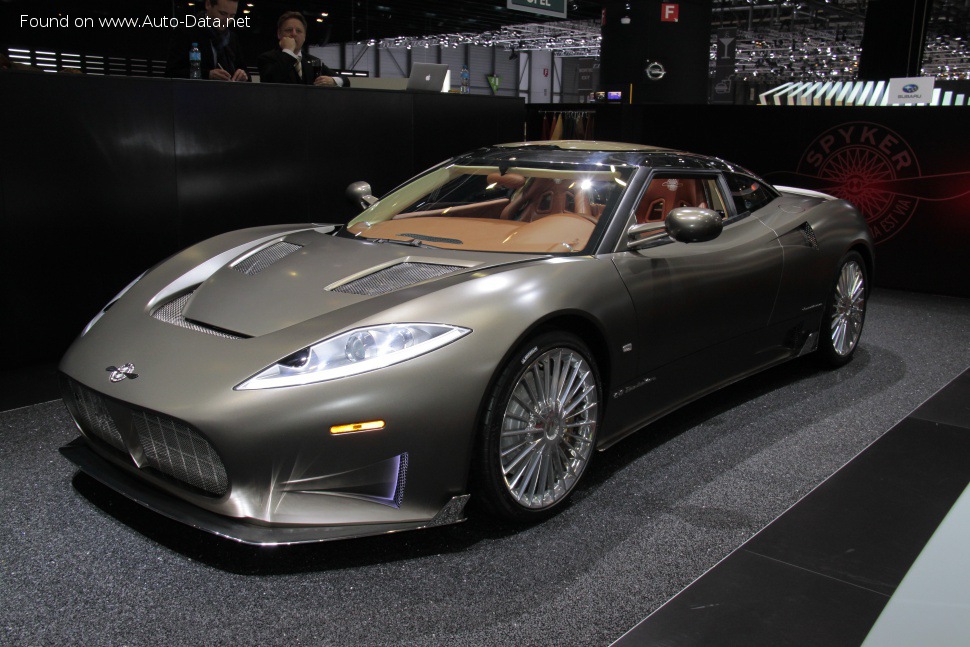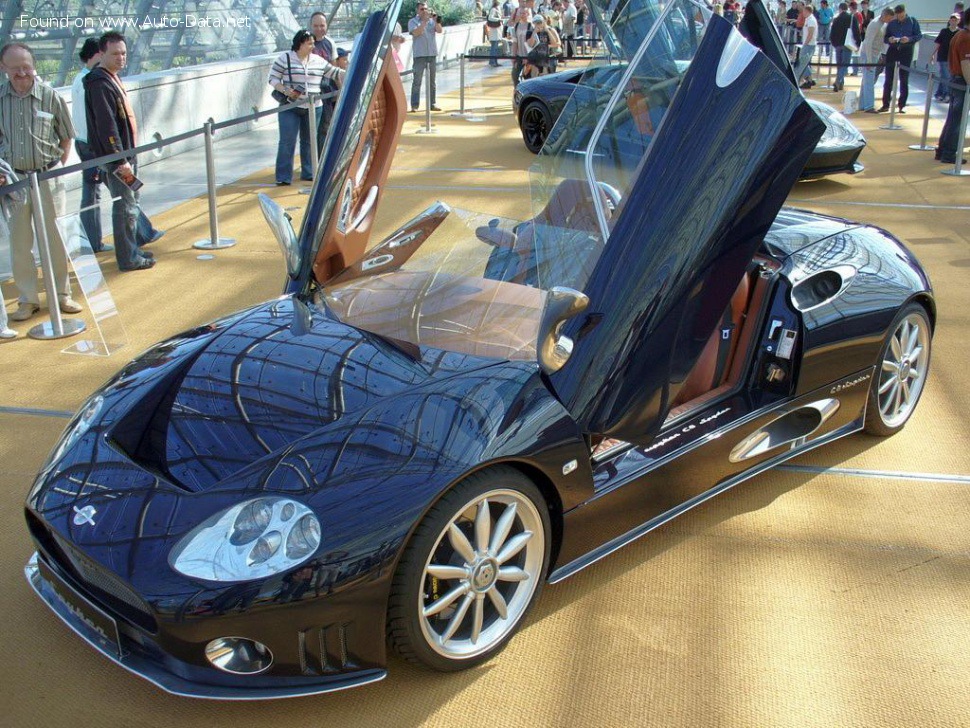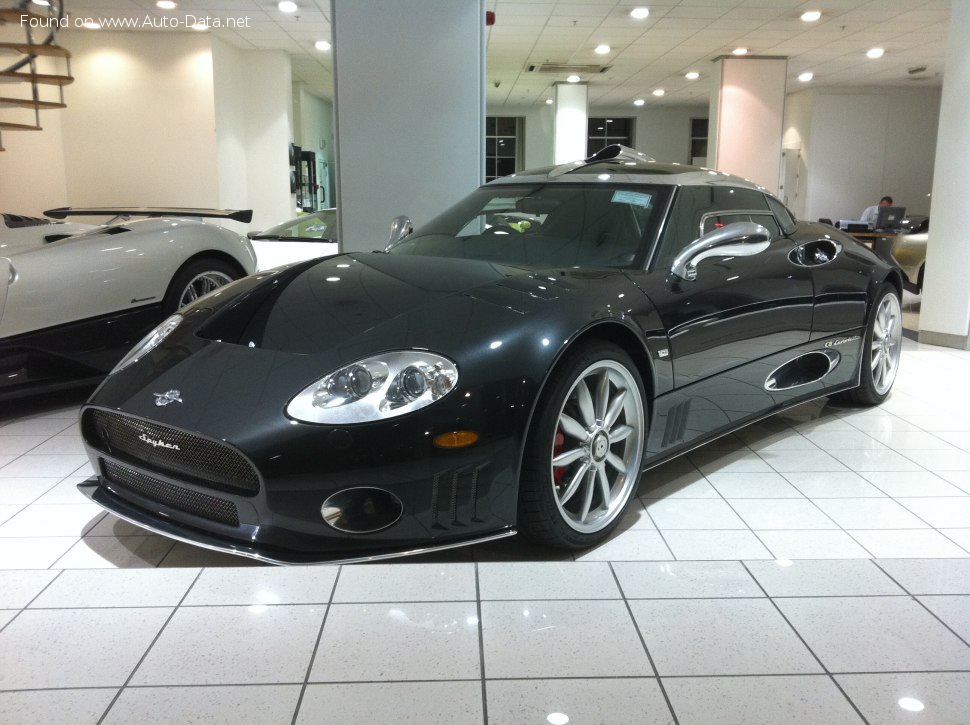
The Spyker C8 Laviolette 4.2i V8 40V (400 Hp) is a high-performance sports car produced by the Dutch manufacturer Spyker Cars between 2001 and 2009. Representing the initial model of the C8 series, the Laviolette established Spyker’s design language and engineering philosophy, blending aviation-inspired aesthetics with a potent naturally aspirated V8 engine. It was built on a space frame chassis and positioned as a direct competitor to established European sports car brands like Porsche and Ferrari, aiming for a unique niche combining luxury, performance, and exclusivity. The C8 Laviolette was the first model in the C8 family, followed by the C8 Spyder and later iterations with increased power and refinement.
Powertrain & Engine Architecture
At the heart of the Spyker C8 Laviolette 4.2i V8 40V lies a 4.2-liter (4172 cm3 / 254.59 cu. in.) naturally aspirated V8 engine. This engine, sourced from Audi (specifically the 4.2-liter V8 used in the Audi R8 and various other high-performance models), is designated as an internal combustion engine (ICE). The engine boasts a 90-degree V-angle configuration, contributing to a smooth power delivery and balanced operation. It features a 11:1 compression ratio and utilizes a multi-port manifold fuel injection system. The valvetrain consists of five valves per cylinder (40 valves total), enhancing volumetric efficiency and contributing to the engine’s high-revving nature.
The engine produces a maximum power output of 400 horsepower (hp) at 6800 rpm, and a peak torque of 480 Newton-meters (354.03 lb-ft) at 3500 rpm. The engine is longitudinally mounted in a mid-engine layout, optimizing weight distribution for improved handling. The C8 Laviolette was exclusively offered with a 6-speed manual transmission, driving the rear wheels. This configuration was chosen to provide drivers with maximum control and engagement, aligning with the car’s sporting intentions. The transmission is a traditional manual gearbox, offering precise shifts and a direct connection to the engine.
Engine Specifications
The engine’s design prioritizes responsiveness and a linear power curve. The naturally aspirated design, while lacking the immediate boost of a turbocharged engine, provides a predictable and engaging driving experience. The engine’s power-to-liter ratio is 95.9 hp/l, indicating a high level of specific output. The engine’s internal components are designed for durability and high-speed operation, allowing it to rev to a maximum of 7500 rpm.
Driving Characteristics
The Spyker C8 Laviolette 4.2i V8 40V delivers a distinctly engaging driving experience. The mid-engine layout and rear-wheel drive configuration contribute to a balanced chassis and responsive handling. The 6-speed manual transmission requires active driver involvement, rewarding skilled drivers with precise control over the engine’s power. Acceleration from 0 to 100 km/h (0-62 mph) takes approximately 4.5 seconds, while 0 to 60 mph is achieved in around 4.3 seconds. The car boasts a top speed of 300 km/h (186.41 mph).
The power delivery is characterized by a strong mid-range pull, with peak torque available at 3500 rpm. The engine’s responsiveness allows for precise throttle control, making it well-suited for both spirited driving on winding roads and high-speed cruising. The relatively lightweight construction (1275 kg / 2810.89 lbs) further enhances the car’s agility and responsiveness. The steering is direct and communicative, providing the driver with a clear sense of the car’s behavior. The suspension is tuned for a balance between comfort and performance, offering a firm but controlled ride.
Equipment & Trim Levels
The Spyker C8 Laviolette was positioned as a luxury sports car, and its interior reflected this. The standard interior featured high-quality leather upholstery, aluminum trim, and a unique dashboard design inspired by aviation cockpits. The seats were typically bucket-style, providing excellent support during spirited driving. The dashboard featured a combination of analog gauges and a central digital display providing information on vehicle speed, engine rpm, and other vital parameters.
Standard equipment included air conditioning, power windows, and a premium audio system. Optional extras included navigation system, custom leather upholstery, and various carbon fiber trim pieces. The C8 Laviolette was largely a bespoke vehicle, with Spyker offering a high degree of customization to its clients. Buyers could specify a wide range of interior and exterior colors, materials, and finishes, allowing them to create a truly unique vehicle.
Chassis & Braking
The Spyker C8 Laviolette is built on a lightweight and rigid space frame chassis constructed from steel tubes. This chassis provides a solid foundation for the suspension and ensures precise handling. The suspension system consists of double wishbones at all four corners, with coil springs and adjustable dampers. The front track measures 1400 mm (55.12 in), while the rear track is 1580 mm (62.2 in).
The braking system features ventilated discs at all four wheels, providing ample stopping power. The system is equipped with ABS (Anti-lock Braking System) to enhance stability during hard braking. The steering system is a rack and pinion type with hydraulic power assistance, offering precise and responsive steering feel. The car is equipped with 225/45 ZR18 tires at the front and 265/35 ZR18 tires at the rear, mounted on 8J x 18 and 10J x 18 alloy wheels, respectively.
Market Reception & Comparison
The Spyker C8 Laviolette received generally positive reviews from automotive critics. It was praised for its unique design, high-performance engine, and engaging driving experience. However, it was also criticized for its relatively high price and limited practicality. Compared to its rivals, such as the Porsche 911 and Ferrari 360 Modena, the C8 Laviolette offered a more exclusive and bespoke experience, but lacked the brand recognition and established reputation of its competitors. Fuel economy was not a primary concern for buyers of this vehicle, but the C8 Laviolette’s fuel consumption was comparable to other high-performance sports cars of its era. Reliability was generally good, although maintenance costs were relatively high due to the car’s exotic nature and specialized components.
Technical Specifications
| Brand | Spyker |
| Model | C8 Laviolette |
| Generation | C8 |
| Type (Engine) | 4.2i V8 40V (400 Hp) |
| Start of production | 2001 |
| End of production | 2009 |
| Body type | Coupe |
| Seats | 2 |
| Doors | 2 |
| Fuel Type | Petrol (Gasoline) |
| Acceleration 0 – 100 km/h | 4.5 sec |
| Acceleration 0 – 62 mph | 4.5 sec |
| Acceleration 0 – 60 mph | 4.3 sec |
| Maximum speed | 300 km/h (186.41 mph) |
| Weight-to-power ratio | 3.2 kg/Hp |
| Power | 400 Hp @ 6800 rpm |
| Torque | 480 Nm @ 3500 rpm (354.03 lb.-ft. @ 3500 rpm) |
| Maximum engine speed | 7500 rpm |
| Engine layout | Middle, Longitudinal |
| Engine displacement | 4172 cm3 (254.59 cu. in.) |
| Number of cylinders | 8 |
| Engine configuration | V-engine |
| Cylinder Bore | 84.5 mm (3.33 in.) |
| Piston Stroke | 93 mm (3.66 in.) |
| Compression ratio | 11:1 |
| Number of valves per cylinder | 5 |
| Fuel injection system | Multi-port manifold injection |
| Engine aspiration | Naturally aspirated engine |
| Kerb Weight | 1275 kg (2810.89 lbs) |
| Fuel tank capacity | 75 l (19.81 US gal | 16.5 UK gal) |
| Length | 4185 mm (164.76 in.) |
| Width | 1880 mm (74.02 in.) |
| Height | 1245 mm (49.02 in.) |
| Wheelbase | 2575 mm (101.38 in.) |
| Front track | 1400 mm (55.12 in.) |
| Rear track | 1580 mm (62.2 in.) |
| Drive wheel | Rear wheel drive |
| Number of gears | 6 gears, manual transmission |
| Front brakes | Ventilated discs |
| Rear brakes | Ventilated discs |
| Assisting systems | ABS (Anti-lock braking system) |
| Steering type | Steering rack and pinion |
| Power steering | Hydraulic Steering |
| Tires size | 225/45 ZR18; 265/35 ZR18 |
| Wheel rims size | 8J x 18; 10J x 18 |
Legacy
The Spyker C8 Laviolette, while produced in limited numbers, established Spyker as a credible manufacturer of high-performance sports cars. The 4.2-liter V8 engine proved to be reliable and durable, and the car’s unique design continues to attract enthusiasts today. On the used car market, the C8 Laviolette commands a premium price due to its rarity and exclusivity. Maintenance can be expensive, requiring specialized knowledge and parts. However, for collectors and enthusiasts seeking a unique and engaging driving experience, the Spyker C8 Laviolette 4.2i V8 40V remains a desirable and rewarding automobile.