The Suzuki Grand Vitara (FT,GT): A Global Compact SUV Stalwart
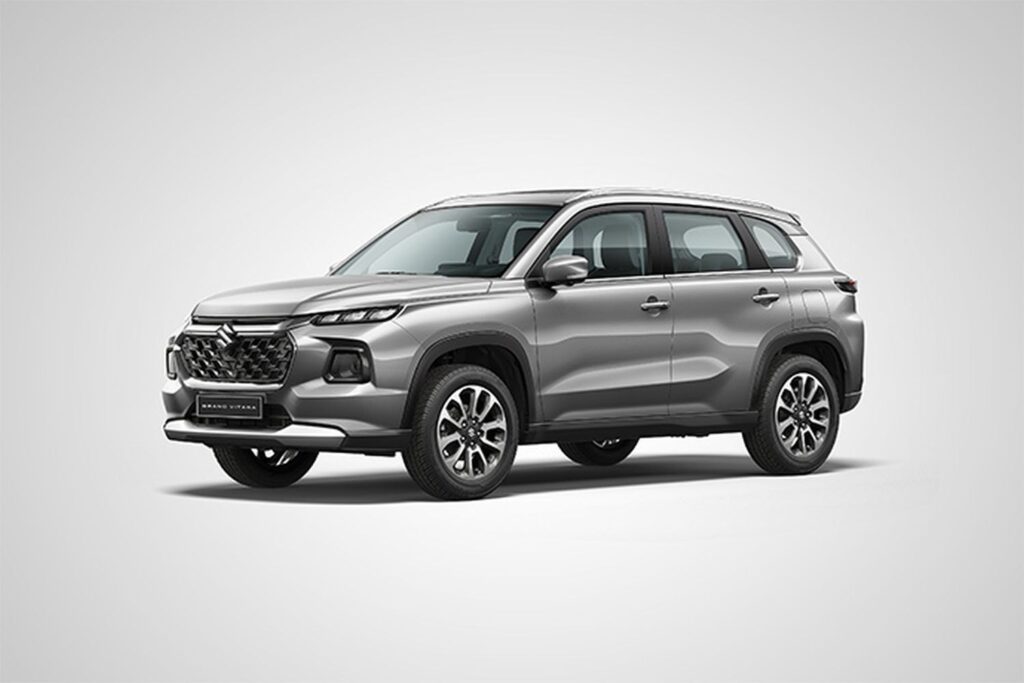
The Suzuki Grand Vitara (FT,GT), produced from 1999 to 2005, represents a significant chapter in the evolution of the compact sport utility vehicle (SUV) segment. As an international automotive expert, it’s clear that this generation of the Grand Vitara cemented Suzuki’s reputation for building durable, capable, and practical 4×4 vehicles. Positioned globally as a versatile offering, it bridged the gap between smaller, car-based crossovers and more traditional, rugged off-roaders. In the United States, it was known simply as the Grand Vitara, inheriting the legacy of its Vitara and Sidekick predecessors, offering consumers a compelling blend of everyday usability and genuine adventurous spirit. This particular variant, the 2.0 i 16V (5 dr) with 128 horsepower, exemplifies the model’s core strengths, providing a balanced package for a wide array of drivers seeking reliability and utility.
Engine and Performance: The J20A Powerplant
At the heart of the Suzuki Grand Vitara (FT,GT) 2.0 i 16V (5 dr) lies the venerable J20A engine. This 2.0-liter (1998 cm3 or 121.93 cubic inches) inline-four cylinder petrol (gasoline) engine was a testament to Suzuki’s engineering philosophy: robust, reliable, and efficient for its intended purpose. Featuring a 16-valve (4 valves per cylinder) configuration and a dual overhead camshaft (DOHC) design, the J20A produced a respectable 128 horsepower at 6000 rpm. This power output, combined with a healthy 128.34 lb.-ft. (174 Nm) of torque arriving at a relatively low 2900 rpm, provided the Grand Vitara with ample grunt for both urban commuting and light off-road excursions.
The engine’s front, longitudinal layout was typical for a vehicle with serious intentions for four-wheel drive, allowing for a more robust drivetrain architecture. Its naturally aspirated nature meant predictable power delivery without the complexities of forced induction, contributing to its reputation for long-term durability. The multi-port manifold injection system ensured precise fuel delivery, optimizing combustion for a balance of power and fuel economy, which was a key consideration for consumers in the early 2000s. With a compression ratio of 9.3:1, the J20A was designed to run reliably on widely available gasoline grades. The power per liter, at 64.1 Hp/l, was competitive for an SUV engine of its era, underscoring its efficient design. This powertrain delivered a driving experience that was confident and capable, perfectly suited to the Grand Vitara’s adventurous character.
Design and Features: Practicality Meets Ruggedness
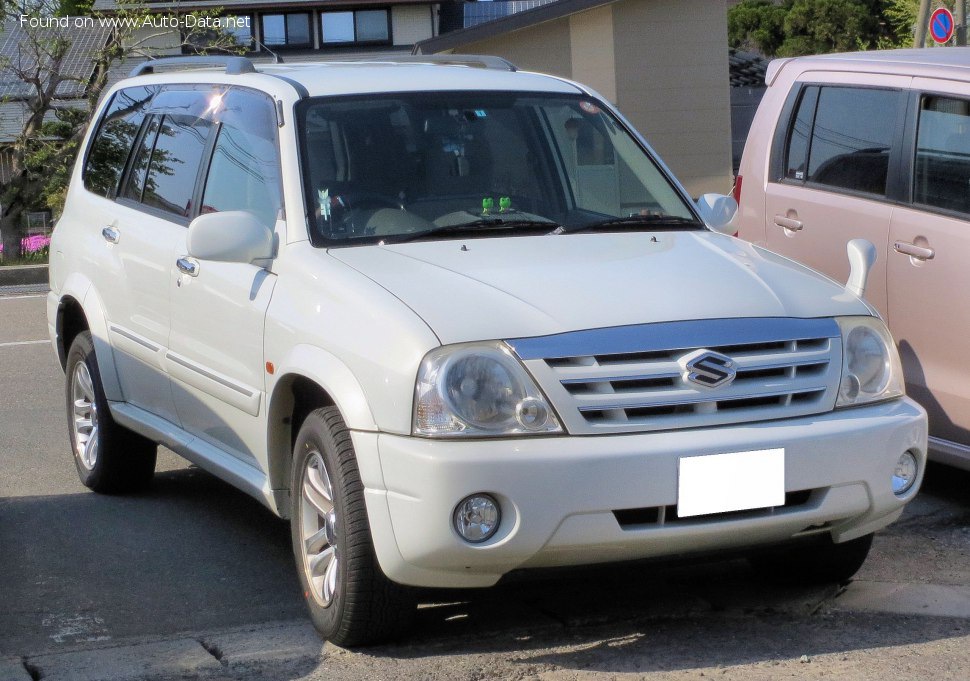
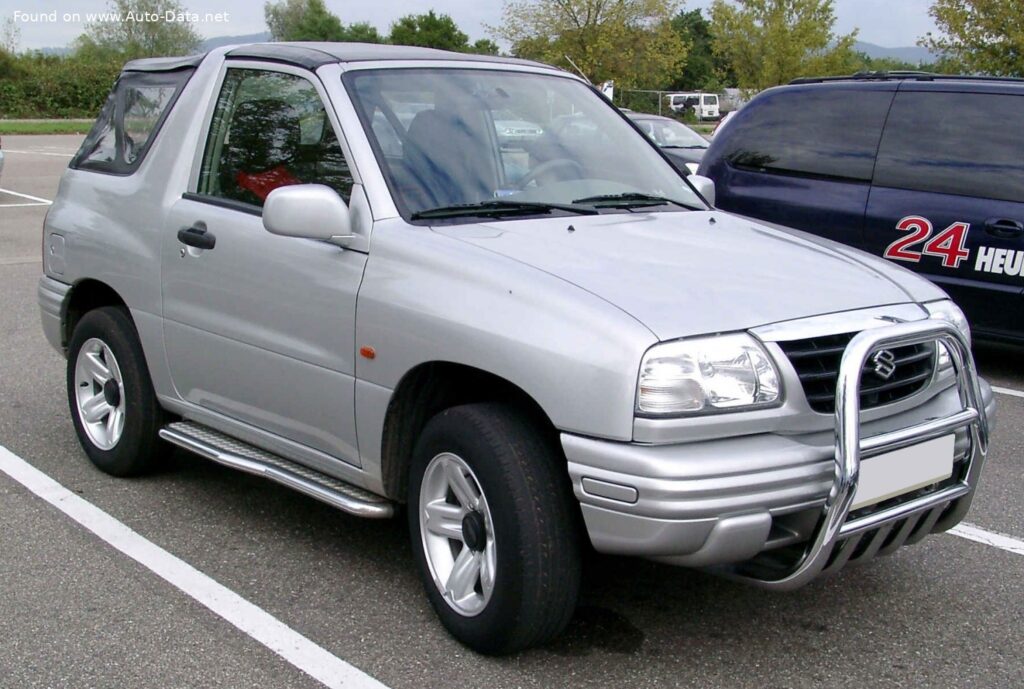
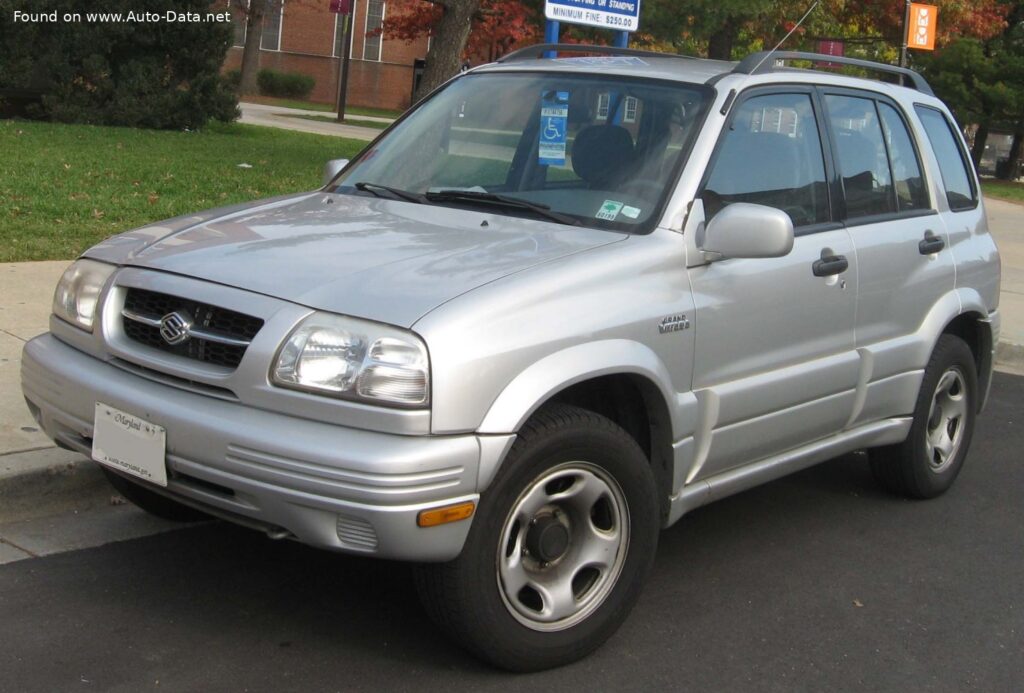
The Suzuki Grand Vitara (FT,GT) 2.0 i 16V (5 dr) embraced a design philosophy that prioritized practicality, durability, and a classic SUV aesthetic. Its body type is unmistakably an SUV, characterized by its upright stance, relatively short overhangs, and a purposeful, no-nonsense appearance. The 5-door configuration was a major selling point, providing easy access for up to five occupants and a versatile cargo area, making it a popular choice for families and outdoor enthusiasts alike. The robust body-on-frame construction, a hallmark of more traditional SUVs and off-road vehicles of the time, contributed significantly to its perceived and actual ruggedness and off-road capability, distinguishing it from the growing number of unibody crossovers.
Inside, the Grand Vitara offered a functional and ergonomic cabin. While not opulent, the interior was designed to be hard-wearing and easy to clean, reflecting its utility vehicle roots. Standard features typically included air conditioning, power windows, power steering, and a decent audio system, providing a comfortable and convenient experience for daily driving. Safety features for the period usually encompassed dual front airbags and, in many markets, anti-lock braking systems (ABS) for improved stopping performance. The elevated driving position provided excellent visibility, a feature highly valued by SUV drivers. The exterior design, while not revolutionary, was timeless and well-proportioned, featuring prominent wheel arches and a spare tire mounted on the rear tailgate, signaling its readiness for adventure. This blend of sensible design and practical features ensured the Grand Vitara remained a strong contender in its competitive segment.
Technical Specifications
| Category | Specification |
|---|---|
| Brand | Suzuki |
| Model | Grand Vitara |
| Generation | Grand Vitara (FT,GT) |
| Type (Engine) | 2.0 i 16V (5 dr) (128 Hp) |
| Start of Production | 1999 year |
| End of Production | 2005 year |
| Powertrain Architecture | Internal Combustion engine |
| Body type | SUV |
| Seats | 5 |
| Doors | 5 |
| Fuel Type | Petrol (Gasoline) |
| Power | 128 Hp @ 6000 rpm. |
| Power per liter | 64.1 Hp/l |
| Torque | 174 Nm @ 2900 rpm. (128.34 lb.-ft. @ 2900 rpm.) |
| Engine layout | Front, Longitudinal |
| Engine Model/Code | J20A |
| Engine displacement | 1998 cm3 (2.0 l / 121.93 cu. in.) |
| Number of cylinders | 4 |
| Engine configuration | Inline |
| Cylinder Bore | 84 mm (3.31 in.) |
| Piston Stroke | 90 mm (3.54 in.) |
| Compression ratio | 9.3:1 |
| Number of valves per cylinder | 4 |
| Fuel injection system | Multi-port manifold injection |
| Engine aspiration | Naturally aspirated engine |
| Engine oil capacity | 5.2 l (5.49 US qt | 4.58 UK qt) |
| Engine oil specification | Manufacturer’s specific recommendation |
| Coolant capacity | 6.5 l (6.87 US qt | 5.72 UK qt) |
Legacy and Market Impact of the Suzuki Grand Vitara (FT,GT)
The Suzuki Grand Vitara (FT,GT) played a pivotal role in the global compact SUV market during its production run from 1999 to 2005. Building on Suzuki’s long-standing heritage of producing capable and reliable 4×4 vehicles, from the Jimny to the original Vitara/Sidekick, the Grand Vitara successfully evolved the formula for a new generation of buyers. Its reputation was built on a foundation of genuine off-road capability, thanks in part to its robust body-on-frame chassis and available four-wheel-drive systems, which often included a low-range transfer case – a feature increasingly rare in its segment even back then. This made it a favorite among those who needed more than just fair-weather traction, appealing to adventurers and those living in regions with challenging terrain.
In its primary markets, including North America, Europe, and Asia, the Grand Vitara competed against a burgeoning class of compact SUVs. Its rivals included the Toyota RAV4 and Honda CR-V, which often offered more car-like driving dynamics and were geared towards urban and suburban use with less emphasis on rugged off-road prowess. Other competitors like the Nissan X-Trail (known as the Rogue in later generations in the US) and the Subaru Forester offered different blends of capability and comfort. The Grand Vitara distinguished itself by offering a more traditional SUV experience, often at a competitive price point, providing excellent value for money. Its durability and mechanical simplicity also contributed to lower running costs and a strong following in many regions.
The Suzuki Grand Vitara (FT,GT) cemented Suzuki’s image as a manufacturer of practical, dependable, and adventure-ready vehicles. While Suzuki eventually withdrew from the U.S. automotive market, models like the Grand Vitara left a lasting impression, appreciated for their honest approach to utility and their often-underestimated capabilities. Its legacy is one of a no-nonsense SUV that delivered on its promise of ruggedness and versatility, making it a popular choice for those who needed a vehicle that could handle both daily commutes and weekend adventures with equal aplomb. Even today, these first-generation Grand Vitaras are sought after by enthusiasts for their robust construction and potential for modification into capable off-roaders, a testament to their enduring design and engineering.