The Suzuki Ignis I FH: A Global Compact with Urban Agility
The Suzuki Ignis I FH represents the first generation of Suzuki’s foray into the burgeoning compact car segment, often blurring the lines between a traditional hatchback and a nascent mini-SUV. Produced from 2000 to 2003, this iteration of the Ignis was a critical model for Suzuki, especially in European and Asian markets where demand for versatile, fuel-efficient, and compact vehicles was rapidly expanding. While not widely available in the United States, its design philosophy and mechanical underpinnings offered a compelling package for its primary audiences, emphasizing practicality, reliability, and an adventurous spirit in a small footprint. The specific variant, the 1.0 (55 Hp), was positioned as an entry-level option, providing economical transportation with Suzuki’s renowned engineering prowess.
The Ignis I FH, known as the Suzuki Swift in some markets (specifically the second-generation Swift in Japan), showcased Suzuki’s expertise in creating small, capable vehicles. It was designed to tackle the challenges of urban driving while offering enough versatility for light-duty excursions beyond city limits. Its distinctive styling, which combined elements of a tall hatchback with subtle SUV cues, set it apart from many of its more conventional competitors. This article delves into the specifics of the 1.0-liter engine variant, exploring its performance, design, and overall impact on the automotive landscape of its time.
Engineering and Performance: The Suzuki Ignis I FH 1.0 (55 Hp) Powertrain
Under the hood, the Suzuki Ignis I FH 1.0 (55 Hp) featured a modest yet highly efficient internal combustion engine designed for maximum economy and urban maneuverability. This particular powertrain configuration was a testament to Suzuki’s philosophy of delivering robust, no-frills performance tailored to the daily needs of its target demographic.
Engine Specifications and Output
The heart of this Ignis variant was a 1.0-liter (approximately 993 cc to 998 cc, depending on exact market specifications) naturally aspirated gasoline engine. This compact three-cylinder unit, a staple in many small Suzuki models of the era, was engineered for reliability and fuel efficiency above outright power. It produced a peak output of 55 horsepower (Hp), a figure that, while appearing modest by modern standards, was entirely adequate for the vehicle’s lightweight construction and intended use.
The engine’s naturally aspirated design meant a straightforward mechanical setup, contributing to its ease of maintenance and long-term durability. Torque figures, though not explicitly provided, would typically be in the range of 60-70 lb-ft, delivered at relatively low RPMs to facilitate decent acceleration in city traffic. This low-end torque characteristic, combined with a manual transmission (the most common pairing for this engine in its markets), made the Ignis surprisingly nimble around town, allowing drivers to navigate congested streets with ease.
Driving Dynamics and Fuel Economy
The 55 Hp engine was primarily focused on delivering exceptional fuel economy. For a compact car of its vintage, the Ignis 1.0 (55 Hp) would have offered impressive mileage figures, often exceeding 40 miles per gallon (MPG) in combined driving cycles, making it an attractive option for budget-conscious consumers. Its lightweight chassis and compact dimensions further enhanced this efficiency.
Performance was characterized by a linear power delivery, without the sudden surges associated with turbocharged engines. While highway cruising at higher speeds might require more effort from the small engine, it was perfectly capable of maintaining typical road speeds. The vehicle’s suspension setup, designed for comfort and durability on varied road surfaces, contributed to a compliant ride quality, further enhancing its appeal as a practical daily driver. The simplicity of its powertrain architecture also meant lower emissions for its time, aligning with growing environmental concerns in its target markets.
Design and Features: The Practicality of the Suzuki Ignis I FH
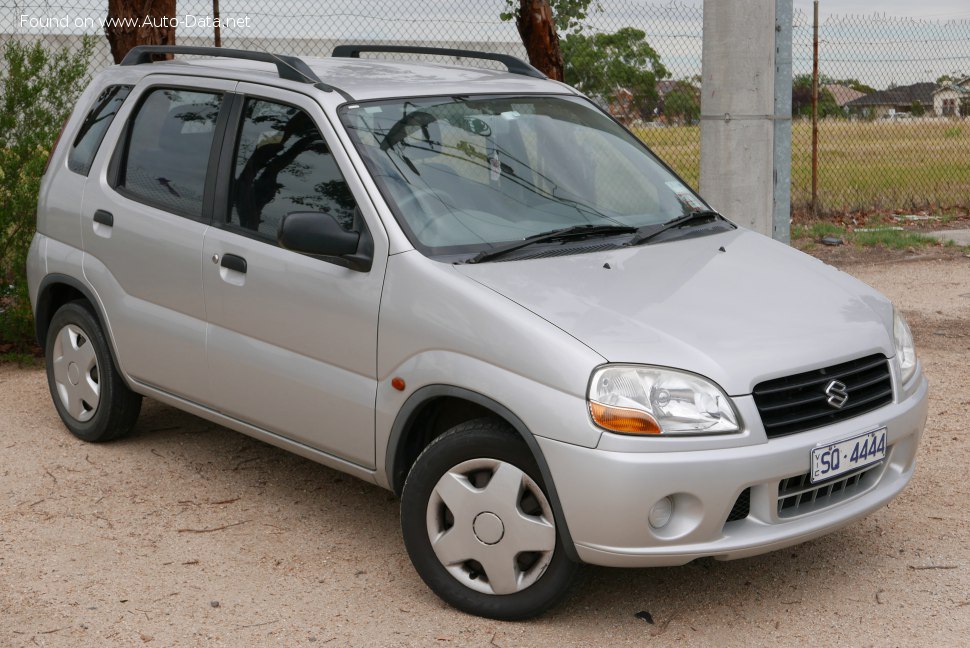
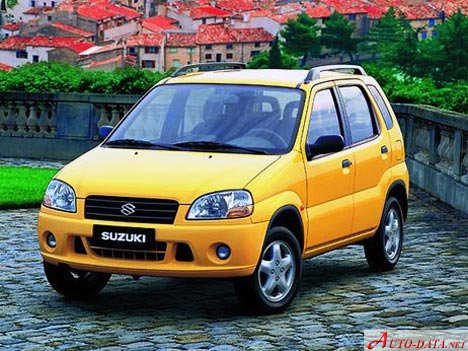
The first-generation Suzuki Ignis I FH adopted a design philosophy that prioritized practicality and a distinctive aesthetic. While the provided data lists its body type as “Sedan,” it’s crucial to clarify that the Ignis was predominantly marketed and recognized as a compact 3-door or 5-door hatchback, often with an elevated ride height that gave it a mini-SUV or crossover appeal. It is possible that “Sedan” refers to its classification within the broader compact car segment, or perhaps a niche three-box variant existed for specific, highly localized markets. However, the prevailing image and market presence of the Ignis I FH were those of a tall-boy hatchback, maximizing interior space within a minimal footprint.
Exterior Design and Stance
The exterior design of the Ignis I FH was characterized by its upright stance, short overhangs, and relatively large windows, contributing to excellent outward visibility – a significant advantage in urban environments. Its front fascia typically featured large headlights and a modest grille, giving it a friendly yet purposeful appearance. The body lines were clean and functional, eschewing overly complex styling cues in favor of a robust and enduring look. The elevated ride height, even on two-wheel-drive models, provided a psychological sense of security and practical benefits like easier ingress/egress and better clearance over speed bumps and minor obstacles. This blend of hatchback utility and SUV-like aspirations was a key differentiator in its segment.
Interior Functionality and Features
Inside, the Ignis I FH was designed with a focus on functionality and durability. The cabin, while not luxurious, was ergonomically laid out, with controls placed intuitively. Hard-wearing plastics and fabrics were used throughout, reflecting its role as an affordable, everyday vehicle. Despite its compact exterior dimensions, Suzuki engineers managed to carve out a surprisingly spacious interior, particularly for front-seat occupants. Rear passenger space was adequate for short to medium journeys, and the high roofline contributed to a sense of airiness.
Key features, depending on the trim level and market, would have included basic air conditioning, a rudimentary audio system (often a radio/CD player), power windows, and central locking. Safety features, while not as comprehensive as modern vehicles, typically included driver and passenger airbags and an Anti-lock Braking System (ABS) on higher trims or as optional extras. The rear seats often featured a 60/40 split-fold function, enhancing cargo versatility and allowing for larger items to be transported, further underscoring its practical nature. The overall interior design was straightforward, prioritizing ease of use and maintenance over opulent aesthetics, perfectly aligning with its target audience’s expectations.
Technical Specifications: Suzuki Ignis I FH 1.0 (55 Hp)
| Category | Specification |
|---|---|
| Brand | Suzuki |
| Model | Ignis |
| Generation | Ignis I FH |
| Engine Type | 1.0 (55 Hp) |
| Start of Production | 2000 year |
| End of Production | 2003 year |
| Powertrain Architecture | Internal Combustion Engine |
| Body Type | Sedan (Note: Commonly known as a 3/5-door hatchback/mini-SUV) |
| Fuel Type | Petrol (Gasoline) |
| Power | 55 Hp |
| Engine Aspiration | Naturally aspirated engine |
Legacy and Market Impact: The Suzuki Ignis I FH in Retrospect
The Suzuki Ignis I FH carved out a significant niche for itself in the highly competitive compact car markets of Europe and Asia during its production run from 2000 to 2003. Its legacy is one of a practical, reliable, and surprisingly versatile vehicle that offered a compelling alternative to more conventional hatchbacks. While it never achieved widespread recognition in the North American market, its influence was keenly felt in regions where compact dimensions, fuel efficiency, and a touch of ruggedness were highly valued.
Market Positioning and Competitors
In its primary markets, the Ignis I FH competed against a diverse array of compact cars. Key rivals included established players like the Toyota Yaris (Vitz), Honda Jazz (Fit), Ford Fiesta, Opel Corsa, and Volkswagen Polo. What set the Ignis apart was its unique blend of attributes: a compact size ideal for crowded city streets, a relatively high driving position that offered improved visibility and an SUV-like feel, and Suzuki’s reputation for building durable and dependable small engines.
The 1.0 (55 Hp) variant, in particular, was positioned at the entry-level, making it accessible to a broad demographic, including first-time car buyers and those prioritizing low running costs. Its affordability, combined with Suzuki’s strong dealer network in many regions, ensured a steady demand. The Ignis