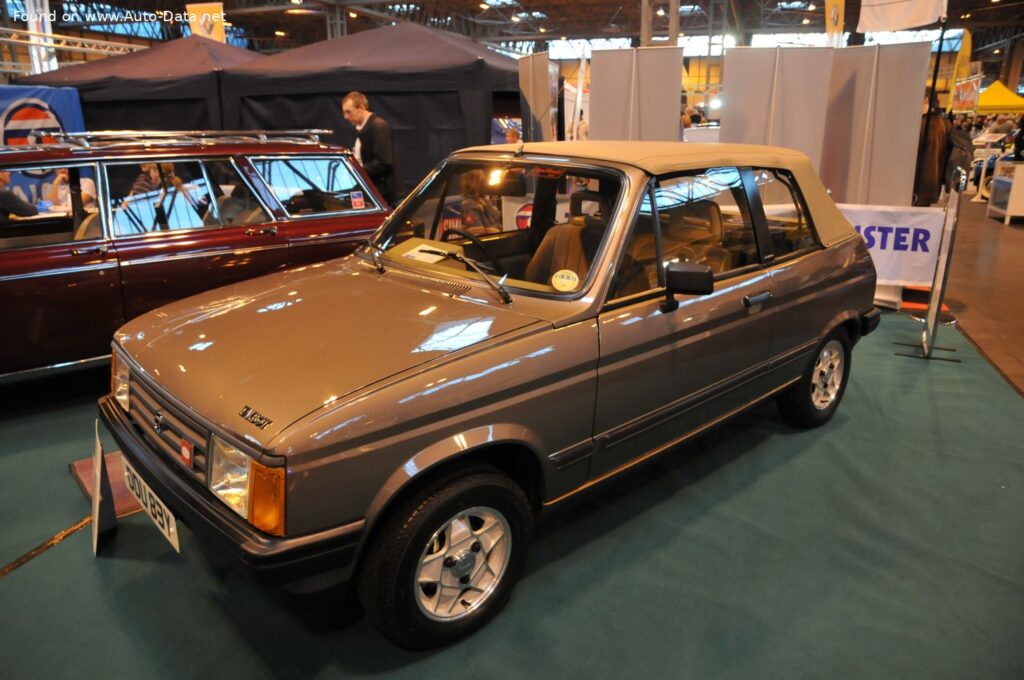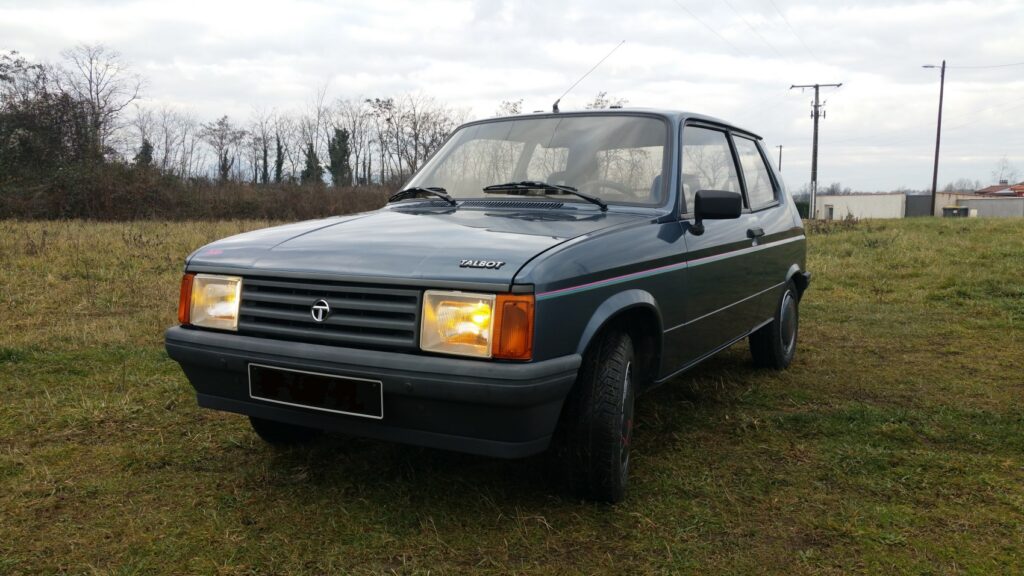
The Talbot Samba was a supermini car produced between 1981 and 1986, primarily for the European market. Developed as part of the joint venture between Peugeot and Simca (later Chrysler Europe, then Talbot), the Samba represented a significant effort to create a modern, economical, and stylish small car to compete with rivals like the Renault 5, Fiat Uno, and Volkswagen Polo. While never officially sold in the United States, the Samba provides a fascinating case study in 1980s European automotive design and engineering, reflecting the period’s focus on fuel efficiency and compact dimensions. The 1.1-liter version, producing 50 horsepower, was a mainstay of the Samba lineup, offering a balance between affordability and usability.
The Talbot Samba: A European Supermini
The Talbot name itself is a product of automotive history. Originally a British manufacturer of luxury cars, the name was revived by Chrysler Europe in 1977 to rebrand its Simca and Sunbeam models following Chrysler’s European operations being sold to Peugeot. The Samba, launched in 1981, was the first entirely new model to bear the Talbot badge. It was designed to replace the aging Simca 1100, offering a more contemporary and competitive package. The car was built in Poissy, France, and was available in three- and five-door hatchback configurations. The Samba aimed to appeal to a broad audience seeking a practical and economical city car, and it quickly gained popularity in several European countries.
Origins and Market Positioning
The Talbot Samba was conceived during a period of significant restructuring within the European automotive industry. Chrysler’s withdrawal from Europe left Peugeot with a challenging task: to revitalize the existing Chrysler Europe facilities and product lines. The Samba was a key part of this strategy, representing a fresh start and a commitment to producing competitive vehicles. Positioned in the supermini segment, the Samba targeted buyers looking for a small, affordable, and fuel-efficient car for urban driving. It competed directly with established players like the Renault 5, Peugeot 205 (launched shortly after the Samba), Fiat Uno, and Volkswagen Polo. The Samba’s relatively low price point and practical design made it an attractive option for first-time car buyers and families seeking a second vehicle.
Engine & Performance
The 1.1-liter Talbot Samba was powered by a naturally aspirated, inline-four cylinder petrol (gasoline) engine. This engine, designated as the Poissy engine, was a common powerplant in various Peugeot and Simca models of the era. Displacing 1,124 cc (68.6 cubic inches), the engine produced 50 horsepower at approximately 5,500 rpm and around 69 lb-ft of torque. While not a performance powerhouse, the engine provided adequate power for city driving and short trips. The Samba’s relatively lightweight construction – typically around 1,700 to 1,800 lbs (770-820 kg) – helped to maximize the available power.
Power was delivered to the front wheels through a four-speed manual transmission. A three-speed automatic transmission was also offered as an option, though it was less common. The Samba’s performance figures were modest by modern standards, with a 0-60 mph (0-97 km/h) time of around 14-16 seconds and a top speed of approximately 90 mph (145 km/h). However, fuel economy was a key selling point, with the 1.1-liter Samba achieving around 45-50 mpg (miles per gallon) in typical driving conditions. The engine’s simplicity and reliability contributed to its longevity and ease of maintenance.
Design & Features
The Talbot Samba featured a distinctive, angular design that was typical of early 1980s automotive styling. The hatchback body style offered practical access to the cargo area, and the relatively compact dimensions made it easy to maneuver in urban environments. The car’s exterior design was characterized by its sharp lines, small glass areas, and relatively upright stance. The Samba was available in a variety of colors, and several trim levels were offered, ranging from basic to more luxurious specifications.
Inside, the Samba offered a functional and straightforward interior. The dashboard layout was simple and easy to use, with clearly labeled controls. The seats were typically upholstered in cloth, and the interior trim was generally durable and practical. Safety features were relatively basic by modern standards, but the Samba did include features such as seat belts and a collapsible steering column. Later models incorporated improvements to body structure and safety equipment. The Samba’s interior space was adequate for a supermini, offering comfortable seating for four adults, although rear legroom was somewhat limited. The car’s practicality and affordability made it a popular choice for families and individuals seeking a reliable and economical mode of transportation.
Technical Specifications
| Brand | Talbot |
| Model | Samba |
| Generation | Samba (51A) |
| Type (Engine) | 1.1 (50 Hp) |
| Start of production | 1981 |
| End of production | 1986 |
| Powertrain Architecture | Internal Combustion engine |
| Body type | Hatchback |
| Fuel Type | Petrol (Gasoline) |
| Power | 50 Hp |
| Engine aspiration | Naturally aspirated engine |
The Talbot Samba, despite its relatively short production run, remains a significant vehicle in the history of European automotive design. It represented a concerted effort to create a modern and competitive supermini, and it played a role in the revitalization of the former Chrysler Europe operations under Peugeot ownership. While it never reached American shores, the Samba’s story offers a valuable insight into the automotive landscape of the 1980s and the challenges and opportunities faced by European manufacturers during that era.