The Tesla Model 3 P50, produced from 2017 to 2019, represents a pivotal moment in the adoption of electric vehicles. As the more affordable entry point into the Tesla lineup, the Model 3 aimed to democratize electric car ownership, bringing Tesla’s technology to a wider audience. The P50 variant, equipped with a 50 kWh battery pack, offered a compelling balance of range, performance, and price, establishing Tesla as a major player in the burgeoning EV market. It’s important to note that Tesla’s model naming conventions have evolved, and the P50 was a relatively early iteration, superseded by Long Range and Performance models with larger battery capacities and increased power.
Tesla Model 3 P50: A Detailed Overview
The Model 3 was Tesla’s first mass-market vehicle, designed to compete directly with established gasoline-powered sedans like the BMW 3 Series and Mercedes-Benz C-Class. Unlike previous Tesla models which catered to a luxury niche, the Model 3 was engineered for broader appeal, focusing on practicality, efficiency, and a minimalist aesthetic. The P50 trim level, while not the highest performing variant, provided a significant step up from traditional internal combustion engine vehicles in terms of acceleration and running costs. It served as a crucial stepping stone in proving the viability of electric vehicles for everyday use.
Engine & Performance
The Tesla Model 3 P50 is powered by a single electric motor driving the rear wheels. This configuration delivers 261 horsepower (Hp) and instant torque, characteristic of electric powertrains. The absence of a multi-gear transmission is typical of electric vehicles; a single-speed gearbox efficiently transfers power from the motor to the wheels. This simplicity contributes to the vehicle’s smooth and responsive driving experience. Acceleration from 0 to 60 mph is achieved in approximately 5.5 seconds, a figure that was competitive with many sports sedans of the time. The 0-100 km/h sprint takes 5.8 seconds, and the car boasts a maximum speed of 129.87 mph (209 km/h). The weight-to-power ratio of 6.2 kg/Hp, or 162.1 Hp/tonne, further highlights the vehicle’s performance capabilities.
The 50 kWh battery pack provides an all-electric range of approximately 219.97 miles (354 km) on a full charge. Energy consumption is rated at 14.1 kWh per 100 km (22.69 kWh per 100 miles), translating to an MPGe (miles per gallon equivalent) of 149. This efficiency is a key advantage of electric vehicles, reducing running costs and minimizing environmental impact. The vehicle’s energy consumption also equates to 7.1 km/kWh or 4.4 mi/kWh.
Design & Features
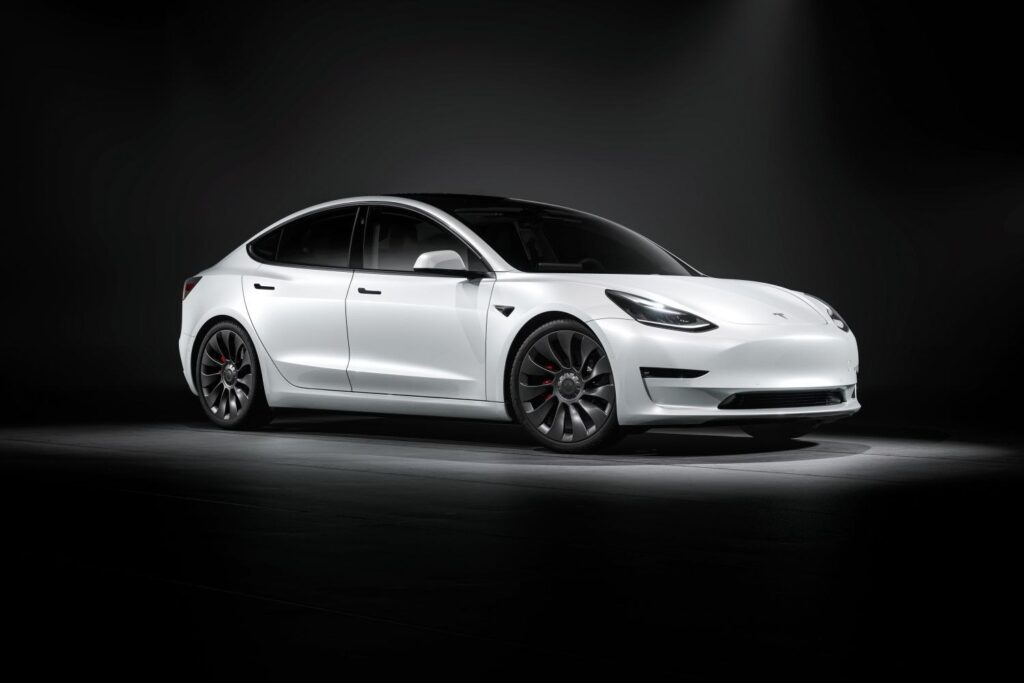
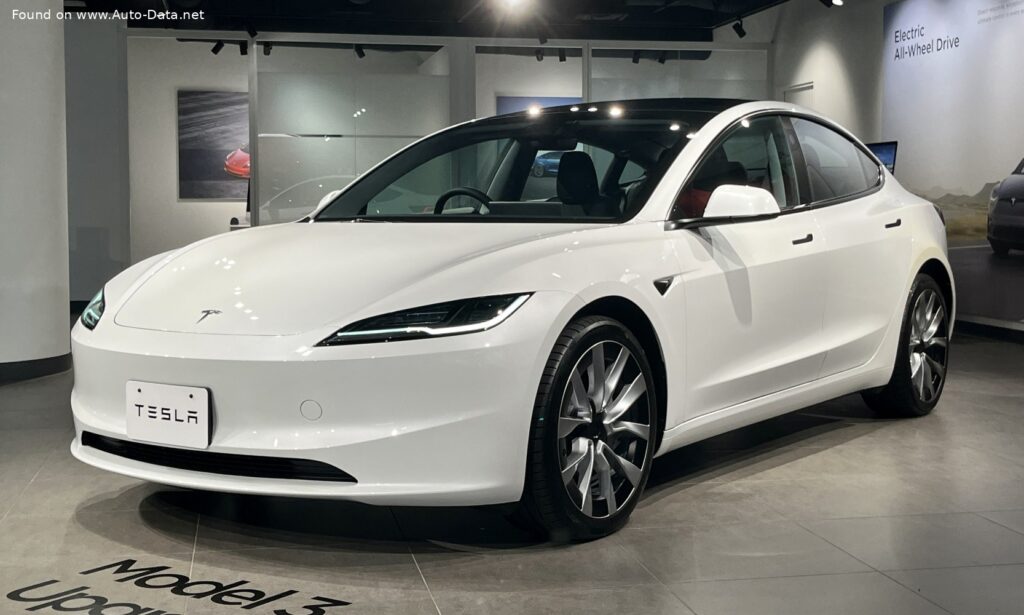
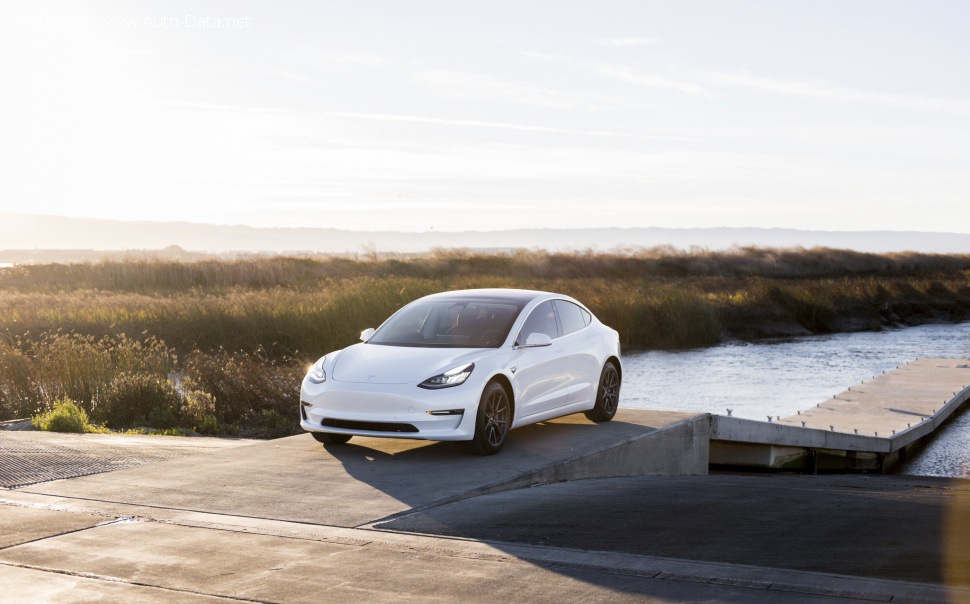
The Tesla Model 3 features a sleek, minimalist design characterized by its fastback silhouette and clean lines. The body style is classified as a sedan/fastback, offering a blend of practicality and aesthetic appeal. The vehicle accommodates five passengers comfortably and provides 15.01 cubic feet (425 liters) of trunk space. The interior is equally minimalist, dominated by a large central touchscreen that controls most vehicle functions. This touchscreen interface replaced traditional physical buttons and knobs, contributing to the car’s modern and uncluttered aesthetic.
Safety features were a priority in the Model 3’s design. The vehicle is equipped with ABS (Anti-lock Braking System) and utilizes ventilated discs for the front brakes and discs for the rear brakes. The electric steering system provides precise and responsive handling. The Model 3 also incorporates advanced driver-assistance systems, although the specific features available in the P50 variant may differ from later models. These systems were designed to enhance safety and convenience, paving the way for Tesla’s Autopilot technology.
Technical Specifications
| Brand | Tesla |
| Model | Model 3 |
| Generation | Model 3 |
| Type (Engine) | P50 50 kWh (261 Hp) Automatic |
| Start of production | 2017 |
| End of production | 2019 |
| Powertrain Architecture | BEV (Electric Vehicle) |
| Body type | Sedan, Fastback |
| Seats | 5 |
| Doors | 4 |
| Fuel Type | Electricity |
| Acceleration 0 – 100 km/h | 5.8 sec |
| Acceleration 0 – 62 mph | 5.8 sec |
| Acceleration 0 – 60 mph | 5.5 sec |
| Maximum speed | 129.87 mph (209 km/h) |
| Weight-to-power ratio | 6.2 kg/Hp, 162.1 Hp/tonne |
| Gross battery capacity | 50 kWh |
| All-electric range | 219.97 mi (354 km) |
| Average Energy consumption | 14.1 kWh/100 km, 22.69 kWh/100 mi, 149 MPGe, 7.1 km/kWh, 4.4 mi/kWh |
| Electric motor power | 261 Hp |
| System power | 261 Hp |
| Kerb Weight | 3549.44 lbs (1610 kg) |
| Trunk (boot) space – minimum | 15.01 cu. ft. (425 l) |
| Length | 184.8 in (4694 mm) |
| Width with mirrors folded | 76.1 in (1933 mm) |
| Width including mirrors | 82.2 in (2088 mm) |
| Height | 56.81 in (1443 mm) |
| Wheelbase | 113.19 in (2875 mm) |
| Front track | 62.2 in (1580 mm) |
| Rear (Back) track | 62.2 in (1580 mm) |
| Ride height (ground clearance) | 5.51 in (140 mm) |
| Drag coefficient (Cd) | 0.23 |
| Drive wheel | Rear wheel drive |
| Number of gears and type of gearbox | 1 gears, automatic transmission |
| Front brakes | Ventilated discs |
| Rear brakes | Disc |
| Assisting systems | ABS (Anti-lock braking system) |
| Steering type | Steering rack and pinion |
| Power steering | Electric Steering |
The Tesla Model 3 P50, despite being an early iteration, played a crucial role in accelerating the adoption of electric vehicles. Its combination of performance, range, and affordability made it a compelling alternative to traditional gasoline-powered cars, and it laid the foundation for Tesla’s continued success in the EV market. While superseded by newer models with improved specifications, the P50 remains a significant vehicle in the history of electric transportation.