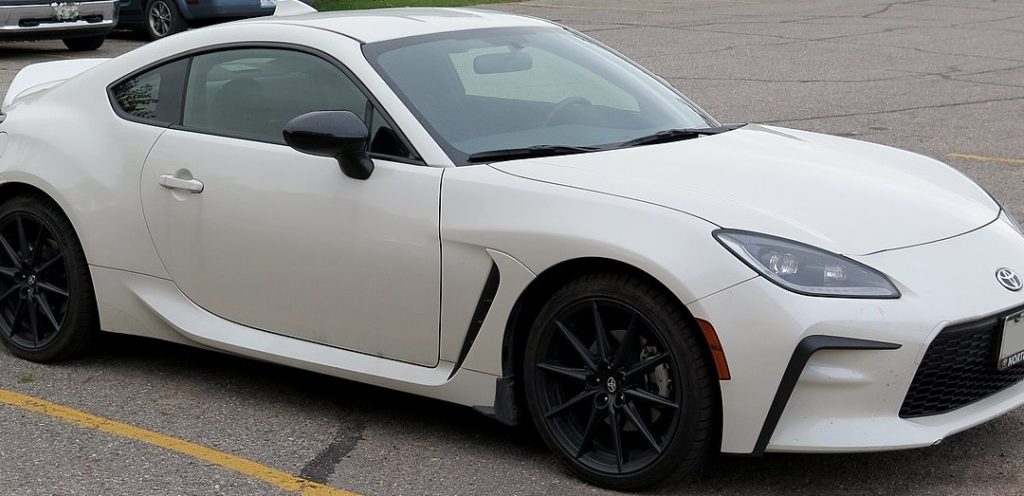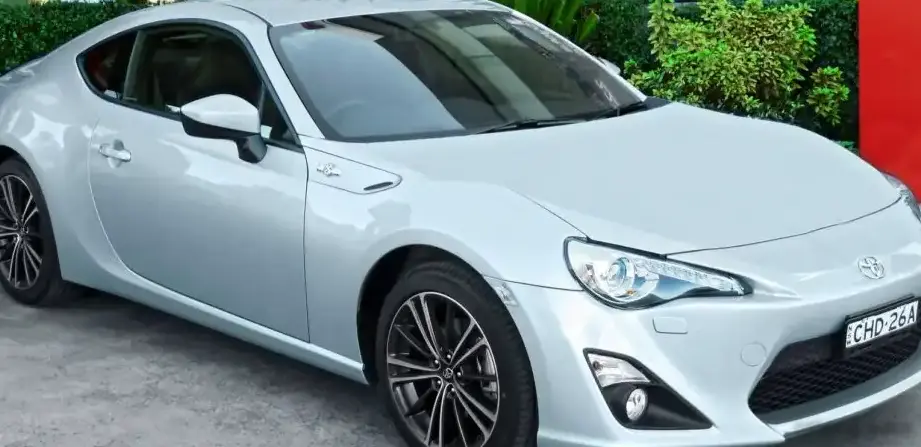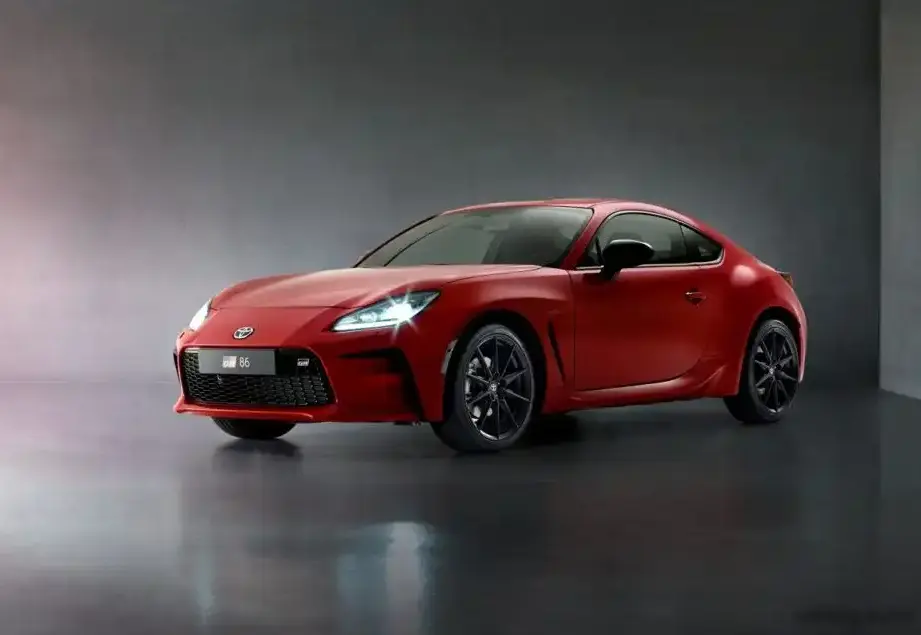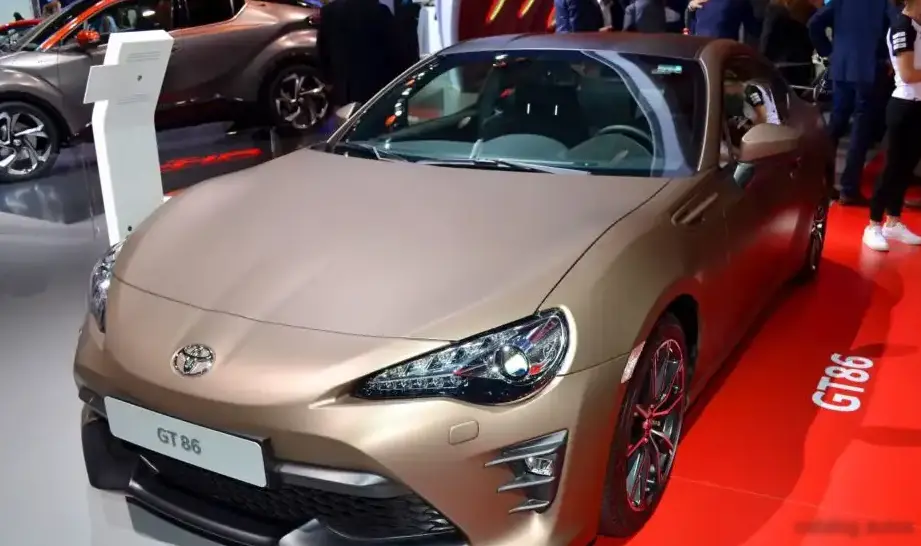
The Toyota 86, known as the Scion FR-S in the North American market during its initial launch (2013-2016), and subsequently reverting to the Toyota 86 nameplate, represented a deliberate return to the roots of affordable, rear-wheel-drive sports cars. The facelifted first generation, produced from 2016 through April 2021, saw refinements to styling, handling, and powertrain. The GT 2.0 variant with the six-speed automatic transmission, producing 200 horsepower, occupied a middle ground in the 86 lineup, offering a balance between performance and ease of use. It aimed to broaden the car’s appeal beyond the purist, manual-transmission enthusiast.
Technical Specifications
| Brand | Toyota |
| Model | 86 |
| Generation | 86 I (facelift 2016) |
| Type (Engine) | GT 2.0 (200 Hp) Automatic |
| Start of production | 2016 |
| End of production | April, 2021 |
| Powertrain Architecture | Internal Combustion engine |
| Body type | Coupe |
| Seats | 4 |
| Doors | 2 |
| Fuel consumption (urban) | 9.8 l/100 km (24 US mpg, 28.8 UK mpg, 10.2 km/l) |
| Fuel consumption (extra urban) | 7.4 l/100 km (31.8 US mpg, 38.2 UK mpg, 13.5 km/l) |
| Fuel consumption (combined) | 8.7 l/100 km (27 US mpg, 32.5 UK mpg, 11.5 km/l) |
| Fuel Type | Petrol (Gasoline) |
| Weight-to-power ratio | 6.3 kg/Hp, 158.9 Hp/tonne |
| Weight-to-torque ratio | 6.1 kg/Nm, 162.8 Nm/tonne |
| Power | 200 Hp @ 7000 rpm |
| Power per litre | 100.1 Hp/l |
| Torque | 205 Nm @ 6400-6600 rpm (151.2 lb.-ft. @ 6400-6600 rpm) |
| Engine layout | Front, Longitudinal |
| Engine Model/Code | FA20 |
| Engine displacement | 1998 cm3 (121.93 cu. in.) |
| Number of cylinders | 4 |
| Engine configuration | Boxer |
| Cylinder Bore | 86 mm (3.39 in.) |
| Piston Stroke | 86 mm (3.39 in.) |
| Compression ratio | 12.5:1 |
| Number of valves per cylinder | 4 |
| Fuel injection system | Direct injection |
| Engine aspiration | Naturally aspirated engine |
| Valvetrain | DOHC, DVVT |
| Engine oil capacity | 5.4 l (5.71 US qt | 4.75 UK qt) |
| Coolant | 7.5 l (7.93 US qt | 6.6 UK qt) |
| Kerb Weight | 1259 kg (2775.62 lbs.) |
| Max. weight | 1670 kg (3681.72 lbs.) |
| Max load | 411 kg (906.1 lbs.) |
| Trunk (boot) space – minimum | 195 l (6.89 cu. ft.) |
| Fuel tank capacity | 50 l (13.21 US gal | 11 UK gal) |
| Length | 4234 mm (166.69 in.) |
| Width | 1775 mm (69.88 in.) |
| Height | 1285 mm (50.59 in.) |
| Wheelbase | 2570 mm (101.18 in.) |
| Front track | 1519 mm (59.8 in.) |
| Rear (Back) track | 1539 mm (60.59 in.) |
| Ride height (ground clearance) | 124 mm (4.88 in.) |
| Drag coefficient (Cd) | 0.27 |
| Minimum turning circle (turning diameter) | 11.0 m (36.09 ft.) |
| Drivetrain Architecture | Rear wheel drive |
| Drive wheel | Rear wheel drive |
| Number of gears and type of gearbox | 6 gears, automatic transmission ECT-i |
| Front suspension | Independent, type McPherson with coil spring and anti-roll bar |
| Rear suspension | Double wishbone |
| Front brakes | Ventilated discs, 294×24 mm |
| Rear brakes | Ventilated discs, 290×18 mm |
| Assisting systems | ABS (Anti-lock braking system) |
| Steering type | Steering rack and pinion |
| Power steering | Electric Steering |
| Tires size | 215/45 R17 |
| Wheel rims size | 7J x 17 |
INTRODUCTION
The 2016 facelift of the Toyota 86 (and Scion FR-S) brought subtle but important changes to the original platform – the A86 chassis. These updates included revised front and rear styling, suspension tuning improvements, and a slight power increase for the 2.0-liter engine. The GT 2.0 Automatic model was positioned as a more accessible entry point into the 86 experience, appealing to drivers who preferred the convenience of an automatic transmission over the more engaging, but potentially less forgiving, six-speed manual. It was intended to broaden the car’s customer base without sacrificing the core rear-wheel-drive fun that defined the model.
Powertrain & Engine Architecture
At the heart of the 86 GT 2.0 Automatic lies the FA20 2.0-liter naturally aspirated boxer-four engine. This engine, co-developed with Subaru, is notable for its horizontally opposed cylinder configuration, which contributes to a low center of gravity, enhancing handling. The FA20 utilizes direct injection and dual variable valve timing (DVVT) to optimize performance and efficiency. The 2016 facelift saw a slight increase in horsepower to 200 hp, achieved through revisions to the intake and exhaust systems. The engine’s torque output remained at 151.2 lb.-ft. The six-speed automatic transmission, designated ECT-i (Electronically Controlled Transmission – intelligent), was designed to provide smooth and responsive shifts. It featured adaptive learning, adjusting shift patterns based on driving style. Unlike some modern automatics, the ECT-i lacked paddle shifters, focusing on a more conventional automatic experience.
Driving Characteristics
The 86 GT 2.0 Automatic offered a distinct driving experience compared to its manual counterpart and higher-output variants. While the automatic transmission provided convenience, it did slightly diminish the sense of direct control favored by enthusiasts. The ECT-i transmission was programmed for fuel efficiency and smooth operation, resulting in slightly less aggressive shift points than a manual transmission. The gear ratios were optimized for everyday driving, prioritizing acceleration in the lower gears and comfortable cruising at highway speeds. Compared to the manual, the automatic version felt a bit less eager to rev, and the overall driving experience was more relaxed. However, the rear-wheel-drive layout still provided a playful and engaging feel, especially when navigating winding roads.
Equipment & Trim Levels
The 86 GT 2.0 Automatic came standard with a respectable array of features. Interior appointments included sport seats upholstered in a combination of cloth and synthetic leather, a leather-wrapped steering wheel with integrated audio controls, and a 7-inch touchscreen infotainment system with Bluetooth connectivity. Standard safety features included ABS, stability control, and multiple airbags. Optional extras included a premium audio system, keyless entry, and a rear spoiler. The overall interior design was functional and driver-focused, with a minimalist aesthetic.
Chassis & Braking
The 86’s chassis was designed to prioritize handling and balance. The front suspension utilized a McPherson strut setup with coil springs and an anti-roll bar, while the rear employed a double wishbone configuration. The facelifted model benefited from revised suspension tuning, resulting in improved ride quality and reduced body roll. Braking duties were handled by ventilated disc brakes on all four wheels, providing adequate stopping power for the car’s weight and performance. The front discs measured 294x24mm, while the rear discs were 290x18mm. ABS was standard, enhancing braking performance in emergency situations.
Market Reception & Comparison
Critics generally praised the 86 for its engaging driving dynamics and affordable price point. However, the automatic transmission received mixed reviews. Some reviewers found it to be smooth and convenient, while others criticized its lack of responsiveness and the absence of paddle shifters. Compared to the manual version, the automatic offered slightly lower fuel economy. Against competitors like the Mazda MX-5 Miata, the 86 offered a more practical coupe body style with a usable rear seat (albeit small), while the Miata prioritized pure roadster enjoyment. The 86 also differed from other sports cars in its segment by offering a naturally aspirated engine, eschewing the trend towards turbocharged powerplants.
Legacy
The Toyota 86, particularly the 2.0-liter variants, has gained a loyal following among enthusiasts. The FA20 engine is known for its reliability and tunability, making it a popular choice for modifications. While the automatic transmission isn’t as highly regarded as the manual, it remains a viable option for drivers seeking a more relaxed driving experience. On the used car market, the 86 GT 2.0 Automatic holds its value reasonably well, particularly well-maintained examples with low mileage. The 86’s impact extends beyond its sales figures; it helped revive the affordable rear-wheel-drive sports car segment and inspired a new generation of driving enthusiasts.