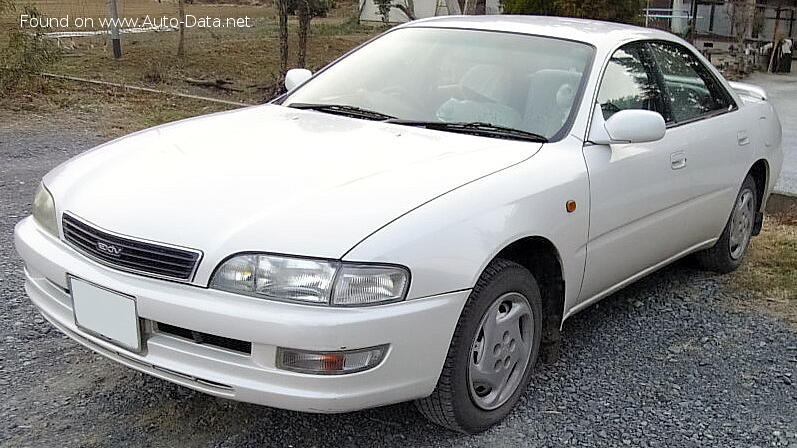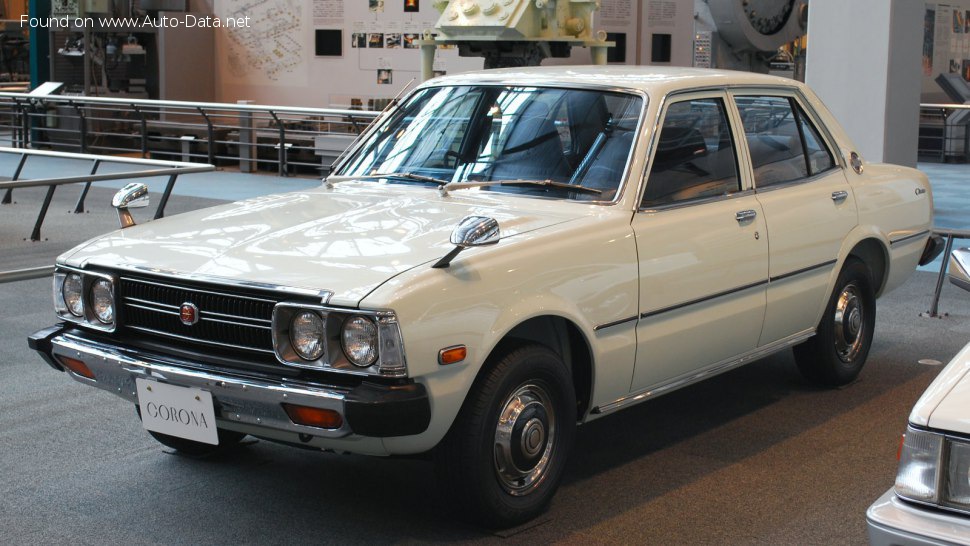
Introduction to the Toyota Corona (RX,RT) 2.0 Mark II (RX22)
The Toyota Corona (RX,RT) 2.0 Mark II (RX22) represents a significant chapter in Toyota’s history, serving as a pivotal model in the brand’s expansion into the global mid-size vehicle segment. Introduced in 1973 as part of the X10/X20 series, this generation of the Mark II, often referred to as the “Corona Mark II” in various markets, was strategically positioned above the standard Corona but below the more premium Crown. It aimed to offer a more sophisticated and spacious option for consumers seeking greater comfort and features than the compact segment provided, without venturing into luxury territory.
During its production run from 1973 to 1977, the RX22 variant, specifically equipped with the 2.0-liter engine, became a popular choice for families and business professionals in Japan and key export markets. This era was marked by a growing global demand for reliable, fuel-efficient (by contemporary standards), and well-built automobiles, a demand Toyota was expertly positioned to meet. The Corona Mark II series, including the RX22, played a crucial role in cementing Toyota’s reputation for durability and value, laying groundwork for its future success as a global automotive powerhouse. While not as widely recognized in the United States under the “Corona Mark II” moniker, its mechanical underpinnings and design ethos influenced models that did find their way to American shores, showcasing Toyota’s consistent engineering philosophy across its product lines.
Engine and Performance of the Toyota Corona (RX,RT) 2.0 Mark II (RX22)
At the heart of the Toyota Corona (RX,RT) 2.0 Mark II (RX22) was its robust and dependable 18R engine. This 2.0-liter, naturally aspirated inline-four cylinder gasoline unit was a workhorse for Toyota during the 1970s, found in various models across its lineup, a testament to its reliability and proven design. The engine produced a modest but entirely adequate 88 horsepower, a figure that, while appearing modest by modern standards, was competitive and entirely suitable for the vehicle’s intended purpose during its production period.
The 18R engine was renowned for its smooth operation and longevity, attributes highly valued by consumers of the era. Its naturally aspirated design meant fewer complex components, contributing to easier maintenance and a lower cost of ownership. Power delivery was linear and predictable, making the Mark II a comfortable and manageable car for daily driving, whether navigating urban streets or cruising on highways. The engine’s design prioritized durability and efficiency over outright performance, a sensible approach given the global oil crises of the 1970s which profoundly influenced automotive engineering and consumer preferences. The vehicle’s powertrain architecture was a straightforward internal combustion engine, reflecting the prevailing technology of the time. This simple yet effective setup ensured that the RX22 offered a reliable and economical mode of transport, characteristics that became synonymous with the Toyota brand worldwide.
Maintaining the 18R engine was also relatively straightforward. It required 5 liters (approximately 5.28 US quarts) of engine oil, a standard capacity for a four-cylinder engine of its size. The cooling system held 8.2 liters (approximately 8.66 US quarts) of coolant, ensuring efficient temperature regulation even under varying driving conditions. These practical specifications further underscored the Mark II’s design as a user-friendly and dependable vehicle, designed for the average motorist seeking trouble-free ownership.
Design and Features of the Toyota Corona (RX,RT) 2.0 Mark II (RX22)
The Toyota Corona (RX,RT) 2.0 Mark II (RX22) embodied the prevailing automotive design aesthetics of the early to mid-1970s. As a four-door sedan, its body style was characterized by clean, relatively straight lines and a functional, somewhat conservative appearance. This design philosophy prioritized interior space, visibility, and ease of manufacturing over aggressive styling cues. The RX22’s proportions were balanced, conveying an impression of solidity and dependability, aligning perfectly with Toyota’s brand image.
The exterior featured chrome accents around the grille, window frames, and bumpers, a common styling element of the era that added a touch of perceived upscale quality. The headlights were typically rectangular, integrated into a wide front fascia that contributed to a substantial road presence. The overall design was understated but elegant, allowing the Mark II to fit comfortably into various environments, from bustling cityscapes to suburban driveways.
Inside, the Mark II offered a practical and comfortable cabin designed for long-term durability. Seating was typically upholstered in durable cloth or vinyl, engineered to withstand years of use. The dashboard layout was straightforward, with clearly legible analog gauges and logically placed controls, reflecting an emphasis on ergonomics and driver convenience. While luxury features were not its primary focus, models could be optioned with amenities like air conditioning, an AM/FM radio, and power steering, which were considered significant comfort and convenience upgrades at the time. Safety features, consistent with 1970s standards, included three-point seatbelts, a robust chassis, and a well-engineered crumple zone design for its era. The four-door sedan configuration ensured easy access for all passengers and provided a spacious trunk, making it a highly practical vehicle for families and daily commuting. The focus on practicality, combined with Toyota’s renowned build quality, ensured that many of these vehicles provided reliable service for decades.
Technical Specifications
| Category | Specification |
|---|---|
| Brand | Toyota |
| Model | Corona |
| Generation | Corona (RX,RT) |
| Type (Engine) | 2.0 Mark II (RX22) (88 Hp) |
| Start of Production | 1973 year |
| End of Production | 1977 year |
| Powertrain Architecture | Internal Combustion engine |
| Body Type | Sedan |
| Doors | 4 |
| Fuel Type | Petrol (Gasoline) |
| Power | 88 Hp |
| Engine Model/Code | 18R |
| Engine Aspiration | Naturally aspirated engine |
| Engine Oil Capacity | 5 l (5.28 US qt | 4.4 UK qt) |
| Coolant Capacity | 8.2 l (8.66 US qt | 7.21 UK qt) |
Legacy and Market Impact of the Toyota Corona (RX,RT) 2.0 Mark II (RX22)
The Toyota Corona (RX,RT) 2.0 Mark II (RX22) carved out a significant legacy for Toyota, particularly in its home market of Japan and across various Asian and Oceanic regions. It solidified Toyota’s position as a leader in producing reliable, well-engineered, and value-oriented mid-size vehicles. The Mark II, in its various iterations, was instrumental in bridging the gap between the more utilitarian Corona and the larger, more luxurious Crown, offering a compelling blend of practicality, comfort, and aspirational appeal.
During its production years from 1973 to 1977, the RX22 faced stiff competition, especially in Japan, from domestic rivals such as the Nissan Laurel, Mitsubishi Galant, and Mazda Luce. These vehicles all vied for market share in the burgeoning mid-size segment, a category that was becoming increasingly important as economies grew and consumers sought more sophisticated personal transportation. Toyota’s strength lay in its unwavering commitment to quality control and reliability, which often gave the Mark II an edge in terms of long-term ownership and resale value.
The impact of the 1970s oil crises cannot be overstated in understanding the Mark II’s success. As fuel prices soared, consumers increasingly prioritized fuel efficiency and running costs. While the 2.0-liter 18R engine was not a fuel miser by today’s standards, it was considered reasonably efficient for its class and era. Its robust construction and ease of maintenance further underscored its economic appeal, making it a sensible choice for budget-conscious buyers during a period of economic uncertainty.
Globally, the Corona Mark II helped establish Toyota’s reputation for building durable vehicles that could withstand diverse climates and road conditions. While the “Mark II” badging was sometimes dropped or altered for certain export markets (often sold simply as a Corona or Cressida in later generations), the underlying engineering and design principles of the RX22 contributed to Toyota’s growing international presence. It demonstrated Toyota’s capability to design and manufacture vehicles that resonated with a wide audience, contributing to the brand’s eventual dominance in numerous automotive markets. The enduring reliability of these cars meant that many continued to operate well into the 1980s and even 1990s, becoming a common sight and a testament to their inherent quality. Today, surviving examples of the RX22 are cherished by enthusiasts for their classic Japanese styling, mechanical simplicity, and historical significance as a cornerstone of Toyota’s mid-size vehicle heritage.