The Toyota Cressida Wagon (RX3): A Global Mid-Size Contender
The Toyota Cressida, known as the Mark II in Japan and other markets, represented Toyota’s foray into the executive mid-size segment, offering a blend of reliability, comfort, and practicality. The focus of this analysis is the Toyota Cressida Wagon (RX3), specifically the 2.0 (RX35) variant equipped with a 90 horsepower engine, produced between 1976 and 1980. This generation, part of the X30 series, marked a significant step forward for Toyota in establishing its presence in the global automotive landscape, particularly in markets like North America and Australia, where its blend of Japanese engineering and more Americanized styling resonated with consumers. The wagon variant, in particular, catered to families and individuals seeking the renowned Toyota dependability coupled with enhanced cargo capacity, positioning it as a sensible alternative to larger domestic station wagons.
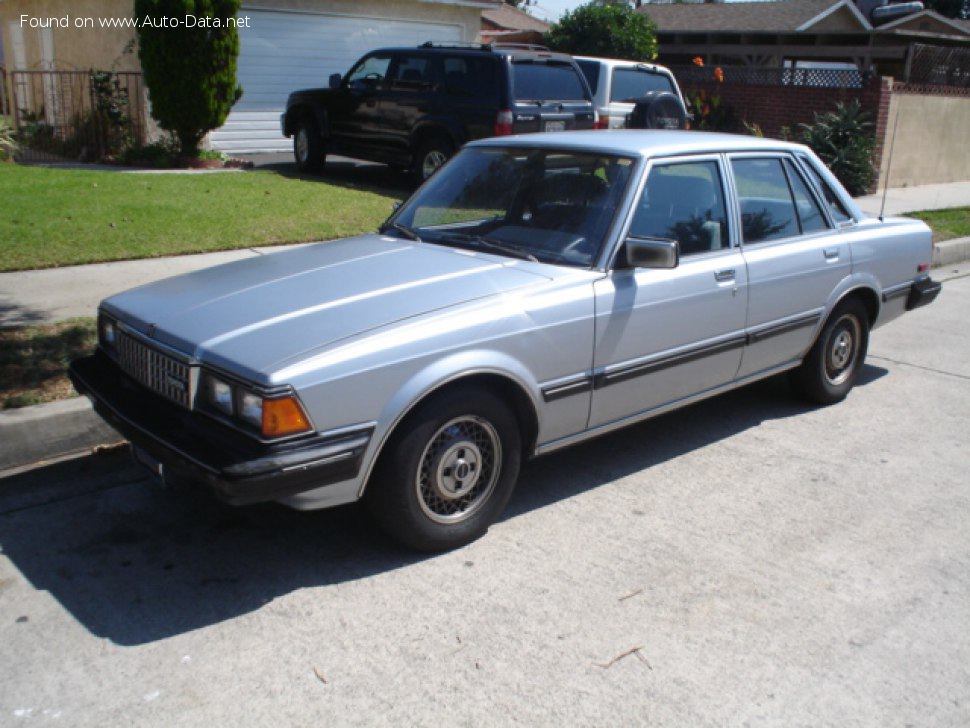
The Cressida line, including the RX3 generation, was built on the foundation of the Toyota Corona Mark II, evolving into a distinct model that offered a more refined driving experience and a higher level of standard features. The RX3 generation saw the Cressida adopt a more squared-off, contemporary design language compared to its predecessors, reflecting the trends of the late 1970s. While not a high-performance vehicle, the Toyota Cressida Wagon (RX3) 2.0 (RX35) delivered a competent and economical package, emphasizing durability and ease of maintenance – hallmarks that would define Toyota for decades to come.
Engine and Performance: The Dependable 18R Powertrain
At the heart of the Toyota Cressida Wagon (RX3) 2.0 (RX35) lay the venerable Toyota 18R engine. This inline four-cylinder, naturally aspirated petrol (gasoline) unit was a workhorse for Toyota during this era, renowned for its robustness and straightforward design. With a displacement of 2.0 liters, the 18R engine in this configuration produced a modest but entirely adequate 90 horsepower. While 90 HP might seem conservative by today’s standards, it was perfectly respectable for a family station wagon in the late 1970s, designed for daily commuting, highway cruising, and hauling duties rather than spirited driving.
The naturally aspirated design meant predictable power delivery and fewer complex components, contributing to the engine’s legendary reliability. Its robust construction allowed it to endure hundreds of thousands of miles with proper maintenance, a characteristic that endeared many Toyota owners to the brand. Fueling the engine with standard petrol (gasoline), the 18R was engineered for practicality and economy, fitting squarely into the automotive climate of the post-oil crisis era where efficiency was becoming an increasingly important consideration for car buyers. The engine oil capacity of 5 liters (5.28 US quarts) and a coolant capacity of 8.2 liters (8.66 US quarts) were standard for vehicles of its size and era, indicating a conventional and easily serviceable powertrain layout. The 18R engine, despite its humble output, was a testament to Toyota’s engineering philosophy of building durable, dependable machines that offered long-term value to their owners.
Design and Features: Practicality Meets Late-70s Style
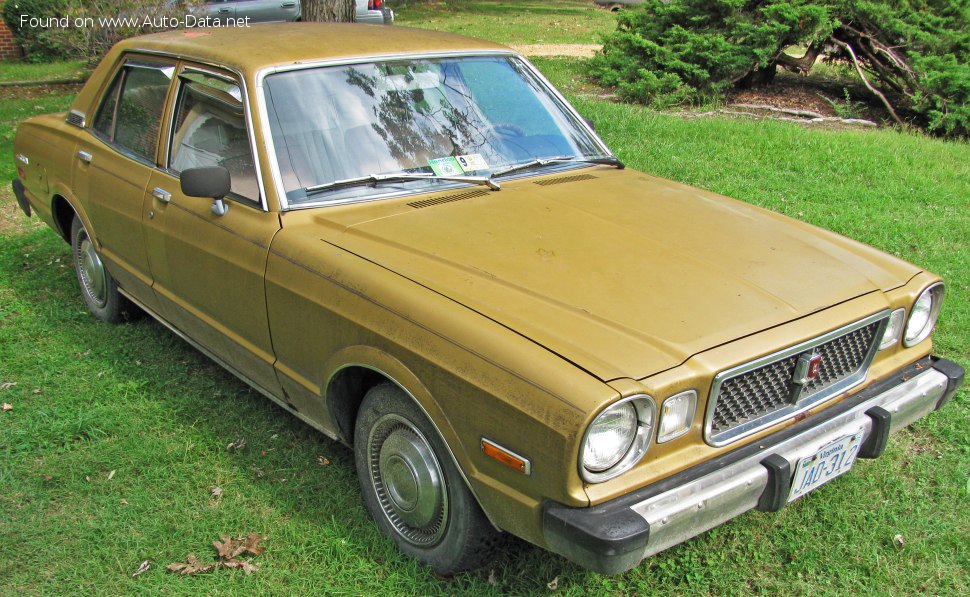
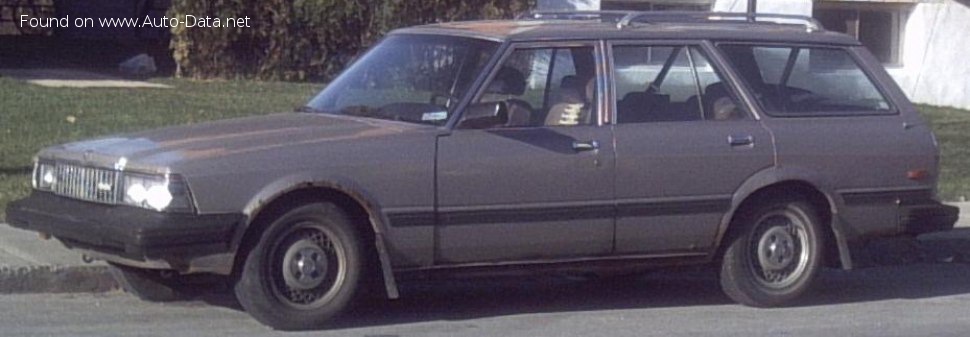
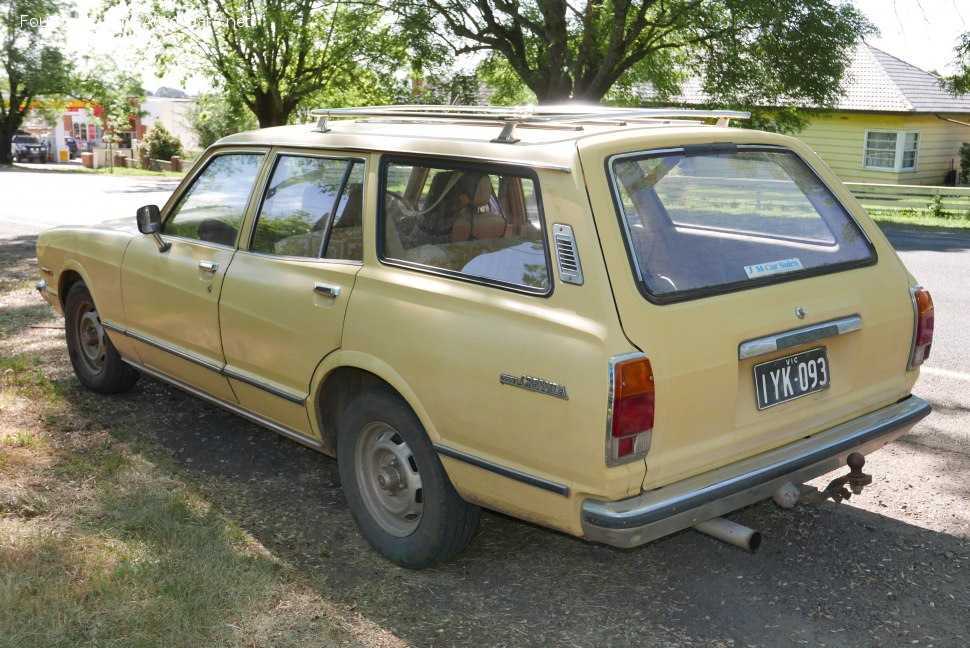
The design of the Toyota Cressida Wagon (RX3) was a clear reflection of late 1970s automotive aesthetics: functional, relatively conservative, but with an emphasis on build quality and practicality. As a 5-door station wagon (often referred to as an “estate” in other markets), its primary design goal was to maximize utility. The body featured a somewhat boxy, angular profile, which was typical for the era, but this also contributed to excellent interior space and a cavernous cargo area when the rear seats were folded down. The overall stance was solid and understated, conveying a sense of reliability rather than overt flashiness.
The RX3 generation of the Cressida adopted a more substantial grille and revised lighting designs compared to its predecessors, giving it a more mature and upscale appearance. The wagon variant specifically benefited from large rear windows, enhancing visibility and contributing to a brighter interior. Inside, the Cressida Wagon offered seating for five occupants, with an emphasis on comfort and durability. While features like power windows and advanced infotainment systems were still luxuries largely confined to high-end vehicles or were yet to be invented, the Cressida typically came equipped with a robust heating and ventilation system, AM/FM radio, and comfortable cloth or vinyl upholstery designed to withstand years of family use. Safety features, typical for the time, included three-point seatbelts for front occupants and lap belts for rear passengers, along with a sturdy body structure. Toyota’s attention to detail, even in a practical wagon, meant a well-assembled interior with controls that were logically placed and easy to operate, contributing to a pleasant and straightforward driving experience.
Technical Specifications
The following table provides a detailed overview of the technical specifications for the Toyota Cressida Wagon (RX3) 2.0 (RX35) (90 Hp) model:
| Category | Specification |
|---|---|
| General Information | |
| Brand | Toyota |
| Model | Cressida |
| Generation | Cressida Wagon (RX3) |
| Type (Engine) | 2.0 (RX35) (90 Hp) |
| Start of Production | 1976 year |
| End of Production | 1980 year |
| Powertrain Architecture | Internal Combustion engine |
| Body type | Station wagon (estate) |
| Seats | 5 |
| Doors | 5 |
| Performance Specs | |
| Fuel Type | Petrol (Gasoline) |
| Power | 90 Hp |
| Engine Model/Code | 18R |
| Engine Aspiration | Naturally aspirated engine |
| Engine Oil Capacity | 5 l (5.28 US qt) |
| Coolant Capacity | 8.2 l (8.66 US qt) |
Legacy and Market Impact
The Toyota Cressida Wagon (RX3), along with its sedan counterparts, played a pivotal role in solidifying Toyota’s reputation in key international markets, including the United States. While not a volume seller on the scale of a Corolla or Camry, the Cressida was significant because it demonstrated Toyota’s capability to produce a more sophisticated, comfortable, and reliable mid-size vehicle that could compete with both domestic and European offerings. In the US market, it was positioned above the Corona but below the larger Crown (which was eventually phased out), serving as Toyota’s flagship sedan and wagon for a period.
Competitors in its segment varied by market, but in North America, the Cressida Wagon faced rivals such as the Datsun 810 (later Maxima) wagon, and to some extent, smaller wagons from American manufacturers like the Ford Fairmont or Chevrolet Malibu. However, the Cressida often stood out due to its superior build quality, meticulous engineering, and the burgeoning reputation for bulletproof reliability that Toyota was quickly building. While American wagons often emphasized sheer size or V8 power, the Cressida offered a more refined, fuel-efficient (for the time), and meticulously assembled package.
The historical significance of the Cressida Wagon (RX3) lies in its contribution to Toyota’s gradual ascent in the premium segments. It proved that a Japanese manufacturer could build a car that not only offered exceptional reliability but also a comfortable ride, decent amenities, and a practical body style suitable for families. Its long-term durability meant many Cressidas remained on the road for decades, cementing Toyota’s image as a brand synonymous with longevity and low cost of ownership. The RX3 generation, with its sturdy 18R engine and utilitarian wagon body, embodied the practical excellence that many consumers came to expect from Toyota, paving the way for future successful models in the mid-size and luxury segments.
Today, well-preserved examples of the Cressida Wagon (RX3) are appreciated by enthusiasts for their classic 70s styling, straightforward mechanics, and the nostalgic appeal of a bygone era of Japanese automotive engineering. It remains a testament to Toyota’s foundational principles of quality, durability, and reliability, which continue to drive the brand’s success worldwide.