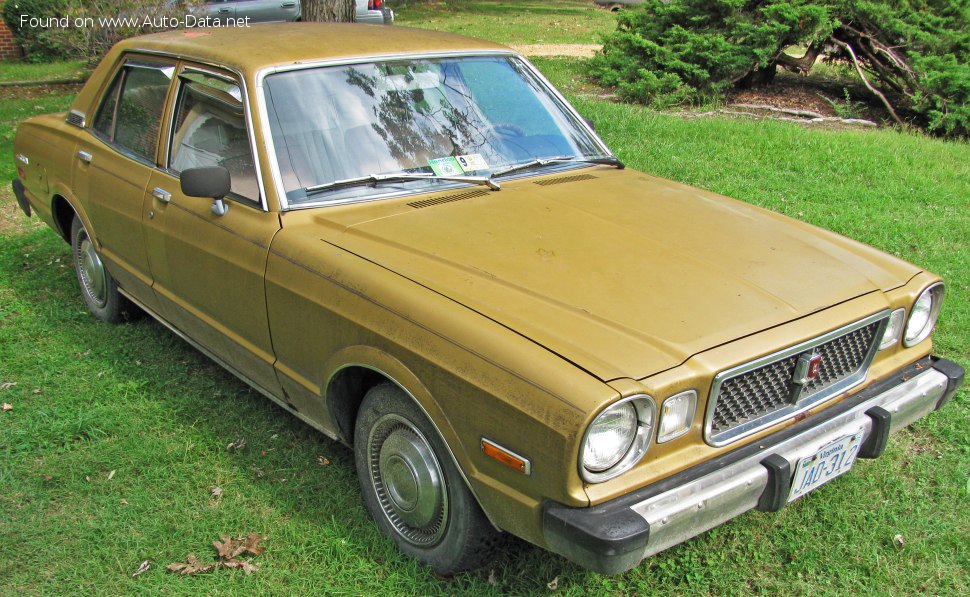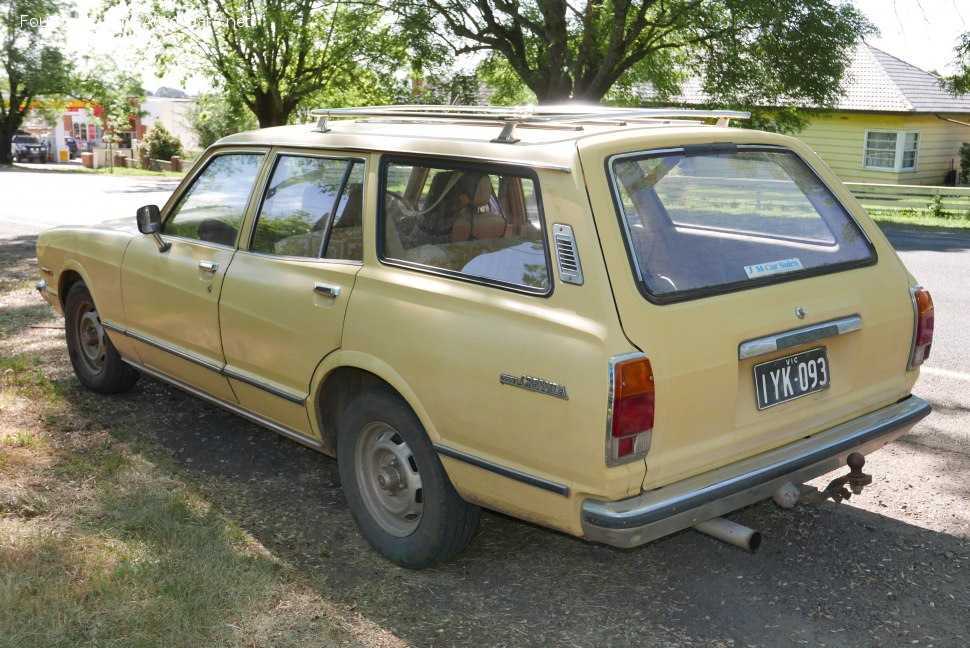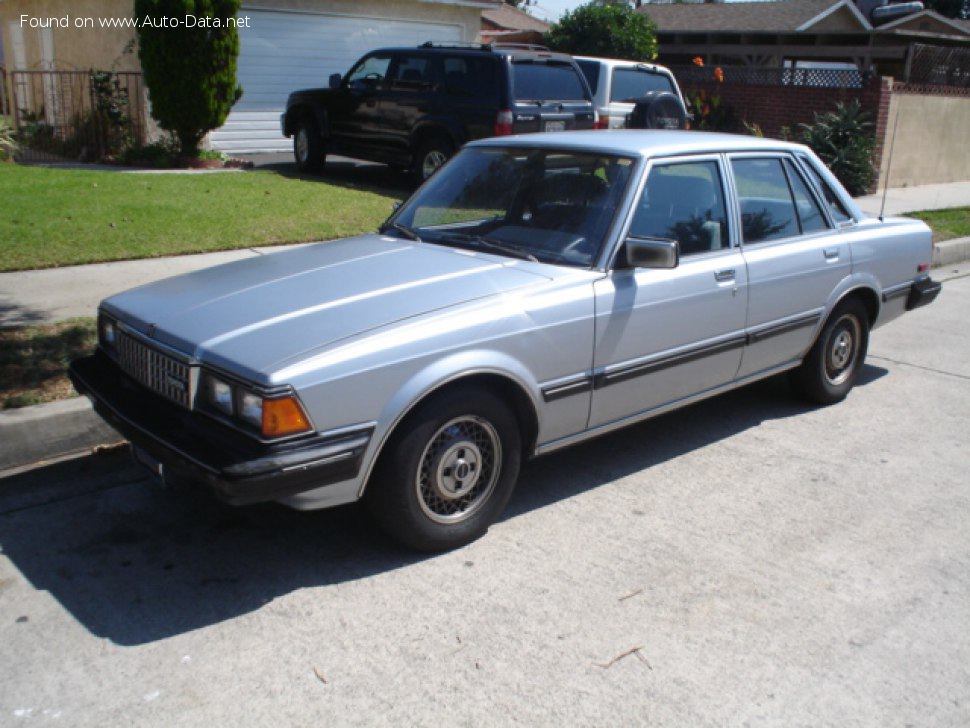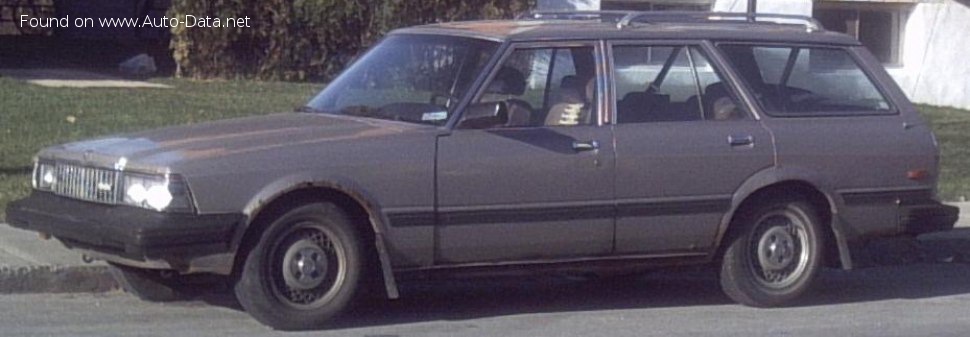
The Toyota Cressida Wagon (X6) 2.0 (105 Hp): A Pillar of Practicality and Reliability
The Toyota Cressida, known as the Mark II in Japan and some other markets, represented Toyota’s commitment to producing a comfortable, reliable, and well-appointed mid-size to large family car. The X6 generation, produced from 1980 to 1984, further solidified this reputation, particularly with its station wagon variant. The Toyota Cressida Wagon (X6) with its 2.0-liter, 105 horsepower engine, was a quintessential family hauler of its era, embodying Toyota’s growing prowess in offering refined, durable vehicles to a global audience, including a significant presence in the North American market.
Positioned above the ubiquitous Corolla and Celica, the Cressida was often seen as a precursor to what would eventually become Toyota’s luxury division, Lexus. It offered a blend of practicality, comfort, and a touch of upscale aspiration without the premium price tag of European luxury marques. The X6 generation brought a more angular, modern aesthetic compared to its predecessors, aligning with the prevailing design trends of the early 1980s, while retaining the bulletproof mechanicals Toyota was famous for.
Engine and Performance Characteristics of the Toyota Cressida Wagon (X6)
At the heart of the Toyota Cressida Wagon (X6) discussed here was the 2.0-liter (1968 cc) 21R inline-four engine. This naturally aspirated gasoline powerplant delivered a respectable 105 horsepower, a figure that, while modest by today’s standards, was entirely competitive and adequate for a family station wagon in the early 1980s. The 21R engine was renowned for its robust construction, smooth operation, and exceptional longevity, characteristics that became synonymous with the Toyota brand.
The engine’s design emphasized durability and efficiency over outright speed. Its naturally aspirated nature meant predictable power delivery and straightforward maintenance, appealing to a broad segment of buyers looking for a dependable daily driver. For a station wagon designed to carry passengers and cargo, the 105 HP output provided sufficient motivation for highway cruising and city driving, albeit without any pretensions of sporty performance. This powertrain architecture, focusing on an internal combustion engine driving the rear wheels (a common layout for the Cressida series), contributed to its balanced driving dynamics and reliable performance.
Maintenance was another strong suit of the 21R engine. With an engine oil capacity of 4.3 liters (4.54 US quarts) and a coolant capacity of 8 liters (8.45 US quarts), routine servicing was straightforward and accessible, further enhancing its appeal as a practical family vehicle. This ease of maintenance, combined with Toyota’s reputation for quality, ensured that many of these Cressida Wagons remained on the road for decades.
Design and Features: The Practicality of the Toyota Cressida Wagon (X6)
The X6 generation of the Toyota Cressida Wagon adopted a more contemporary, squared-off aesthetic, a departure from the rounder lines of its predecessors. This design language was not only fashionable for the early 1980s but also highly functional, maximizing interior space and visibility. As a 5-door station wagon with 5 seats, the Toyota Cressida Wagon (X6) was designed from the ground up to be a versatile family vehicle, capable of accommodating passengers comfortably while offering significant cargo capacity.
The exterior featured clean lines, a relatively flat hood, and a generous greenhouse, providing excellent outward visibility for the driver. The station wagon body type inherently offered immense practicality, with a large rear hatch providing easy access to a cavernous cargo area. This made it ideal for family road trips, hauling groceries, or transporting sports equipment. While specific trim levels varied by market, common features for the era included power windows, air conditioning, a decent stereo system, and comfortable cloth or velour upholstery, all contributing to a pleasant ownership experience.
Safety features, while not as advanced as modern vehicles, included robust body construction and standard seatbelts. Toyota’s engineering philosophy prioritized structural integrity, which contributed to the car’s overall safety profile. The interior design was ergonomic and functional, with controls logically placed and easy to operate. The emphasis was on comfort and user-friendliness, making it an appealing choice for families across various demographics.
Technical Specifications
| Category | Specification |
|---|---|
| Brand | Toyota |
| Model | Cressida |
| Generation | Cressida Wagon (X6) |
| Type (Engine) | 2.0 (105 Hp) |
| Start of Production | 1980 year |
| End of Production | 1984 year |
| Powertrain Architecture | Internal Combustion engine |
| Body Type | Station wagon |
| Seats | 5 |
| Doors | 5 |
| Fuel Type | Gasoline |
| Power | 105 Hp |
| Engine Model/Code | 21R |
| Engine Aspiration | Naturally aspirated engine |
| Engine Oil Capacity | 4.3 liters (4.54 US quarts) |
| Coolant Capacity | 8 liters (8.45 US quarts) |
Legacy and Market Impact of the Toyota Cressida Wagon (X6)
The Toyota Cressida Wagon (X6) carved out a significant niche in the automotive landscape of the early 1980s. Its primary market included North America, Australia, and various Asian and European countries, where it was lauded for its exceptional reliability, comfortable ride, and practical design. In the United States, it offered a compelling alternative to domestic station wagons like the Ford LTD Wagon or Chevrolet Caprice Wagon, often surpassing them in terms of build quality, fuel efficiency, and long-term dependability, while still providing comparable space and comfort.
Competitors in its segment also included other Japanese imports such as the Datsun 810/Maxima Wagon, Mazda 626 Wagon, and Honda Accord Wagon (though the Accord was generally smaller). The Cressida distinguished itself by offering a slightly more upscale feel and a reputation for being virtually bulletproof. This reputation for reliability was a major selling point and contributed significantly to Toyota’s growing market share and brand loyalty during this period.
The historical significance of the Cressida, and specifically the X6 generation, extends beyond its immediate sales success. It served as a crucial stepping stone for Toyota in understanding and catering to the demands of the premium segment. Its combination of comfort, refinement, and unwavering reliability laid much of the groundwork for the eventual launch of the Lexus brand in 1989. Many of the engineering principles and customer expectations established by the Cressida were directly applied to the development of early Lexus models, particularly the LS 400 and ES 250 (which was based on the next-generation Camry/Cressida chassis).
Even today, the Toyota Cressida Wagon (X6) holds a special place among enthusiasts and those who appreciate classic Japanese engineering. Its enduring appeal lies in its straightforward mechanicals, ease of maintenance, and the sheer durability that allowed many examples to survive decades of use. It stands as a testament to an era when practical, no-nonsense transportation could also offer a degree of comfort and refinement, all backed by Toyota’s legendary commitment to quality.