The Toyota Harrier: Pioneering the Luxury Crossover Segment
The Toyota Harrier is a mid-size crossover SUV that has significantly impacted the automotive landscape, particularly in its primary markets. Produced by the Japanese automaker Toyota, the Harrier was initially conceived for exclusive sale in Japan, making its debut in December 1997. Its innovative approach to vehicle design quickly set a new standard, blending the comfort and refined driving dynamics of a premium sedan with the practicality and elevated seating position of a sport utility vehicle. This groundbreaking concept effectively pioneered the luxury crossover segment, a category that would later become one of the most popular and competitive in the global automotive industry.
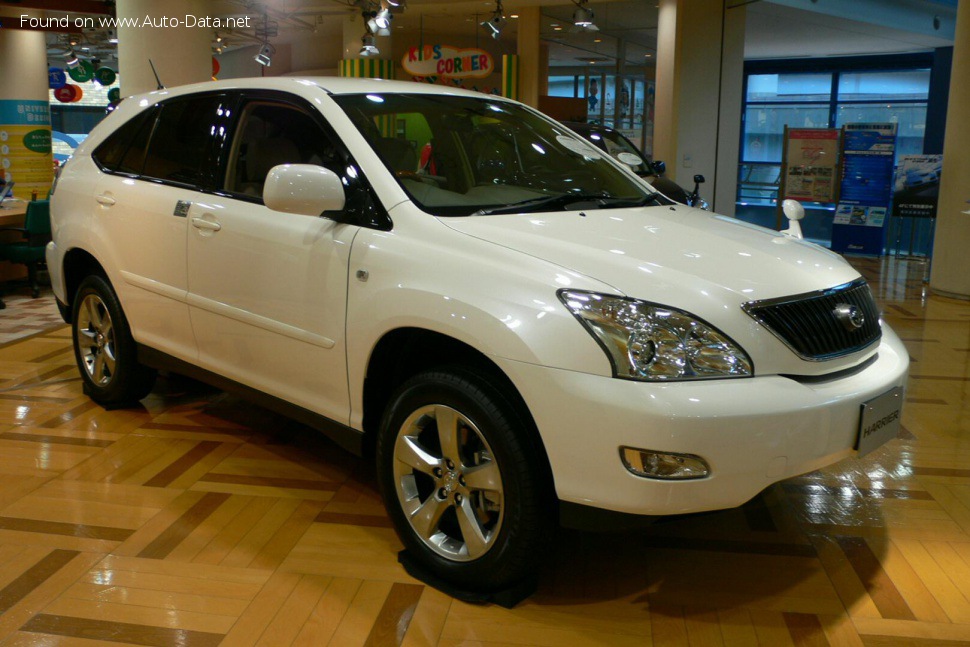
For many international markets, especially North America and parts of Europe, the Harrier was rebadged and sold as the Lexus RX from 1998 to 2013, solidifying its status as a global benchmark for luxury, reliability, and sophisticated design. The vehicle’s name, derived from the eastern marsh harrier—a swift and elegant bird of prey common in Japan and East Asia—was symbolically represented by a distinctive triangular bird emblem used for its first three generations. This emblem underscored the vehicle’s intended attributes: agility, grace, and underlying power. Over its various generations, the Toyota Harrier has consistently evolved, adapting to technological advancements and shifting consumer preferences, yet always maintaining its core identity as a premium, comfortable, and highly capable mode of transport.
First Generation Toyota Harrier (XU10; 1997–2003)
The Genesis of a Segment
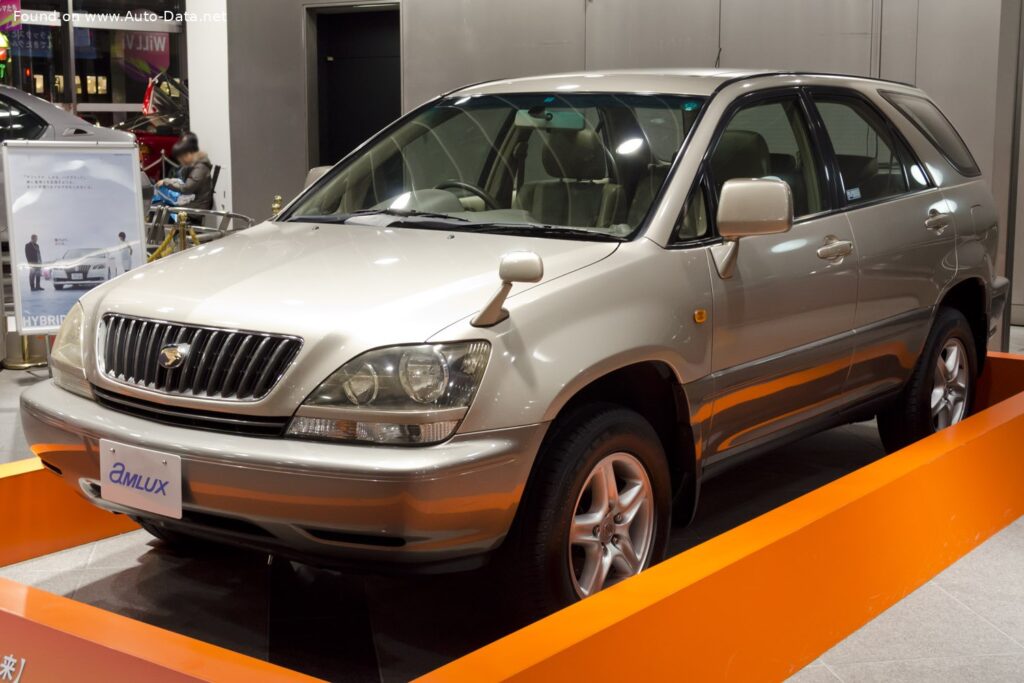
The first-generation Toyota Harrier, known internally as the XU10 series, was officially launched in Japan in December 1997. Its development was revolutionary for the SUV market of the time, as it was built on a modified monocoque platform shared with popular Toyota sedans like the Camry and the more rugged RAV4 crossover. This car-based architecture was a radical departure from the traditional body-on-frame construction prevalent in most SUVs of the era. The monocoque design afforded the Harrier a multitude of advantages, including a significantly smoother and more refined ride quality, predictable and car-like handling characteristics, and superior fuel efficiency compared to its truck-based competitors. These attributes were crucial to its appeal, positioning it as a more sophisticated and urban-friendly alternative.
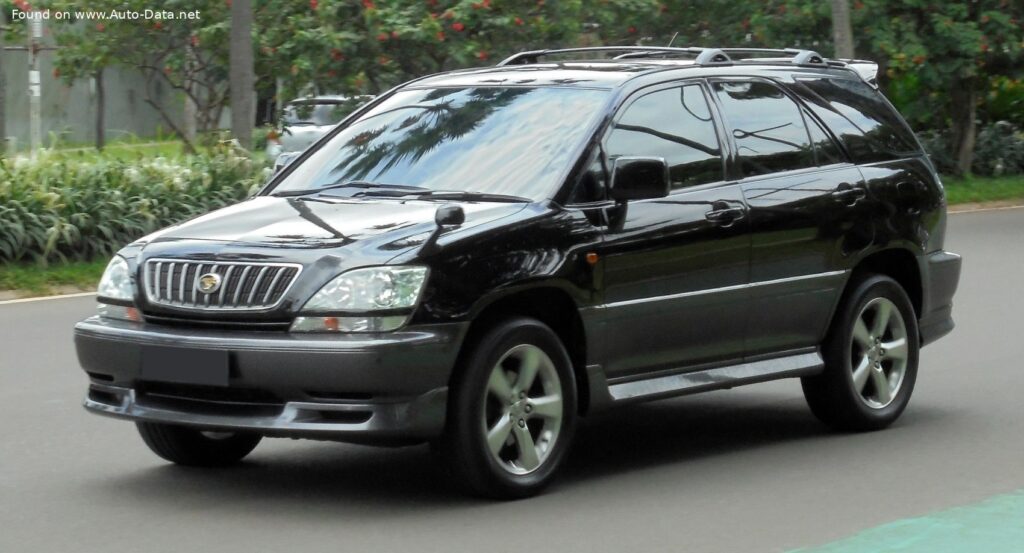
From an aesthetic perspective, the XU10’s exterior design was sleek, modern, and deliberately understated. It eschewed the boxy, utilitarian, and often rugged appearance of conventional SUVs, opting instead for smooth, flowing lines, a gracefully sloped rear window, and integrated body cladding. This cohesive design language gave the Harrier a distinctly sophisticated and upscale presence, perfectly suited for metropolitan environments. The interior was equally groundbreaking for its class, featuring a meticulously crafted cabin with high-quality materials, extensive wood-grain trim accents, and a suite of premium equipment typically found only in luxury sedans. Standard features often included automatic climate control, a high-fidelity sound system, and power-adjustable seating, all of which reinforced its luxurious and comfortable positioning.
Engine and Performance of the XU10 Facelift
Initial powertrain offerings for the first-generation Toyota Harrier included a 2.2-liter 5S-FE inline-four engine, delivering a respectable 140 horsepower, and a more potent 3.0-liter 1MZ-FE V6 engine, which produced 220 horsepower. Both engine options were exclusively paired with a smooth-shifting four-speed automatic transmission. Consumers had the flexibility to choose between front-wheel drive (FWD) for optimal fuel economy and cost-effectiveness, or an all-wheel drive (AWD) configuration, which utilized a viscous-coupling center differential to intelligently distribute torque to the wheels as traction demanded.
In November 2000, the Toyota Harrier underwent a mid-cycle refresh, bringing subtle yet impactful updates. Exterior revisions included refreshed headlights, a subtly revised grille, and modern clear-lens taillights, enhancing its contemporary appeal. However, the most significant enhancements were found under the hood. The original 2.2-liter 5S-FE engine was replaced by a more advanced and efficient 2.4-liter 2AZ-FE inline-four engine. This new powerplant incorporated Toyota’s Variable Valve Timing with intelligence (VVT-i) technology, boosting power output to 160 horsepower at 5600 rpm and generating 163 lb-ft of torque at 4000 rpm. This upgrade provided the Harrier with improved performance, greater responsiveness, and enhanced fuel economy, further cementing its competitive edge. The robust 3.0-liter V6 engine continued to be available for those desiring more power. This updated XU10 model, particularly with the 2.4-liter engine and its available all-wheel-drive system, continued the Harrier’s impressive sales success, solidifying its dominant position in the Japanese market until its successor arrived. The combination of a refined powertrain and a sophisticated AWD system provided a confident and comfortable driving experience, whether navigating city streets or tackling adverse weather conditions.
Technical Specifications: Toyota Harrier I (XU10 Facelift) 2.4 16V (160 Hp) 4×4 Automatic
| General Information | |
|---|---|
| Make | Toyota |
| Model | Harrier |
| Generation | Harrier I (XU10, Facelift 2000) |
| Years of Production | 2000 – 2003 |
| Body Type | SUV |
| Seats | 5 |
| Doors | 5 |
| Engine Specifications | |
| Engine Code | 2AZ-FE |
| Power | 160 Hp @ 5600 rpm |
| Torque | 163 lb-ft @ 4000 rpm (221 Nm) |
| Engine Type | Inline 4-cylinder, DOHC, VVT-i |
| Displacement | 2362 cm³ (2.4 L) |
| Bore x Stroke | 88.5 x 96.0 mm |
| Compression Ratio | 9.6:1 |
| Fuel System | Multi-point Injection |
| Drivetrain, Brakes, and Suspension | |
| Drivetrain | All-wheel drive (4×4) |
| Transmission | 4-speed Automatic |
| Front Suspension | Independent, MacPherson strut |
| Rear Suspension | Independent, MacPherson strut |
| Front Brakes | Ventilated Discs |
Legacy and Market Impact of the Toyota Harrier
The first-generation Toyota Harrier carved out an indelible legacy, fundamentally reshaping consumer expectations for sport utility vehicles. Its most significant impact was undeniably its pioneering role in establishing the luxury crossover segment. Before the Harrier, SUVs were largely utilitarian, rugged, and often truck-based. The Harrier, by contrast, offered a compelling blend of sedan-like refinement, superior ride comfort, and premium features, all wrapped in a practical SUV body. This innovative approach resonated deeply with urban and suburban buyers who desired the elevated driving position and versatility of an SUV without sacrificing the comfort, handling, and fuel efficiency associated with a passenger car.
In its primary market, Japan, the Toyota Harrier quickly became a resounding success, dominating its segment and influencing other automakers to develop similar car-based SUVs. While models like the Honda CR-V and Nissan X-Trail were already present, the Harrier distinguished itself by aiming for a decidedly more upscale audience, effectively creating a new tier of premium utility vehicles. Globally, its rebadged counterpart, the Lexus RX, achieved monumental success, particularly in the North American market, where it became the best-selling luxury SUV for many years. This global proliferation solidified the Harrier’s design and engineering principles as a blueprint for future luxury crossovers from various manufacturers.
The XU10 Harrier’s influence extended beyond sales figures; it redefined what a “utility vehicle” could be. It proved that a comfortable, stylish, and efficient vehicle could also offer the perceived benefits of an SUV. This paradigm shift encouraged a broader demographic to consider SUVs, contributing to the segment’s explosive growth in the subsequent decades. The Harrier’s emphasis on safety (even for its era), reliability, and sophisticated design elements set a high bar for competitors. Its enduring reputation for build quality and long-term dependability has ensured its place as a revered classic among early luxury crossovers. The Toyota Harrier, particularly its pioneering first generation, remains a testament to Toyota’s foresight and engineering prowess, a vehicle that not only met market demands but actively shaped them, leaving an undeniable mark on automotive history.