The Toyota Harrier II (XU30) 3.0 V6 24V (220 Hp) 4×4 Automatic: A Pioneer of the Luxury Crossover Segment
The Toyota Harrier II, internally designated XU30, represents a significant chapter in the evolution of the modern luxury crossover SUV. Launched in 2003, this second-generation Harrier continued to build upon the groundbreaking success of its predecessor by blending the comfort and refinement of a luxury sedan with the versatility and elevated driving position of an SUV. While primarily marketed in Japan and select Asian markets, the XU30 generation is perhaps best known globally for its rebadged counterpart, the Lexus RX 330 (and later RX 350) in North America and Europe, where it effectively pioneered the mainstream luxury crossover segment. This particular variant, the Toyota Harrier II (XU30) 3.0 V6 24V (220 Hp) 4×4 Automatic, produced from 2003 to 2005, showcased Toyota’s engineering prowess, offering a compelling blend of performance, luxury, and all-weather capability.
Engine & Performance: The Heart of the Toyota Harrier II (XU30)
At the core of the Toyota Harrier II (XU30) 3.0 V6 24V (220 Hp) 4×4 Automatic lies the venerable 1MZ-FE engine, a 3.0-liter (2994 cm3 or 182.71 cu. in.) naturally aspirated V6 powerplant. This engine, renowned for its smooth operation and exceptional reliability, was a staple in many Toyota and Lexus models during its production era. Featuring a DOHC (Double Overhead Camshaft) valvetrain with VVT-i (Variable Valve Timing with intelligence), the 1MZ-FE was engineered for optimal power delivery and fuel efficiency. It produced a robust 220 horsepower at 5800 rpm and a healthy 224.22 lb.-ft. of torque at 4400 rpm. This output provided the Harrier with ample acceleration and confident highway cruising capabilities, making it a highly capable vehicle for both urban commutes and longer journeys.
Power was efficiently managed by a 4-speed automatic transmission, a proven and durable unit that delivered smooth shifts, prioritizing comfort and refinement over outright sportiness. The Harrier II (XU30) 3.0 V6 was equipped with a full-time all-wheel drive (4×4) system, enhancing traction and stability in various driving conditions, from slippery roads to light off-road excursions. This combination of a potent V6 engine, a reliable automatic transmission, and all-wheel drive made the Harrier a versatile and secure choice for its target demographic.
Despite its V6 engine and all-wheel-drive system, the Harrier demonstrated respectable fuel economy for its class, with a combined rating of 21.6 US mpg (10.9 l/100 km). This balance of performance and efficiency, coupled with a weight-to-power ratio of 8.3 kg/Hp (120.2 Hp/tonne), underscored Toyota’s commitment to delivering a well-rounded and practical luxury crossover.
Design & Features: Blending Luxury with Practicality
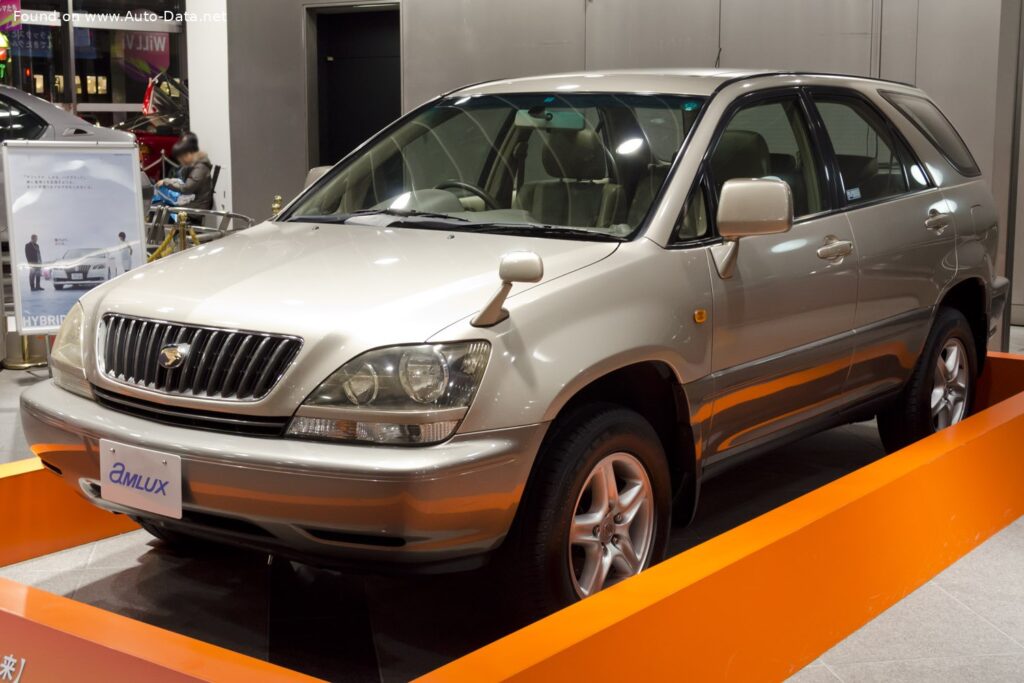
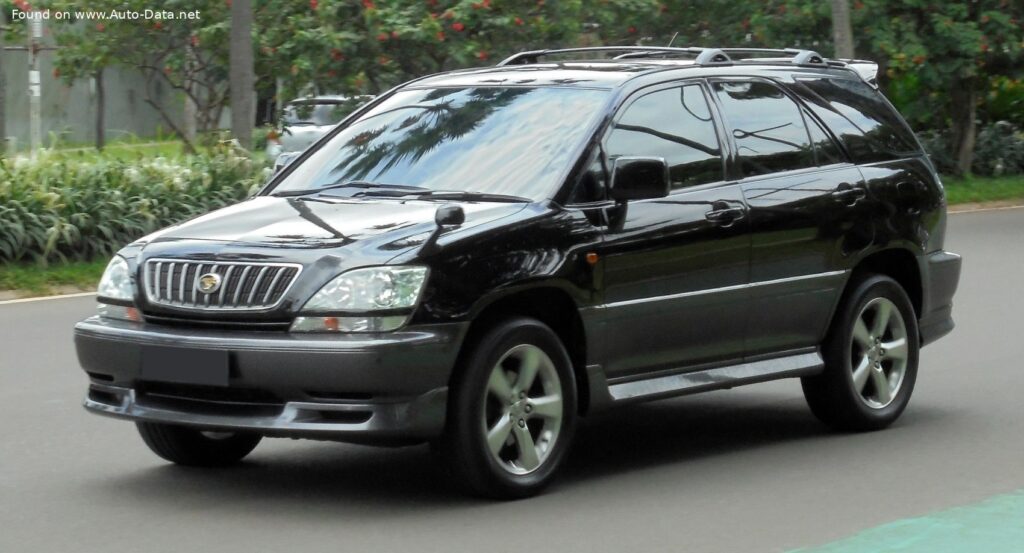
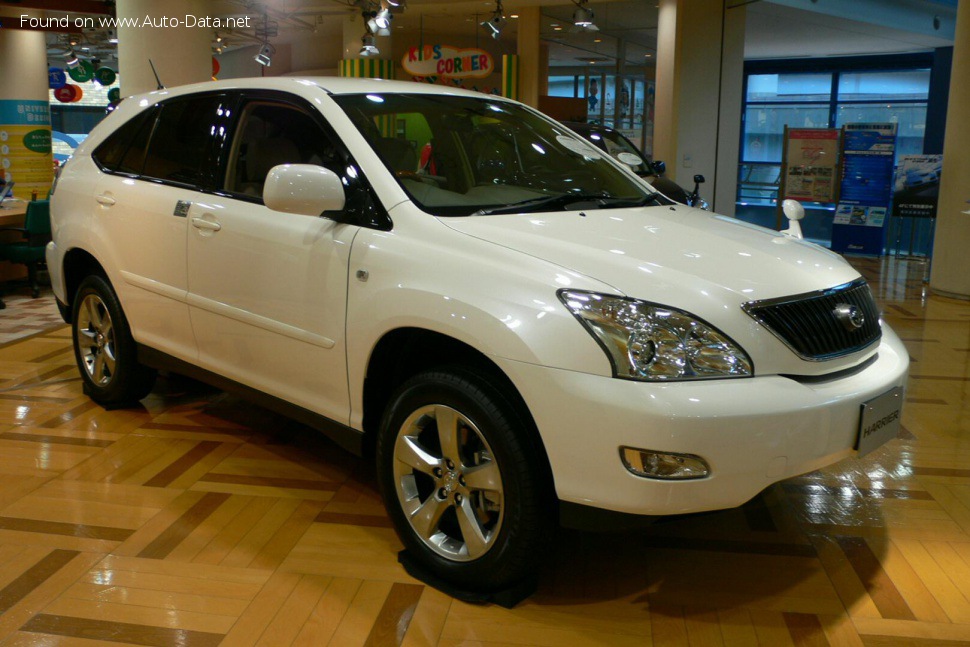
The design philosophy behind the Toyota Harrier II (XU30) was a deliberate departure from the rugged, truck-like aesthetic of traditional SUVs. Instead, it embraced a more aerodynamic, sleek, and sophisticated profile that blurred the lines between a luxury sedan and an SUV. Its smooth lines, raked windshield, and integrated bumpers contributed to a refined appearance that was both elegant and understated. The body type is classified as an SUV/Crossover, offering five doors and comfortable seating for five occupants.
Inside, the Harrier II (XU30) provided a spacious and well-appointed cabin, characteristic of Toyota’s attention to detail in its upscale offerings. Materials were of high quality, and the fit and finish were exemplary. Features typically included automatic climate control, a premium audio system, power-adjustable seats, and a host of convenience options aimed at enhancing the driving and passenger experience. The elevated driving position provided excellent visibility, a key selling point for crossover buyers. Practicality was a strong suit, with a minimum trunk space of 15.54 cu. ft. (440 liters) that could expand to an impressive 75.22 cu. ft. (2130 liters) with the rear seats folded, making it highly adaptable for cargo needs.
Safety was also a priority, with the Harrier featuring essential systems like ABS (Anti-lock Braking System) as standard. The braking system utilized ventilated discs at the front and solid discs at the rear, providing confident stopping power. Steering was a hydraulic rack and pinion setup, offering a direct and communicative feel, contributing to the Harrier’s car-like driving dynamics. The vehicle rode on 225/65 R17 tires, mounted on 6.5 Jx17 ET35 wheel rims, providing a comfortable ride and stable handling.
Technical Specifications
| Category | Specification | Metric Value | US Value |
|---|---|---|---|
| General Information | |||
| Brand | Toyota | ||
| Model | Harrier | ||
| Generation | Harrier II (XU30) | ||
| Type (Engine) | 3.0 V6 24V (220 Hp) 4×4 Automatic | ||
| Start of production | 2003 year | ||
| End of production | 2005 year | ||
| Powertrain Architecture | Internal Combustion engine | ||
| Body type | SUV, Crossover | ||
| Seats | 5 | ||
| Doors | 5 | ||
| Performance Specs | |||
| Fuel consumption (economy) – combined | 10.9 l/100 km | 21.6 US mpg | |
| Fuel Type | Petrol (Gasoline) | ||
| Weight-to-power ratio | 8.3 kg/Hp | 18.3 lbs/Hp | |
| Weight-to-torque ratio | 6 kg/Nm | 4.42 lbs/lb.-ft. | |
| Engine Specs | |||
| Power | 220 Hp @ 5800 rpm | 220 Hp @ 5800 rpm | |
| Power per liter | 73.5 Hp/l | 73.5 Hp/l | |
| Torque | 304 Nm @ 4400 rpm | 224.22 lb.-ft. @ 4400 rpm | |
| Engine layout | Front, Longitudinal | ||
| Engine Model/Code | 1MZ-FE | ||
| Engine displacement | 2994 cm3 | 3.0 liters (182.71 cu. in.) | |
| Number of cylinders | 6 | ||
| Engine configuration | V-engine | ||
| Cylinder Bore | 87.5 mm | 3.44 in. | |
| Piston Stroke | 83 mm | 3.27 in. | |
| Compression ratio | 10.5:1 | ||
| Number of valves per cylinder | 4 | ||
| Fuel injection system | Multi-port manifold injection | ||
| Engine aspiration | Naturally aspirated engine | ||
| Valvetrain | DOHC, VVT-i | ||
| Engine oil capacity | 4.7 l | 4.97 US qt | |
| Coolant | 9 l | 9.51 US qt | |
| Space, Volume and Weights | |||
| Kerb Weight | 1830 kg | 4034.46 lbs. | |
| Trunk (boot) space – minimum | 440 l | 15.54 cu. ft. | |
| Trunk (boot) space – maximum | 2130 l | 75.22 cu. ft. | |
| Fuel tank capacity | 72 l | 19.02 US gal | |
| Dimensions | |||
| Length | 4730 mm | 186.22 in. | |
| Width | 1845 mm | 72.64 in. | |
| Height | 1680 mm | 66.14 in. | |
| Wheelbase | 2715 mm | 106.89 in. | |
| Front track | 1575 mm | 62.01 in. | |
| Rear (Back) track | 1560 mm | 61.42 in. | |
| Ride height (ground clearance) | 180 mm | 7.09 in. | |
| Drivetrain, Brakes and Suspension Specs | |||
| Drive wheel | All wheel drive (4×4) | ||
| Number of gears and type of gearbox | 4 gears, automatic transmission | ||
| Front brakes | Ventilated discs | ||
| Rear brakes | Disc | ||
| Assisting systems | ABS (Anti-lock braking system) | ||
| Steering type | Steering rack and pinion | ||
| Power steering | Hydraulic Steering | ||
| Tires size | 225/65 R17 | ||
| Wheel rims size | 6.5 Jx 17 ET35 | ||
Legacy & Market Impact: The Enduring Influence of the Toyota Harrier II (XU30)
The Toyota Harrier, and specifically its XU30 generation, holds a significant place in automotive history as a trailblazer in the luxury crossover segment. While the first-generation Harrier (XU10) and its Lexus RX 300 counterpart pioneered the concept, the XU30 refined and solidified the formula, proving that consumers desired a vehicle that combined the practicality of an SUV with the driving dynamics and comfort of a luxury sedan, without the ruggedness or fuel inefficiency of traditional body-on-frame SUVs.
In its primary markets of Japan and Asia, the Harrier II (XU30) was a highly successful model, competing against other premium offerings from domestic manufacturers, as well as European luxury brands. Its reputation for bulletproof reliability, low maintenance costs, and exceptional build quality made it a popular choice among discerning buyers. It offered a compelling alternative to more traditional sedans and larger, less refined SUVs, carving out a unique niche.
Globally, its impact was arguably even greater through its Lexus RX 330/350 guise. The RX became Lexus’s best-selling model and a benchmark for the luxury crossover segment, inspiring countless competitors from every major automotive manufacturer. The Harrier/RX demonstrated that a luxury brand could thrive by offering a car-based SUV, a concept that was initially met with skepticism but quickly became a dominant force in the market. Its success proved that consumers valued comfort, refinement, and a higher seating position over traditional off-road prowess in their daily drivers.
The Toyota Harrier II (XU30) 3.0 V6 24V (220 Hp) 4×4 Automatic, with its smooth V6 engine, capable all-wheel drive, and luxurious appointments, embodied the qualities that made this generation so successful. It established a legacy of comfort, dependability, and innovative design that continues to influence the crossover market today. Its enduring popularity, even years after its production ceased, is a testament to its fundamental soundness and its visionary approach to what a modern family vehicle could be.