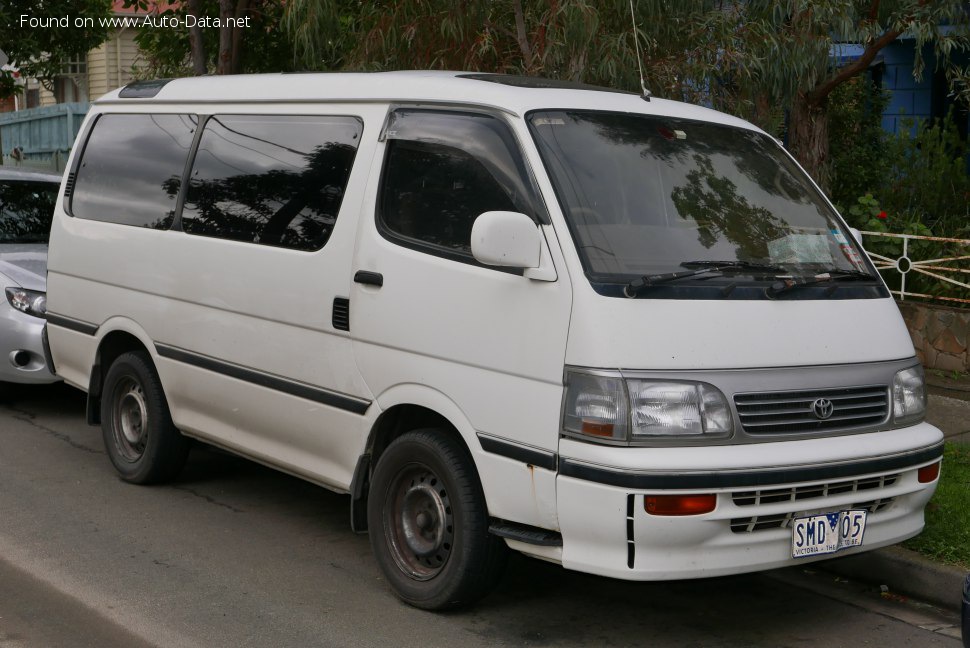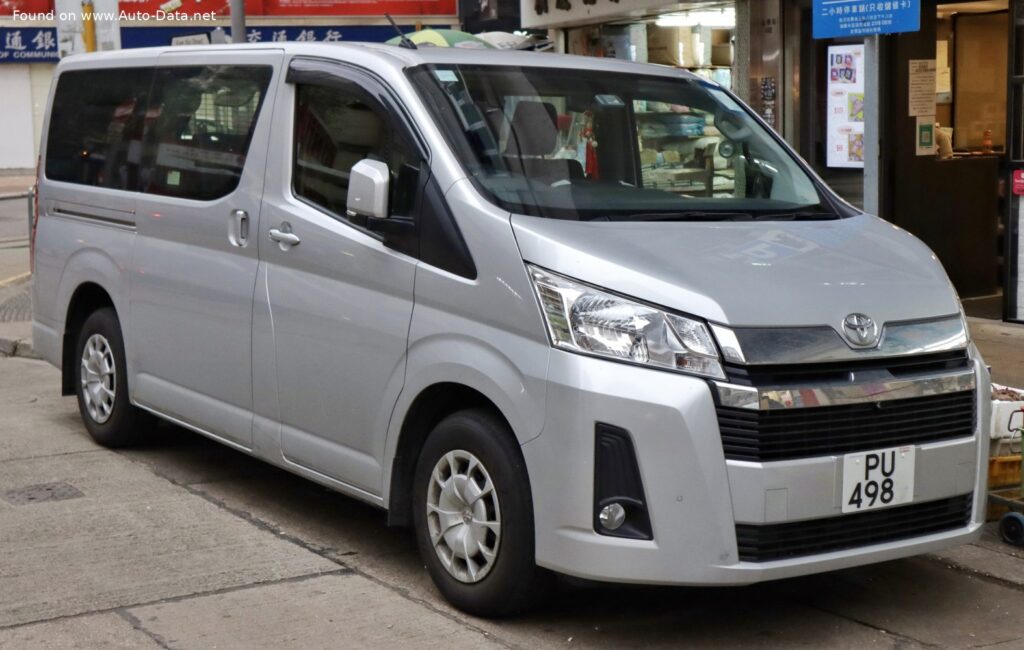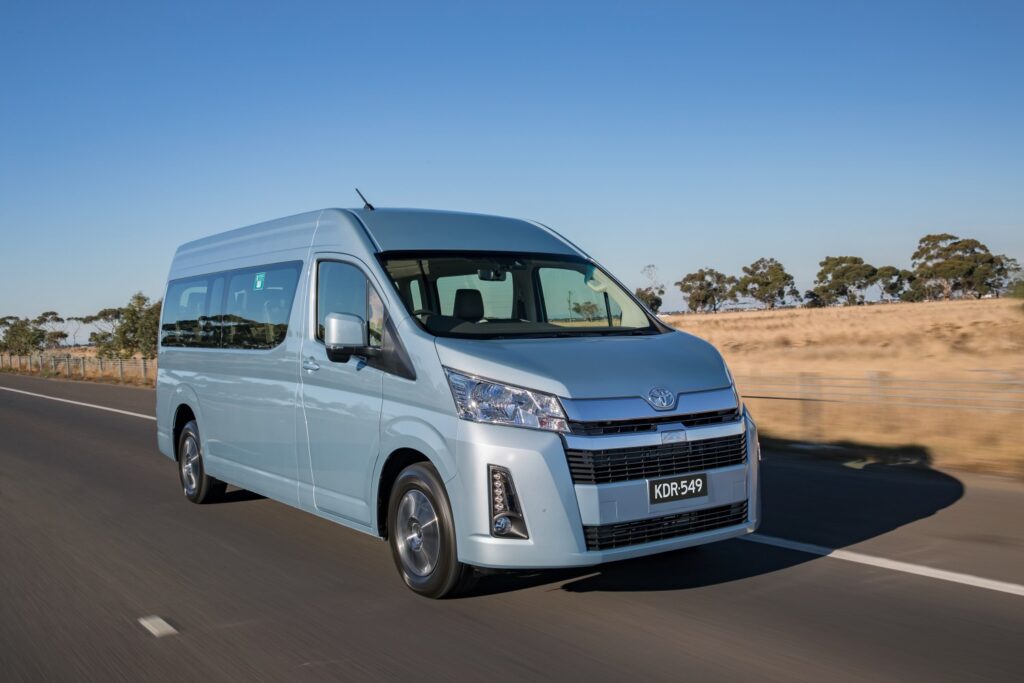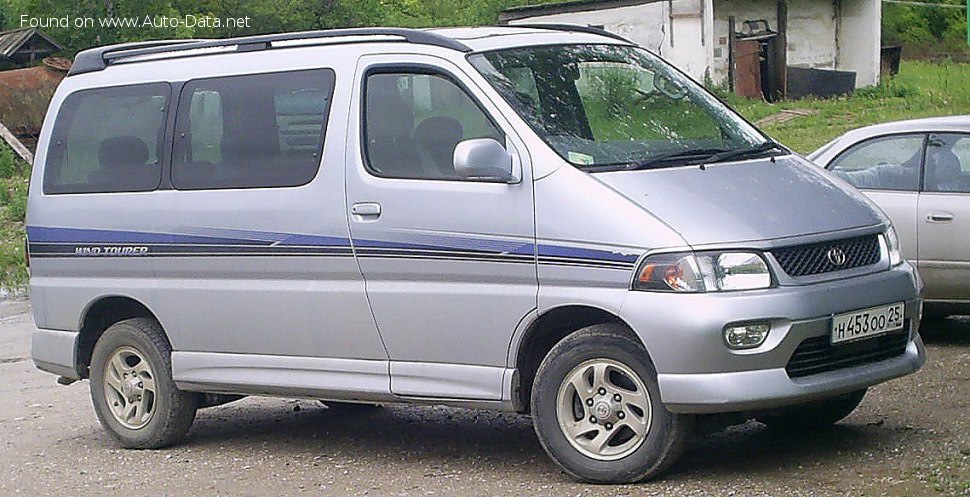
As an international automotive expert, I present a detailed analysis of the Toyota HiAce Regius 3.0 D (140 Hp).
Introduction to the Toyota HiAce Regius
The Toyota HiAce Regius 3.0 D (140 Hp) represents a significant iteration within Toyota’s highly successful HiAce lineage, specifically the HiAce Regius generation. Introduced in 1995 and produced until 2002, this model carved out a formidable niche in the minivan segment, particularly in its primary markets of Japan, Asia, and Europe. Unlike its more utilitarian HiAce siblings, the Regius was designed with a greater emphasis on passenger comfort, refinement, and features, positioning it as a versatile vehicle capable of serving both as a comfortable family hauler and a robust shuttle or commercial transport. Its powertrain architecture, centered around an internal combustion engine driving the rear wheels, combined with its spacious minivan body, made it a practical and reliable choice for a diverse range of buyers.
While the Toyota HiAce nameplate has a long and storied history globally, the Regius variant was a more premium offering, often seen as a direct competitor to other popular minivans in its class, such as the Nissan Elgrand or Mitsubishi Delica Space Gear in Japan, and various European offerings. It was characterized by its sturdy construction, renowned Toyota reliability, and a focus on maximizing interior space for up to eight occupants. The 3.0 D (140 Hp) model, in particular, was celebrated for its robust diesel engine, offering a blend of fuel efficiency and ample torque suitable for carrying heavy loads or navigating diverse terrains, a crucial factor in many of its target markets.
Engine and Performance of the Toyota HiAce Regius
At the heart of the Toyota HiAce Regius 3.0 D (140 Hp) lies the venerable 1KZ-TE engine, a 2.98-liter (2982 cm³ or 181.97 cu. in.) inline-four diesel powerplant. This engine, known for its durability and strong low-end torque, was a cornerstone of Toyota’s diesel offerings during this period. It featured a sophisticated Diesel Commonrail fuel injection system, a significant technological advancement for its time, ensuring precise fuel delivery and improved combustion efficiency. Further enhancing its performance was a turbocharger, which boosted power output and torque, making the vehicle feel more responsive even when fully loaded.
The engine produced a healthy 140 horsepower at 3600 rpm, which for a minivan of its era, provided ample motivation. More critically, it delivered a substantial 343 Nm (252.98 lb.-ft.) of torque at a relatively low 2000 rpm. This characteristic torque delivery was ideal for a vehicle designed to carry multiple passengers and cargo, facilitating confident acceleration from a standstill and robust highway cruising. The engine’s configuration, with a 96 mm (3.78 in.) cylinder bore and a 103 mm (4.06 in.) piston stroke, along with a high compression ratio of 21:1, underscored its diesel efficiency and power characteristics. With an engine oil capacity of 7 liters (7.4 US qt) and a coolant capacity of 11 liters (11.62 US qt), the powertrain was designed for longevity and consistent performance, a hallmark of Toyota’s engineering philosophy.
The powertrain architecture maintained a traditional rear-wheel-drive setup, which offered excellent traction, particularly beneficial when carrying heavy loads or navigating challenging road conditions. This choice of drivetrain also contributed to the vehicle’s sturdy and predictable handling, a desirable trait for a minivan that might see extensive use.
Design and Features
The Toyota HiAce Regius adopted a classic minivan silhouette, prioritizing interior volume and passenger comfort. Its body type was a 4-door minivan, designed to comfortably accommodate up to 8 seats, making it an excellent choice for large families, shuttle services, and tour operators. The design was functional and aerodynamic for its time, with a focus on maximizing usable space within its footprint.
Dimensionally, the HiAce Regius was a substantial vehicle, measuring 4750 mm (187.01 in.) in length, 1695 mm (66.73 in.) in width, and 1960 mm (77.17 in.) in height. Its generous 2985 mm (117.52 in.) wheelbase contributed significantly to its stable ride and expansive interior. The front track measured 1455 mm (57.28 in.) and the rear track 1435 mm (56.5 in.), providing a solid stance on the road. These dimensions allowed for a spacious cabin with ample legroom and headroom for all occupants.
In terms of features, the Regius offered a practical and comfortable environment. While specific luxury features varied by trim level and market, common attributes included comfortable seating, air conditioning, and a user-friendly dashboard layout. Safety was addressed with a robust chassis, and for its era, the braking system was advanced, featuring ventilated discs at the front and disc brakes at the rear, ensuring reliable stopping power. The vehicle typically rode on 205/70 R15 tires, offering a good balance of ride comfort and load-carrying capability. The fuel tank capacity of 65 liters (17.17 US gal) provided a decent cruising range, especially with the efficient diesel engine.
Technical Specifications
| Category | Specification | Metric Value | US Customary Value |
|---|---|---|---|
| Brand | Toyota | – | – |
| Model | HiAce Regius | – | – |
| Type (Engine) | 3.0 D (140 Hp) | – | – |
| Production Start | 1995 | – | – |
| Production End | 2002 | – | – |
| Powertrain Architecture | Internal Combustion Engine | – | – |
| Body Type | Minivan | – | – |
| Seats | 8 | – | – |
| Doors | 4 | – | – |
| Performance Specifications | |||
| Fuel Type | Diesel | – | – |
| Power | 140 Hp @ 3600 rpm | – | – |
| Power per liter | 46.9 Hp/l | – | – |
| Torque | 343 Nm @ 2000 rpm | – | 252.98 lb.-ft. @ 2000 rpm |
| Engine Model/Code | 1KZ-TE | – | – |
| Engine Displacement | 2982 cm³ | – | 181.97 cu. in. |
| Number of Cylinders | 4 | – | – |
| Engine Configuration | Inline | – | – |
| Cylinder Bore | 96 mm | – | 3.78 in. |
| Piston Stroke | 103 mm | – | 4.06 in. |
| Compression Ratio | 21:1 | – | – |
| Fuel Injection System | Diesel Commonrail | – | – |
| Engine Aspiration | Turbocharger | – | – |
| Engine Oil Capacity | 7 l | – | 7.4 US qt |
| Engine Oil Specification | Not Specified | – | – |
| Coolant Capacity | 11 l | – | 11.62 US qt |
| Space, Volume and Weights | |||
| Fuel Tank Capacity | 65 l | – | 17.17 US gal |
| Dimensions | |||
| Length | 4750 mm | – | 187.01 in. |
| Width | 1695 mm | – | 66.73 in. |
| Height | 1960 mm | – | 77.17 in. |
| Wheelbase | 2985 mm | – | 117.52 in. |
| Front Track | 1455 mm | – | 57.28 in. |
| Rear Track | 1435 mm | – | 56.5 in. |
| Drivetrain, Brakes and Suspension | |||
| Drivetrain Architecture | Internal combustion engine drives the rear wheels. | – | – |
| Drive Wheel | Rear Wheel Drive | – | – |
| Front Brakes | Ventilated Discs | – | – |
| Rear Brakes | Disc | – | – |
| Tires Size | 205/70 R15 | – | – |
Legacy and Market Impact
The Toyota HiAce Regius 3.0 D (140 Hp) left a significant and lasting legacy, particularly in markets outside of North America. It built upon the HiAce’s reputation as an indestructible workhorse but elevated the experience with enhanced comfort and features, making it a popular choice for both commercial and private use. In Japan, it was a common sight as a family van or a shuttle for businesses, appreciated for its spacious interior and robust diesel engine, which offered excellent fuel economy for its size and capability.
Across Asia and parts of Europe, the Regius was highly regarded for its reliability, low running costs, and strong resale value—traits synonymous with the Toyota brand. Its rear-wheel-drive architecture and robust suspension were well-suited to diverse road conditions, from urban streets to more challenging rural environments. Competitors in its segment included vehicles like the Nissan Elgrand, Mitsubishi Delica, and later European models such as the Volkswagen Transporter or Mercedes-Benz Vito, all vying for market share among consumers seeking spacious and dependable multi-purpose vehicles.
The 1KZ-TE diesel engine, in particular, contributed significantly to the Regius’s appeal. Its reputation for longevity and its ability to handle demanding usage cycles solidified the vehicle’s status as a reliable companion. Even years after its production ceased in 2002, the HiAce Regius maintains a strong presence in used vehicle markets globally, a testament to its enduring quality and the trust placed in Toyota’s engineering. Its practical design, coupled with its powerful and efficient diesel engine, ensured that the Toyota HiAce Regius remained a benchmark for minivans in its class, continuing to serve its owners faithfully long after rolling off the assembly line.