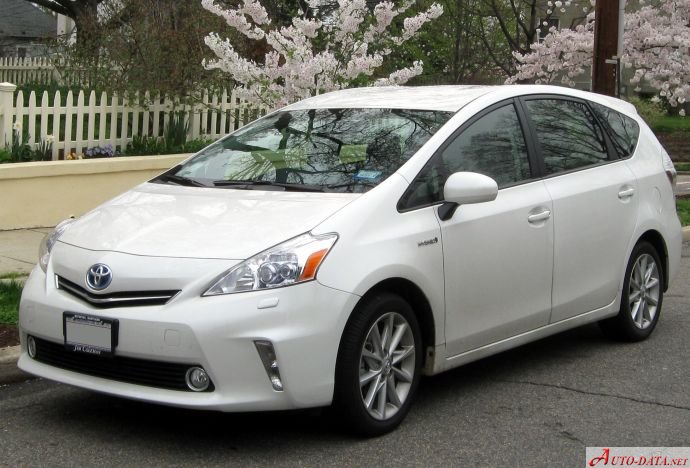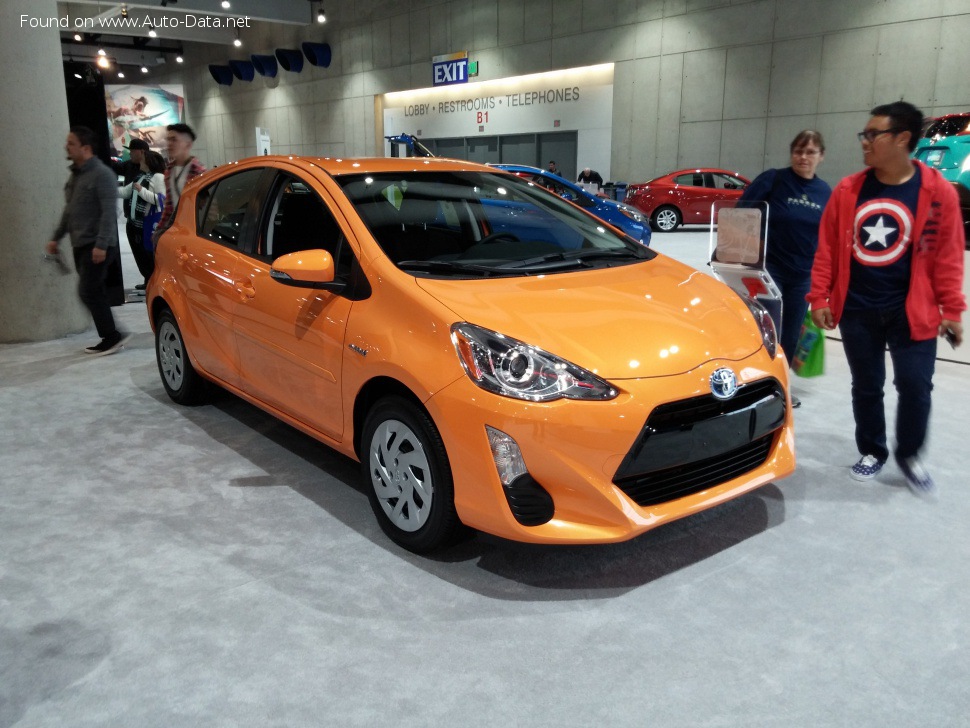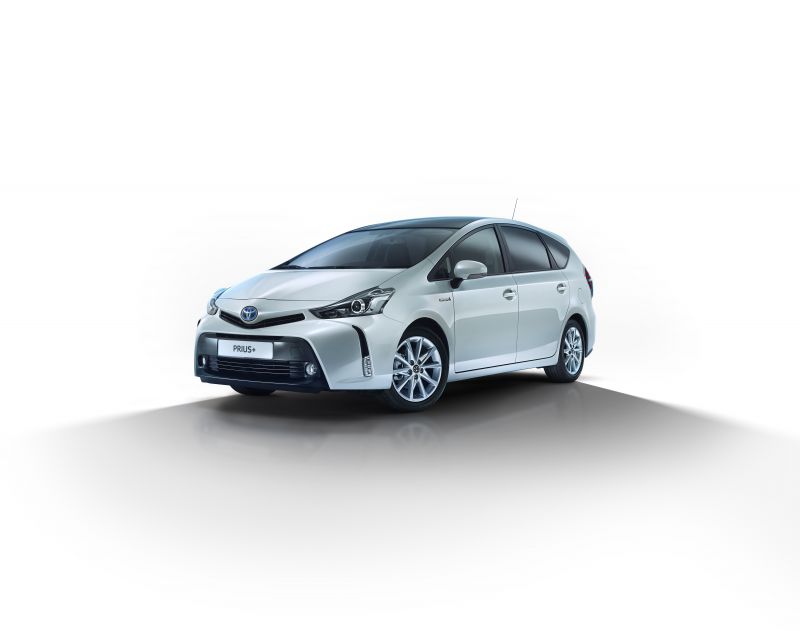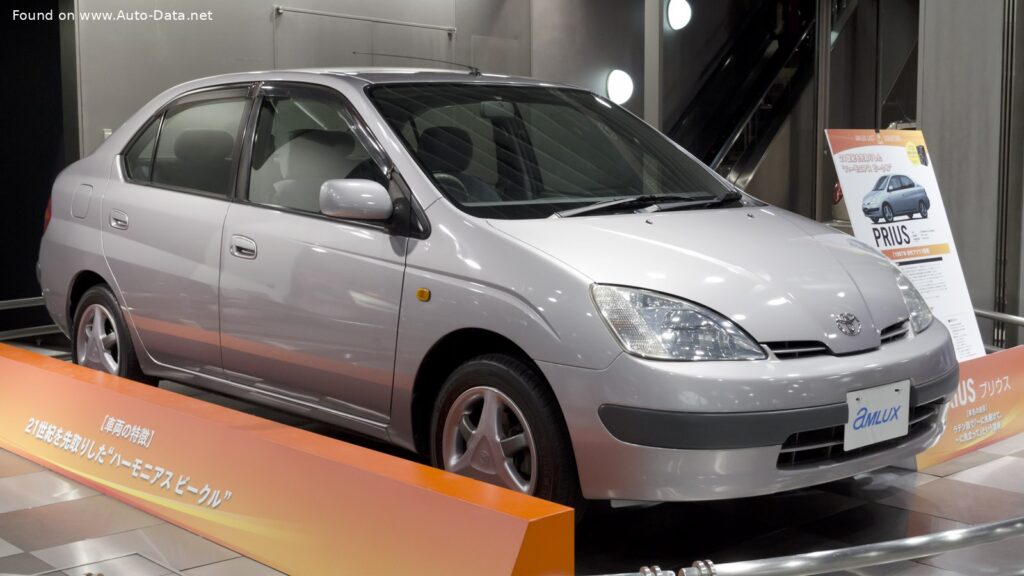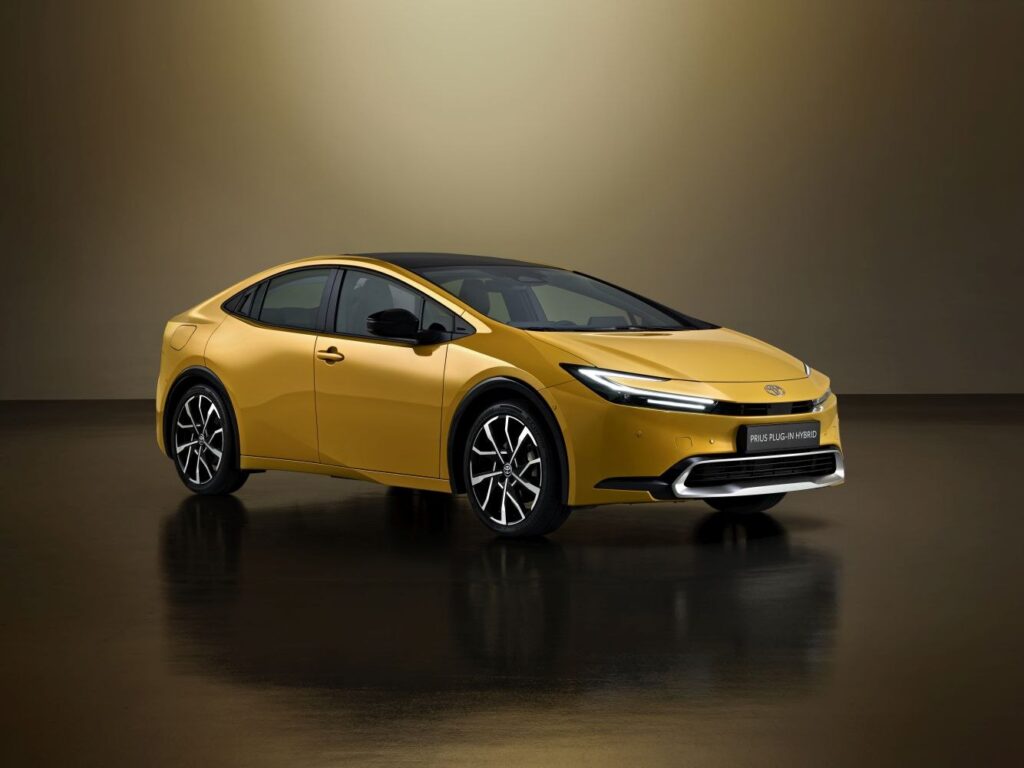
The Toyota Prius V (XW60) represents the latest evolution of a vehicle that fundamentally reshaped the automotive landscape, pioneering mainstream hybrid technology for over two decades. Introduced in January 2023, this iteration of the Toyota Prius V (XW60) continues its legacy as a full hybrid electric vehicle (FHEV), embodying Toyota’s commitment to efficiency and environmental stewardship. Positioned as a versatile liftback in the compact to mid-size segment, the XW60 generation, particularly the 2.0 (197 Hp) Hybrid e-CVT variant, refines the Prius formula with enhanced power, improved fuel economy, and a more sophisticated driving experience. While the “Prius V” nomenclature might evoke memories of the larger wagon variant in some markets, the XW60 generation, often simply referred to as the Prius in its primary global markets, maintains the iconic liftback body style, catering to a broad demographic seeking a practical, economically sound, and technologically advanced daily driver. This model is engineered to deliver a compelling balance of performance and efficiency, leveraging Toyota’s extensive expertise in hybrid powertrains to meet the demands of modern motorists.
Powertrain and Dynamic Performance of the Toyota Prius V (XW60)
At the heart of the 2023 Toyota Prius V (XW60) 2.0 (197 Hp) Hybrid e-CVT lies a meticulously engineered powertrain architecture. This Full Hybrid Electric Vehicle (FHEV) system seamlessly integrates an internal combustion engine (ICE) with a potent electric motor, delivering a combined system output of 197 horsepower. The internal combustion component is Toyota’s M20A-FXS engine, a 2.0-liter (1986 cm3 or 121.19 cubic inches) inline four-cylinder unit. This naturally aspirated engine is designed for optimal thermal efficiency and responsiveness, producing 152 Hp at 6000 rpm and a robust 188 Nm (138.66 lb.-ft.) of torque across a broad range of 4400-5200 rpm. Its advanced design incorporates both direct injection and multi-port manifold injection systems, optimizing fuel delivery for various driving conditions, while the VVT (Variable Valve Timing) system further enhances power delivery and fuel economy. With 4 valves per cylinder and an 80.5 mm (3.17 in) bore and 97.6 mm (3.84 in) piston stroke, the engine demonstrates a well-balanced design for efficiency and durability.
Complementing the gasoline engine is a powerful electric motor, designated as model 1VM, which contributes 113 Hp and a substantial 206 Nm (151.94 lb.-ft.) of immediate torque. This synchronous electric motor is strategically integrated into the transmission, providing instant acceleration and enabling pure electric driving at lower speeds. Powering the electric motor is a modern Lithium-ion (Li-Ion) battery, chosen for its energy density and efficiency. The synergy between the ICE and electric motor is managed by an electronic continuously variable transmission (eCVT), which ensures smooth, linear power delivery and maximizes efficiency by keeping the engine operating in its most optimal range. This sophisticated drivetrain architecture drives the front wheels, allowing the vehicle to operate in full electric mode, mixed hybrid mode, or with the internal combustion engine predominantly engaged, depending on driving demands and battery charge.
The focus on efficiency is evident in the remarkable fuel economy figures. According to WLTC standards, the 2.0 (197 Hp) Hybrid e-CVT achieves an urban consumption of 3.8 l/100 km (61.9 US mpg), an extra-urban figure of 3.2 l/100 km (73.5 US mpg), and a combined rating of 3.5 l/100 km (67.2 US mpg). These figures underscore the Prius’s commitment to minimizing fuel consumption and emissions. The vehicle’s weight-to-power ratio of 7.1 kg/Hp (140.7 Hp/tonne) and a weight-to-torque ratio of 7.4 kg/Nm (134.3 Nm/tonne) indicate a well-proportioned vehicle for its class, offering spirited acceleration for daily driving while maintaining its core mission of efficiency. Furthermore, the inclusion of a Start & Stop System enhances fuel savings in urban environments by automatically shutting off the engine during brief stops.
Design, Features, and Practicality
The 2023 Toyota Prius V (XW60) maintains its distinctive liftback body type, a design choice that not only contributes to its aerodynamic efficiency but also enhances practicality. With five doors and seating for five occupants, it offers a versatile and accommodating interior suitable for families and individuals alike. The exterior dimensions are thoughtfully proportioned, with a length of 4600 mm (181.1 inches), a width of 1780 mm (70.08 inches), and a height of 1430 mm (56.3 inches). A wheelbase of 2750 mm (108.27 inches) contributes to a stable ride and generous interior space, while the relatively low ride height of 150 mm (5.91 inches) emphasizes its on-road focus and aerodynamic profile. The front track measures 1560 mm (61.42 inches) and the rear track 1570 mm (61.81 inches), contributing to stable handling and a planted stance.
Underneath its sleek exterior, the Prius XW60 features a suspension system designed for comfort and confident handling. The front suspension employs an independent McPherson strut setup with coil springs and an anti-roll bar, a common and effective choice for balancing ride comfort and steering precision. At the rear, a more sophisticated double wishbone suspension with a transverse stabilizer is utilized, enhancing rear-wheel control and stability, particularly during cornering and over uneven surfaces. Braking performance is handled by ventilated discs at the front and solid discs at the rear, complemented by an Anti-lock Braking System (ABS) for enhanced safety during emergency stops. The steering system is a rack and pinion type, augmented by electric power steering, which provides precise control and reduces driver effort, especially at low speeds and during parking maneuvers. The vehicle offers a minimum turning circle of 10.8 meters (35.43 feet), making it maneuverable in urban settings.
The wheels and tires are crucial for both aesthetics and dynamic performance. The Prius V (XW60) comes with options for 195/60 R17 tires on 6.5J x 17 rims, or for a sportier appearance and potentially sharper handling, 195/50 R19 tires on 6.5J x 19 rims. These choices underscore the balance between ride comfort, grip, and rolling resistance for optimal fuel efficiency. The generous fuel tank capacity of 43 liters (11.36 US gallons) ensures a substantial driving range, further enhancing the vehicle’s practicality for longer journeys. With a kerb weight ranging from 1400-1420 kg (3086.47 – 3130.56 lbs) and a maximum permissible weight of 1695 kg (3736.84 lbs), the Prius XW60 demonstrates robust construction capable of accommodating a maximum load of 275-295 kg (606.27 – 650.36 lbs).
Technical Specifications
| Brand | Toyota |
| Model | Prius |
| Generation | Prius V (XW60) |
| Type (Engine) | 2.0 (197 Hp) Hybrid e-CVT |
| Start of production | January, 2023 year |
| Powertrain Architecture | FHEV (Full Hybrid Electric Vehicle) |
| Body type | Liftback |
| Seats | 5 |
| Doors | 5 |
| Fuel consumption (economy) – urban (WLTC) | 3.8 l/100 km (61.9 US mpg) |
| Fuel consumption (economy) – extra urban (WLTC) | 3.2 l/100 km (73.5 US mpg) |
| Fuel consumption (economy) – combined (WLTC) | 3.5 l/100 km (67.2 US mpg) |
| Fuel Type | Petrol (Gasoline) |
| Weight-to-power ratio | 7.1 kg/Hp (140.7 Hp/tonne) |
| Weight-to-torque ratio | 7.4 kg/Nm (134.3 Nm/tonne) |
| Battery technology | Lithium-ion (Li-Ion) |
| Electric motor 1 power | 113 Hp |
| Electric motor 1 Torque | 206 Nm (151.94 lb.-ft.) |
| Electric motor model/code | 1VM |
| Electric motor location | Integrated into the transmission |
| Electric motor type | Synchronous |
| System power | 197 Hp |
| Internal combustion engine Power | 152 Hp @ 6000 rpm. |
| Power per litre | 76.5 Hp/l |
| Internal combustion engine Torque | 188 Nm @ 4400-5200 rpm (138.66 lb.-ft. @ 4400-5200 rpm) |
| Engine layout | Front, Transverse |
| Engine Model/Code | M20A-FXS |
| Engine displacement | 1986 cm3 (2.0 l / 121.19 cu. in.) |
| Number of cylinders | 4 |
| Engine configuration | Inline |
| Cylinder Bore | 80.5 mm (3.17 in) |
| Piston Stroke | 97.6 mm (3.84 in) |
| Number of valves per cylinder | 4 |
| Fuel injection system | Direct injection and Multi-port manifold injection |
| Engine aspiration | Naturally aspirated engine |
| Valvetrain | VVT |
| Engine oil capacity | 4.2 l (4.44 US qt) |
| Coolant | 6.1 l (6.45 US qt) |
| Engine systems | Start & Stop System |
| Kerb Weight | 1400-1420 kg (3086.47 – 3130.56 lbs) |
| Max. weight | 1695 kg (3736.84 lbs) |
| Max load | 275-295 kg (606.27 – 650.36 lbs) |
| Fuel tank capacity | 43 l (11.36 US gal) |
| Length | 4600 mm (181.1 in) |
| Width | 1780 mm (70.08 in) |
| Height | 1430 mm (56.3 in) |
| Wheelbase | 2750 mm (108.27 in) |
| Front track | 1560 mm (61.42 in) |
| Rear (Back) track | 1570 mm (61.81 in) |
| Ride height (ground clearance) | 150 mm (5.91 in) |
| Minimum turning circle (turning diameter) | 10.8 m (35.43 ft) |
| Drivetrain Architecture | The Internal combustion engine (ICE) and electric motor drive the front wheels of the car with the ability to work in full electric or mixed mode. |
| Drive wheel | Front wheel drive |
| Number of gears and type of gearbox | automatic transmission eCVT |
| Front suspension | Independent, type McPherson with coil spring and anti-roll bar |
| Rear suspension | Double wishbone, Transverse stabilizer |
| Front brakes | Ventilated discs |
| Rear brakes | Disc |
| Assisting systems | ABS (Anti-lock braking system) |
| Steering type | Steering rack and pinion |
| Power steering | Electric Steering |
| Tires size | 195/60 R17; 195/50 R19 |
| Wheel rims size | 6.5J x 17; 6.5J x 19 |