The Toyota Proace Verso II SWB: A Versatile European People Mover
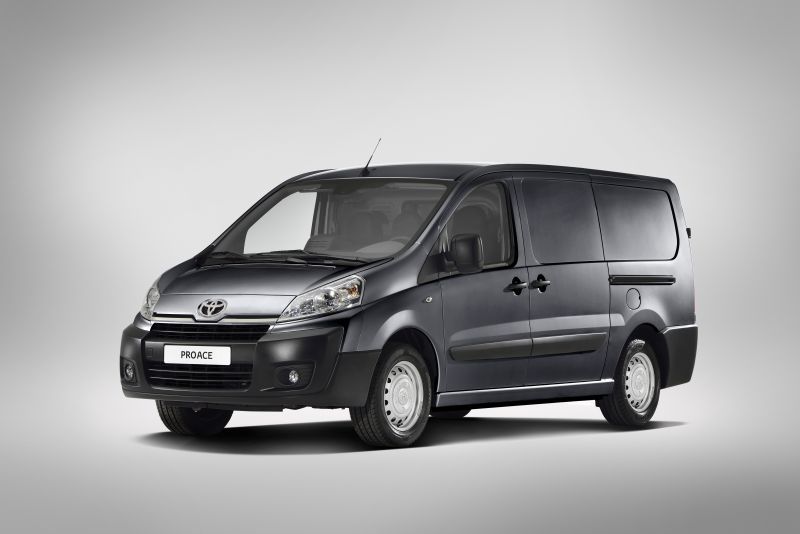
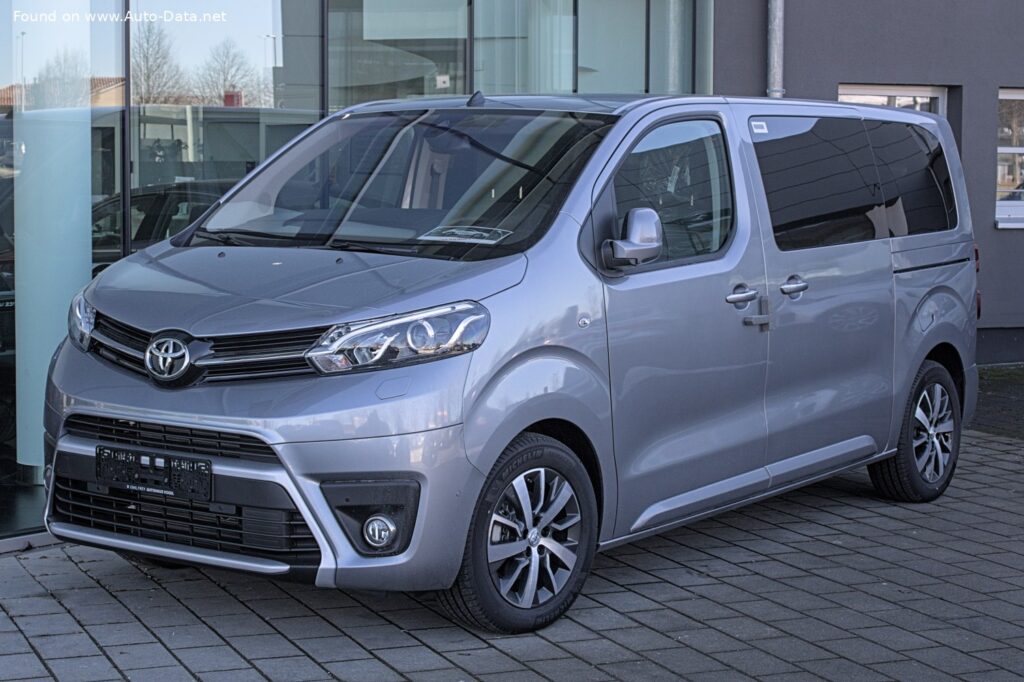
The Toyota Proace Verso II SWB 2.0 D-4D (144 Hp), introduced in April 2020, represents the second generation of Toyota’s mid-size minivan designed primarily for the European and Asian markets. As a rebadged variant of the Stellantis (formerly PSA Group) platform, shared with models like the Peugeot Traveller and Citroën Spacetourer, the Proace Verso allows Toyota to offer a competitive and highly versatile vehicle in a segment crucial for both family transport and commercial shuttle services outside of the United States. This specific Short Wheelbase (SWB) variant, powered by a robust 2.0-liter D-4D diesel engine delivering 144 horsepower, is engineered for a blend of efficiency, practicality, and comfortable passenger capacity, typically accommodating 8 to 9 occupants. Its design emphasizes interior flexibility, fuel economy, and compact dimensions for urban maneuverability, making it a significant player in its segment.
Engine and Performance of the Toyota Proace Verso II SWB
At the heart of the 2020 Toyota Proace Verso II SWB 2.0 D-4D lies a sophisticated 2.0-liter (1997 cm³, or 121.86 cu. in.) inline-four diesel engine, designated with the model code AH01. This powertrain is a testament to modern diesel engineering, featuring a common rail fuel injection system, a turbocharger, and an intercooler to optimize combustion and efficiency. With an OverHead Camshaft (OHC) valvetrain and four valves per cylinder, the engine is designed for smooth power delivery and reduced emissions.
The engine produces a respectable 144 horsepower (Hp) at 4000 revolutions per minute (rpm), translating to a power output of 72.1 Hp per liter of displacement. More impressively for a vehicle of its type, it generates a substantial 250.77 lb.-ft. (340 Nm) of torque available at a low 2000 rpm. This ample torque is crucial for a minivan, providing strong acceleration from a standstill, confident highway merging, and the capability to handle heavy loads or tow trailers without strain. The power is efficiently managed by a 6-speed manual transmission, directing power to the front wheels, a common and practical drivetrain architecture for this class of vehicle.
Efficiency is a cornerstone of the Proace Verso II SWB’s design. The 2.0 D-4D engine is equipped with a Start & Stop system, which automatically shuts off the engine when the vehicle is stationary and restarts it upon clutch engagement, significantly reducing fuel consumption and emissions in urban traffic. A particulate filter is also standard, ensuring compliance with stringent Euro 6d-ISC-FCM emission standards. The fuel economy figures are impressive for a vehicle of its size and capacity:
- Urban (NEDC): 40.6 – 42 US mpg (5.6-5.8 l/100 km)
- Extra Urban (NEDC): 47 – 49 US mpg (4.8-5 l/100 km)
- Combined (NEDC): 44.4 – 46.1 US mpg (5.1-5.3 l/100 km)
These figures highlight the diesel engine’s inherent efficiency, making it an economical choice for both private owners and commercial operators covering long distances. The vehicle’s weight-to-power ratio stands at 10.7 kg/Hp (93.8 Hp/tonne), and its weight-to-torque ratio is 4.5 kg/Nm (221.4 Nm/tonne), indicating a well-balanced power-to-weight dynamic for its intended purpose.
Design and Features
The Toyota Proace Verso II SWB embodies a modern and functional minivan design, prioritizing interior space, passenger comfort, and practical utility. Its body type is a 5-door minivan, specifically the Short Wheelbase (SWB) variant, which provides a balance between generous interior volume and manageable exterior dimensions for urban environments. With a length of 195.24 inches (4959 mm), a width of 75.59 inches (1920 mm), and a height of 74.41 inches (1890 mm), the Proace Verso SWB offers a commanding presence while remaining relatively agile. The substantial wheelbase of 128.94 inches (3275 mm) contributes to a stable ride and maximizes interior passenger room.
One of the Proace Verso’s most compelling features is its highly adaptable interior, capable of seating 8 to 9 passengers. This flexibility is crucial for its target market, allowing owners to configure the seating for various needs, from large families to hotel shuttles or corporate transport. The cargo capacity is equally versatile, offering a minimum trunk space of 17.9 cu. ft. (507 liters) with all seats in place, which can expand dramatically to a cavernous 140.13 cu. ft. (3968 liters) by removing or folding down the rear seats. This makes it exceptionally practical for hauling luggage, sports equipment, or commercial goods.
From a structural and mechanical standpoint, the Proace Verso II SWB is built for comfort and control. It features an independent McPherson front suspension and a wishbone rear suspension, designed to absorb road imperfections and provide a smooth, stable ride, even when fully loaded. Braking is handled by disc brakes on both the front and rear axles, ensuring strong and consistent stopping power. Driver assistance systems include an Anti-lock Braking System (ABS) for enhanced safety during emergency braking. The steering system is a rack and pinion type with electric power steering, offering light and precise control, particularly beneficial during low-speed maneuvering and parking. The vehicle rides on 225/55 R17 tires mounted on 17-inch wheel rims, providing a good balance of comfort and road holding. Its permissible trailer load with brakes is 4188.78 lbs (1900 kg), highlighting its capability as a workhorse.
Technical Specifications
| Category | Specification |
|---|---|
| General Information | |
| Brand | Toyota |
| Model | Proace Verso |
| Generation | Proace Verso II SWB |
| Engine Type | 2.0 D-4D (144 Hp) |
| Start of Production | April, 2020 |
| Powertrain Architecture | Internal Combustion Engine |
| Body Type | Minivan |
| Seats | 8-9 |
| Doors | 5 |
| Performance Specs | |
| Fuel Consumption (Urban, NEDC) | 40.6 – 42 US mpg (5.6-5.8 l/100 km) |
| Fuel Consumption (Extra Urban, NEDC) | 47 – 49 US mpg (4.8-5 l/100 km) |
| Fuel Consumption (Combined, NEDC) | 44.4 – 46.1 US mpg (5.1-5.3 l/100 km) |
| CO2 Emissions (NEDC) | 135-139 g/km |
| Fuel Type | Diesel |
| Emission Standard | Euro 6d-ISC-FCM |
| Weight-to-Power Ratio | 10.7 kg/Hp (93.8 Hp/tonne) |
| Weight-to-Torque Ratio | 4.5 kg/Nm (221.4 Nm/tonne) |
| Engine Specs | |
| Power | 144 Hp @ 4000 rpm |
| Power per Liter | 72.1 Hp/l |
| Torque | 250.77 lb.-ft. (340 Nm) @ 2000 rpm |
| Engine Layout | Front, Transverse |
| Engine Model/Code | AH01 |
| Engine Displacement | 2.0 liters (1997 cm³, 121.86 cu. in.) |
| Number of Cylinders | 4, Inline |
| Number of Valves per Cylinder | 4 |
| Fuel Injection System | Diesel Commonrail |
| Engine Aspiration | Turbocharger, Intercooler |
| Valvetrain | OHC |
| Engine Oil Capacity | 6.45 US qt (6.1 l) |
| Engine Systems | Start & Stop System, Particulate filter |
| Space, Volume and Weights | |
| Kerb Weight | 3386.3 lbs (1536 kg) |
| Max. Weight (GVWR) | 5897.37 lbs (2675 kg) |
| Max Load | 2511.07 lbs (1139 kg) |
| Trunk (Boot) Space – Minimum | 17.9 cu. ft. (507 l) |
| Trunk (Boot) Space – Maximum | 140.13 cu. ft. (3968 l) |
| Fuel Tank Capacity | 18.23 US gal (69 l) |
| Permitted Trailer Load with Brakes (12%) | 4188.78 lbs (1900 kg) |
| Permitted Trailer Load without Brakes | 1653.47 lbs (750 kg) |
| Permitted Towbar Download | 185.19 lbs (84 kg) |
| Dimensions | |
| Length | 195.24 in (4959 mm) |
| Width | 75.59 in (1920 mm) |
| Height | 74.41 in (1890 mm) |
| Wheelbase | 128.94 in (3275 mm) |
| Front Track | 64.06 in (1627 mm) |
| Rear (Back) Track | 62.99 in (1600 mm) |
| Drivetrain, Brakes and Suspension Specs | |
| Drivetrain Architecture | Front-wheel drive (Internal Combustion Engine drives front wheels) |
| Drive Wheel | Front wheel drive |
| Number of Gears and Type of Gearbox | 6 gears, manual transmission |
| Front Suspension | Independent type McPherson |
| Rear Suspension | Wishbone |
| Front Brakes | Disc |
| Rear Brakes | Disc |
| Assisting Systems | ABS (Anti-lock braking system) |
| Steering Type | Steering rack and pinion |
| Power Steering | Electric Steering |
| Tires Size | 225/55 R17 |
| Wheel Rims Size | 17 inch |
Legacy and Market Impact
The Toyota Proace Verso II SWB, particularly the 2.0 D-4D (144 Hp) variant, holds a significant position in the European and Asian light commercial vehicle and people-mover segments. While not offered in the North American market under the Toyota badge, its presence underscores Toyota’s global strategy of offering a comprehensive lineup tailored to regional demands. In markets where large minivans and commercial shuttles are essential, the Proace Verso provides a compelling option, leveraging Toyota’s reputation for reliability and efficiency combined with the established platform engineering of the Stellantis group.
Its primary competitors in the European market include a strong field of versatile vans and minivans, such as the Volkswagen Multivan/Transporter, Mercedes-Benz V-Class/Vito, Ford Tourneo Custom, and its platform siblings like the Peugeot Traveller, Citroën Spacetourer, and Opel Zafira Life. Against these rivals, the Proace Verso distinguishes itself with its strong emphasis on fuel economy, a robust and proven diesel powertrain, and Toyota’s renowned quality and service network. The availability of an 8-9 seat configuration in a short-wheelbase format makes it particularly attractive for urban shuttle services, large families, and businesses requiring a flexible and economical passenger vehicle.
The Proace Verso’s impact is largely felt in its ability to provide a practical, comfortable, and cost-effective solution for a variety of transport needs. Its modern diesel engine, adhering to strict Euro 6d-ISC-FCM emission standards, reflects the ongoing demand for efficient internal combustion engines in Europe, even as electrification gains momentum. The vehicle’s high maximum load capacity and impressive towing capabilities further solidify its utility, making it a true multi-purpose vehicle.
Ultimately, the Toyota Proace Verso II SWB 2.0 D-4D (144 Hp) is more than just a people mover; it’s a testament to engineering collaboration and market adaptation. It successfully combines the practicality and spaciousness expected of a modern minivan with the efficiency and reliability hallmarks of the Toyota brand, securing its legacy as a highly capable and enduring choice in its competitive international market segment. Its continued evolution and success highlight the diverse automotive landscape outside of the US and the varied requirements of global consumers.