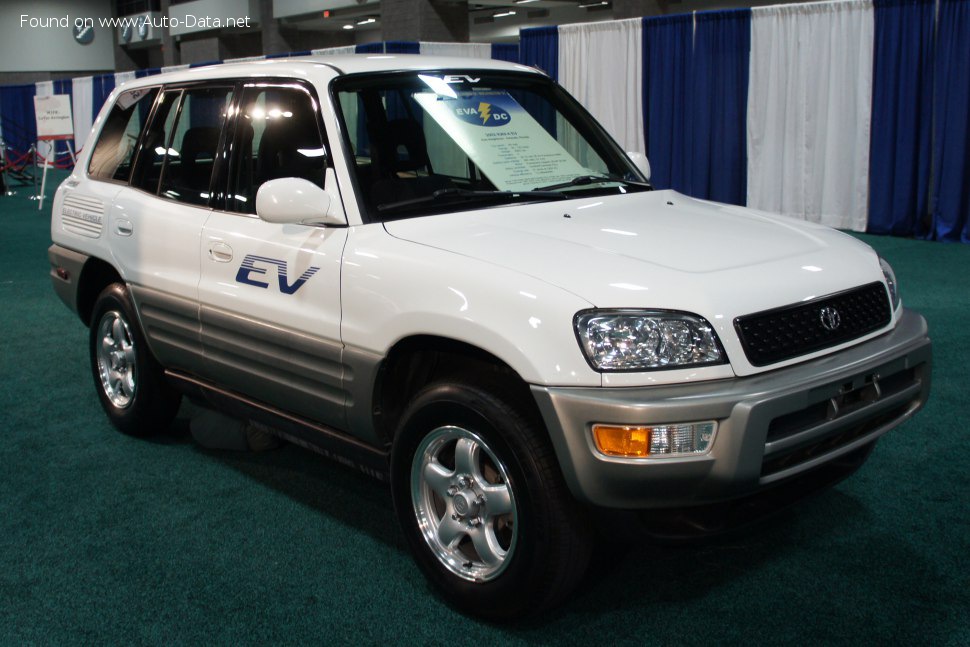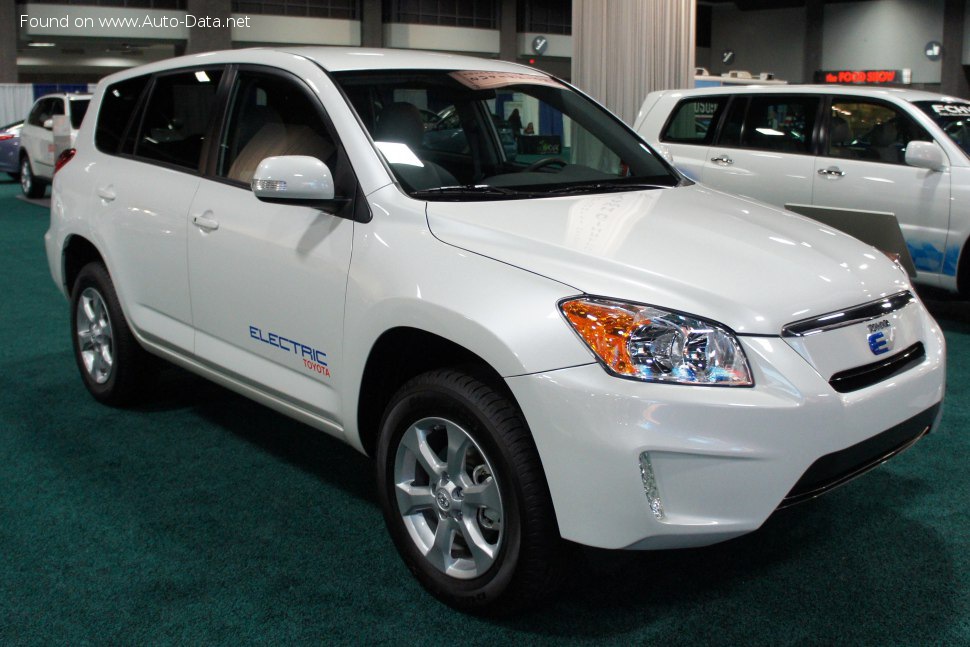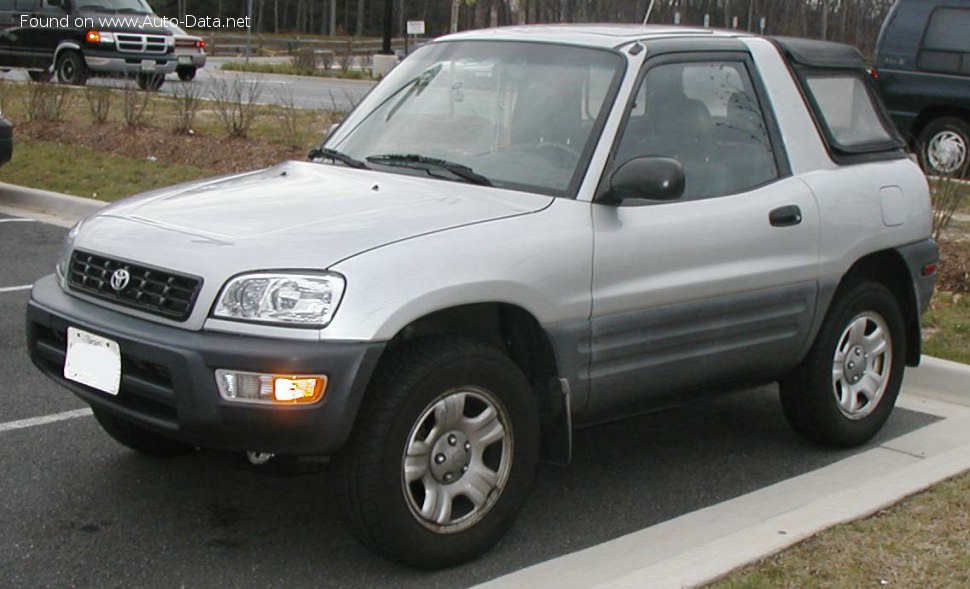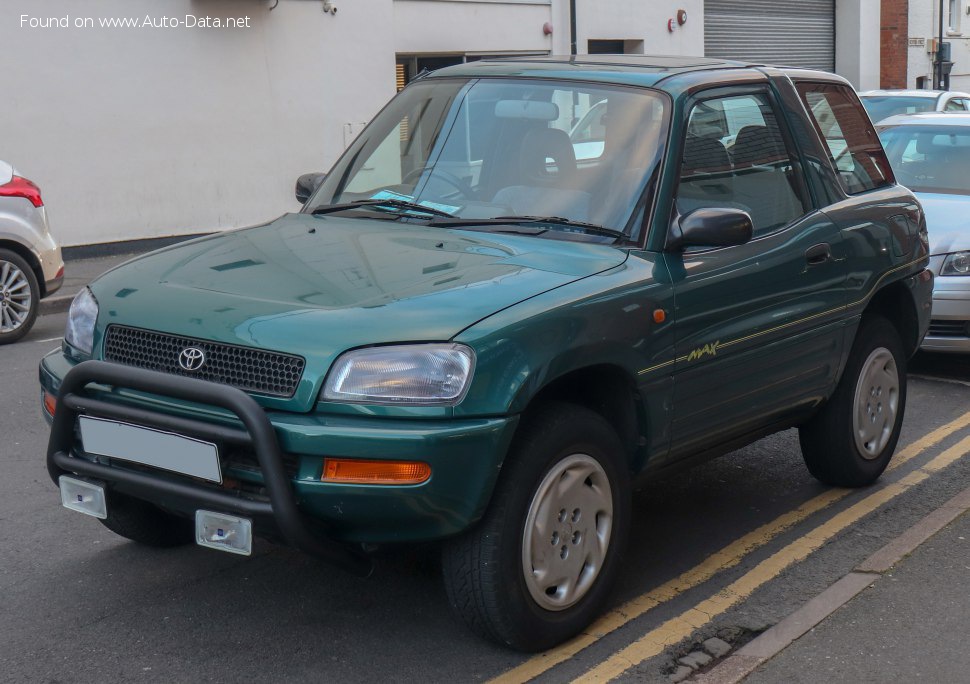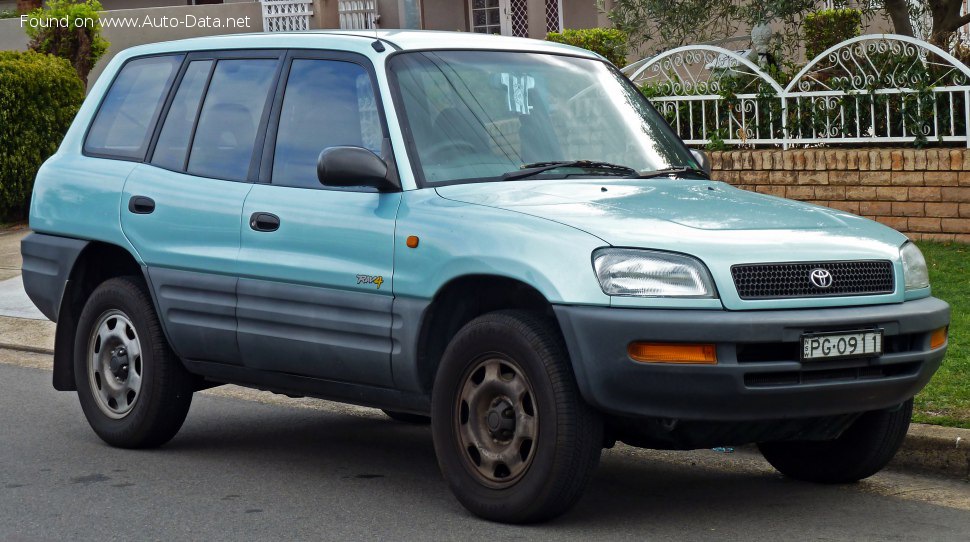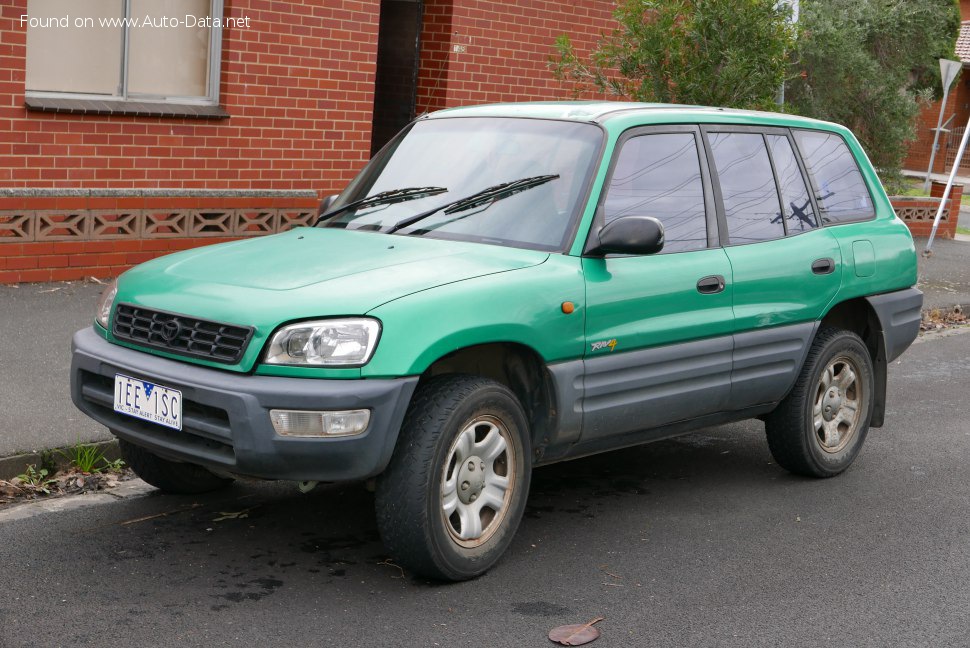
The Pioneering Spirit: Toyota RAV4 I (XA10, Facelift 1997) 5-Door 2.0i 16V (126 Hp) 4WD
The Toyota RAV4, an acronym for “Recreational Activity Vehicle: 4-wheel drive,” debuted in 1994 and is widely credited with kickstarting the modern compact SUV or “crossover” segment. The first generation, internally designated XA10, was a groundbreaking vehicle that blended the practicality and elevated driving position of an SUV with the car-like handling and fuel efficiency of a passenger car. The specific model under review, the
Toyota RAV4 I (XA10, facelift 1997) 5-door 2.0i 16V (126 Hp) 4WD
, represents the refined iteration of this initial trailblazer, produced from January 1997 until 2000. This facelifted model solidified the RAV4’s position in the burgeoning market, offering a more mature design and subtle technical enhancements that further appealed to a broad demographic seeking versatility without the bulk of traditional SUVs. It was a vehicle perfectly suited for both urban commutes and light off-road adventures, proving to be a highly influential design globally, including a strong presence in the United States market where it quickly found favor among consumers.
At its core, the RAV4 was built on a modified platform derived from Toyota’s Corolla and Carina models, giving it a unibody construction that contributed significantly to its comfortable ride and agile handling characteristics, a stark contrast to the truck-based SUVs of the era. The 5-door configuration, in particular, offered enhanced practicality for families and individuals needing more cargo and passenger space than the original 3-door variant. This combination of innovative design, robust engineering, and a focus on driver comfort established the RAV4 as a benchmark for what would become one of the automotive industry’s most popular segments.
Engine and Performance of the Toyota RAV4 I (XA10, facelift 1997)
Powering the
Toyota RAV4 I (XA10, facelift 1997) 5-door 2.0i 16V (126 Hp) 4WD
was Toyota’s reliable 3S-FE inline-four engine. This naturally aspirated 2.0-liter (1998 cm³ or 121.93 cu. in.) gasoline engine was renowned for its durability and smooth operation. Featuring a Double Overhead Camshaft (DOHC) valvetrain with four valves per cylinder, and a multi-port manifold injection system, it delivered a respectable 126 horsepower at 5400 rpm. Torque output stood at 131.29 lb.-ft. at 4400 rpm, providing ample pulling power for daily driving and light hauling.
The engine’s front, transverse layout was typical for a front-wheel-drive biased platform, but in this application, it was coupled with a full-time all-wheel-drive (4WD) system, enhancing traction and stability in varied driving conditions. Power was channeled through a 5-speed manual transmission, offering drivers direct control over the engine’s output and contributing to a more engaging driving experience. This powertrain allowed the RAV4 to reach a maximum speed of 105.63 mph (170 km/h), a decent figure for a compact SUV of its time.
Fuel efficiency was a strong point for the RAV4, especially when compared to larger, less refined SUVs. The combined fuel consumption was rated at an impressive 25 US mpg, with urban driving yielding 18.8 US mpg and extra-urban cruising reaching 30.5 US mpg. These figures underscored the RAV4’s appeal as an economical alternative, making it suitable for a wide range of consumers. The engine’s compression ratio of 9.8:1, combined with its robust construction, ensured consistent performance and longevity, cementing Toyota’s reputation for engineering excellence.
Design and Features
The design of the first-generation RAV4, particularly the 5-door variant, was a masterclass in packaging and aesthetic appeal. With its compact dimensions – a length of 162.01 inches, a width of 66.73 inches, and a height of 65.35 inches – the RAV4 was nimble enough for city streets yet offered a commanding presence. The facelifted 1997 model retained the original’s distinctive “cute ute” styling but introduced subtle refinements, such as updated front and rear fascias, revised lighting, and new wheel designs, giving it a more contemporary look.
The 5-door body type, an SUV, offered seating for five occupants, with a comfortable and surprisingly spacious interior for its class. The elevated seating position provided excellent visibility, a key selling point for SUV buyers. The interior design was functional and ergonomic, featuring durable materials built to withstand the rigors of daily use. Storage was a significant consideration, with a minimum trunk space of 14.44 cu. ft., expandable to a generous 22.78 cu. ft. with the rear seats folded, making it highly versatile for cargo.
Underneath its practical exterior, the RAV4 featured a sophisticated suspension setup for its segment. An independent McPherson strut system at the front and a double wishbone arrangement at the rear contributed to its car-like ride quality and handling. Ventilated disc brakes up front and drum brakes at the rear provided adequate stopping power. The hydraulic power steering system with rack and pinion steering offered precise control and ease of maneuverability, contributing to a minimum turning circle of 35.43 ft. The 215/70 R16 tires mounted on 6.0J x 16 wheel rims provided a good balance of grip and ride comfort, further enhancing its all-around capability.
Technical Specifications
| Category | Specification |
|---|---|
|
General Information |
|
| Brand | Toyota |
| Model | RAV4 |
| Generation | RAV4 I (XA10, facelift 1997) 5-door |
| Type (Engine) | 2.0i 16V (126 Hp) 4WD |
| Start of Production | January, 1997 |
| End of Production | 2000 |
| Powertrain Architecture | Internal Combustion engine |
| Body Type | SUV |
| Seats | 5 |
| Doors | 5 |
|
Performance Specs |
|
| Fuel Consumption (Economy) – Urban | 18.8 US mpg |
| Fuel Consumption (Economy) – Extra Urban | 30.5 US mpg |
| Fuel Consumption (Economy) – Combined | 25 US mpg |
| Fuel Type | Petrol (Gasoline) |
| Maximum Speed | 105.63 mph (170 km/h) |
| Weight-to-Power Ratio | 9.8 kg/Hp, 101.6 Hp/tonne |
| Weight-to-Torque Ratio | 7 kg/Nm, 143.5 Nm/tonne |
|
Engine Specs |
|
| Power | 126 Hp @ 5400 rpm |
| Power per Liter | 63.1 Hp/l |
| Torque | 131.29 lb.-ft. @ 4400 rpm (178 Nm) |
| Engine Layout | Front, Transverse |
| Engine Model/Code | 3S-FE |
| Engine Displacement | 121.93 cu. in. (1998 cm³) |
| Number of Cylinders | 4 |
| Engine Configuration | Inline |
| Cylinder Bore | 3.39 in. (86 mm) |
| Piston Stroke | 3.39 in. (86 mm) |
| Compression Ratio | 9.8:1 |
| Number of Valves per Cylinder | 4 |
| Fuel Injection System | Multi-port manifold injection |
| Engine Aspiration | Naturally aspirated engine |
| Valvetrain | DOHC |
| Engine Oil Capacity | 4.33 US qt (4.1 l) |
| Coolant Capacity | 8.45 US qt (8 l) |
|
Space, Volume and Weights |
|
| Kerb Weight | 2733.73 lbs. (1240 kg) |
| Trunk (Boot) Space – Minimum | 14.44 cu. ft. (409 l) |
| Trunk (Boot) Space – Maximum | 22.78 cu. ft. (645 l) |
| Fuel Tank Capacity | 15.32 US gal (58 l) |
| Permitted Trailer Load with Brakes (12%) | 3306.93 lbs. (1500 kg) |
|
Dimensions |
|
| Length | 162.01 in. (4115 mm) |
| Width | 66.73 in. (1695 mm) |
| Height | 65.35 in. (1660 mm) |
| Wheelbase | 94.88 in. (2410 mm) |
| Front Track | 57.48 in. (1460 mm) |
| Rear (Back) Track | 57.68 in. (1465 mm) |
| Minimum Turning Circle (Turning Diameter) | 35.43 ft. (10.8 m) |
|
Drivetrain, Brakes and Suspension Specs |
|
| Drive Wheel | All wheel drive (4×4) |
| Number of Gears and Type of Gearbox | 5 gears, manual transmission |
| Front Suspension | Independent type McPherson |
| Rear Suspension | Double wishbone |
| Front Brakes | Ventilated discs |
| Rear Brakes | Drum |
| Steering Type | Steering rack and pinion |
| Power Steering | Hydraulic Steering |
| Tires Size | 215/70 R16 |
| Wheel Rims Size | 6.0J x 16 |
Legacy and Market Impact
The Toyota RAV4’s legacy is immense, particularly the first generation (XA10) and its facelifted 1997 iteration. It was not merely a new model; it was a category-defining vehicle that essentially created the compact crossover SUV segment. Before the RAV4, SUVs were largely rugged, truck-based vehicles known for their off-road prowess but often criticized for their unwieldy handling, poor fuel economy, and truck-like ride on paved roads. The RAV4 shattered this paradigm by offering a vehicle that combined the desirable attributes of an SUV – higher ground clearance, available all-wheel drive, and a commanding driving position – with the comfort, efficiency, and maneuverability of a passenger car.
In the American market, the RAV4 found immediate success, appealing to a broad range of buyers from young professionals to small families. Its compact size made it city-friendly, while its optional 4WD system provided confidence in adverse weather conditions or for light recreational activities. Competitors were quick to follow suit, with models like the Honda CR-V, Subaru Forester, and Suzuki Vitara emerging to vie for market share in this newly established segment. However, the RAV4 had already set the standard, establishing itself as a reliable, practical, and fun-to-drive option.
The 1997 facelift, though subtle, ensured the RAV4 remained competitive and fresh, signaling Toyota’s commitment to refining its successful formula. The 5-door variant, with its enhanced practicality and increased cargo volume, was particularly impactful in solidifying its appeal as a family vehicle. The RAV4 proved that consumers desired a vehicle that could seamlessly transition between daily commuting and weekend adventures without compromise. Its influence can still be seen today in the vast and diverse crossover market, which continues to be one of the most popular and fastest-growing segments in the automotive industry. The first-generation RAV4, especially this refined 1997 model, holds a significant place in automotive history as a true pioneer that reshaped consumer expectations and the entire vehicle landscape.