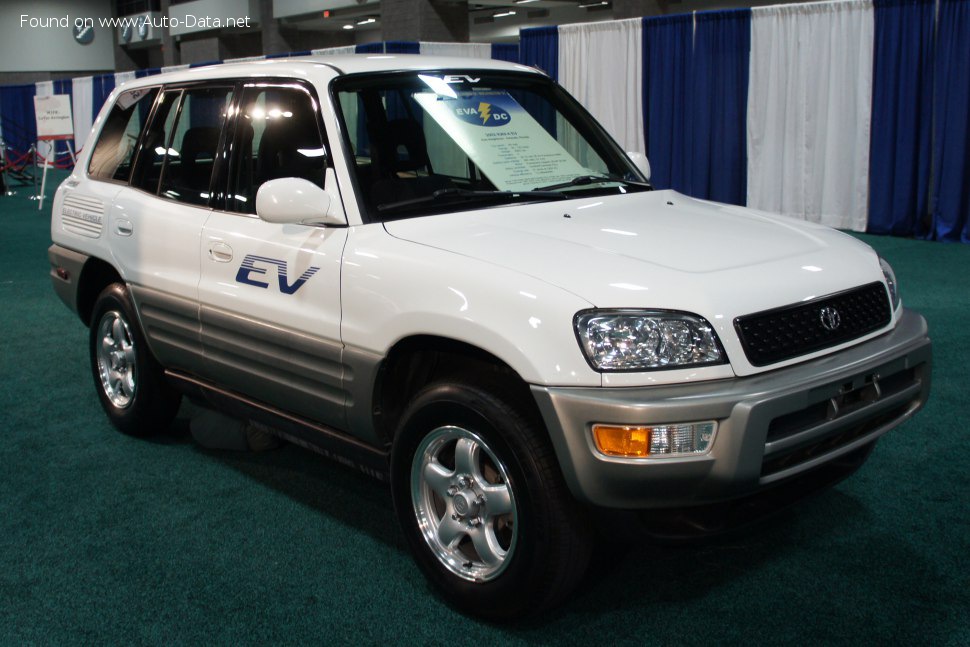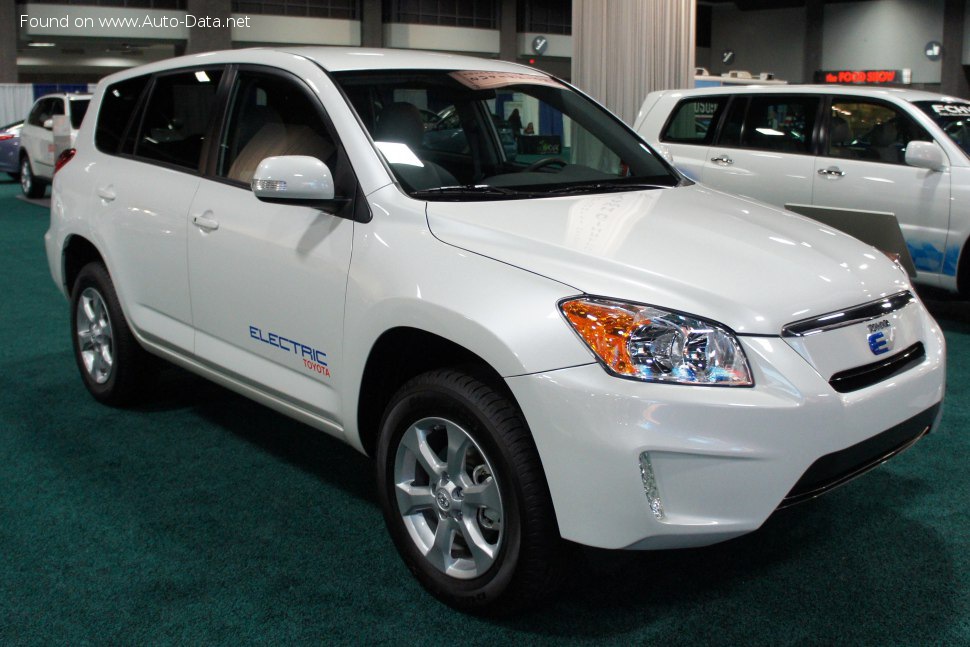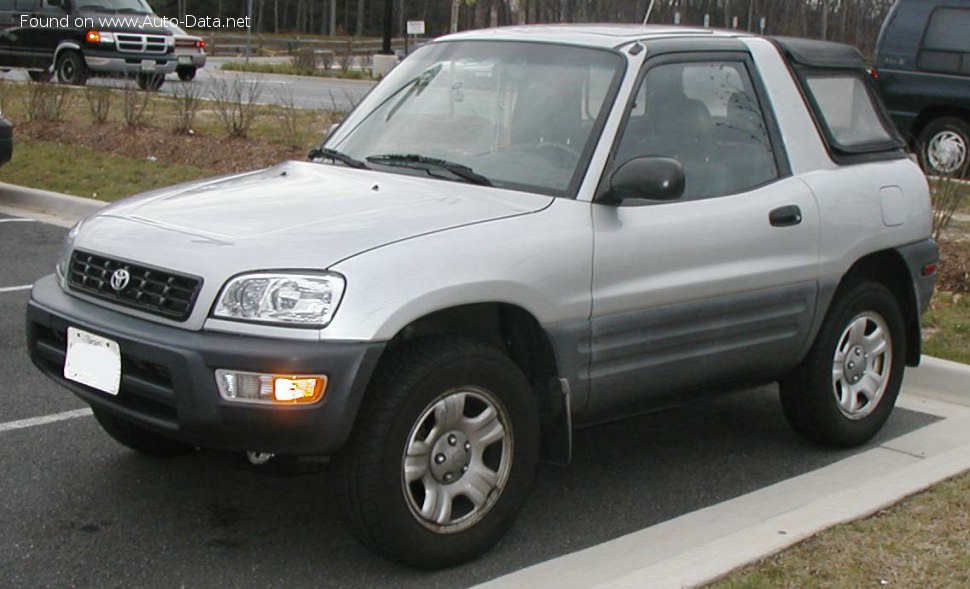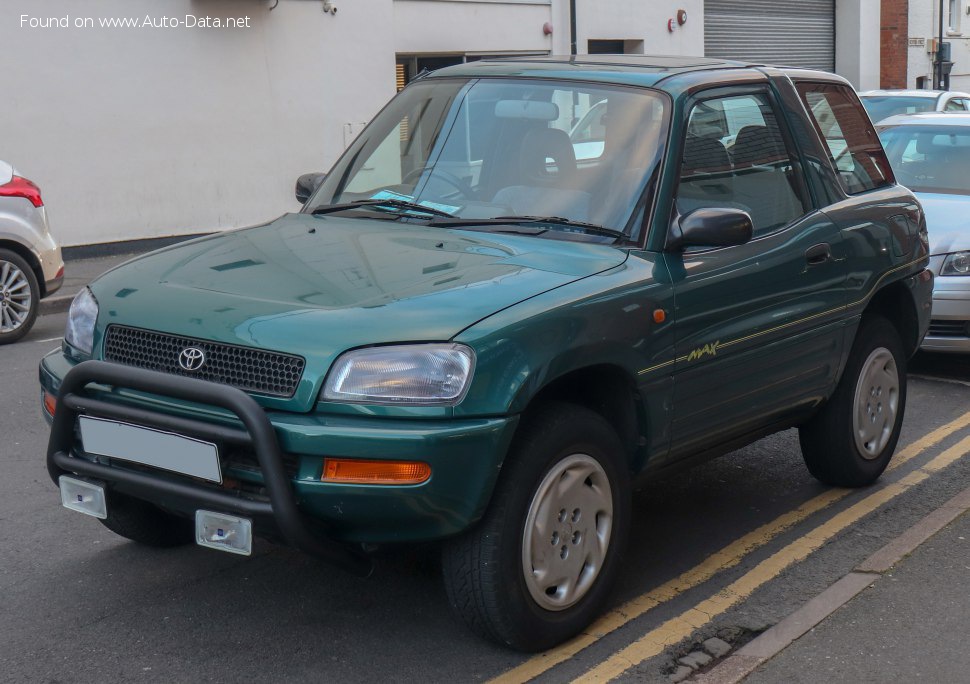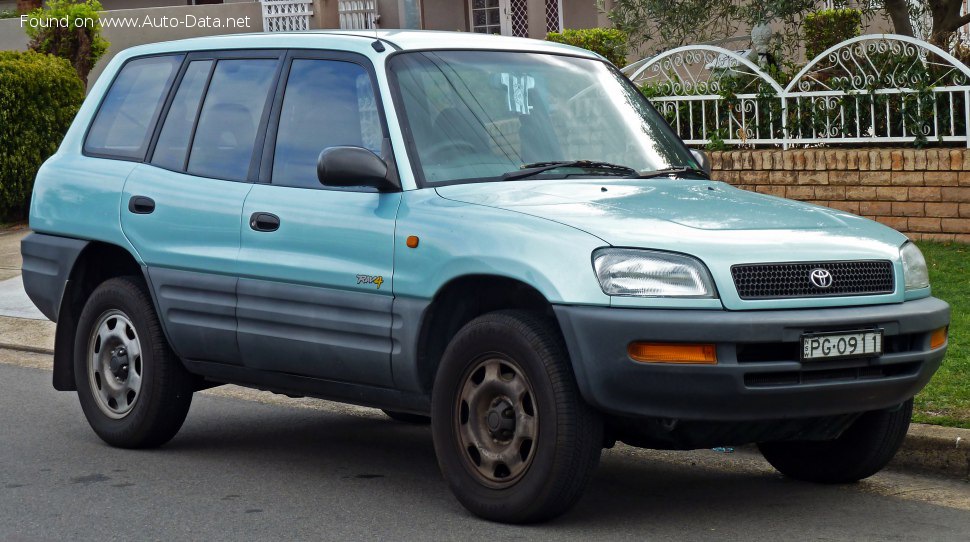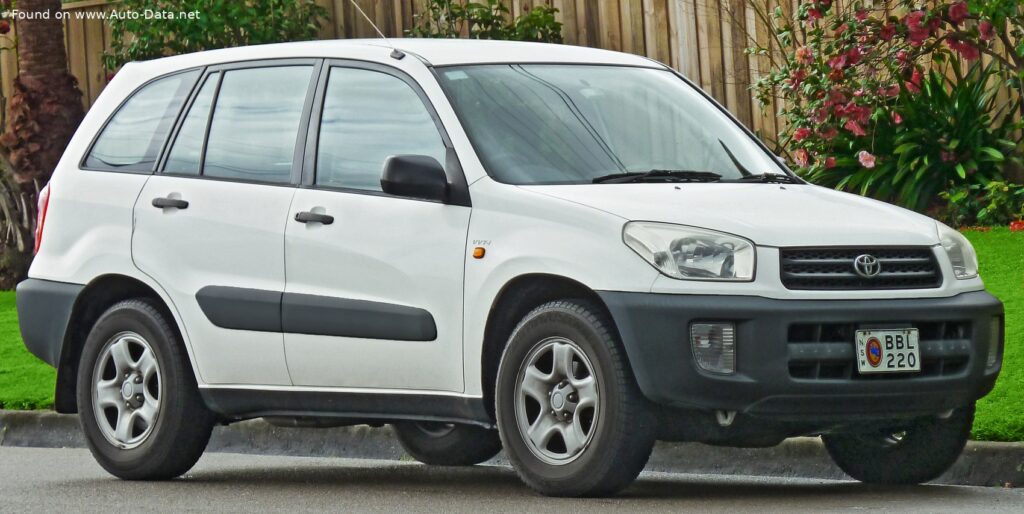
The Toyota RAV4 II (XA20) 5-door 2.0i 16V (150 Hp) 4WD Automatic: A Pioneer of the Modern Crossover
The Toyota RAV4, an acronym for “Recreational Activity Vehicle: 4-wheel drive,” debuted in 1994, pioneering the compact SUV segment. Its second generation, internally designated XA20, built upon this successful formula, further solidifying its reputation as a versatile and practical crossover. Produced from 2000 to 2005, the XA20 series aimed to refine the RAV4’s car-like driving dynamics while enhancing its utility and off-road capability, albeit in a lighter-duty context than traditional SUVs. This article focuses on a popular variant from the early production run: the Toyota RAV4 II (XA20) 5-door 2.0i 16V (150 Hp) 4WD Automatic, a model that underscored Toyota’s commitment to innovation in the rapidly expanding compact utility vehicle market.
Launched in 2000, this specific configuration represented a significant step forward for the RAV4, offering a more refined driving experience, improved interior space, and a suite of modern features for its time. It quickly became a staple in numerous global markets, including North America, where its blend of efficiency, reliability, and all-weather capability resonated strongly with consumers seeking an alternative to larger, less fuel-efficient SUVs and traditional sedans.
Engine and Performance of the Toyota RAV4 II (XA20)
At the heart of the Toyota RAV4 II (XA20) 5-door 2.0i 16V (150 Hp) 4WD Automatic was Toyota’s robust 1AZ-FE engine. This 2.0-liter (1998 cm³ or 121.93 cu. in.) inline four-cylinder powerplant was engineered for a balance of smooth power delivery and reasonable fuel economy. Featuring a DOHC (Double Overhead Camshaft) valvetrain with 16 valves (four per cylinder), the naturally aspirated engine utilized multi-port manifold injection to achieve optimal combustion efficiency.
The 1AZ-FE engine generated a respectable 150 horsepower at 6000 rpm, providing ample thrust for daily driving and light highway cruising. Torque output stood at 192 Nm (approximately 141.61 lb.-ft.) at a accessible 4000 rpm, ensuring good low-to-mid range responsiveness. This power was channeled through a 4-speed automatic transmission, which, while not as sophisticated as modern multi-speed units, provided smooth and predictable shifts suitable for the vehicle’s intended purpose.
Performance figures for this variant were competitive for its class during the early 2000s. The RAV4 II could accelerate from 0 to 60 mph in a calculated 10.3 seconds, with a top speed of 108.74 mph (175 km/h). Its powertrain architecture, featuring a front, transverse engine layout combined with a permanent All-Wheel Drive (4×4) system, provided enhanced traction and stability across various driving conditions, from paved roads to light off-road trails. The vehicle’s weight-to-power ratio was 8.5 kg/Hp (117.6 Hp per tonne), indicating a nimble feel for a compact SUV.
Fuel efficiency was another strong suit for the RAV4 II. The combined fuel consumption was rated at 9.3 liters per 100 km, which translates to an impressive 25.3 US mpg. Urban driving yielded about 19 US mpg (12.4 l/100 km), while extra-urban (highway) driving improved to 30.9 US mpg (7.6 l/100 km). With a 15.06 US gallon (57-liter) fuel tank, the RAV4 offered a decent cruising range, making it a practical choice for both city dwellers and those embarking on longer journeys.
Design and Features
The second-generation RAV4, including the Toyota RAV4 II (XA20) 5-door, evolved the design language of its predecessor, presenting a more mature and refined aesthetic. It retained the classic SUV silhouette but with smoother lines and a less angular profile, appealing to a broader audience. The 5-door body type offered excellent practicality, accommodating five occupants comfortably and providing easy access to both front and rear seats.
Dimensions for the 5-door model ranged from 165.35 to 167.72 inches in length (4200-4260 mm), 68.31 to 70.28 inches in width (1735-1785 mm), and 67.13 to 67.32 inches in height (1705-1710 mm). A wheelbase of 98.03 inches (2490 mm) contributed to a stable ride and a surprisingly spacious interior for a vehicle of its footprint. The minimum turning circle of 36.75 feet (11.2 m) made it maneuverable in urban environments, a key factor for its target demographic.
Inside, the RAV4 II prioritized functionality and comfort. The cabin was designed with durable materials and thoughtful ergonomics. Cargo capacity was a significant advantage, with a minimum trunk space of 14.48 cu. ft. (410 liters), expandable to a generous 34.26 cu. ft. (970 liters) with the rear seats folded down, making it highly versatile for carrying luggage, groceries, or recreational gear. The vehicle’s kerb weight ranged from 2810.89 to 3053.4 lbs. (1275-1385 kg), with a maximum permissible weight of 4023.44 lbs. (1825 kg), allowing for a substantial payload.
The chassis featured an independent McPherson strut front suspension and a double wishbone rear suspension, a setup that provided a comfortable ride quality and capable handling, characteristic of Toyota’s passenger car platforms. This contributed to its “car-like” driving feel, distinguishing it from more truck-based SUVs. Braking was handled by ventilated discs at the front and solid discs at the rear, complemented by an Anti-lock Braking System (ABS) for enhanced safety. Steering was a hydraulic rack and pinion system, offering direct and predictable feedback. Standard tire sizes included 215/70 R16 or 235/60 R16, mounted on 6.5J x 16-inch wheel rims.
Technical Specifications: Toyota RAV4 II (XA20) 5-door 2.0i 16V (150 Hp) 4WD Automatic
| Category | Specification |
|---|---|
| General Information | |
| Brand | Toyota |
| Model | RAV4 |
| Generation | RAV4 II (XA20) 5-door |
| Type (Engine) | 2.0i 16V (150 Hp) 4WD Automatic |
| Start of Production | 2000 year |
| End of Production | 2003 year |
| Powertrain Architecture | Internal Combustion engine |
| Body Type | SUV |
| Seats | 5 |
| Doors | 5 |
| Performance Specs | |
| Fuel Consumption (Urban) | 12.4 l/100 km (19 US mpg) |
| Fuel Consumption (Extra Urban) | 7.6 l/100 km (30.9 US mpg) |
| Fuel Consumption (Combined) | 9.3 l/100 km (25.3 US mpg) |
| Fuel Type | Petrol (Gasoline) |
| Acceleration 0 – 60 mph | 10.3 sec |
| Maximum Speed | 108.74 mph (175 km/h) |
| Weight-to-Power Ratio | 8.5 kg/Hp (117.6 Hp/tonne) |
| Weight-to-Torque Ratio | 6.6 kg/Nm (150.6 Nm/tonne) |
| Engine Specs | |
| Power | 150 Hp @ 6000 rpm |
| Power per liter | 75.1 Hp/l |
| Torque | 192 Nm @ 4000 rpm (141.61 lb.-ft. @ 4000 rpm) |
| Engine Layout | Front, Transverse |
| Engine Model/Code | 1AZ-FE |
| Engine Displacement | 1998 cm³ (2.0 l / 121.93 cu. in.) |
| Number of Cylinders | 4 |
| Engine Configuration | Inline |
| Cylinder Bore | 86 mm (3.39 in.) |
| Piston Stroke | 86 mm (3.39 in.) |
| Compression Ratio | 9.8:1 |
| Number of Valves per Cylinder | 4 |
| Fuel Injection System | Multi-port manifold injection |
| Engine Aspiration | Naturally aspirated engine |
| Valvetrain | DOHC |
| Engine Oil Capacity | 4.2 l (4.44 US qt) |
| Coolant Capacity | 6.2 l (6.55 US qt) |
| Space, Volume and Weights | |
| Kerb Weight | 1275-1385 kg (2810.89 – 3053.4 lbs.) |
| Max. Weight | 1825 kg (4023.44 lbs.) |
| Max Load | 440-550 kg (970.03 – 1212.54 lbs.) |
| Trunk (boot) space – minimum | 410 l (14.48 cu. ft.) |
| Trunk (boot) space – maximum | 970 l (34.26 cu. ft.) |
| Fuel Tank Capacity | 57 l (15.06 US gal) |
| Dimensions | |
| Length | 4200-4260 mm (165.35 – 167.72 in.) |
| Width | 1735-1785 mm (68.31 – 70.28 in.) |
| Height | 1705-1710 mm (67.13 – 67.32 in.) |
| Wheelbase | 2490 mm (98.03 in.) |
| Front Track | 1505-1525 mm (59.25 – 60.04 in.) |
| Rear (Back) Track | 1495-1520 mm (58.86 – 59.84 in.) |
| Drag Coefficient (Cd) | 0.35 |
| Minimum Turning Circle | 11.2 m (36.75 ft.) |
| Drivetrain, Brakes and Suspension Specs | |
| Drive Wheel | All wheel drive (4×4) |
| Number of Gears and Type of Gearbox | 4 gears, automatic transmission |
| Front Suspension | Independent type McPherson |
| Rear Suspension | Double wishbone |
| Front Brakes | Ventilated discs |
| Rear Brakes | Disc |
| Assisting Systems | ABS (Anti-lock braking system) |
| Steering Type | Steering rack and pinion |
| Power Steering | Hydraulic Steering |
| Tires Size | 215/70 R16; 235/60 R16 |
| Wheel Rims Size | 6.5J x 16 |
Legacy and Market Impact
The Toyota RAV4 II (XA20) continued the legacy of its groundbreaking predecessor, further cementing the RAV4’s position as a dominant force in the compact crossover segment. It was a crucial model in defining what a modern crossover should be: a vehicle that combined the higher driving position and rugged aesthetics of an SUV with the fuel efficiency, maneuverability, and comfortable ride of a passenger car. This “soft-roader” concept proved immensely popular, particularly in the North American market, where consumers were increasingly moving away from traditional sedans but found full-size SUVs too cumbersome and thirsty.
In its primary markets, including the USA, Europe, and Asia, the XA20 RAV4 faced stiff competition from rivals such as the Honda CR-V, Subaru Forester, and Suzuki Grand Vitara. However, the RAV4 consistently stood out due to Toyota’s renowned reputation for reliability, durability, and strong resale value. Its available 4WD system, even though not designed for extreme off-roading, provided significant peace of mind in adverse weather conditions, making it an ideal family vehicle for diverse climates.
The Toyota RAV4 II (XA20) 5-door 2.0i 16V (150 Hp) 4WD Automatic particularly exemplified this blend of practicality and capability. Its efficient 2.0-liter engine provided adequate power without sacrificing fuel economy, a critical factor for many buyers. The automatic transmission made it easy to drive, enhancing its appeal to a broad demographic, including urban commuters and suburban families.
The success of the XA20 generation paved the way for the RAV4 to become one of the best-selling vehicles globally and a cornerstone of Toyota’s lineup. It demonstrated Toyota’s foresight in recognizing the burgeoning demand for smaller, more efficient utility vehicles. The RAV4’s impact is still evident today, as the compact crossover segment continues to be one of the most competitive and fastest-growing in the automotive industry, with countless models drawing inspiration from the original RAV4’s pioneering formula. Its blend of sensible engineering, practical design, and unwavering reliability ensured its place as a beloved and historically significant vehicle in the automotive landscape.