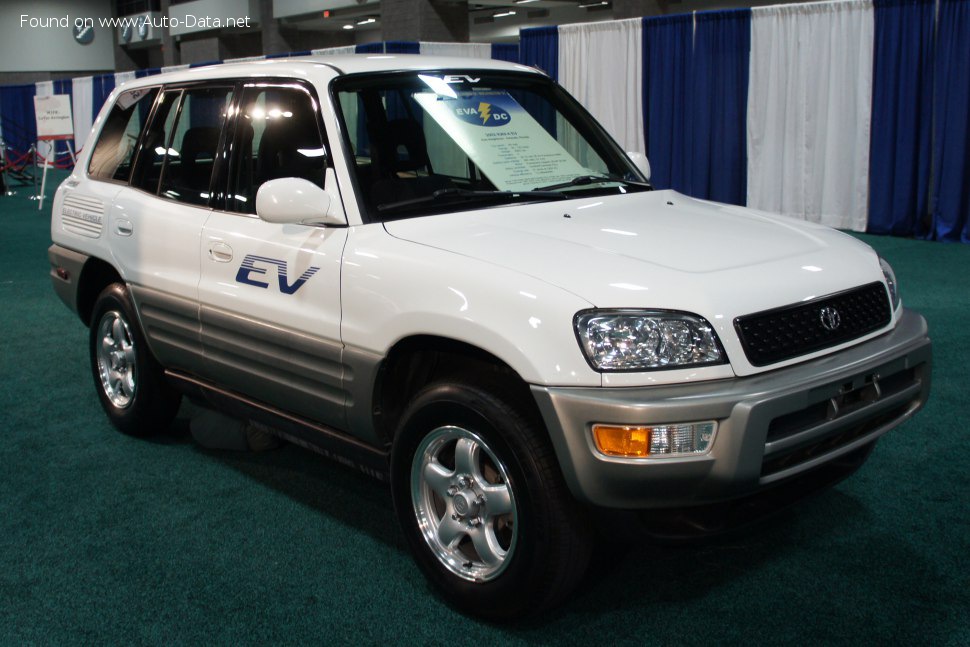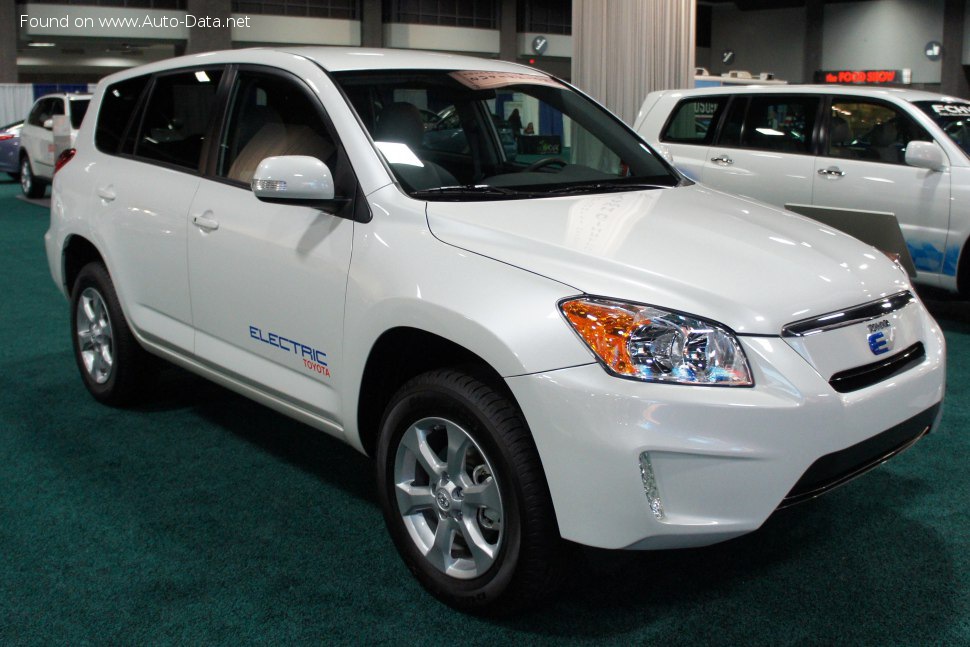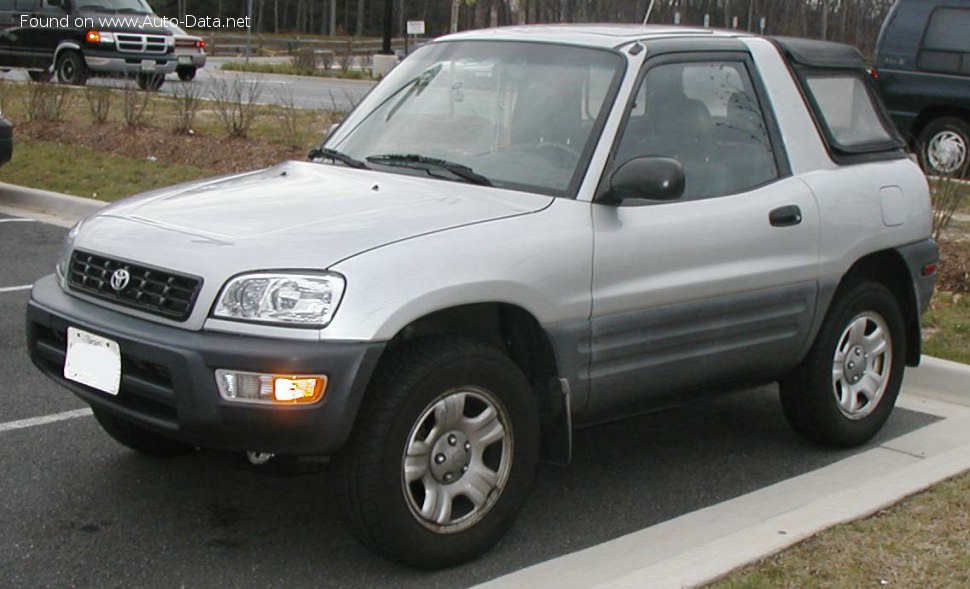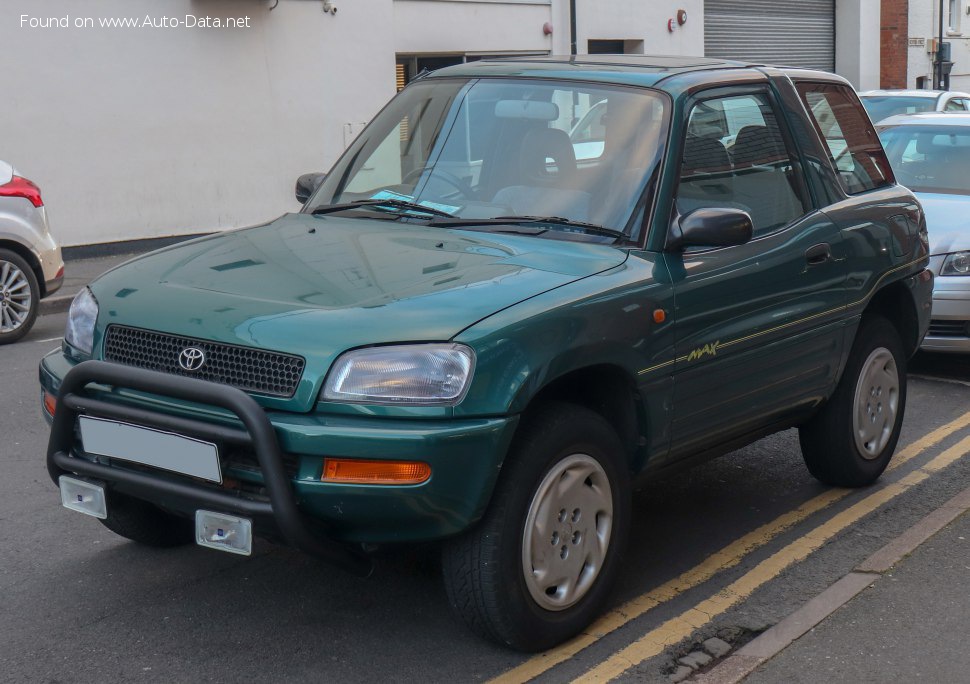
The Toyota RAV4 II (XA20, facelift 2003) Facelift: Refining a Pioneer
The Toyota RAV4, an acronym for “Recreational Activity Vehicle: 4-wheel drive,” revolutionized the automotive landscape upon its introduction in 1994, essentially creating the compact SUV segment. By the time the second generation, the XA20 series, debuted in 2000, the RAV4 had firmly established itself as a global sales leader. The Toyota RAV4 II (XA20, facelift 2003) represented a crucial mid-cycle refresh, enhancing an already successful formula with updated styling, improved powertrains, and refined features. This particular variant, the 5-door 2.4i with 161 horsepower and an automatic transmission, was a popular choice in markets like the United States, offering a compelling blend of practicality, reliability, and comfortable performance for a growing demographic of consumers seeking SUV versatility without the bulk of traditional body-on-frame models.
Produced from 2003 to 2005, this facelifted XA20 model built upon the strengths of its predecessor. It retained the unibody construction, which was a key differentiator from larger, truck-based SUVs, offering a car-like ride and handling while providing higher ground clearance and a more commanding driving position. The 2003 facelift brought subtle but effective changes, primarily to the exterior styling and powertrain options, aiming to keep the RAV4 competitive in an increasingly crowded segment it had pioneered. Its role in the US market was significant, appealing to families and individuals looking for a dependable daily driver capable of handling varied conditions, from urban commutes to light off-road excursions, all while delivering respectable fuel economy for its class.
Engine and Performance: The 2.4i Powerplant
At the heart of the Toyota RAV4 II (XA20, facelift 2003) 2.4i model was Toyota’s venerable 2AZ-FE engine. This naturally aspirated, 2.4-liter (2362 cm3 or 144.14 cu. in.) inline four-cylinder engine was a workhorse, renowned for its robustness and smooth operation. Featuring a DOHC (Double Overhead Camshaft) valvetrain with four valves per cylinder and multi-port manifold fuel injection, it delivered a healthy 161 horsepower at 6000 rpm. This output represented a notable increase over the earlier 2.0-liter engine options, providing more confident acceleration and improved highway passing power, which was particularly appreciated in the American market.
Torque figures for this powerplant stood at 224 Nm (165.21 lb-ft) available at a relatively low 4000 rpm, ensuring responsive performance in everyday driving situations. The engine’s layout was front, transverse, contributing to efficient packaging and maximizing interior space. Power was managed by a four-speed automatic transmission, a common setup for compact SUVs of its era. While not the most advanced transmission by today’s standards, it was known for its smooth shifts and reliability, perfectly complementing the engine’s character.
This specific variant featured a front-wheel-drive (FWD) architecture, meaning the internal combustion engine drove the front wheels. While many RAV4s were offered with all-wheel drive, the FWD configuration contributed to slightly better fuel efficiency and a lower curb weight of 2963.01 lbs (1344 kg). The vehicle’s weight-to-power ratio was a respectable 8.3 kg/Hp (119.8 Hp/tonne), indicating a lively feel for a compact SUV. Fuel economy was competitive, with an urban rating of 24 US mpg (9.8 l/100 km) and an extra-urban rating of 28 US mpg (8.4 l/100 km) for gasoline (petrol) fuel type. The 14.79 US gallon (56 l) fuel tank provided a decent cruising range.
Design and Features: Practicality Meets Style
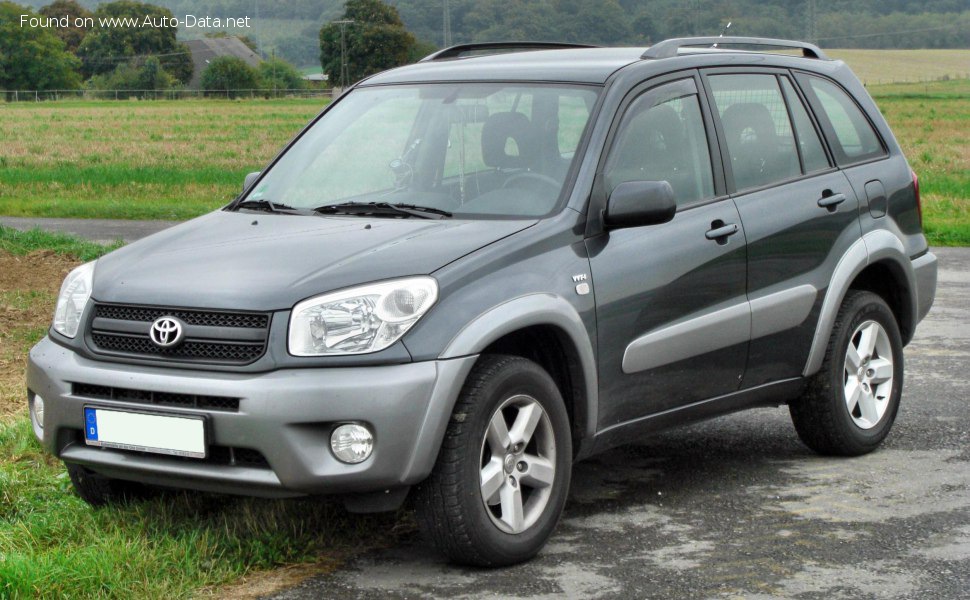
The Toyota RAV4 II (XA20, facelift 2003) 5-door retained its distinct compact SUV silhouette, characterized by a relatively short wheelbase (98.03 inches or 2490 mm) and minimal overhangs, which contributed to its nimble handling and maneuverability. The facelift introduced subtle cosmetic enhancements, including revised front and rear bumpers, updated grille designs, and new headlight and taillight clusters, giving it a fresher, more modern appearance. The overall design was clean and functional, avoiding overly aggressive styling in favor of broad appeal.
As a 5-door SUV, it comfortably seated five occupants, offering easy ingress and egress. The interior was designed with practicality in mind, featuring durable materials and a straightforward, ergonomic layout. Cargo space was a significant selling point, with a minimum trunk capacity of 23.94 cu. ft. (678 l), expanding to an impressive 67.42 cu. ft. (1909 l) with the rear seats folded, making it highly versatile for hauling luggage, groceries, or sports equipment. The vehicle’s dimensions, with a length ranging from 165.55 to 167.52 inches, a width of 68.31 to 70.28 inches, and a height of 65.75 to 66.14 inches, made it easy to navigate city streets and park.
Underneath, the RAV4 featured an independent front suspension with McPherson struts, coil springs, and an anti-roll bar, paired with a double wishbone and trailing arm rear suspension. This setup provided a comfortable ride quality and stable handling. Braking was handled by ventilated discs at the front and disc brakes at the rear, augmented by an Anti-lock Braking System (ABS), a crucial safety feature for the time. The hydraulic rack and pinion steering provided good feedback, and the 6.3-inch ground clearance, combined with approach and departure angles of 27° and 28° respectively, offered reasonable capability for light off-road excursions or navigating rough terrain. Standard tires were 215/70 R16 on 6.5J x 16 wheels.
Technical Specifications of the Toyota RAV4 II (XA20, facelift 2003)
| Category | Specification | Value (US Units) |
|---|---|---|
| General Information | ||
| Brand | Toyota | |
| Model | RAV4 | |
| Generation | RAV4 II (XA20, facelift 2003) 5-door | |
| Type (Engine) | 2.4i (161 Hp) Automatic | |
| Start of production | 2003 year | |
| End of production | 2005 year | |
| Powertrain Architecture | Internal Combustion engine | |
| Body type | SUV | |
| Seats | 5 | |
| Doors | 5 | |
| Performance Specs | ||
| Fuel consumption (economy) – urban | 9.8 l/100 km | 24 US mpg |
| Fuel consumption (economy) – extra urban | 8.4 l/100 km | 28 US mpg |
| Fuel Type | Petrol (Gasoline) | |
| Weight-to-power ratio | 8.3 kg/Hp | 119.8 Hp/tonne |
| Weight-to-torque ratio | 6 kg/Nm | 166.7 Nm/tonne |
| Engine Specs | ||
| Power | 161 Hp @ 6000 rpm. | |
| Power per liter | 68.2 Hp/l | |
| Torque | 224 Nm @ 4000 rpm. | 165.21 lb.-ft. @ 4000 rpm. |
| Engine layout | Front, Transverse | |
| Engine Model/Code | 2AZ-FE | |
| Engine displacement | 2362 cm3 | 144.14 cu. in. (2.4 L) |
| Number of cylinders | 4 | |
| Engine configuration | Inline | |
| Cylinder Bore | 88.5 mm | 3.48 in. |
| Piston Stroke | 96 mm | 3.78 in. |
| Compression ratio | 9.8:1 | |
| Number of valves per cylinder | 4 | |
| Fuel injection system | Multi-port manifold injection | |
| Engine aspiration | Naturally aspirated engine | |
| Valvetrain | DOHC | |
| Engine oil capacity | 3.8 l | 4.02 US qt |
| Coolant | 6.8 l | 7.19 US qt |
| Space, Volume and Weights | ||
| Kerb Weight | 1344 kg | 2963.01 lbs. |
| Max. weight | 1833 kg | 4041.07 lbs. |
| Max load | 489 kg | 1078.06 lbs. |
| Trunk (boot) space – minimum | 678 l | 23.94 cu. ft. |
| Trunk (boot) space – maximum | 1909 l | 67.42 cu. ft. |
| Fuel tank capacity | 56 l | 14.79 US gal |
| Permitted trailer load with brakes (12%) | 1500 kg | 3306.93 lbs. |
| Permitted trailer load without brakes | 680 kg | 1499.14 lbs. |
| Dimensions | ||
| Length | 4205-4255 mm | 165.55 – 167.52 in. |
| Width | 1735-1785 mm | 68.31 – 70.28 in. |
| Height | 1670-1680 mm | 65.75 – 66.14 in. |
| Wheelbase | 2490 mm | 98.03 in. |
| Front track | 1505 mm | 59.25 in. |
| Rear (Back) track | 1495 mm | 58.86 in. |
| Ride height (ground clearance) | 160 mm | 6.3 in. |
| Drag coefficient (Cd) | 0.33 | |
| Minimum turning circle (turning diameter) | 10.7 m | 35.1 ft. |
| Approach angle | 27° | |
| Departure angle | 28° | |
| Drivetrain, Brakes and Suspension Specs | ||
| Drivetrain Architecture | The Internal combustion engine (ICE) drives the front wheels of the vehicle. | |
| Drive wheel | Front wheel drive | |
| Number of gears and type of gearbox | 4 gears, automatic transmission | |
| Front suspension | Independent, type McPherson with coil spring and anti-roll bar | |
| Rear suspension | Double wishbone, Trailing arm | |
| Front brakes | Ventilated discs | |
| Rear brakes | Disc | |
| Assisting systems | ABS (Anti-lock braking system) | |
| Steering type | Steering rack and pinion | |
| Power steering | Hydraulic Steering | |
| Tires size | 215/70 R16 | |
| Wheel rims size | 6.5J x 16 | |
Legacy and Market Impact
The Toyota RAV4 II (XA20, facelift 2003), particularly the 2.4i automatic FWD variant, played a pivotal role in solidifying the RAV4’s position as a dominant force in the compact SUV segment in the United States and globally. At a time when consumers were increasingly migrating from sedans to SUVs, the RAV4 offered an ideal compromise: the practicality and versatility of an SUV with the driving dynamics and fuel efficiency closer to a car. Its compact footprint made it suitable for urban environments, while its elevated driving position and cargo capacity appealed to those seeking more utility.
Competitors in its region during this period included the Honda CR-V, Ford Escape, Subaru Forester, and Nissan X-Trail (in markets where it was sold). The RAV4 consistently stood out for its legendary Toyota reliability, strong resale value, and well-rounded performance. The introduction of the more powerful 2.4-liter engine with the facelift addressed criticisms regarding the previous 2.0-liter’s power output, making it more appealing to American drivers accustomed to larger engines.
The XA20 generation, and especially the refreshed 2003-2005 models, cemented the RAV4’s reputation as a dependable, no-nonsense vehicle that delivered on its promises. It continued to pave the way for subsequent generations of compact crossovers, influencing the design and engineering of countless rivals. Its lasting legacy is evident in the current automotive landscape, where compact SUVs like the RAV4 are among the best-selling vehicles, a trend that Toyota largely helped to initiate and sustain. Even today, these second-generation RAV4s are often found on roads, a testament to their enduring build quality and mechanical fortitude. The 2003 facelift was not just a cosmetic update; it was a strategic move that ensured the RAV4 remained a relevant and highly competitive option, further embedding its status as an automotive icon.