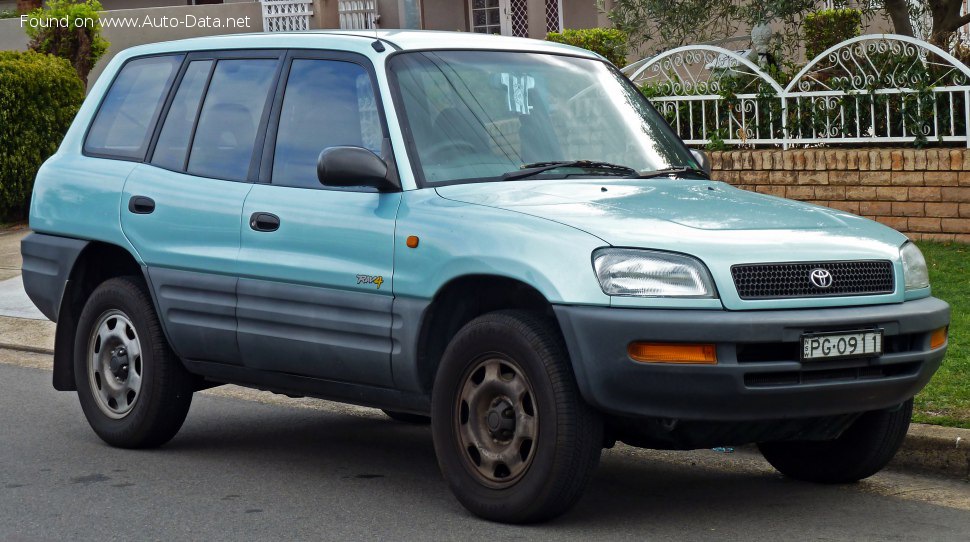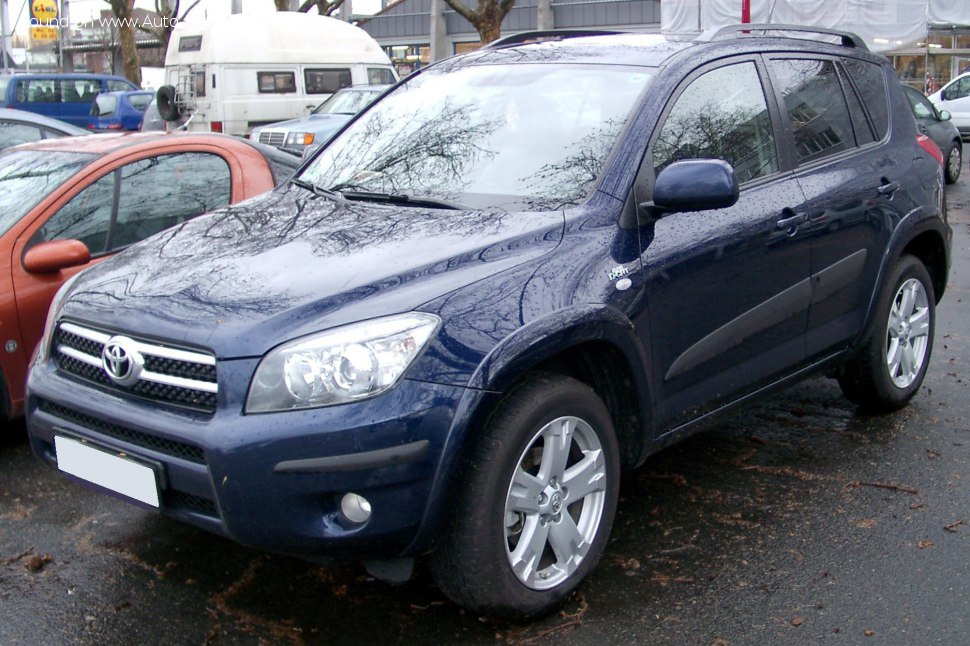
The Toyota RAV4 III (XA30): A Global Compact SUV Stalwart (2008-2013)
The Toyota RAV4, an acronym for “Recreational Activity Vehicle: 4-wheel drive,” has long been a pioneering force in the compact SUV segment. The third generation, known internally as the XA30, represented a significant evolution for the model, moving away from its more rudimentary, car-like origins to embrace a more mature and refined SUV persona. Produced from 2005 to 2013, with a notable refresh in 2008, the Toyota RAV4 III (XA30) was a global vehicle, adapting its powertrain offerings to suit diverse international markets. This detailed analysis focuses on a specific variant, the 2.0 VVT-i (152 Hp) 4WD, produced from November 2008 until the end of the XA30’s production run in 2013. While the North American market primarily received larger displacement engines, this 2.0-liter variant was a cornerstone of the RAV4’s success in regions like Europe and Asia, where efficiency and local taxation structures favored smaller, yet capable, powertrains. It epitomized Toyota’s commitment to delivering reliable, versatile, and fuel-efficient vehicles in the burgeoning compact SUV category.
Engine and Performance of the Toyota RAV4 III (XA30) 2.0 VVT-i
Under the hood of this particular Toyota RAV4 III (XA30) variant lay a naturally aspirated 2.0-liter (1998 cm3 or 121.93 cu. in.) inline four-cylinder engine, designated by Toyota as the 3ZR-FAE. This powerplant was equipped with Toyota’s renowned VVT-i (Variable Valve Timing intelligent) system, a technology designed to optimize valve overlap and lift for improved power delivery across the RPM range and enhanced fuel efficiency. With a DOHC (Dual Overhead Camshaft) valvetrain and four valves per cylinder, the engine produced a respectable 152 horsepower at 6000 rpm. Torque output stood at 194 Nm (143.09 lb.-ft.) peaking at 4000 rpm, providing adequate pulling power for daily driving and light off-road excursions.
Power was routed through a 5-speed manual transmission to a sophisticated all-wheel-drive (4×4) system, offering enhanced traction and stability, particularly in adverse weather conditions or on unpaved roads. This combination allowed the RAV4 2.0 VVT-i to accelerate from 0 to 60 mph in a competitive 10.1 seconds, with a top speed of approximately 115 mph (185 km/h).
Fuel economy was a key selling point in the markets where this engine was prevalent. The official combined cycle rating was 8.6 liters per 100 kilometers, translating to an estimated 27.4 US mpg. Urban consumption was rated at 11 l/100 km (21.4 US mpg), while extra-urban driving achieved 7.2 l/100 km (32.7 US mpg). With CO2 emissions of 202 g/km, it met the Euro 4 emission standard, reflecting the environmental considerations of its time. The engine’s design, including its 9.8:1 compression ratio and multi-port manifold injection system, contributed to its reputation for reliability and smooth operation, characteristic of Toyota engineering.
Design and Features
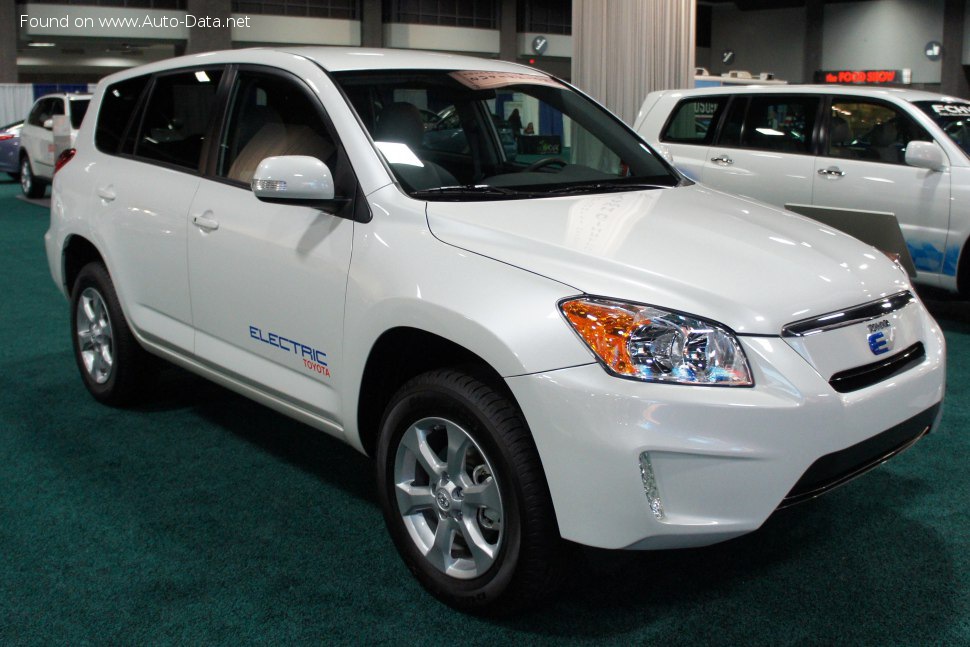
The third-generation RAV4 (XA30) marked a departure from the more angular and compact styling of its predecessors. It adopted a smoother, more aerodynamic form, evidenced by its drag coefficient (Cd) of 0.31. The 2008 refresh brought subtle updates, including revised front fascias, grilles, and taillights, keeping the design fresh and contemporary. As an SUV with five doors and seating for five, it offered a practical and spacious cabin. Its dimensions ranged from 169.88 to 173.03 inches in length, 71.46 inches in width, and 66.34 to 67.72 inches in height, with a wheelbase of 100.79 inches. These proportions contributed to its stable road presence and maneuverability, highlighted by a minimum turning circle of 33.46 feet.
Inside, the RAV4 XA30 provided a comfortable and ergonomic environment. The 586 liters (20.69 cu. ft.) of trunk space, expandable by folding the rear seats, offered significant cargo versatility, making it suitable for families and active lifestyles. The vehicle’s kerb weight of 3229.77 lbs (1465 kg) and a maximum permissible weight of 4563.57 lbs (2070 kg) underscored its robust construction. With a ground clearance of 7.09 inches, along with approach, departure, and ramp-over angles of 28°, 24°, and 20° respectively, the RAV4 offered respectable capability for light off-road trails and navigating challenging urban obstacles.
Safety features for the era included an Anti-lock Braking System (ABS) as standard, complementing the ventilated disc brakes at the front (296 mm) and disc brakes at the rear (281 mm). The suspension system, featuring independent McPherson struts at the front and a double wishbone setup at the rear, provided a good balance of ride comfort and handling stability. The steering was a rack and pinion type, offering direct and predictable control. The vehicle was fitted with 215/70 R16 tires on 6.5J x 16 wheel rims, providing a comfortable ride and ample grip.
Technical Specifications
| Category | Specification | Metric Units | US/Imperial Units |
|---|---|---|---|
General Information |
|||
| Brand | Toyota | ||
| Model | RAV4 | ||
| Generation | RAV4 III (XA30) | ||
| Type (Engine) | 2.0 VVT-i (152 Hp) 4WD | ||
| Start of Production | November, 2008 | ||
| End of Production | 2013 | ||
| Powertrain Architecture | Internal Combustion engine | ||
| Body Type | SUV | ||
| Seats | 5 | ||
| Doors | 5 | ||
Performance Specs |
|||
| Fuel Consumption (Urban) | 11 l/100 km | 21.4 US mpg | |
| Fuel Consumption (Extra Urban) | 7.2 l/100 km | 32.7 US mpg | |
| Fuel Consumption (Combined) | 8.6 l/100 km | 27.4 US mpg | |
| CO2 Emissions | 202 g/km | ||
| Fuel Type | Petrol (Gasoline) | ||
| Acceleration 0 – 60 mph | 10.1 sec | ||
| Acceleration 0 – 100 km/h | 10.6 sec | ||
| Maximum Speed | 185 km/h | 114.95 mph | |
| Emission Standard | Euro 4 | ||
| Weight-to-Power Ratio | 9.6 kg/Hp | 103.8 Hp/tonne | |
| Weight-to-Torque Ratio | 7.6 kg/Nm | 132.4 Nm/tonne | |
Engine Specs |
|||
| Power | 152 Hp @ 6000 rpm | ||
| Power per liter | 76.1 Hp/l | ||
| Torque | 194 Nm @ 4000 rpm | 143.09 lb.-ft. @ 4000 rpm | |
| Engine Layout | Front, Transverse | ||
| Engine Model/Code | 3ZR-FAE | ||
| Engine Displacement | 1998 cm3 | 121.93 cu. in. | |
| Number of Cylinders | 4 | ||
| Engine Configuration | Inline | ||
| Cylinder Bore | 86 mm | 3.39 in. | |
| Piston Stroke | 86 mm | 3.39 in. | |
| Compression Ratio | 9.8:1 | ||
| Number of Valves per Cylinder | 4 | ||
| Fuel Injection System | Multi-port manifold injection | ||
| Engine Aspiration | Naturally aspirated engine | ||
| Valvetrain | DOHC, VVT-i | ||
| Engine Oil Capacity | 4.2 l | 4.44 US qt | |
Space, Volume and Weights |
|||
| Kerb Weight | 1465 kg | 3229.77 lbs. | |
| Max. Weight | 2070 kg | 4563.57 lbs. | |
| Max Load | 605 kg | 1333.8 lbs. | |
| Trunk (Boot) Space – Minimum | 586 l | 20.69 cu. ft. | |
| Fuel Tank Capacity | 60 l | 15.85 US gal | |
| Permitted Trailer Load with Brakes (12%) | 1500 kg | 3306.93 lbs. | |
| Permitted Trailer Load without Brakes | 750 kg | 1653.47 lbs. | |
Dimensions |
|||
| Length | 4315-4395 mm | 169.88 – 173.03 in. | |
| Width | 1815 mm | 71.46 in. | |
| Height | 1685-1720 mm | 66.34 – 67.72 in. | |
| Wheelbase | 2560 mm | 100.79 in. | |
| Front Track | 1560 mm | 61.42 in. | |
| Rear (Back) Track | 1560 mm | 61.42 in. | |
| Front Overhang | 860 mm | 33.86 in. | |
| Rear Overhang | 895-975 mm | 35.24 – 38.39 in. | |
| Ride Height (Ground Clearance) | 180 mm | 7.09 in. | |
| Drag Coefficient (Cd) | 0.31 | ||
| Minimum Turning Circle (Turning Diameter) | 10.2 m | 33.46 ft. | |
| Approach Angle | 28° | ||
| Departure Angle | 24° | ||
| Ramp-over (Brakeover) Angle | 20° | ||
Drivetrain, Brakes and Suspension Specs |
|||
| Drive Wheel | All wheel drive (4×4) | ||
| Number of Gears and Type of Gearbox | 5 gears, manual transmission | ||
| Front Suspension | Independent type McPherson | ||
| Rear Suspension | Double wishbone | ||
| Front Brakes | Ventilated discs | 296 mm | |
| Rear Brakes | Disc | 281 mm | |
| Assisting Systems | ABS (Anti-lock braking system) | ||
| Steering Type | Steering rack and pinion | ||
| Tires Size | 215/70 R16 | ||
| Wheel Rims Size | 6.5J x 16 | ||
Legacy and Market Impact
The Toyota RAV4 III (XA30), particularly in its 2.0 VVT-i 4WD configuration, played a crucial role in solidifying the RAV4’s reputation as a reliable, practical, and capable compact SUV across global markets. While North America often received more powerful engine options like the 2.5-liter four-cylinder and the potent 3.5-liter V6, the 2.0-liter variant was perfectly tailored for European and Asian markets. In these regions, factors such as fuel prices, vehicle taxation based on engine displacement or CO2 emissions, and urban maneuverability made a smaller, more efficient engine highly desirable. It offered a compelling blend of adequate performance, commendable fuel economy, and the added assurance of all-wheel drive, without the higher running costs associated with larger engines.
The RAV4 XA30 competed fiercely in a rapidly expanding segment against rivals such as the Honda CR-V, Nissan Qashqai (known as Rogue Sport in some markets), Volkswagen Tiguan, and Ford Kuga (Escape in North America). What set the RAV4 apart was its unwavering commitment to Toyota’s core values: exceptional reliability, strong resale value, and a reputation for trouble-free ownership. Its robust build quality, comfortable ride, and practical interior made it a popular choice for families and individuals seeking a versatile daily driver with occasional adventure capability.
The XA30 generation also helped cement the RAV4’s position as a trendsetter, illustrating how a compact SUV could offer the best of both worlds: car-like driving dynamics with the utility and elevated driving position of an SUV. It contributed significantly to the mainstream adoption of the compact crossover, influencing subsequent designs and market expectations. The legacy of the Toyota RAV4 III (XA30) is one of quiet competence and steady evolution, a vehicle that consistently delivered on its promises and continued to define a segment it helped create. Its enduring presence on roads worldwide years after its production ceased is a testament to its fundamental quality and design foresight.