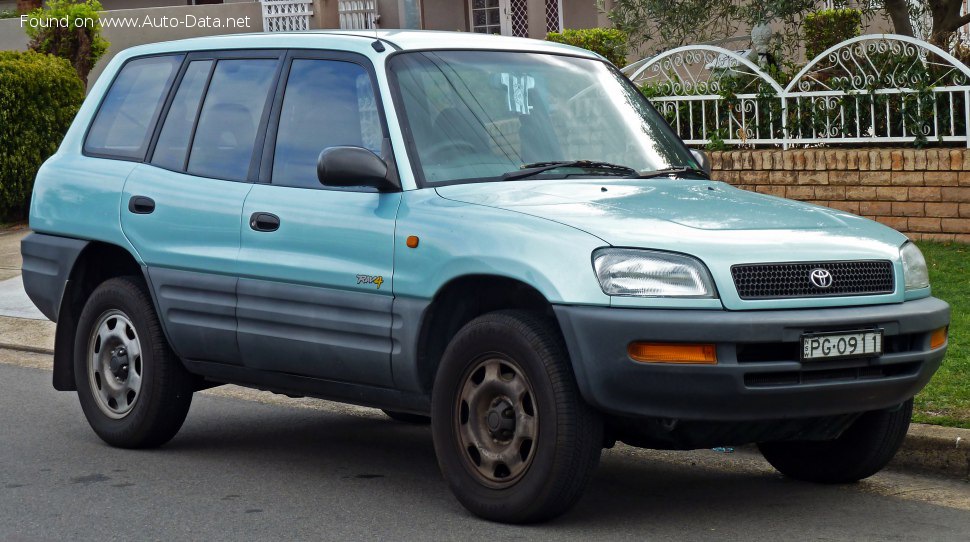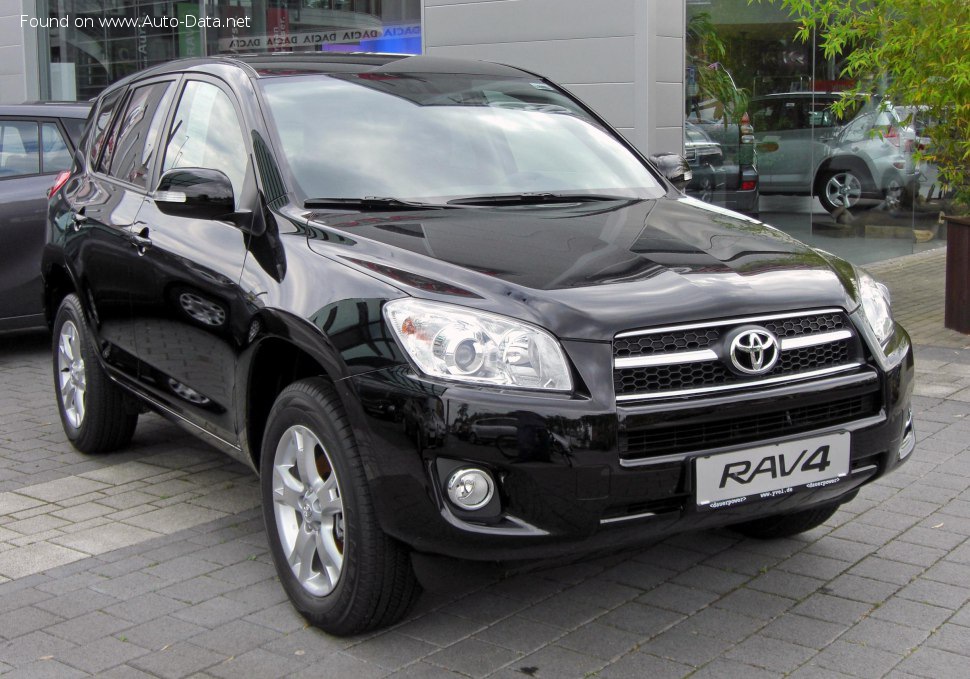
Introduction to the Toyota RAV4 III (XA30, facelift 2008)
The Toyota RAV4, an acronym for “Recreational Activity Vehicle: 4-wheel drive,” has long been a trailblazer in the compact crossover SUV segment. The third generation, known as the XA30 series, marked a significant evolution for the model, moving away from its more compact, car-like roots towards a larger, more sophisticated, and globally appealing SUV. Introduced in 2005, the XA30 generation received a notable facelift in April 2008, which refined its aesthetics and enhanced its technological offerings, keeping it competitive in a rapidly expanding market segment.
This article specifically delves into the specifications and characteristics of the Toyota RAV4 III (XA30, facelift 2008) 2.0 VVT-i (158 Hp) 4WD model, produced from April 2008 to May 2010. This particular variant represented a popular choice, especially in markets outside North America where smaller gasoline engines were favored for their balance of performance and fuel economy. While the North American market primarily received larger engine options, this 2.0-liter, all-wheel-drive model showcased Toyota’s engineering prowess in delivering a versatile and efficient package suitable for a wide range of consumers seeking a practical, reliable, and capable family vehicle. It maintained the RAV4’s reputation for dependability and user-friendliness while offering improved comfort and a more refined driving experience than its predecessors.
Engine and Performance: The Toyota RAV4 III (XA30, facelift 2008) 2.0 VVT-i
At the heart of the Toyota RAV4 III (XA30, facelift 2008) 2.0 VVT-i 4WD variant lies Toyota’s 3ZR-FAE engine, a naturally aspirated 2.0-liter (1998 cm³ or 121.93 cu. in.) inline four-cylinder gasoline unit. This powerplant was engineered for a harmonious blend of performance, efficiency, and the hallmark Toyota reliability. Utilizing a Double Overhead Camshaft (DOHC) valvetrain with Variable Valve Timing – intelligent (VVT-i), the engine could precisely control valve opening and closing times, optimizing combustion across the rev range. This technology was crucial for maximizing both power output and fuel economy, while also reducing emissions.
The 3ZR-FAE engine delivered a respectable 158 horsepower at 6200 rpm, providing ample power for daily driving and highway cruising. Torque output stood at 146.04 lb.-ft. (198 Nm) at 4000 rpm, ensuring responsive acceleration, particularly in the mid-range. Power was routed through a precise 6-speed manual transmission, offering drivers an engaging and direct connection to the vehicle’s dynamics. This manual gearbox was a common offering in many global markets, catering to those who prefer more control over their driving experience and often provides a slight edge in fuel efficiency over automatic counterparts of the era.
Performance figures for this RAV4 variant were commendable for its class. It could accelerate from 0 to 60 mph in approximately 10 seconds, with a top speed reaching 115 mph (185 km/h). While not a performance SUV, these numbers speak to its capability as a confident daily driver. Fuel efficiency was a strong point for this powertrain. The combined fuel economy was rated at an impressive 30.9 US mpg (7.6 l/100 km), with urban consumption at 24.5 US mpg (9.6 l/100 km) and extra-urban figures reaching 36.8 US mpg (6.4 l/100 km). These figures, coupled with CO2 emissions of 178 g/km and Euro 4 emission standard compliance, highlighted Toyota’s commitment to environmental responsibility even in the late 2000s. The permanent all-wheel-drive (4WD) architecture ensured stable traction and improved handling across various road conditions, from wet pavement to light off-road trails, without significantly compromising fuel economy for its class.
Design and Features of the XA30 Facelift
The third-generation Toyota RAV4 (XA30) underwent a significant facelift in 2008, bringing a refreshed aesthetic that enhanced its modern appeal. The Toyota RAV4 III (XA30, facelift 2008) retained its practical 5-door SUV body style, offering seating for five occupants. The exterior updates typically included a revised front grille, updated headlights, and redesigned bumpers, giving it a more assertive and contemporary look. The overall silhouette remained robust yet aerodynamic, characteristic of a modern compact SUV.
In terms of dimensions, the facelifted RAV4 measured 173.82 inches in length, 71.46 inches in width, and 67.72 inches in height, with a wheelbase of 100.79 inches. These dimensions contributed to a spacious interior and a stable ride. The ground clearance of 7.48 inches, combined with approach, departure, and ramp-over angles of 28°, 24°, and 20° respectively, provided decent capability for tackling rough roads or light off-road excursions, further complemented by a wading depth of 11.81 inches.
Inside, the RAV4 was designed with practicality and user-friendliness in mind. The 5-seat configuration offered comfortable accommodation for passengers, while the cargo area was highly versatile. With the rear seats in place, it boasted a minimum trunk space of 20.69 cubic feet (586 liters), which could expand to a generous 61.87 cubic feet (1752 liters) with the rear seats folded down. This ample cargo capacity made it an ideal vehicle for families, hauling groceries, or weekend adventures.
The vehicle’s chassis and suspension were engineered for a balanced ride. It featured an independent McPherson strut setup with coil springs and an anti-roll bar at the front, paired with a sophisticated double wishbone rear suspension. This combination provided a comfortable ride quality while maintaining competent handling characteristics. Braking performance was assured by ventilated discs at the front and solid discs at the rear, augmented by an Anti-lock Braking System (ABS) for enhanced safety during emergency stops. The steering utilized a rack-and-pinion system, offering direct and predictable control. Standard tire size was 225/65 R17 on 6.5J x 17-inch wheel rims, providing a good balance of grip and ride comfort. Safety features for the era typically included multiple airbags, electronic stability control (VSC), and traction control (TRAC), reinforcing its family-friendly credentials.
Technical Specifications
| Category | Specification | Value |
|---|---|---|
General Information |
||
| Brand | Toyota | RAV4 |
| Model | RAV4 III (XA30, facelift 2008) | 2.0 VVT-i (158 Hp) 4WD |
| Production Start | April, 2008 | |
| Production End | May, 2010 | |
| Powertrain Architecture | Internal Combustion Engine | |
| Body Type | SUV | |
| Seats | 5 | |
| Doors | 5 | |
Performance Specifications |
||
| Fuel Consumption (Urban) | 24.5 US mpg (9.6 l/100 km) | |
| Fuel Consumption (Extra Urban) | 36.8 US mpg (6.4 l/100 km) | |
| Fuel Consumption (Combined) | 30.9 US mpg (7.6 l/100 km) | |
| CO2 Emissions | 178 g/km | |
| Fuel Type | Petrol (Gasoline) | |
| Acceleration 0 – 60 mph | 10 seconds | |
| Acceleration 0 – 100 km/h | 10.5 seconds | |
| Maximum Speed | 114.95 mph (185 km/h) | |
| Emission Standard | Euro 4 | |
| Weight-to-Power Ratio | 9.8 kg/Hp (101.9 Hp/tonne) | |
| Weight-to-Torque Ratio | 7.8 kg/Nm (127.7 Nm/tonne) | |
Engine Specifications |
||
| Power | 158 Hp @ 6200 rpm | |
| Power per liter | 79.1 Hp/l | |
| Torque | 146.04 lb.-ft. (198 Nm) @ 4000 rpm | |
| Engine Layout | Front, Transverse | |
| Engine Model/Code | 3ZR-FAE | |
| Engine Displacement | 121.93 cu. in. (1998 cm³) | |
| Number of Cylinders | 4 | |
| Engine Configuration | Inline | |
| Cylinder Bore | 3.39 in. (86 mm) | |
| Piston Stroke | 3.39 in. (86 mm) | |
| Compression Ratio | 9.8:1 | |
| Valves per Cylinder | 4 | |
| Fuel Injection System | Multi-port manifold injection | |
| Engine Aspiration | Naturally aspirated engine | |
| Valvetrain | DOHC, VVT-i | |
| Engine Oil Capacity | 4.44 US qt (4.2 l) | |
Space, Volume and Weights |
||
| Kerb Weight | 3417.17 lbs. (1550 kg) | |
| Max. Weight | 4563.57 lbs. (2070 kg) | |
| Max Load | 1146.4 lbs. (520 kg) | |
| Trunk (Boot) Space – Minimum | 20.69 cu. ft. (586 l) | |
| Trunk (Boot) Space – Maximum | 61.87 cu. ft. (1752 l) | |
| Fuel Tank Capacity | 15.85 US gal (60 l) | |
| Max. Roof Load | 220.46 lbs. (100 kg) | |
| Permitted Trailer Load (with brakes) | 4409.25 lbs. (2000 kg) | |
| Permitted Trailer Load (without brakes) | 1653.47 lbs. (750 kg) | |
| Permitted Towbar Download | 176.37 lbs. (80 kg) | |
Dimensions |
||
| Length | 173.82 in. (4415 mm) | |
| Width | 71.46 in. (1815 mm) | |
| Height | 67.72 in. (1720 mm) | |
| Wheelbase | 100.79 in. (2560 mm) | |
| Ride Height (Ground Clearance) | 7.48 in. (190 mm) | |
| Minimum Turning Circle | 36.09 ft. (11.0 m) | |
| Approach Angle | 28° | |
| Departure Angle | 24° | |
| Ramp-over (Brakeover) Angle | 20° | |
| Wading Depth | 11.81 in. (300 mm) | |
Drivetrain, Brakes and Suspension |
||
| Drivetrain Architecture | Internal combustion engine drives permanently the four wheels. | |
| Drive Wheel | All-wheel drive (4×4) | |
| Number of Gears | 6 | |
| Gearbox Type | Manual transmission | |
| Front Suspension | Independent, McPherson with coil spring and anti-roll bar | |
| Rear Suspension | Double wishbone | |
| Front Brakes | Ventilated discs | |
| Rear Brakes | Disc | |
| Assisting Systems | ABS (Anti-lock braking system) | |
| Steering Type | Steering rack and pinion | |
| Tires Size | 225/65 R17 | |
| Wheel Rims Size | 6.5J x 17 | |
Legacy and Market Impact of the Toyota RAV4 III (XA30)
The third-generation Toyota RAV4 (XA30), particularly the facelifted 2008-2010 model, solidified the RAV4’s position as a dominant force in the compact crossover SUV market segment. Building on the success of its predecessors, the XA30 generation significantly evolved the RAV4’s character, moving it from a more niche, slightly quirky compact SUV to a mainstream, globally competitive family vehicle. Its larger size, enhanced refinement, and more conventional SUV styling broadened its appeal, attracting a wider demographic of buyers seeking versatility without the bulk or fuel consumption of traditional, body-on-frame SUVs.
The reputation of the Toyota RAV4 III (XA30) was largely built on its unwavering reliability, a hallmark of the Toyota brand. Owners consistently praised its dependable powertrain, low maintenance costs, and impressive longevity. This reliability, combined with its practical interior, ample cargo space, and comfortable ride, made it an excellent choice for families and individuals needing a versatile daily driver. The available all-wheel-drive system, even with the 2.0-liter engine, offered a reassuring level of traction and capability for various weather conditions and light off-road excursions, appealing to those in regions with diverse climates or a penchant for outdoor activities.
In its primary markets, the RAV4 III (XA30) faced stiff competition from a growing array of rivals. Key competitors included the Honda CR-V, which often matched the RAV4 in terms of practicality and reliability; the Ford Escape, especially in North America; the Nissan Rogue (known as the Qashqai in some markets), which offered a stylish alternative; and the Subaru Forester, renowned for its standard all-wheel drive and strong off-road credentials. Despite this fierce competition, the RAV4 maintained strong sales figures, thanks to its established brand loyalty, widespread dealer network, and reputation for hassle-free ownership.
Historically, the XA30 generation played a crucial role in defining the modern compact crossover. It demonstrated that consumers desired SUV-like utility, a commanding driving position, and available all-wheel drive, but packaged in a more car-like, fuel-efficient, and comfortable platform. The 2008 facelift ensured that the RAV4 remained fresh and competitive during its production run, integrating subtle design tweaks and technological updates that kept it relevant. Its legacy is one of continuous evolution, adapting to consumer demands for a vehicle that seamlessly blends passenger car comfort with SUV capability, ultimately contributing significantly to the popularization and ongoing success of the crossover segment worldwide. The 2.0 VVT-i 4WD variant, while not the most powerful, exemplified Toyota’s ability to deliver a well-rounded, efficient, and capable vehicle that resonated with a broad international audience.