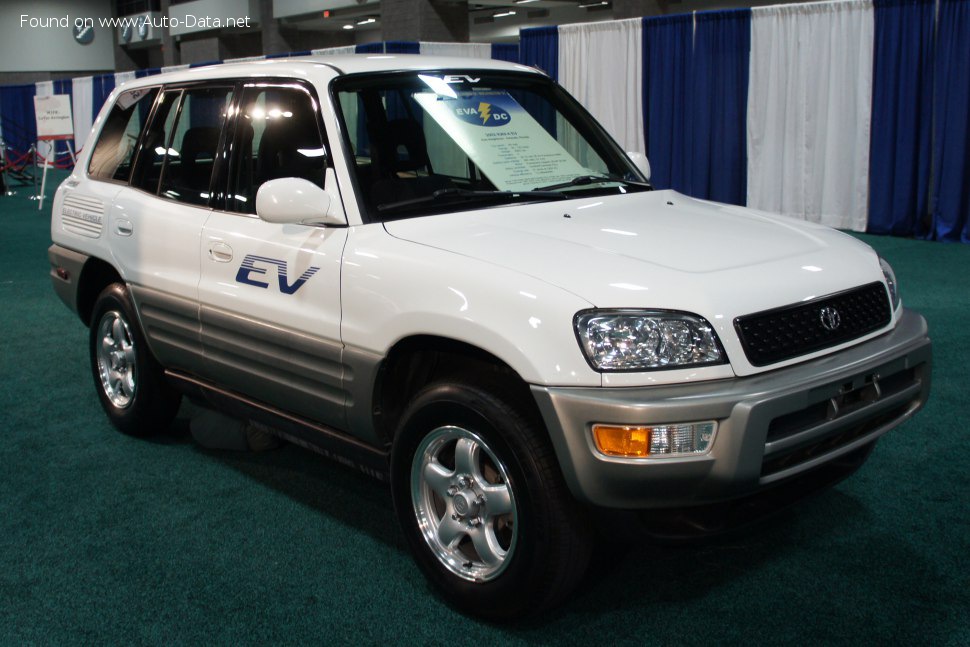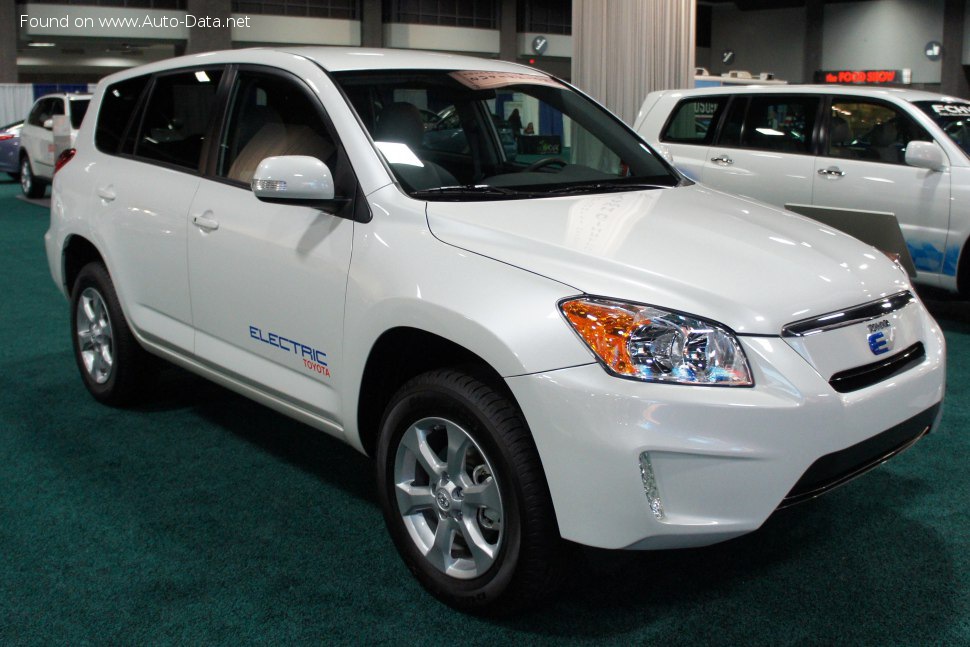
In the vibrant tapestry of the North American automotive landscape, few vehicles have carved out a more enduring legacy than the Toyota RAV4. A pioneer in the compact SUV segment, the RAV4 redefined expectations for versatility, efficiency, and car-like driving dynamics in an SUV package. While largely known on this continent for its robust gasoline powertrains, the third-generation RAV4, particularly its 2008 facelift model, offered a compelling glimpse into Toyota’s global engineering prowess with variants like the Toyota RAV4 III (XA30 facelift) 2.2 D-4D (150 Hp) 4WD Automatic. This specific diesel-powered, all-wheel-drive iteration, though not officially sold in the U.S. or Canada, represents a significant chapter in the RAV4’s international story, showcasing a blend of efficiency and capability that intrigued enthusiasts and highlighted the diverse needs of global markets.
The XA30 Facelift: Refining a Pioneer
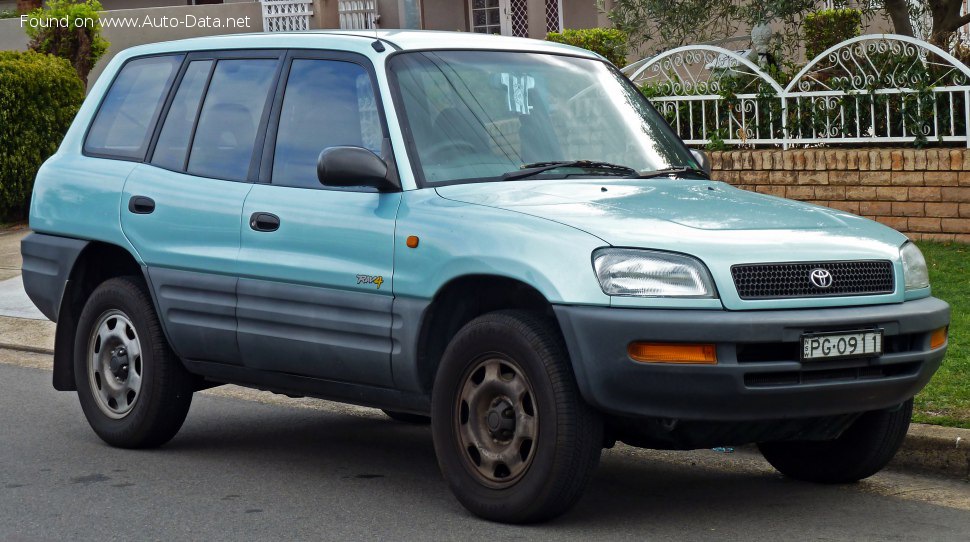
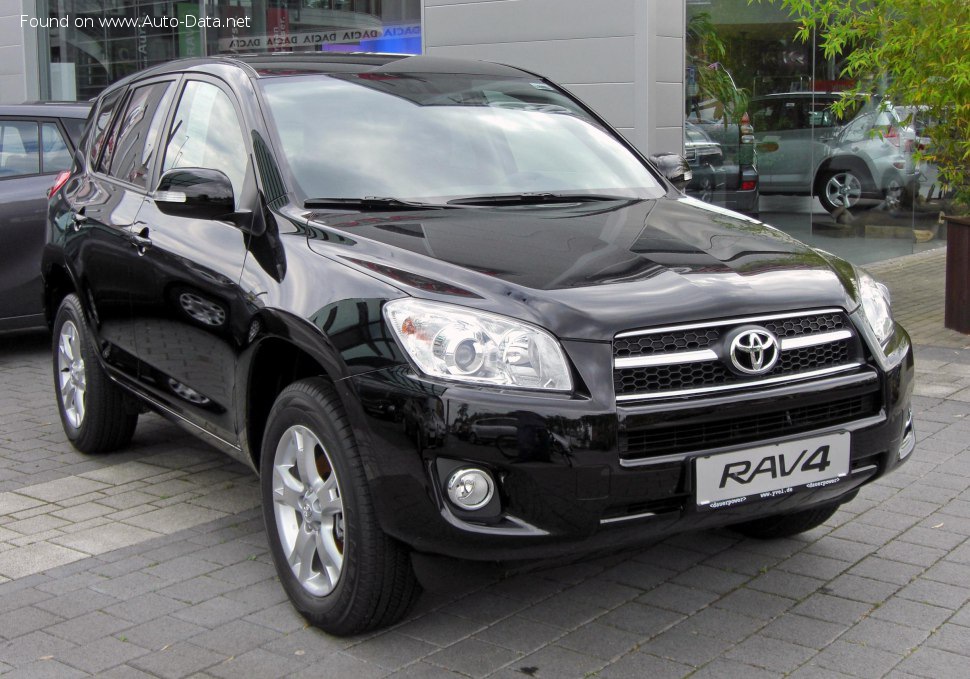
The third generation of the Toyota RAV4, internally designated XA30, debuted in 2005, marking a significant evolution from its predecessors. It grew in size, adopting a more mature and substantial aesthetic, moving away from the overtly “cute” styling of earlier models. The 2008 facelift further refined this design, bringing subtle but impactful changes to the front fascia, grille, taillights, and interior appointments, aiming for a more sophisticated and contemporary appeal that aligned with the burgeoning compact SUV market’s demands.
For the North American market, the XA30 generation typically offered larger displacement gasoline engines, prioritizing horsepower and smooth, quiet operation. However, in regions like Europe, where fuel prices and emission standards often favored diesel, Toyota developed highly capable diesel variants. These models provided an alternative approach to performance and economy, demonstrating the RAV4’s adaptable platform.
Powering the Global Market: The Toyota RAV4 III (XA30 facelift) 2.2 D-4D (150 Hp) 4WD Automatic
At the heart of this particular variant was Toyota’s 2.2-liter 2AD-FTV inline-four diesel engine. This unit was a testament to modern diesel engineering, featuring common rail fuel injection and a turbocharger with an intercooler to optimize performance and efficiency. It delivered a respectable 150 horsepower, which, when combined with a robust 250.77 lb.-ft. of torque peaking between 2000 and 2800 rpm, provided strong, accessible pulling power. This torque characteristic made it particularly well-suited for varied driving conditions, from urban commuting to light off-road excursions or towing.
Paired with a smooth 6-speed automatic transmission, the 2.2 D-4D RAV4 offered a refined driving experience. The 4WD system, which typically drove the front wheels but could engage the rear wheels via an electrically or mechanically operated clutch when needed, ensured confident traction in adverse conditions. Performance figures were competitive for its class, with a 0-60 mph acceleration time calculated at 10.3 seconds and a top speed of approximately 115 mph (185 km/h). More importantly for diesel buyers, its fuel efficiency was a standout, with a combined consumption rated at 7.2 liters per 100 km, equating to an impressive 32.7 US mpg (39.2 UK mpg), a figure that would have been highly attractive in any market.
Features and Innovation
While the Toyota RAV4 III (XA30 facelift) 2.2 D-4D (150 Hp) 4WD Automatic wasn’t laden with the advanced driver-assistance systems (ADAS) or sophisticated infotainment found in modern vehicles, its appeal lay in its practical design, robust engineering, and innovations pertinent to its era.
Design Language and Evolution
The XA30 generation marked a significant departure from the RAV4’s earlier, more compact and somewhat quirky styling. The 2008 facelift maintained this more substantial and assertive stance. Its exterior featured cleaner lines, a broader grille, and more pronounced wheel arches, giving it a more upscale and less utilitarian appearance. The design aimed for a blend of ruggedness and urban sophistication, a formula that proved immensely popular in the burgeoning crossover segment. Inside, the cabin was designed for practicality and comfort, with durable materials and a logical layout of controls. The five-seat configuration offered ample passenger room and a highly versatile cargo area, with a minimum trunk space of 15.89 cubic feet (450 liters) expanding to a generous 61.87 cubic feet (1752 liters) with the rear seats folded.
Innovation at the Time
The RAV4, even in its third generation, continued to innovate within its segment. Its car-like unibody construction, coupled with an independent McPherson strut front suspension and a double-wishbone rear setup, provided a comfortable and composed ride quality that mimicked sedans, a key factor in its widespread appeal. The electronically controlled all-wheel-drive system was another highlight, offering the stability of AWD without the fuel economy penalty of a full-time system. Safety features, including ABS and multiple airbags (standard for the era), further cemented its reputation as a reliable and secure family vehicle. The inclusion of a diesel particulate filter (DPF) on this variant also highlighted Toyota’s commitment to meeting stringent European emission standards, achieving Euro 5 compliance.
Market Legacy
The Toyota RAV4, as a model line, has an undeniable market legacy in North America. It essentially pioneered the compact SUV segment, proving that consumers desired the utility of an SUV with the drivability and efficiency of a car. When the XA30 generation launched, it faced a growing number of competitors, including the Honda CR-V, Ford Escape, Nissan Rogue, Hyundai Tucson, and Kia Sportage. In North America, the RAV4 was consistently praised for its legendary Toyota reliability, strong resale value, and practical interior. Its gasoline variants, particularly the V6 option, offered surprising performance for the segment.
Had the Toyota RAV4 III (XA30 facelift) 2.2 D-4D (150 Hp) 4WD Automatic been offered in the U.S. and Canada, it would have presented a unique proposition. While diesel passenger vehicles were a niche market, its exceptional fuel economy (32.7 US mpg combined) and robust torque could have appealed to specific buyers, particularly those in rural areas or those who towed light loads. MSRP for a comparable gasoline RAV4 XA30 around 2008-2010 typically ranged from approximately $21,000 to $28,000 USD, depending on trim and options. A diesel variant, given its advanced engine technology, likely would have commanded a slight premium, perhaps starting closer to $24,000-$30,000 USD. Its reception would have been interesting, potentially challenging the perception that compact SUVs needed large gasoline engines for adequate performance, and offering a compelling alternative for efficiency-minded consumers before hybrids fully dominated that space.
Ultimately, the XA30 RAV4, including its international diesel variants, solidified Toyota’s position as a leader in the compact SUV market. It set benchmarks for practicality, reliability, and thoughtful design, contributing significantly to the segment’s explosive growth and shaping consumer expectations for what a crossover could be.
Technical Specifications: Toyota RAV4 III (XA30 facelift) 2.2 D-4D (150 Hp) 4WD Automatic
| Category | Specification |
|---|---|
| General Information | |
| Brand | Toyota |
| Model | RAV4 |
| Generation | RAV4 III (XA30, facelift 2008) |
| Type (Engine) | 2.2 D-4D (150 Hp) 4WD Automatic |
| Production Years | 2008 – 2010 |
| Body Type | SUV |
| Seats / Doors | 5 / 5 |
| Performance Specs | |
| Fuel Consumption (Urban) | 8.8 l/100 km (26.7 US mpg) |
| Fuel Consumption (Extra Urban) | 6.2 l/100 km (37.9 US mpg) |
| Fuel Consumption (Combined) | 7.2 l/100 km (32.7 US mpg) |
| CO2 Emissions | 189 g/km |
| Fuel Type | Diesel |
| Acceleration 0-60 mph | 10.3 sec |
| Maximum Speed | 185 km/h (114.95 mph) |
| Emission Standard | Euro 5 |
| Weight-to-Power Ratio | 10.7 kg/Hp (93.2 Hp/tonne) |
| Engine Specs | |
| Power | 150 Hp |
| Torque | 340 Nm @ 2000-2800 rpm (250.77 lb.-ft.) |
| Engine Layout | Front, Transverse |
| Engine Model/Code | 2AD-FTV |
| Engine Displacement | 2231 cm3 (136.14 cu. in.) |
| Number of Cylinders | 4, Inline |
| Valves per Cylinder | 4 |
| Fuel Injection System | Diesel Commonrail |
| Engine Aspiration | Turbocharger, Intercooler |
| Valvetrain | DOHC |
| Engine Oil Capacity | 5.9 l (6.23 US qt) |
| Coolant Capacity | 7.3 l (7.71 US qt) |
| Engine Systems | Particulate filter |
| Dimensions, Volume & Weights | |
| Kerb Weight | 1610-1650 kg (3549.44 – 3637.63 lbs) |
| Max. Weight | 2140-2190 kg (4717.89 – 4828.12 lbs) |
| Max Load | 530-540 kg (1168.45 – 1190.5 lbs) |
| Trunk (Boot) Space (Min) | 450 l (15.89 cu. ft.) |
| Trunk (Boot) Space (Max) | 1752 l (61.87 cu. ft.) |
| Fuel Tank Capacity | 60 l (15.85 US gal) |
| Length | 4415 mm (173.82 in.) |
| Width | 1855 mm (73.03 in.) |
| Height | 1720 mm (67.72 in.) |
| Wheelbase | 2560 mm (100.79 in.) |
| Ground Clearance | 182 mm (7.17 in.) |
| Minimum Turning Circle | 11.6 m (38.06 ft.) |
| Drivetrain, Brakes & Suspension | |
| Drivetrain Architecture | ICE drives front wheels permanently, rear wheels driven via electrically/mechanically operated clutch if necessary. |
| Drive Wheel | All-wheel drive (4×4) |
| Gearbox Type | 6 gears, automatic transmission |
| Front Suspension | Independent, McPherson with coil spring and anti-roll bar |
| Rear Suspension | Double wishbone |
| Front Brakes | Ventilated discs |
| Rear Brakes | Disc |
| Assisting Systems | ABS (Anti-lock braking system) |
| Steering Type | Steering rack and pinion, Electric Power Steering |
| Tires Size | 225/55 R18 |
| Wheel Rims Size | 7.5J x 18 |