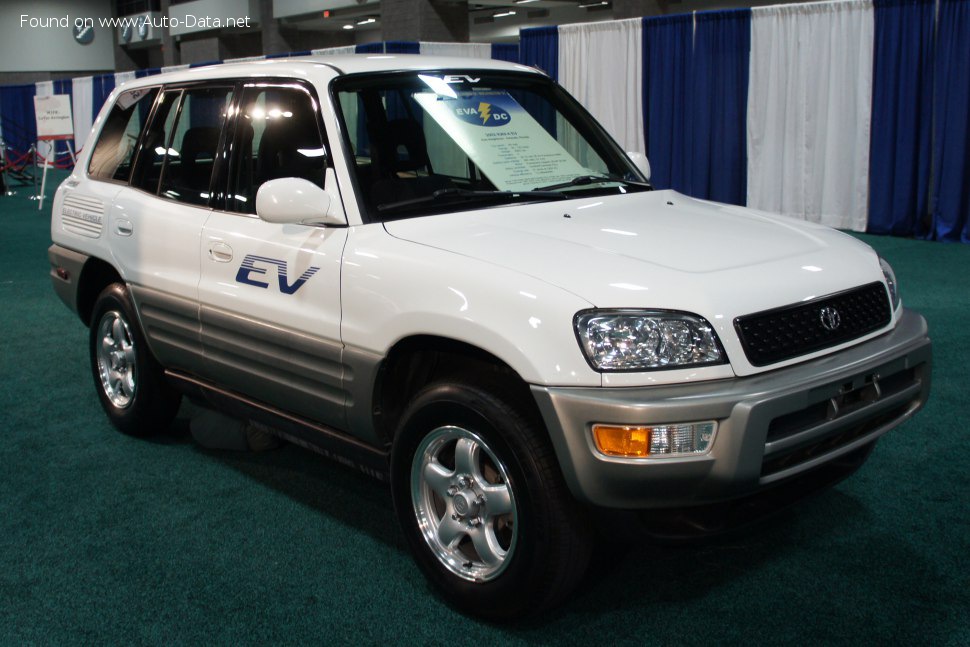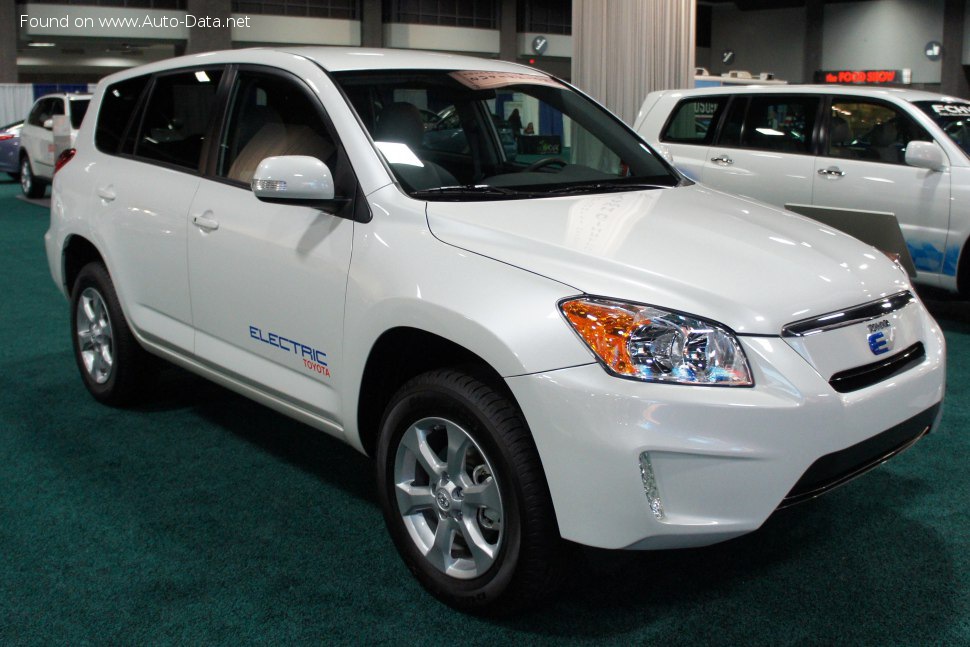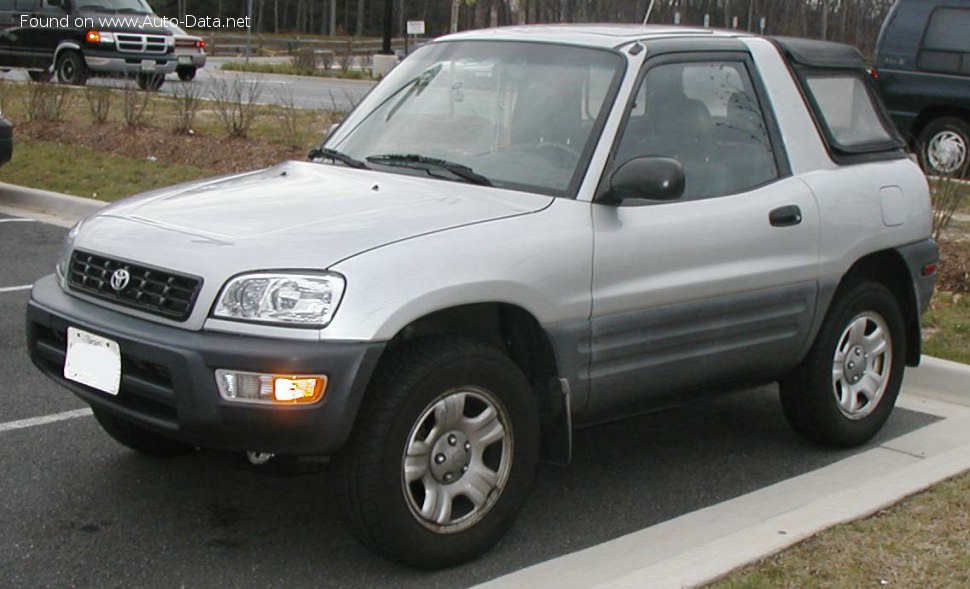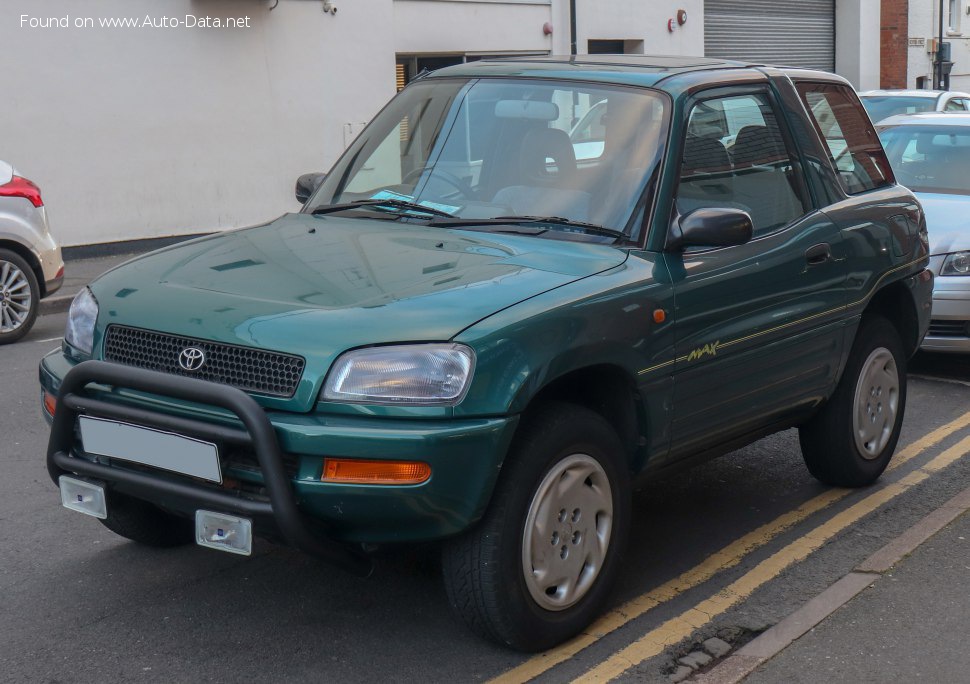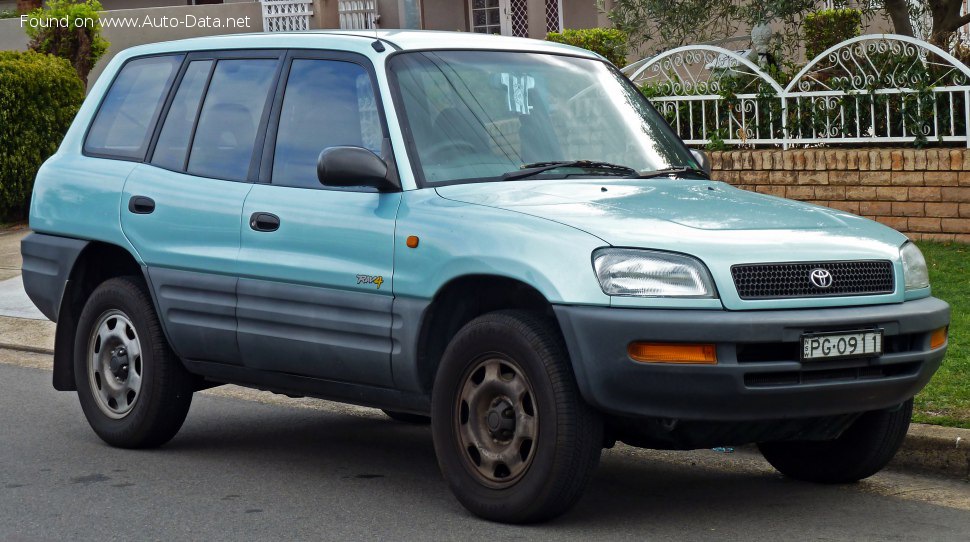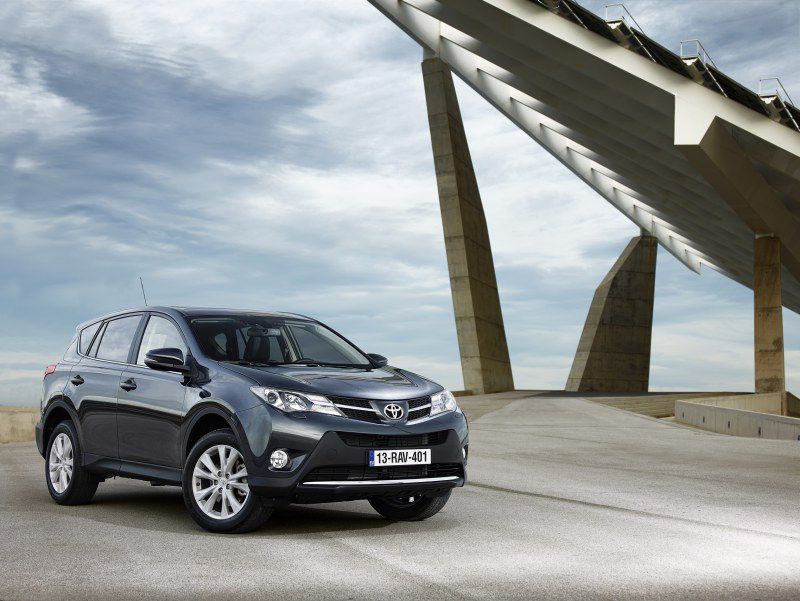
As an international automotive expert, I present a detailed analysis of the Toyota RAV4 IV 2.0 D-4D (124 Hp), a significant offering in the compact SUV segment.
The Toyota RAV4 IV 2.0 D-4D (124 Hp): A Global Player with European Focus
The fourth-generation Toyota RAV4, designated as the RAV4 IV, represented a pivotal moment for Toyota’s popular compact SUV lineup. Launched in 2012 and produced until 2015, this iteration marked a departure from its predecessor’s more rugged, off-road-oriented styling, embracing a sleeker, more car-like aesthetic that resonated with a broader urban and family-oriented audience. While the RAV4 has been a household name in the United States since its inception, this particular variant, the Toyota RAV4 IV 2.0 D-4D (124 Hp), was specifically tailored for markets where diesel powertrains held significant appeal, primarily Europe and parts of Asia. It solidified the RAV4’s position as a practical, efficient, and versatile five-door, five-seat SUV, offering a compelling blend of utility and fuel economy that was crucial in its target regions.
This generation of the RAV4 sought to refine the driving experience, enhance interior comfort, and introduce more advanced technology, all while maintaining Toyota’s renowned reputation for reliability. The 2.0 D-4D engine, a key component of its European strategy, provided a robust and economical option for consumers navigating higher fuel prices and stricter emissions standards prevalent in those markets. The RAV4 IV was designed from the ground up to compete fiercely in the burgeoning compact SUV segment, a category that had become increasingly crowded and competitive globally.
Engine and Performance: The Efficient Heart of the Toyota RAV4 IV
At the core of the Toyota RAV4 IV 2.0 D-4D (124 Hp) lies its 1AD-FTV engine, a 2.0-liter (1998 cm3 or 121.93 cu. in.) inline four-cylinder diesel unit. This powerplant, featuring a DOHC valvetrain with four valves per cylinder, was engineered for both efficiency and a responsive driving experience. It utilized a sophisticated diesel common rail fuel injection system coupled with a turbocharger and intercooler, ensuring optimal fuel atomization and air intake for improved combustion.
The engine delivered a respectable 124 horsepower at 3,600 rpm, translating to a power output of 62.1 horsepower per liter. More significantly, its torque output was a robust 310 Newton-meters (228.64 lb.-ft.), available across a broad and accessible range from 1,600 to 2,400 rpm. This low-end torque was particularly beneficial for an SUV, providing strong pulling power for acceleration and confident highway cruising. Mated exclusively to a 6-speed manual transmission, this front-wheel-drive variant offered a direct and engaging driving feel.
Performance figures for the RAV4 IV 2.0 D-4D were competitive for its class and market segment. It accelerated from 0 to 60 mph in approximately 10 seconds (0-100 km/h in 10.5 seconds) and reached a top speed of 111.85 mph (180 km/h). However, its true strength lay in its fuel economy. The combined cycle consumption was an impressive 4.9 liters per 100 kilometers, which translates to an excellent 48 US miles per gallon or 57.6 UK miles per gallon. In urban driving, it achieved 41.3 US mpg, while extra-urban cruising saw figures as high as 53.5 US mpg. These efficiency metrics, combined with CO2 emissions of 127 g/km, allowed it to meet the Euro 5 J emission standard, making it an environmentally conscious choice in its primary markets.
Design and Features: Form Meets Function
The fourth-generation RAV4 adopted a more streamlined and contemporary design language compared to its predecessors. Its body type remained a classic SUV, but with a more dynamic stance and sharper lines. Measuring 179.92 inches (4570 mm) in length, 72.64 inches (1845 mm) in width, and 65.35 inches (1660 mm) in height, the RAV4 IV struck a balance between a compact footprint suitable for urban environments and a spacious interior for five occupants. The 104.72-inch (2660 mm) wheelbase contributed to a stable ride and generous cabin room.
Inside, the RAV4 IV offered a practical and comfortable environment. The five-seat configuration provided ample space for passengers, while the cargo area boasted a minimum trunk volume of 19.32 cubic feet (547 liters), expandable for larger loads. The vehicle’s design also considered utility, with a maximum roof load of 187.39 lbs (85 kg) and a respectable towing capacity of 3,527.4 lbs (1600 kg) with brakes, making it suitable for light recreational towing.
Underneath, the RAV4 IV featured an independent McPherson strut front suspension and a double wishbone rear suspension, a setup designed to provide a comfortable ride and competent handling. Braking duties were handled by ventilated discs at the front and solid discs at the rear, augmented by an Anti-lock Braking System (ABS) for enhanced safety. The steering system utilized a rack and pinion setup, offering precise control. Standard tire size was 225/65 R17, mounted on 6.5J x 17-inch wheel rims, providing a good balance of grip and ride comfort. With a ground clearance of 7.36 inches (187 mm) and a drag coefficient (Cd) of 0.314, the RAV4 IV was aerodynamically efficient and capable of handling light off-road excursions, though it was primarily geared towards on-road performance.
Technical Specifications: Toyota RAV4 IV 2.0 D-4D (124 Hp)
| Category | Specification | Metric Unit | US Unit |
|---|---|---|---|
| Brand | Toyota | ||
| Model | RAV4 | ||
| Generation | RAV4 IV | ||
| Type (Engine) | 2.0 D-4D (124 Hp) | ||
| Start of Production | 2012 year | ||
| End of Production | 2015 year | ||
| Powertrain Architecture | Internal Combustion engine | ||
| Body type | SUV | ||
| Seats | 5 | ||
| Doors | 5 | ||
| Performance Specifications | |||
| Fuel consumption (economy) – urban | 5.7 l/100 km | 41.3 US mpg | |
| Fuel consumption (economy) – extra urban | 4.4 l/100 km | 53.5 US mpg | |
| Fuel consumption (economy) – combined | 4.9 l/100 km | 48 US mpg | |
| CO2 emissions | 127 g/km | ||
| Fuel Type | Diesel | ||
| Acceleration 0 – 100 km/h | 10.5 sec | ||
| Acceleration 0 – 60 mph (Calculated) | 10 sec | ||
| Maximum speed | 180 km/h | 111.85 mph | |
| Emission standard | Euro 5 J | ||
| Engine Specifications | |||
| Power | 124 Hp @ 3600 rpm | 124 Hp @ 3600 rpm | |
| Power per liter | 62.1 Hp/l | 62.1 Hp/l | |
| Torque | 310 Nm @ 1600-2400 rpm | 228.64 lb.-ft. @ 1600-2400 rpm | |
| Engine layout | Front, Transverse | ||
| Engine Model/Code | 1AD-FTV | ||
| Engine displacement | 1998 cm3 | 121.93 cu. in. | |
| Number of cylinders | 4 | ||
| Engine configuration | Inline | ||
| Cylinder Bore | 86 mm | 3.39 in. | |
| Piston Stroke | 86 mm | 3.39 in. | |
| Compression ratio | 15.8:1 | ||
| Number of valves per cylinder | 4 | ||
| Fuel injection system | Diesel Commonrail | ||
| Engine aspiration | Turbocharger, Intercooler | ||
| Valvetrain | DOHC | ||
| Engine oil capacity | 5.9 l | 6.23 US qt | |
| Coolant capacity | 7.3 l | 7.71 US qt | |
| Engine systems | Particulate filter | ||
| Space, Volume and Weights | |||
| Max. weight (Gross Vehicle Weight) | 2135 kg | 4706.87 lbs. | |
| Trunk (boot) space – minimum | 547 l | 19.32 cu. ft. | |
| Fuel tank capacity | 60 l | 15.85 US gal | |
| Max. roof load | 85 kg | 187.39 lbs. | |
| Permitted trailer load with brakes (12%) | 1600 kg | 3527.4 lbs. | |
| Permitted trailer load without brakes | 750 kg | 1653.47 lbs. | |
| Permitted towbar download | 65 kg | 143.3 lbs. | |
| Dimensions | |||
| Length | 4570 mm | 179.92 in. | |
| Width | 1845 mm | 72.64 in. | |
| Height | 1660 mm | 65.35 in. | |
| Wheelbase | 2660 mm | 104.72 in. | |
| Front track | 1570 mm | 61.81 in. | |
| Rear (Back) track | 1570 mm | 61.81 in. | |
| Ride height (ground clearance) | 187 mm | 7.36 in. | |
| Drag coefficient (Cd) | 0.314 | ||
| Minimum turning circle (turning diameter) | 11.6 m | 38.06 ft. | |
| Drivetrain, Brakes and Suspension Specifications | |||
| Drivetrain Architecture | Internal combustion engine drives front wheels. | ||
| Drive wheel | Front wheel drive | ||
| Number of gears and type of gearbox | 6 gears, manual transmission | ||
| Front suspension | Independent type McPherson | ||
| Rear suspension | Double wishbone | ||
| Front brakes | Ventilated discs | ||
| Rear brakes | Disc | ||
| Assisting systems | ABS (Anti-lock braking system) | ||
| Steering type | Steering rack and pinion | ||
| Tires size | 225/65 R17 | ||
| Wheel rims size | 6.5J x 17 | ||
Legacy and Market Impact of the Toyota RAV4 IV 2.0 D-4D (124 Hp)
The Toyota RAV4, since its introduction in the mid-1990s, has consistently been a trailblazer in the compact SUV segment, often credited with popularizing the “soft-roader” concept. The fourth-generation, including the Toyota RAV4 IV 2.0 D-4D (124 Hp), continued this legacy by adapting to evolving market demands. While gasoline and hybrid powertrains dominated the RAV4 lineup in North America, the 2.0 D-4D diesel variant played a crucial role in strengthening Toyota’s presence in European and other international markets where diesel engines were a preferred choice for their fuel efficiency and torque characteristics.
In Europe, where fuel prices are typically higher and long-distance driving is common, the diesel RAV4 offered a compelling proposition. Its excellent fuel economy, combined with Toyota’s reputation for reliability and low running costs, made it a strong competitor against established European rivals such as the Volkswagen Tiguan, Nissan Qashqai (Rogue Sport in the US), Ford Kuga (known as the Escape in North America), and the Honda CR-V (which also offered diesel options in Europe). The 2.0 D-4D’s performance, while not overtly sporty, was more than adequate for daily driving and highway cruising, providing a smooth and composed experience.
The RAV4 IV generation as a whole was instrumental in modernizing the RAV4’s image, shedding some of its more utilitarian past for a more refined and upscale feel. The specific diesel variant, with its Euro 5 J emissions compliance, demonstrated Toyota’s commitment to offering clean and efficient diesel technology in regions where it was environmentally and economically viable. The manual transmission, a staple in European markets, further catered to driver preferences for engagement and control, something less common in the automatic-dominated US market.
The decision to offer a diesel option in specific markets underscored Toyota’s global strategy: tailor powertrains to local preferences and regulatory environments. The 2.0 D-4D proved to be a reliable and economical engine choice, contributing to the RAV4’s continued sales success and cementing its reputation as a versatile and dependable compact SUV. Its impact was primarily felt in its ability to compete effectively in a highly competitive segment outside of North America, offering a practical and efficient solution for families and individuals seeking a capable yet frugal vehicle.