Toyota RAV4 IV (facelift 2015) 2.0 Valvematic (151 Hp) AWD Multidrive S: A Detailed Overview
The Toyota RAV4, a pioneer in the compact SUV segment, has consistently evolved to meet the demands of a dynamic global market. The fourth generation, introduced in 2012, received a significant refresh in 2015, enhancing its appeal with updated styling, improved interior quality, and refined powertrains. Among the various configurations offered globally, the Toyota RAV4 IV (facelift 2015) 2.0 Valvematic (151 Hp) AWD Multidrive S stands out as a key offering, particularly in markets outside North America where its blend of efficiency, practicality, and all-wheel-drive capability resonated strongly with consumers. This specific variant, produced from 2015 to 2018, embodied Toyota’s commitment to delivering a versatile and reliable crossover that could handle diverse driving conditions while maintaining respectable fuel economy and a comfortable ride.
The RAV4, an acronym for “Recreational Activity Vehicle: 4-wheel drive,” originally debuted in 1994, essentially creating the compact crossover SUV segment. By its fourth generation, the RAV4 had grown in size and sophistication, shedding some of its earlier “cute ute” image for a more mature, robust, and family-oriented design. The 2015 facelift further sharpened its aesthetics and bolstered its technological offerings, ensuring its competitiveness against a burgeoning field of rivals. This particular model, with its 2.0-liter Valvematic engine, Continuously Variable Transmission (CVT) known as Multidrive S, and all-wheel-drive system, represented a balanced approach to performance and efficiency for its target demographics.
Engine and Performance of the Toyota RAV4 IV (facelift 2015)
At the heart of the Toyota RAV4 IV (facelift 2015) 2.0 Valvematic (151 Hp) AWD Multidrive S lies Toyota’s naturally aspirated 2.0-liter (1987 cm³, or 121.25 cu. in.) 3ZR-FAE inline-four engine. This powertrain is notable for its Valvematic technology, an advanced variable valve lift system that works in conjunction with Variable Valve Timing with intelligence (VVT-i) to precisely control the amount of air entering the engine. This sophisticated valvetrain, featuring a Dual Overhead Camshaft (DOHC) configuration and four valves per cylinder, optimizes combustion efficiency across the engine’s operating range, leading to improved fuel economy and reduced emissions without resorting to forced induction.
The engine delivers a respectable 151 horsepower at 6200 rpm and a peak torque of 144.56 lb.-ft. (196 Nm) at 4000 rpm. While not designed for outright blistering performance, this output provides ample power for daily driving, highway cruising, and light off-road excursions. The power is managed by Toyota’s Multidrive S, a continuously variable transmission that offers smooth, seamless acceleration and optimizes engine speed for efficiency. For drivers desiring a more engaging experience, the Multidrive S often includes a manual shift mode with predefined ratios, mimicking a traditional automatic transmission.
Power is sent to all four wheels via an All-Wheel Drive (AWD) system, providing enhanced traction and stability, especially in adverse weather conditions or on unpaved roads. This AWD capability, combined with a ground clearance of 6.42 inches (163 mm), makes the RAV4 a competent companion for light adventure. Performance figures include an acceleration time from 0 to 60 mph in a calculated 10.2 seconds (0-100 km/h in 10.7 seconds), and a top speed of 114.95 mph (185 km/h). Fuel efficiency is a strong point for this configuration, with a combined rating of 36.2 US mpg (6.5 l/100 km), achieving 42 US mpg (5.6 l/100 km) on the extra-urban cycle and 28.7 US mpg (8.2 l/100 km) in urban environments. Its CO2 emissions are rated at 149 g/km, complying with the Euro 6 W emission standard, underscoring its environmental consciousness for the era.
Design and Features
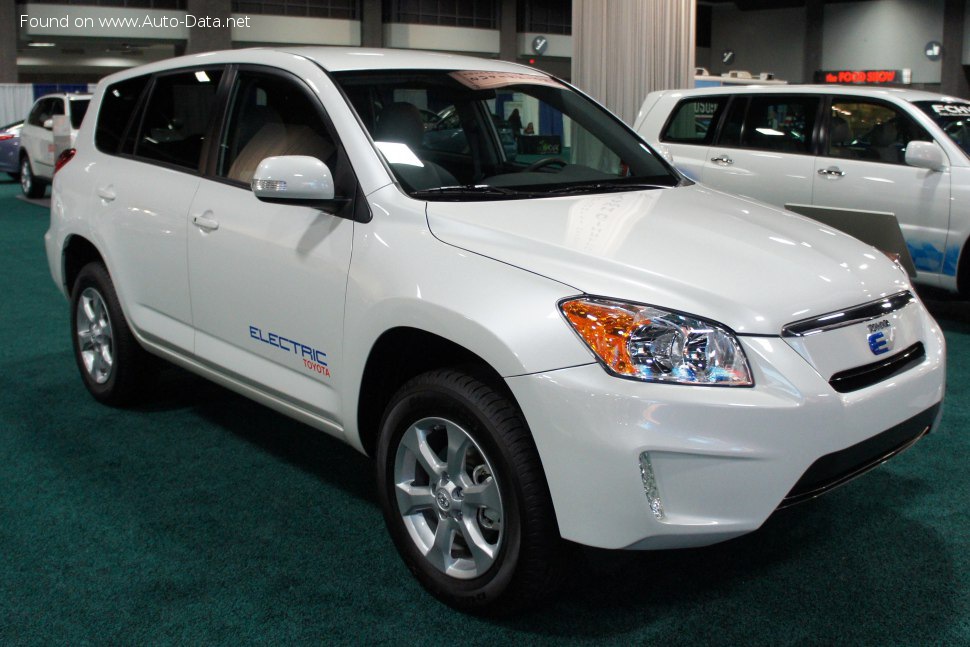
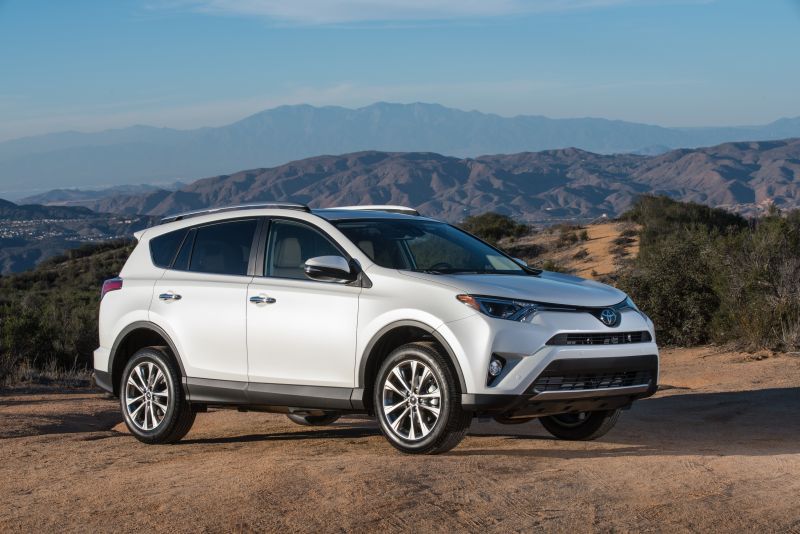
The 2015 facelift brought a refreshed aesthetic to the fourth-generation RAV4, giving it a more modern and assertive presence. The exterior redesign focused on the front fascia, featuring a more prominent grille, updated headlights with available LED technology, and revised bumpers. The rear also received attention with new LED taillights and a restyled tailgate, contributing to a more cohesive and upscale appearance. The body type remained a practical 5-door SUV, accommodating five occupants comfortably.
Inside, the facelift introduced improved materials, new trim options, and a more refined dashboard design, addressing some critiques of the pre-facelift model’s interior. Focus was placed on enhancing tactile quality and overall cabin ambiance. Key features for the era included available touchscreen infotainment systems, enhanced connectivity options, and a suite of safety technologies. While specific feature sets varied by market and trim level, common amenities often included automatic climate control, a multi-information display in the instrument cluster, and various convenience features designed to improve the driving experience.
Practicality remained a cornerstone of the RAV4’s design. With a minimum trunk space of 19.32 cu. ft. (547 liters) and an expansive 61.27 cu. ft. (1735 liters) with the rear seats folded, the RAV4 offered generous cargo capacity for luggage, groceries, or sports equipment. The vehicle’s dimensions, including a length of 181.3 inches (4605 mm), a width of 72.64 inches (1845 mm), and a height of 65.94 inches (1675 mm), provided a substantial footprint for stability and interior volume. The wheelbase of 104.72 inches (2660 mm) contributed to a comfortable ride and stable handling characteristics.
Underneath, the RAV4 featured a robust chassis with an independent MacPherson strut front suspension and an independent trapezoidal lever rear suspension, providing a good balance between ride comfort and handling agility. Braking performance was assured by ventilated discs at the front and disc brakes at the rear, complemented by an Anti-lock Braking System (ABS) for enhanced safety. The electric power steering system offered light and responsive steering, making the RAV4 easy to maneuver in urban environments and parking situations. The vehicle rode on 225/65 R17 H tires, fitted on 6.5J 17 or 7J 17 wheel rims, providing a comfortable ride and adequate grip.
Technical Specifications
| Category | Specification | Value |
|---|---|---|
General Information |
||
| Brand | Toyota | |
| Model | RAV4 | |
| Generation | RAV4 IV (facelift 2015) | |
| Type (Engine) | 2.0 Valvematic (151 Hp) AWD Multidrive S | |
| Start of Production | 2015 year | |
| End of Production | 2018 year | |
| Powertrain Architecture | Internal Combustion Engine | |
| Body Type | SUV | |
| Seats | 5 | |
| Doors | 5 | |
Performance Specifications |
||
| Fuel Consumption (Economy) – Urban | 28.7 US mpg (8.2 l/100 km) | |
| Fuel Consumption (Economy) – Extra Urban | 42 US mpg (5.6 l/100 km) | |
| Fuel Consumption (Economy) – Combined | 36.2 US mpg (6.5 l/100 km) | |
| CO2 Emissions | 149 g/km | |
| Fuel Type | Petrol (Gasoline) | |
| Acceleration 0 – 60 mph | 10.2 sec | |
| Acceleration 0 – 100 km/h | 10.7 sec | |
| Maximum Speed | 114.95 mph (185 km/h) | |
| Emission Standard | Euro 6 W | |
| Weight-to-Power Ratio | 10.1 kg/Hp (99.3 Hp/tonne) | |
| Weight-to-Torque Ratio | 7.8 kg/Nm (128.9 Nm/tonne) | |
Engine Specifications |
||
| Power | 151 Hp @ 6200 rpm | |
| Power per Liter | 76 Hp/l | |
| Torque | 144.56 lb.-ft. (196 Nm) @ 4000 rpm | |
| Engine Layout | Front, Transverse | |
| Engine Model/Code | 3ZR-FAE | |
| Engine Displacement | 2.0 liters (1987 cm³, 121.25 cu. in.) | |
| Number of Cylinders | 4 | |
| Engine Configuration | Inline | |
| Number of Valves per Cylinder | 4 | |
| Fuel Injection System | Multi-port manifold injection | |
| Engine Aspiration | Naturally aspirated engine | |
| Valvetrain | DOHC, Valvematic | |
| Engine Oil Capacity | 4.44 US qt (4.2 l) | |
Space, Volume and Weights |
||
| Kerb Weight | 3351.03 – 3560.47 lbs. (1520-1615 kg) | |
| Max. Weight | 4629.71 lbs. (2100 kg) | |
| Max Load | 1069.24 – 1278.68 lbs. (485-580 kg) | |
| Trunk (Boot) Space – Minimum | 19.32 cu. ft. (547 l) | |
| Trunk (Boot) Space – Maximum | 61.27 cu. ft. (1735 l) | |
| Fuel Tank Capacity | 15.85 US gal (60 l) | |
| Permitted Trailer Load with Brakes (12%) | 3306.93 lbs. (1500 kg) | |
| Permitted Trailer Load without Brakes | 1653.47 lbs. (750 kg) | |
Dimensions |
||
| Length | 181.3 in. (4605 mm) | |
| Width | 72.64 in. (1845 mm) | |
| Height | 65.94 in. (1675 mm) | |
| Wheelbase | 104.72 in. (2660 mm) | |
| Front Track | 61.42 – 61.81 in. (1560-1570 mm) | |
| Rear (Back) Track | 61.42 – 61.81 in. (1560-1570 mm) | |
| Ride Height (Ground Clearance) | 6.42 in. (163 mm) | |
| Minimum Turning Circle (Turning Diameter) | 34.78 – 36.75 ft. (10.6-11.2 m) | |
| Approach Angle | 19° | |
| Departure Angle | 23° | |
Drivetrain, Brakes and Suspension Specifications |
||
| Drive Wheel | All-Wheel Drive (4×4) | |
| Front Suspension | Independent type McPherson | |
| Rear Suspension | Independent on trapezoidal lever | |
| Front Brakes | Ventilated discs | |
| Rear Brakes | Disc | |
| Assisting Systems | ABS (Anti-lock Braking System) | |
| Steering Type | Steering rack and pinion | |
| Power Steering | Electric Steering | |
| Tires Size | 225/65 R17 H | |
| Wheel Rims Size | 6.5J 17; 7J 17 | |
Legacy and Market Impact
The Toyota RAV4’s legacy as a trailblazer in the compact SUV segment is undeniable. The fourth generation, particularly after its 2015 facelift, continued this tradition by offering a compelling package of reliability, practicality, and efficiency. While the North American market often received different engine options, including more powerful gasoline engines and hybrid variants, the 2.0 Valvematic (151 Hp) AWD Multidrive S powertrain was a significant player in European, Asian, and other global markets. In these regions, where fuel economy and adherence to strict emission standards like Euro 6 W were paramount, this naturally aspirated engine with its advanced Valvematic technology provided a cost-effective and dependable solution.
This specific variant of the RAV4 competed fiercely against a growing number of rivals in its segment. Key competitors in its primary markets included the Honda CR-V, Nissan Qashqai (Rogue Sport in some markets), Mazda CX-5, Hyundai Tucson, and Kia Sportage. The RAV4 distinguished itself with its renowned Toyota reliability, strong resale value, and a reputation for being a sensible, long-lasting vehicle. Its all-wheel-drive system offered an added layer of confidence, making it suitable for families and individuals seeking a versatile vehicle capable of handling diverse climates and road conditions.
The 2015 facelift helped maintain the RAV4’s competitive edge during its production run, ensuring it remained relevant in a rapidly evolving market. Its blend of a comfortable ride, spacious interior, respectable cargo capacity, and proven powertrain technology contributed to its consistent sales success. The Toyota RAV4 IV (facelift 2015) 2.0 Valvematic (151 Hp) AWD Multidrive S underscored Toyota’s global strategy of offering tailored powertrains to meet specific regional demands, ultimately contributing to the RAV4’s enduring status as one of the world’s best-selling and most influential crossover SUVs.