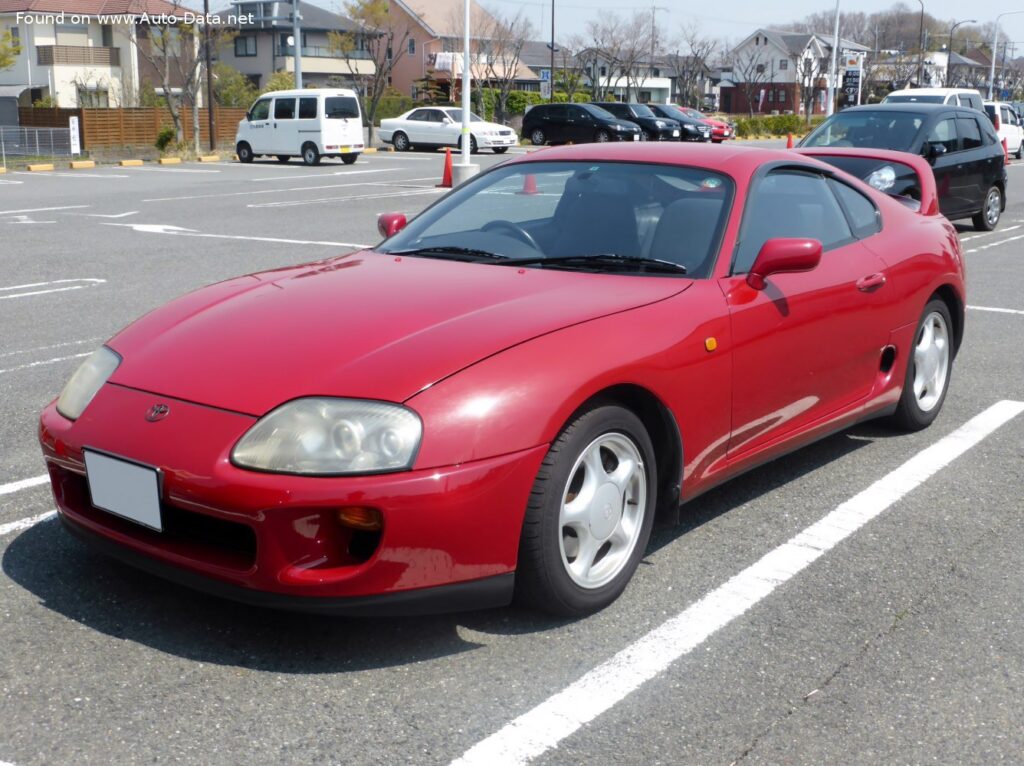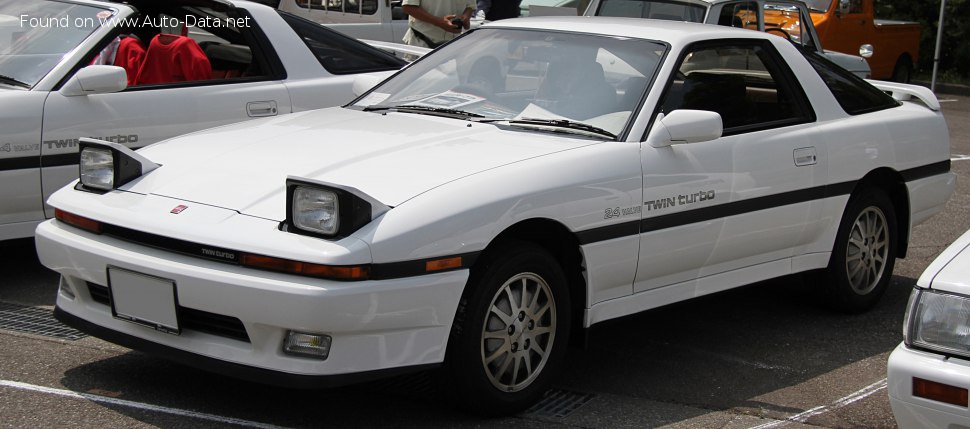
The Toyota Supra III (A70), produced between 1987 and 1989, represents a significant evolution in Toyota’s sports car lineage. This generation, while not initially as iconic as later iterations, laid the groundwork for the Supra’s future success, particularly with the introduction of the turbocharged 3.0-liter engine. Positioned as a grand tourer, the A70 Supra aimed to blend performance with comfort, appealing to drivers seeking a capable and stylish coupe. While the Supra nameplate wasn’t widely known in the US at this point, it was gaining recognition as a serious competitor in the Japanese sports car market.
Toyota Supra III (A70) 3.0 Turbo: An Overview
The A70 Supra marked a departure from the earlier Celica Supra models, becoming a fully independent model line. This separation allowed Toyota to focus on developing a dedicated sports car with more advanced technology and a more refined driving experience. The 3.0 Turbo variant, equipped with the 7M-GTE engine, was the flagship model, offering a substantial power increase over naturally aspirated versions. It was designed to compete with established sports coupes from Nissan and Mazda, offering a compelling combination of performance, technology, and reliability.
Engine & Performance
The heart of the Supra III (A70) 3.0 Turbo is the 7M-GTE, a 2.954-liter (180.26 cubic inches) inline-six cylinder engine. This engine utilizes a single turbocharger with an intercooler, producing 235 horsepower at 5600 rpm and 344 Nm (253.72 lb.-ft.) of torque at 3200 rpm. The engine features multi-port fuel injection and a double overhead camshaft (DOHC) valvetrain with four valves per cylinder. This configuration delivers a strong mid-range punch and respectable top-end power. The engine’s power-to-weight ratio of 6.9 kg/Hp and torque-to-weight ratio of 4.7 kg/Nm contribute to its responsive performance.
Power is delivered to the rear wheels through a 5-speed manual transmission. Acceleration from 0 to 100 km/h (0-62 mph) takes approximately 7 seconds, while the 0-60 mph sprint is achieved in around 6.7 seconds. The A70 3.0 Turbo boasts a maximum speed of 245 km/h (152.24 mph). Fuel consumption is rated at 11 liters per 100 kilometers (21.4 US mpg, 25.7 UK mpg, 9.1 km/l).
Design & Features
The Toyota Supra III (A70) is a three-door coupe with seating for four passengers. Its design is characterized by a sleek, aerodynamic profile with pop-up headlights, a hallmark of sports cars from the late 1980s. The body is relatively long at 4620 mm (181.89 inches) and wide at 1745 mm (68.7 inches), contributing to its stable handling characteristics. The vehicle’s height is 1310 mm (51.57 inches) and it has a wheelbase of 2595 mm (102.17 inches).
The A70 Supra prioritized driver comfort and safety, offering features such as power steering (hydraulic), ventilated disc brakes on all four wheels, and an Anti-lock Braking System (ABS). The interior was well-appointed for its time, featuring comfortable seats and a functional dashboard layout. While not laden with modern conveniences, the A70 Supra provided a refined and enjoyable driving experience. The kerb weight of 1620 kg (3571.49 lbs) was considered moderate for a sports coupe of this era.
Technical Specifications
| Brand | Toyota |
| Model | Supra |
| Generation | Supra III (A70) |
| Type (Engine) | 3.0 Turbo (235 Hp) |
| Start of production | 1987 |
| End of production | 1989 |
| Powertrain Architecture | Internal Combustion engine |
| Body type | Coupe |
| Seats | 4 |
| Doors | 3 |
| Fuel consumption (combined) | 11 l/100 km |
| Fuel consumption (US mpg) | 21.4 US mpg |
| Fuel consumption (UK mpg) | 25.7 UK mpg |
| Fuel consumption (km/l) | 9.1 km/l |
| Fuel Type | Petrol (Gasoline) |
| Acceleration 0 – 100 km/h | 7 sec |
| Acceleration 0 – 62 mph | 7 sec |
| Acceleration 0 – 60 mph | 6.7 sec |
| Maximum speed | 245 km/h (152.24 mph) |
| Weight-to-power ratio | 6.9 kg/Hp |
| Weight-to-torque ratio | 4.7 kg/Nm |
| Power | 235 Hp @ 5600 rpm |
| Power per litre | 79.6 Hp/l |
| Torque | 344 Nm @ 3200 rpm (253.72 lb.-ft. @ 3200 rpm) |
| Engine layout | Front, Longitudinal |
| Engine Model/Code | 7M-GTE |
| Engine displacement | 2954 cm3 (180.26 cu. in.) |
| Number of cylinders | 6 |
| Engine configuration | Inline |
| Cylinder Bore | 83 mm (3.27 in.) |
| Piston Stroke | 91 mm (3.58 in.) |
| Compression ratio | 8:1 |
| Number of valves per cylinder | 4 |
| Fuel injection system | Multi-port manifold injection |
| Engine aspiration | Turbocharger, Intercooler |
| Valvetrain | DOHC |
| Engine oil capacity | 4.4 l (4.65 US qt | 3.87 UK qt) |
| Coolant capacity | 8.2 l (8.66 US qt | 7.21 UK qt) |
| Kerb Weight | 1620 kg (3571.49 lbs.) |
| Fuel tank capacity | 70 l (18.49 US gal | 15.4 UK gal) |
| Length | 4620 mm (181.89 in.) |
| Width | 1745 mm (68.7 in.) |
| Height | 1310 mm (51.57 in.) |
| Wheelbase | 2595 mm (102.17 in.) |
| Drivetrain Architecture | Rear wheel drive |
| Number of gears and type of gearbox | 5 gears, manual transmission |
| Front suspension | Double wishbone |
| Rear suspension | Double wishbone |
| Front brakes | Ventilated discs |
| Rear brakes | Ventilated discs |
| Assisting systems | ABS (Anti-lock braking system) |
| Steering type | Steering rack and pinion |
| Power steering | Hydraulic Steering |
| Wheel rims size | 16 |
The Toyota Supra III (A70) 3.0 Turbo, while often overshadowed by its successor, remains a significant vehicle in the Supra’s history. It represented a step forward in Toyota’s sports car development, offering a compelling blend of performance, technology, and refinement. It established the Supra as a serious contender in the sports car market and paved the way for the iconic generations that followed.