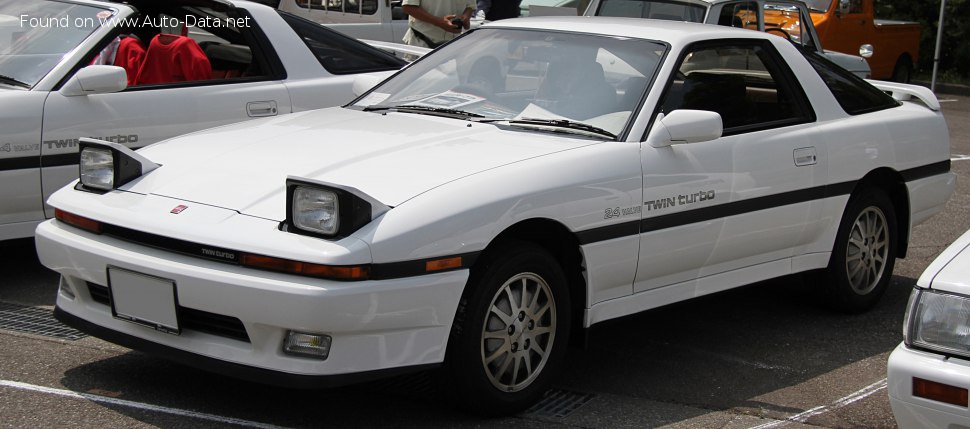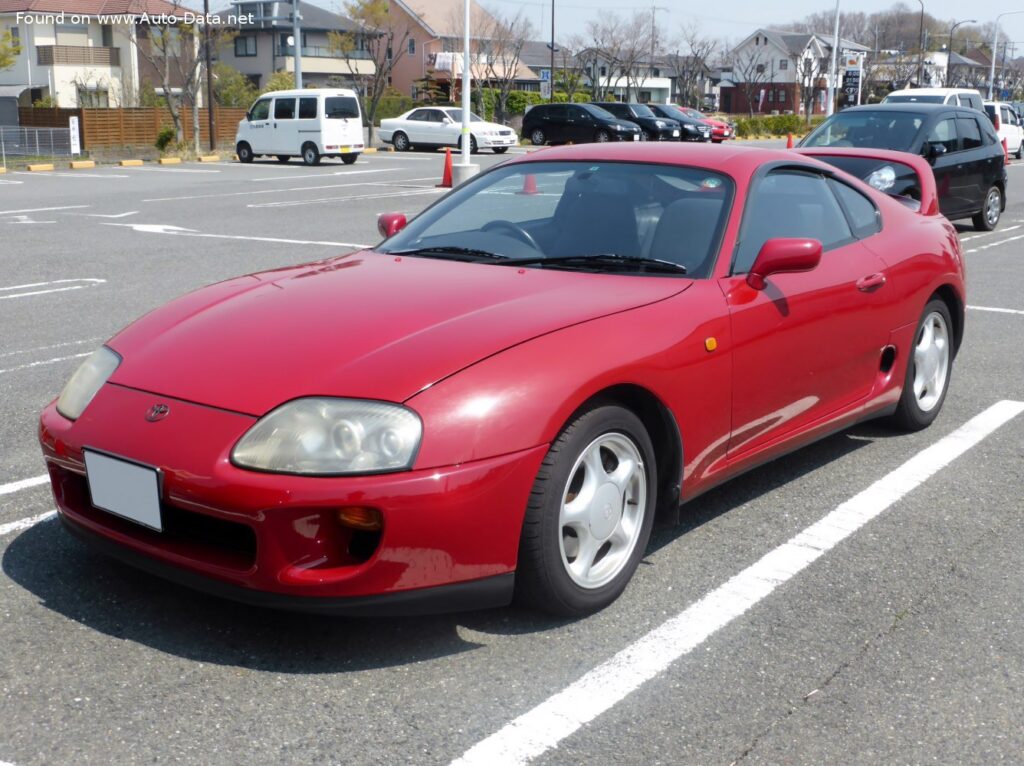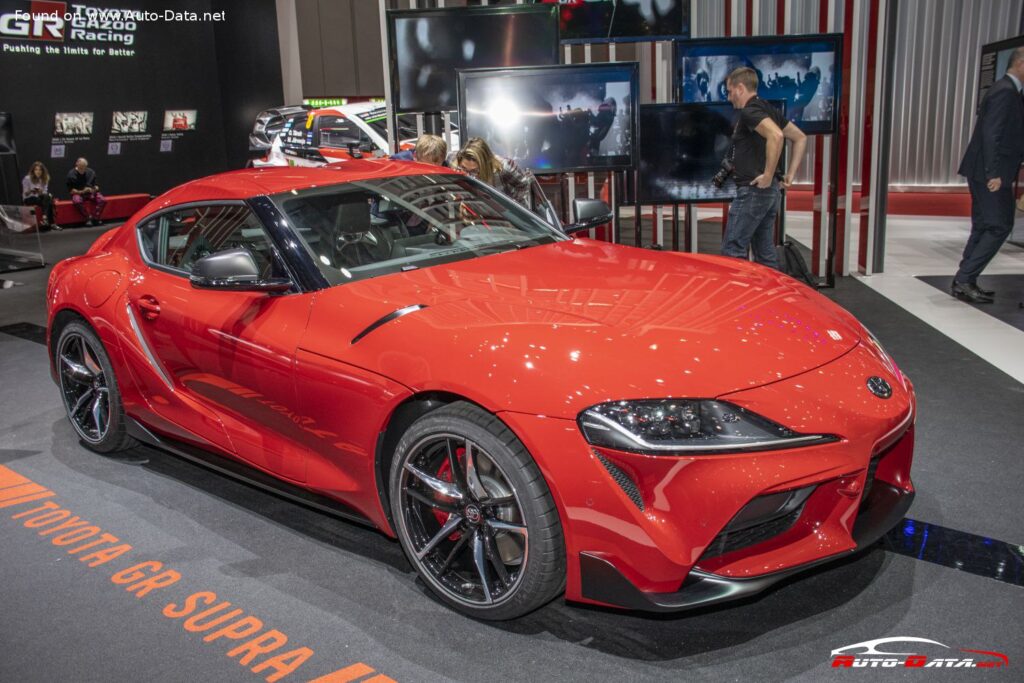
The Toyota Supra V (A90), specifically the 2.0-liter variant introduced in 2019, represents a significant chapter in the storied history of Toyota’s iconic sports car. Revived after a 17-year hiatus, the A90 Supra marked a departure from its predecessors, developed in collaboration with BMW. This generation aimed to blend modern technology with the Supra’s traditional focus on driving dynamics, offering a more accessible entry point into the Supra lineage with a smaller, turbocharged engine. While the higher-performance 3.0-liter version garnered much attention, the 2.0-liter model provided a compelling balance of performance and efficiency, particularly appealing to markets with differing tax regulations and driver preferences. The A90 Supra is a rear-wheel-drive coupe, positioned within the sports car segment, competing with models like the Porsche 718 Cayman and BMW Z4.
Toyota Supra V (A90) 2.0: A Detailed Overview
The fifth-generation Supra, internally designated A90, was unveiled in January 2019, signaling Toyota’s return to the sports car market. The development process was unique, involving a partnership with BMW, resulting in the A90 sharing its platform and many components with the BMW Z4. This collaboration allowed Toyota to reduce development costs and bring the Supra back to production more efficiently. The 2.0-liter model was added to the lineup shortly after the initial launch, offering a more affordable and fuel-efficient option. It’s important to note that the Supra was never officially sold in the United States with a four-cylinder engine; the US market only received the 3.0-liter variant.
Engine & Performance
The heart of the Supra V (A90) 2.0 is the BMW-sourced B48L 2.0-liter inline-four cylinder engine. This engine utilizes direct injection and is equipped with a twin-scroll turbocharger and intercooler, producing 197 horsepower at 4,500-6,500 rpm and 320 Nm (236.02 lb.-ft.) of torque between 1,450 and 4,200 rpm. The engine’s broad torque curve provides responsive acceleration throughout the rev range. Power is delivered to the rear wheels via an eight-speed automatic transmission, optimized for both performance and efficiency. The Supra 2.0 achieves a 0-60 mph (0-97 km/h) time of approximately 6.2 seconds, and 0-100 km/h in 6.5 seconds. The weight-to-power ratio of 7.2 kg/Hp and a weight-to-torque ratio of 4.4 kg/Nm contribute to its agile handling characteristics. The inclusion of a particulate filter demonstrates a commitment to meeting increasingly stringent emissions standards.
Design & Features
The A90 Supra boasts a striking coupe body style, characterized by its long hood, short rear deck, and sculpted lines. The design incorporates elements from the iconic Supra models of the past, such as the double-bubble roof, while embracing a modern aesthetic. The car’s dimensions – 4380 mm (172.44 in) in length, 1865 mm (73.43 in) in width, and 1290 mm (50.79 in) in height – contribute to its sporty proportions. Inside, the Supra 2.0 features a driver-focused cockpit with a modern infotainment system and high-quality materials. Safety features include ABS (Anti-lock Braking System) and ventilated disc brakes on all four wheels. The suspension system comprises independent McPherson struts at the front and an independent multi-link setup at the rear, providing a balance of comfort and handling precision. The vehicle rides on 17-inch wheels, fitted with 225/50 R17 tires at the front and 255/45 R17 tires at the rear.
Technical Specifications
| General Information | |
| Brand | Toyota |
| Model | Supra |
| Generation | Supra V (A90) |
| Type (Engine) | 2.0 (197 Hp) Automatic |
| Start of production | 2019 |
| Powertrain Architecture | Internal Combustion engine |
| Body type | Coupe |
| Seats | 2 |
| Doors | 2 |
| Performance Specs | |
| Fuel Type | Petrol (Gasoline) |
| Acceleration 0 – 100 km/h | 6.5 sec |
| Acceleration 0 – 62 mph | 6.5 sec |
| Acceleration 0 – 60 mph | 6.2 sec |
| Weight-to-power ratio | 7.2 kg/Hp |
| Weight-to-torque ratio | 4.4 kg/Nm |
| Engine Specs | |
| Power | 197 Hp @ 4500-6500 rpm |
| Power per litre | 98.6 Hp/l |
| Torque | 320 Nm @ 1450-4200 rpm / 236.02 lb.-ft. @ 1450-4200 rpm |
| Engine layout | Front, Longitudinal |
| Engine Model/Code | B48L |
| Engine displacement | 1998 cm3 / 121.93 cu. in. |
| Number of cylinders | 4 |
| Engine configuration | Inline |
| Cylinder Bore | 82 mm / 3.23 in. |
| Piston Stroke | 94.6 mm / 3.72 in. |
| Fuel injection system | Direct injection |
| Engine aspiration | Twin-scroll turbo, Intercooler |
| Engine oil capacity | 5.25 l / 5.55 US qt | 4.62 UK qt |
| Coolant | 10 l / 10.57 US qt | 8.8 UK qt |
| Space, Volume and Weights | |
| Kerb Weight | 1410 kg / 3108.52 lbs. |
| Dimensions | |
| Length | 4380 mm / 172.44 in. |
| Width | 1865 mm / 73.43 in. |
| Height | 1290 mm / 50.79 in. |
| Wheelbase | 2470 mm / 97.24 in. |
| Front track | 1609 mm / 63.35 in. |
| Rear track | 1616 mm / 63.62 in. |
| Drivetrain, Brakes and Suspension | |
| Drivetrain Architecture | Rear wheel drive, Internal Combustion engine |
| Drive wheel | Rear wheel drive |
| Number of gears and type of gearbox | 8 gears, automatic transmission |
| Front suspension | Independent type McPherson |
| Rear suspension | Independent multi-link suspension |
| Front brakes | Ventilated discs |
| Rear brakes | Ventilated discs |
| Assisting systems | ABS (Anti-lock braking system) |
| Steering type | Steering rack and pinion |
| Power steering | Electric Steering |
| Tires size | Front wheel tires: 225/50 R17 Rear wheel tires: 255/45 R17 |
| Wheel rims size | 17 |