
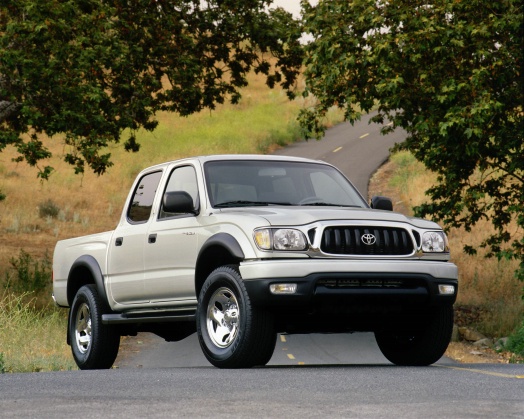
The Toyota Tacoma I Double Cab, specifically the facelifted version introduced in 2000, represents a significant iteration of Toyota’s popular compact pickup truck. Sold primarily in North America, the Tacoma quickly gained a reputation for reliability, durability, and off-road capability. This generation, spanning from 1995 to 2004, offered a compelling alternative to larger, full-size trucks, appealing to buyers seeking a versatile vehicle for both work and recreational purposes. The 2000 facelift brought cosmetic updates and refinements, solidifying the Tacoma’s position in a competitive segment. The Double Cab configuration, introduced in 2000, expanded the Tacoma’s appeal by offering a more spacious rear seat, making it a viable option for families.
Toyota Tacoma I Double Cab (2000-2004): A Detailed Overview
The Tacoma I Double Cab (facelift 2000) with the 3.4-liter V6 engine and four-wheel drive configuration was a popular choice for those needing a capable and reliable pickup. It bridged the gap between smaller, less powerful trucks and the larger, more cumbersome full-size options. This model year marked a turning point for the Tacoma, with the introduction of the Double Cab body style, offering increased passenger space without sacrificing the truck’s inherent utility. The facelift also included minor styling changes, enhancing the vehicle’s aesthetic appeal.
Engine & Performance
Powering the 2000-2004 Toyota Tacoma Double Cab is the 5VZ-FE 3.4-liter V6 engine. This naturally aspirated engine produces 190 horsepower at 4800 rpm and 298 Nm (219.79 lb.-ft.) of torque at 3600 rpm. The engine features a longitudinal front-engine layout, a V6 configuration with 4 valves per cylinder, and multi-port fuel injection. The 5VZ-FE is known for its robust construction and longevity, contributing significantly to the Tacoma’s reputation for reliability. The power-to-weight ratio of 6.6 kg/Hp (152.4 Hp/tonne) and torque-to-weight ratio of 4.2 kg/Nm (239 Nm/tonne) provide adequate performance for both on-road driving and off-road adventures. The engine’s displacement of 3378 cm3 (206.14 cu. in.) and a compression ratio of 9.6:1 contribute to its balanced performance characteristics. The engine is paired with a 5-speed manual transmission, delivering power to all four wheels via a 4×4 drivetrain.
Design & Features
The Toyota Tacoma I Double Cab is a four-door pickup truck designed to accommodate five passengers. Its body-on-frame construction provides a robust platform for both hauling cargo and navigating challenging terrain. The Double Cab configuration significantly increases rear seat space compared to the standard cab models, making it a more practical choice for families or those frequently carrying passengers. The truck’s exterior design is characterized by its relatively compact size and utilitarian styling. The 2000 facelift brought subtle changes to the front fascia, including revised headlights and a redesigned grille. Standard features included ventilated front disc brakes and drum brakes in the rear. Tire sizes varied, with options including 205/75 R15 and 235/55 R16, mounted on 15 or 16-inch wheel rims. Ground clearance is a respectable 215 mm (8.46 in), enhancing its off-road capability. The Tacoma’s interior is functional and durable, prioritizing practicality over luxury.
Safety and Utility
While safety standards were evolving during this period, the Tacoma offered a reasonable level of protection for its time. Features like seatbelts were standard, and the robust body-on-frame construction provided inherent crash protection. The Tacoma’s primary strength lies in its utility. With a maximum load capacity of 681 kg (1501.35 lbs) and a fuel tank capacity of 70 liters (18.49 US gal), it’s well-equipped for both work and recreational tasks. The truck’s four-wheel-drive system provides enhanced traction in various conditions, making it a capable off-road vehicle.
Technical Specifications
| Brand | Toyota |
| Model | Tacoma |
| Generation | Tacoma I Double Cab (facelift 2000) |
| Type (Engine) | 3.4 V6 (190 Hp) 4WD |
| Start of production | 2000 |
| End of production | 2004 |
| Powertrain Architecture | Internal Combustion engine |
| Body type | Pick-up |
| Seats | 5 |
| Doors | 4 |
| Fuel consumption (urban) | 13.8 l/100 km (17 US mpg, 20.5 UK mpg) |
| Fuel consumption (extra urban) | 12.4 l/100 km (19 US mpg, 22.8 UK mpg) |
| Fuel Type | Petrol (Gasoline) |
| Weight-to-power ratio | 6.6 kg/Hp |
| Weight-to-torque ratio | 4.2 kg/Nm |
| Power | 190 Hp @ 4800 rpm |
| Torque | 298 Nm @ 3600 rpm (219.79 lb.-ft. @ 3600 rpm) |
| Engine layout | Front, Longitudinal |
| Engine Model/Code | 5VZ-FE |
| Engine displacement | 3378 cm3 (206.14 cu. in.) |
| Number of cylinders | 6 |
| Engine configuration | V-engine |
| Cylinder Bore | 93.4 mm (3.68 in.) |
| Piston Stroke | 82.04 mm (3.23 in.) |
| Compression ratio | 9.6:1 |
| Number of valves per cylinder | 4 |
| Fuel injection system | Multi-port manifold injection |
| Engine aspiration | Naturally aspirated engine |
| Valvetrain | DOHC |
| Kerb Weight | 1247 kg (2749.16 lbs.) |
| Max. weight | 1928 kg (4250.51 lbs.) |
| Max load | 681 kg (1501.35 lbs.) |
| Fuel tank capacity | 70 l (18.49 US gal | 15.4 UK gal) |
| Length | 5138 mm (202.28 in.) |
| Width | 1781 mm (70.12 in.) |
| Height | 1715 mm (67.52 in.) |
| Wheelbase | 3096 mm (121.89 in.) |
| Front track | 1461 mm (57.52 in.) |
| Rear track | 1455 mm (57.28 in.) |
| Ride height (ground clearance) | 215 mm (8.46 in.) |
| Drive wheel | All wheel drive (4×4) |
| Number of gears and type of gearbox | 5 gears, manual transmission |
| Front brakes | Ventilated discs |
| Rear brakes | Drum |
| Tires size | 205/75 R15; 235/55 R16 |
| Wheel rims size | 15; 16 |

