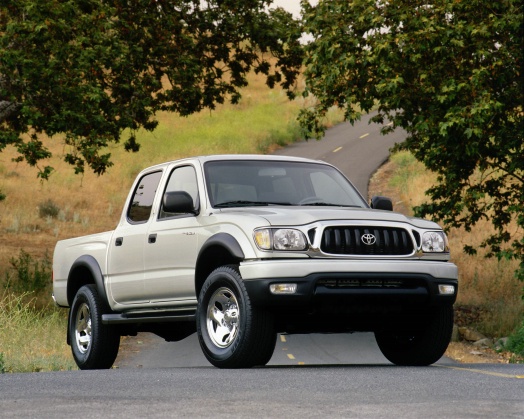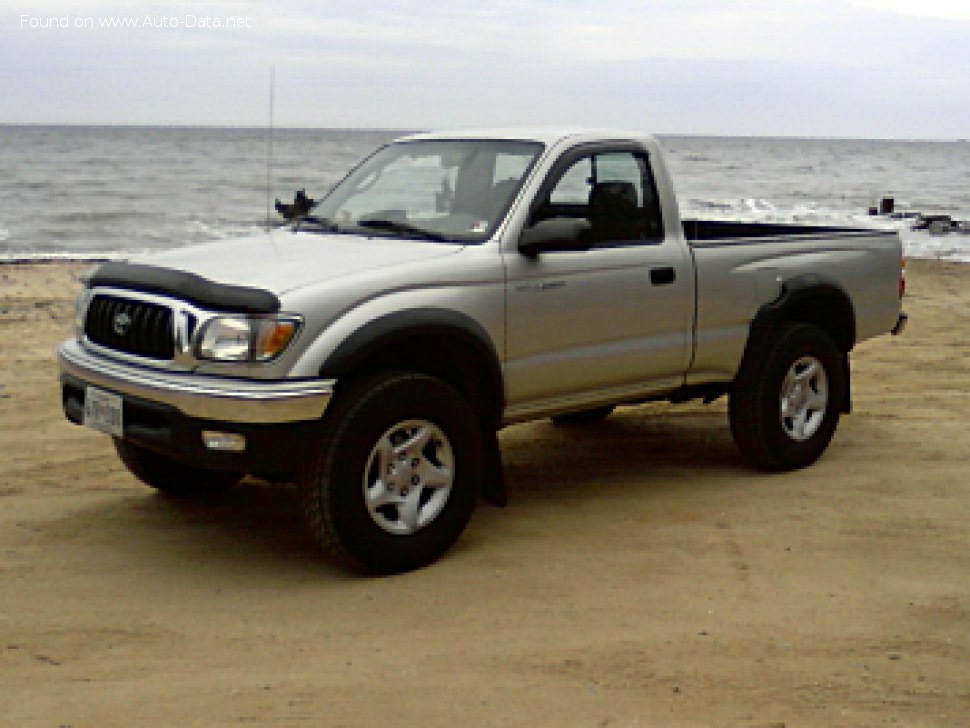
The Toyota Tacoma I Single Cab 2.7, produced between 1995 and 2000, represents the first generation of Toyota’s immensely popular compact pickup truck in the North American market. While Toyota had offered smaller trucks previously, the Tacoma was specifically designed to appeal to the growing demand for a versatile, reliable, and relatively affordable truck. This initial iteration of the Tacoma established the foundation for the model’s enduring success, becoming known for its ruggedness and off-road capability. The Single Cab configuration, paired with the 2.7-liter engine, offered a no-frills, work-oriented option within the Tacoma lineup, catering to buyers prioritizing practicality and durability over luxury.
Toyota Tacoma I Single Cab 2.7: A First Generation Workhorse
The Tacoma I Single Cab 2.7 occupied a crucial segment in the American automotive landscape during the late 1990s – the compact pickup truck market. Competitors included the Ford Ranger, Chevrolet S-10, and Nissan Frontier. However, the Tacoma quickly distinguished itself through its build quality, reliability, and a reputation for holding its value. Unlike some competitors that focused on basic transportation, the Tacoma offered a more refined driving experience and a greater sense of durability, contributing to its rapid rise in popularity. The Single Cab configuration was particularly favored by those needing a utilitarian vehicle for work or outdoor activities, where passenger space was less of a concern.
Engine & Performance
Powering the Toyota Tacoma I Single Cab 2.7 is the 3RZ-FE 2.7-liter inline-four cylinder gasoline engine. This naturally aspirated engine produces 182 horsepower at 4800 rpm and 240 Newton-meters (177.01 lb.-ft.) of torque at 4000 rpm. While not a powerhouse, the 3RZ-FE is renowned for its longevity and dependability. The engine features a double overhead camshaft (DOHC) valvetrain with four valves per cylinder and utilizes a multi-port fuel injection system. This configuration provides a reasonable balance of power and fuel efficiency. The engine’s longitudinal front-engine layout contributes to a balanced weight distribution. The Tacoma I Single Cab 2.7 was equipped with a standard five-speed manual transmission, delivering power to the rear wheels. This setup provided a direct and engaging driving experience, well-suited for both on-road and off-road applications. The power-to-weight ratio of 67.6 horsepower per liter reflects the engine’s focus on usability rather than outright performance.
Design & Features
The Toyota Tacoma I Single Cab is a classic two-door pickup truck, designed with functionality as a primary concern. Its body-on-frame construction provides a robust and durable platform, capable of handling demanding tasks and rough terrain. The Single Cab configuration features a bench seat accommodating up to three passengers, although rear seat space is limited. The interior is relatively spartan, focusing on essential controls and durable materials. The exterior styling is characterized by a boxy, utilitarian design, typical of pickup trucks of the era. Ground clearance of 215 mm (8.46 inches) enhances its off-road capability. Safety features, while limited by the standards of the 1990s, included front ventilated disc brakes and rear drum brakes. Tire sizes ranged from 205/75 R15 to 235/55 R16, depending on the trim level and wheel size (15 or 16 inches). The Tacoma’s design prioritized practicality and durability, making it a popular choice for both work and recreational use.
Technical Specifications
| Brand | Toyota |
| Model | Tacoma |
| Generation | Tacoma I Single Cab |
| Type (Engine) | 2.7 (182 Hp) |
| Start of production | 1995 |
| End of production | 2000 |
| Powertrain Architecture | Internal Combustion engine |
| Body type | Pick-up |
| Seats | 3 |
| Doors | 2 |
| Fuel Type | Petrol (Gasoline) |
| Power | 182 Hp @ 4800 rpm |
| Power per litre | 67.6 Hp/l |
| Torque | 240 Nm @ 4000 rpm / 177.01 lb.-ft. @ 4000 rpm |
| Engine layout | Front, Longitudinal |
| Engine Model/Code | 3RZ-FE |
| Engine displacement | 2694 cm3 / 164.4 cu. in. |
| Number of cylinders | 4 |
| Engine configuration | Inline |
| Cylinder Bore | 95 mm / 3.74 in. |
| Piston Stroke | 95 mm / 3.74 in. |
| Compression ratio | 9.5:1 |
| Number of valves per cylinder | 4 |
| Fuel injection system | Multi-port manifold injection |
| Engine aspiration | Naturally aspirated engine |
| Valvetrain | DOHC |
| Engine oil capacity | 5.4 l / 5.71 US qt | 4.75 UK qt |
| Coolant | 8.2 l / 8.66 US qt | 7.21 UK qt |
| Max. weight | 1928 kg / 4250.51 lbs |
| Fuel tank capacity | 57 l / 15.06 US gal | 12.54 UK gal |
| Length | 4585 mm / 180.51 in |
| Width | 1689 mm / 66.5 in |
| Height | 1549 mm / 60.98 in |
| Wheelbase | 2624 mm / 103.31 in |
| Front track | 1395 mm / 54.92 in |
| Rear (Back) track | 1414 mm / 55.67 in |
| Ride height (ground clearance) | 215 mm / 8.46 in |
| Drivetrain Architecture | Rear wheel drive. Internal Combustion engine (ICE) |
| Drive wheel | Rear wheel drive |
| Number of gears and type of gearbox | 5 gears, manual transmission |
| Front brakes | Ventilated discs |
| Rear brakes | Drum |
| Tires size | 205/75 R15; 235/55 R16 |
| Wheel rims size | 15; 16 |
The Toyota Tacoma I Single Cab 2.7 laid the groundwork for the Tacoma’s enduring success. Its combination of reliability, durability, and affordability made it a popular choice among truck buyers, establishing a strong foothold in the competitive North American market. The first generation Tacoma remains a sought-after vehicle among enthusiasts and those seeking a dependable and capable pickup truck.