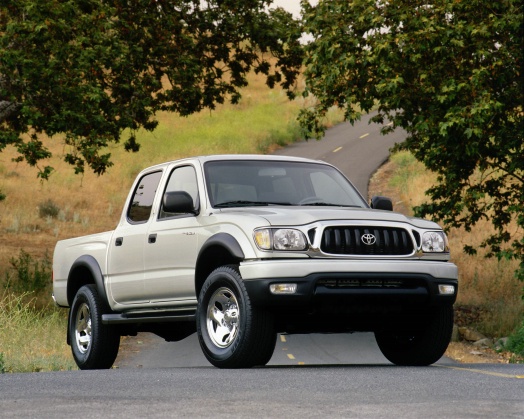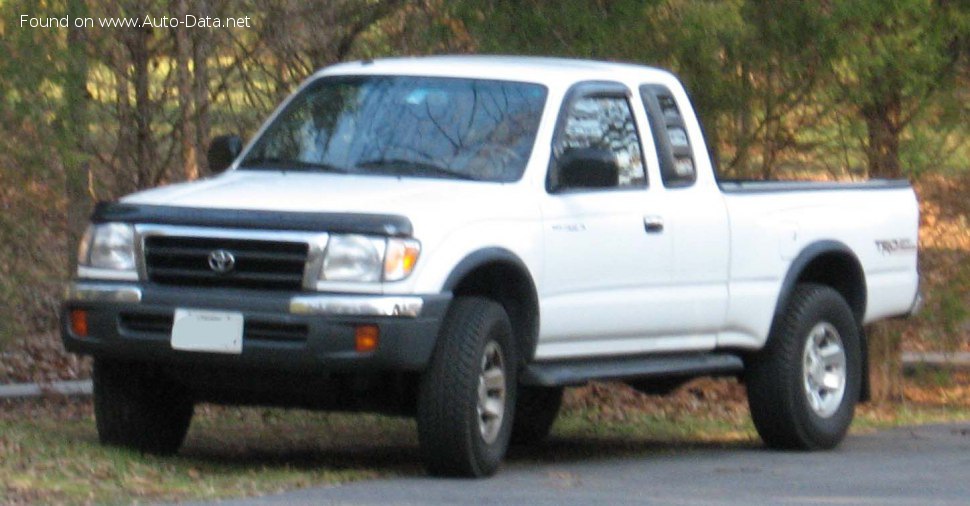
The Toyota Tacoma I xTracab 2.7, produced between 1995 and 2000, represents the first generation of Toyota’s immensely popular compact pickup truck in North America. While Toyota had offered smaller trucks previously, the Tacoma was specifically designed to appeal to the growing North American market for versatile, mid-size trucks. The xTracab designation refers to the extended cab configuration, offering limited rear seating and storage space, differentiating it from the standard cab models. This generation Tacoma quickly gained a reputation for reliability, durability, and off-road capability, establishing a strong foothold for the model that continues to this day. It filled a niche between full-size trucks and smaller, more utilitarian offerings, becoming a favorite among both recreational users and those needing a practical work vehicle.
Toyota Tacoma I xTracab 2.7: A Detailed Overview
The first-generation Tacoma was a significant departure from the Hilux models sold in other markets, tailored specifically for the demands and preferences of North American buyers. It offered a blend of ruggedness, comfort, and practicality that resonated with a wide range of customers. The xTracab version, with its extended cab, provided a compromise for those needing occasional rear passenger space without the bulk of a full-size crew cab. The 2.7-liter engine option provided a balance between fuel economy and sufficient power for everyday use and light-duty tasks.
Engine & Performance
The Tacoma I xTracab 2.7 was powered by the 3RZ-FE 2.7-liter inline-four cylinder gasoline engine. This naturally aspirated engine produced 150 horsepower at 4800 rpm and 240 Nm (177.01 lb.-ft.) of torque at 4000 rpm. While not a powerhouse, the 3RZ-FE was known for its robust construction and longevity. The engine featured a double overhead camshaft (DOHC) valvetrain and multi-port fuel injection, contributing to relatively smooth operation and acceptable fuel efficiency for its time. The engine’s longitudinal front-engine layout facilitated a traditional rear-wheel-drive configuration, with the option of a part-time four-wheel-drive system. The Tacoma utilized a 4-speed automatic transmission, providing convenient shifting and enhancing drivability. The weight-to-power ratio of 10.2 kg/Hp and 98.1 Hp/tonne indicates a modest but adequate performance profile for its intended use. The weight-to-torque ratio of 6.4 kg/Nm and 157 Nm/tonne highlights the engine’s usable low-end torque, beneficial for hauling and off-road driving.
Design & Features
The Toyota Tacoma I xTracab was a traditional pickup truck in terms of body style, featuring a two-door configuration with a small rear seat area accessible via side-facing jump seats. The truck’s design prioritized functionality and durability over outright aesthetics, although it possessed a relatively modern appearance for the mid-1990s. The xTracab configuration added approximately 20 inches to the overall length compared to the standard cab model, providing a limited amount of additional interior space. Key features included a robust suspension system designed to handle both on-road comfort and off-road challenges. Braking duties were handled by ventilated discs in the front and drum brakes in the rear. Tire sizes varied depending on the trim level, with options including 205/75 R15 and 235/55 R16. Safety features were relatively basic by modern standards, reflecting the era in which the vehicle was produced. However, the Tacoma’s solid construction and predictable handling contributed to its overall safety profile. The interior was functional and utilitarian, with durable materials designed to withstand the rigors of truck ownership.
Technical Specifications
| Brand | Toyota |
| Model | Tacoma |
| Generation | Tacoma I xTracab |
| Type (Engine) | 2.7 (150 Hp) 4WD Automatic |
| Start of production | 1995 |
| End of production | 2000 |
| Powertrain Architecture | Internal Combustion engine |
| Body type | Pick-up |
| Seats | 5 |
| Doors | 2 |
| Fuel Type | Petrol (Gasoline) |
| Weight-to-power ratio | 10.2 kg/Hp |
| Hp/tonne | 98.1 Hp/tonne |
| Weight-to-torque ratio | 6.4 kg/Nm |
| Nm/tonne | 157 Nm/tonne |
| Power | 150 Hp @ 4800 rpm |
| Power per litre | 55.7 Hp/l |
| Torque | 240 Nm @ 4000 rpm / 177.01 lb.-ft. @ 4000 rpm |
| Engine layout | Front, Longitudinal |
| Engine Model/Code | 3RZ-FE |
| Engine displacement | 2694 cm3 / 164.4 cu. in. |
| Number of cylinders | 4 |
| Engine configuration | Inline |
| Cylinder Bore | 95 mm / 3.74 in. |
| Piston Stroke | 95 mm / 3.74 in. |
| Compression ratio | 9.5:1 |
| Number of valves per cylinder | 4 |
| Fuel injection system | Multi-port manifold injection |
| Engine aspiration | Naturally aspirated engine |
| Valvetrain | DOHC |
| Engine oil capacity | 5.4 l / 5.71 US qt | 4.75 UK qt |
| Coolant | 8.2 l / 8.66 US qt | 7.21 UK qt |
| Kerb Weight | 1529 kg / 3370.87 lbs. |
| Max. weight | 2268 kg / 5000.08 lbs. |
| Max load | 739 kg / 1629.22 lbs. |
| Fuel tank capacity | 57 l / 15.06 US gal | 12.54 UK gal |
| Length | 5055 mm / 199.02 in. |
| Width | 1689 mm / 66.5 in. |
| Height | 1560 mm / 61.42 in. |
| Wheelbase | 3096 mm / 121.89 in. |
| Front track | 1311 mm / 51.61 in. |
| Rear (Back) track | 1440 mm / 56.69 in. |
| Ride height (ground clearance) | 275 mm / 10.83 in. |
| Drive wheel | All wheel drive (4×4) |
| Number of gears and type of gearbox | 4 gears, automatic transmission |
| Front brakes | Ventilated discs |
| Rear brakes | Drum |
| Tires size | 205/75 R15; 235/55 R16 |
| Wheel rims size | 15; 16 |
The Toyota Tacoma I xTracab 2.7 4WD Automatic established a strong foundation for the Tacoma’s enduring success. Its combination of reliability, practicality, and off-road capability made it a popular choice among truck buyers, and it remains a sought-after vehicle among enthusiasts today. The first generation Tacoma proved that a compact pickup could offer a compelling alternative to larger, more traditional trucks, paving the way for the Tacoma’s continued evolution and dominance in the mid-size truck segment.