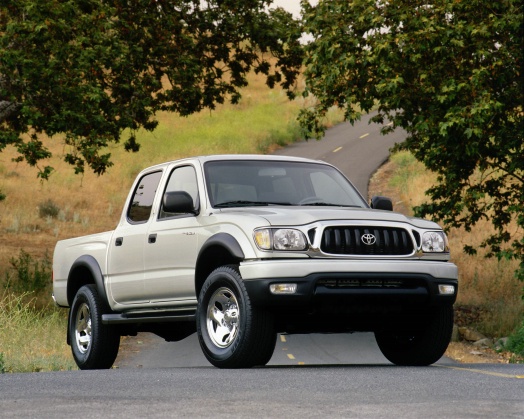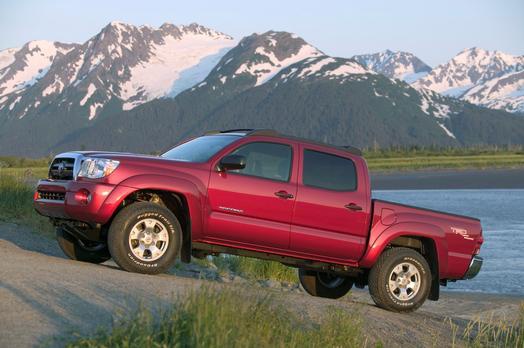
The Toyota Tacoma II Double Cab, produced from 2004 to 2012, represents the second generation of Toyota’s popular compact pickup truck. Sold extensively in North America, and with limited distribution in other markets, the Tacoma II built upon the success of its predecessor, offering increased size, refinement, and capability. This generation Tacoma was a key player in the burgeoning mid-size truck segment, competing with offerings from Chevrolet, Ford, and Nissan. The Double Cab configuration, specifically, catered to buyers needing more passenger space than a traditional regular cab pickup could provide, making it a versatile option for families and those requiring occasional rear-seat occupants. The 4.0-liter V6 engine, paired with a four-wheel-drive system, was a common and well-regarded configuration, offering a balance of power and reliability.
Toyota Tacoma II Double Cab: A Detailed Overview
The Tacoma II Double Cab was designed to appeal to a broader audience than previous generations. While maintaining the ruggedness expected of a Toyota truck, it incorporated more comfortable interior appointments and improved on-road manners. The Double Cab body style added significantly to the truck’s practicality, offering a usable rear seat and increased interior storage. This generation saw a shift towards more sophisticated features, including available options like a factory-installed navigation system and upgraded audio systems. The 4.0-liter V6 engine became the mainstay powerplant, providing ample power for both daily driving and light-duty hauling and towing.
Engine & Performance
The heart of the 2004-2012 Toyota Tacoma II Double Cab 4WD is the 1GR-FE 4.0-liter V6 engine. This naturally aspirated engine produces 236 horsepower at 5200 rpm and 361 Nm (266.26 lb.-ft.) of torque at 4000 rpm. The engine features a longitudinal front engine layout and utilizes a multi-port fuel injection system. The valvetrain incorporates Dual Overhead Camshafts (DOHC) with Variable Valve Timing-intelligent (D-VVT-i) technology, optimizing engine performance and efficiency across a wider range of operating conditions. Power is delivered through a 5-speed manual transmission to all four wheels via a robust four-wheel-drive system. Fuel economy is rated at approximately 13 liters per 100 kilometers (18.1 US mpg) in urban driving and 11.2 liters per 100 kilometers (21 US mpg) in extra-urban conditions. The engine’s displacement of 3955 cm3 (241.35 cu. in.) and a compression ratio of 10:1 contribute to its responsive character. The engine requires 5.2 liters (5.49 US qt) of oil and 9.7 liters (10.25 US qt) of coolant for optimal operation.
Design & Features
The Tacoma II Double Cab is a four-door pickup truck with a seating capacity of five passengers. Its body-on-frame construction provides a solid foundation for both on- and off-road driving. The Double Cab configuration significantly increases interior space compared to the standard cab models, offering comfortable seating for rear passengers. The exterior design is characterized by a relatively conservative, yet functional aesthetic. The truck’s dimensions are substantial, measuring 5286 mm (208.11 in) in length, 1895 mm (74.61 in) in width, and 1781 mm (70.12 in) in height. The wheelbase is 3246 mm (127.8 in), and the front and rear tracks measure 1600 mm (62.99 in) and 1610 mm (63.39 in) respectively. Ground clearance is a respectable 215 mm (8.46 in). Safety features, while not as comprehensive as modern vehicles, included ABS (Anti-lock Braking System) as standard equipment. The suspension system utilizes an independent McPherson strut setup in the front with coil springs and an anti-roll bar, and an independent coil spring setup in the rear, providing a comfortable ride and good handling characteristics. The Tacoma II Double Cab rides on 16-inch wheel rims with 245/75 R16 tires.
Technical Specifications
| Brand | Toyota |
| Model | Tacoma |
| Generation | Tacoma II Double Cab |
| Type (Engine) | 4.0 V6 (236 Hp) 4WD |
| Start of production | August, 2004 |
| End of production | 2012 |
| Powertrain Architecture | Internal Combustion engine |
| Body type | Pick-up |
| Seats | 5 |
| Doors | 4 |
| Fuel consumption (urban) | 13 l/100 km (18.1 US mpg) |
| Fuel consumption (extra urban) | 11.2 l/100 km (21 US mpg) |
| Fuel Type | Petrol (Gasoline) |
| Power | 236 Hp @ 5200 rpm |
| Torque | 361 Nm @ 4000 rpm (266.26 lb.-ft. @ 4000 rpm) |
| Engine layout | Front, Longitudinal |
| Engine Model/Code | 1GR-FE |
| Engine displacement | 3955 cm3 (241.35 cu. in.) |
| Number of cylinders | 6 |
| Engine configuration | V-engine |
| Cylinder Bore | 94 mm (3.7 in.) |
| Piston Stroke | 95 mm (3.74 in.) |
| Compression ratio | 10:1 |
| Number of valves per cylinder | 4 |
| Fuel injection system | Multi-port manifold injection |
| Engine aspiration | Naturally aspirated engine |
| Valvetrain | DOHC, D-VVT-i |
| Engine oil capacity | 5.2 l (5.49 US qt | 4.58 UK qt) |
| Coolant | 9.7 l (10.25 US qt | 8.53 UK qt) |
| Max. weight | 2472 kg (5449.83 lbs.) |
| Fuel tank capacity | 80 l (21.13 US gal | 17.6 UK gal) |
| Length | 5286 mm (208.11 in.) |
| Width | 1895 mm (74.61 in.) |
| Height | 1781 mm (70.12 in.) |
| Wheelbase | 3246 mm (127.8 in.) |
| Front track | 1600 mm (62.99 in.) |
| Rear track | 1610 mm (63.39 in.) |
| Ride height (ground clearance) | 215 mm (8.46 in.) |
| Drive wheel | All wheel drive (4×4) |
| Number of gears and type of gearbox | 5 gears, manual transmission |
| Front suspension | Independent, type McPherson with coil spring and anti-roll bar |
| Rear suspension | Independent coil spring |
| Front brakes | Ventilated discs |
| Rear brakes | Drum |
| Assisting systems | ABS (Anti-lock braking system) |
| Steering type | Steering rack and pinion |
| Tires size | 245/75 R16 |
| Wheel rims size | 16 |