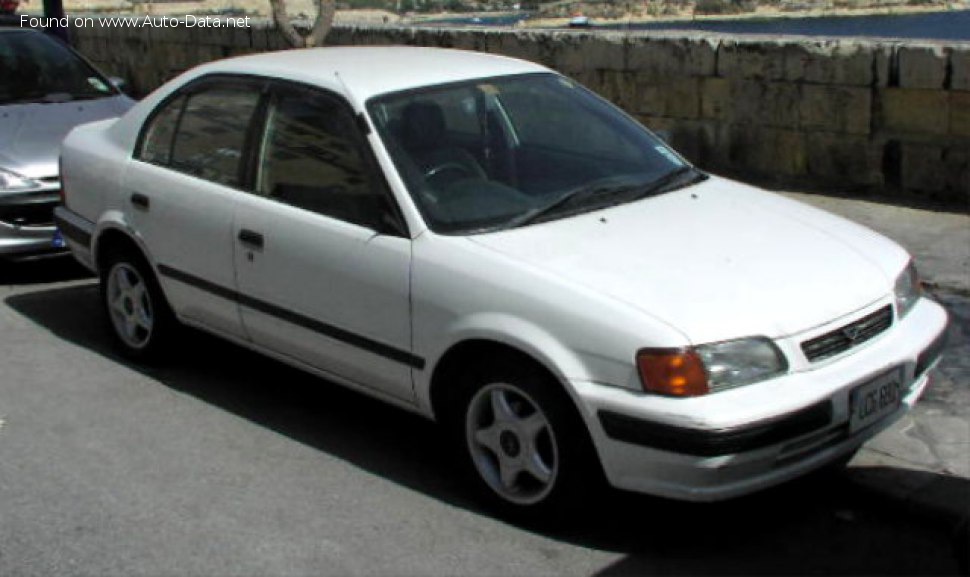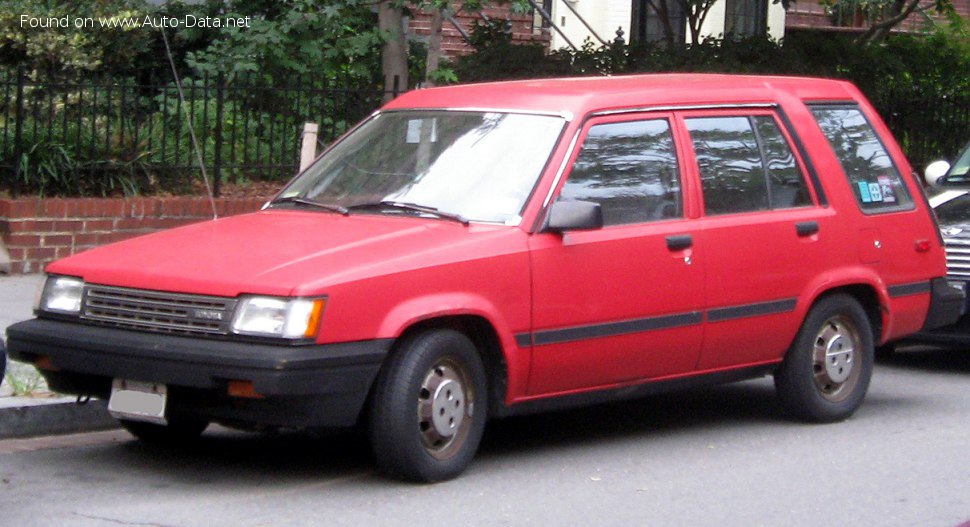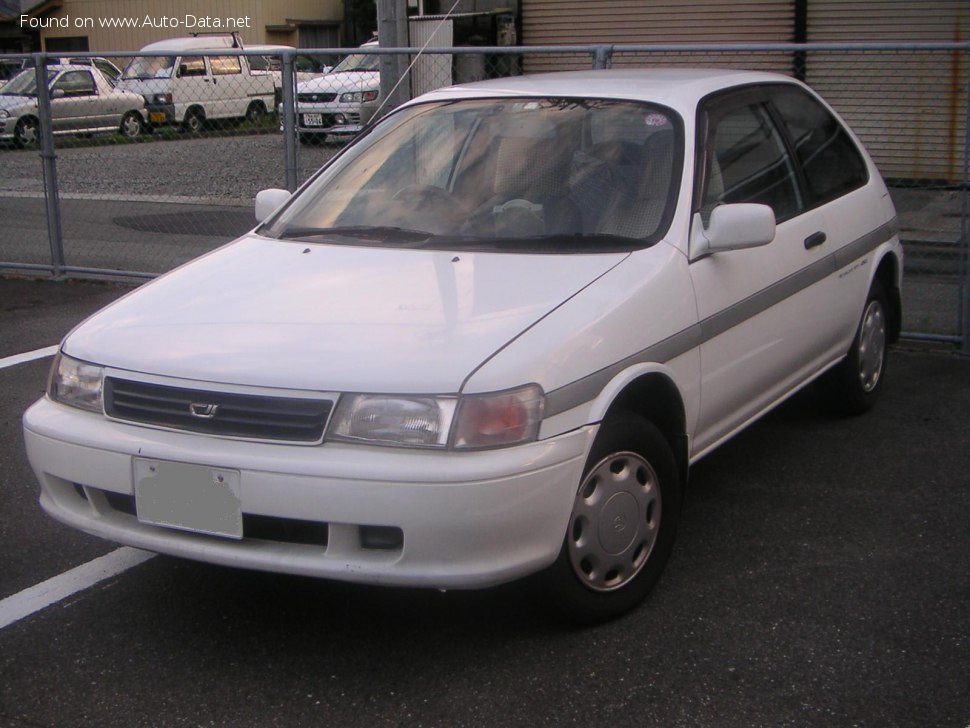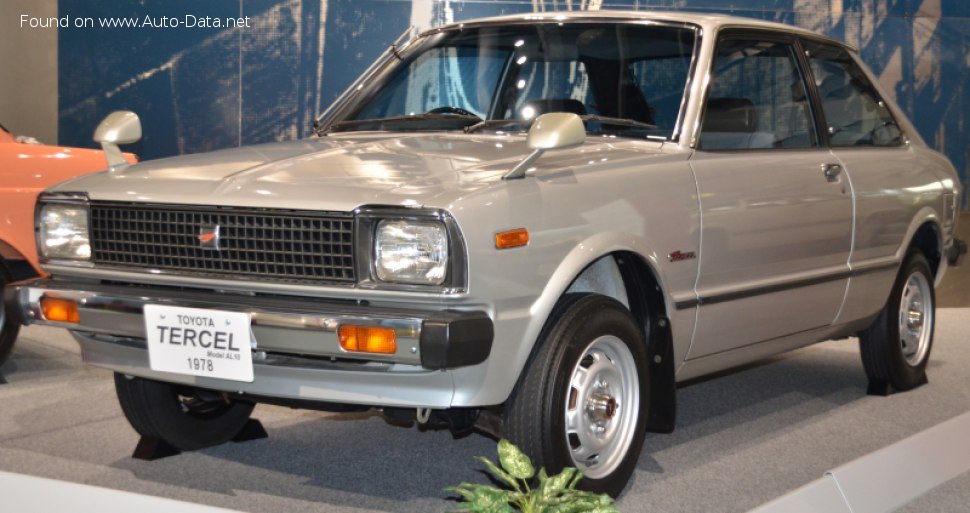
The Toyota Tercel (L1, L2) 1.3, designated internally as the AL11, represents the initial iteration of Toyota’s subcompact offering, produced from 1978 through 1982. This first-generation Tercel was a crucial model for Toyota, designed to address the growing demand for fuel-efficient, affordable transportation in the wake of the 1973 and 1979 oil crises. The AL11 specifically denotes the 1.3-liter engine variant, producing 65 horsepower, and primarily served as the entry-level model within the Tercel lineup during its production run. It was built on Toyota’s A-platform, a rear-wheel drive configuration, and offered as a two-door or four-door sedan, and a five-door wagon (though the wagon was less common in the US market). The AL11 Tercel aimed to provide basic, reliable transportation, prioritizing economy over performance.
The 1.3L AL11 Tercel: Entry-Level Efficiency
The 1.3-liter AL11 Tercel occupied the base trim level within the first-generation Tercel range. While Toyota offered slightly larger engine options in some markets, the 1.3L was the standard engine for the US market. This positioning made it the most affordable and fuel-efficient option, targeting first-time car buyers, commuters, and those seeking a practical, no-frills vehicle. It differed significantly from any potential higher-trim models that might have been offered with larger displacement engines, focusing on simplicity and cost-effectiveness. The AL11’s appeal rested on its reputation for reliability and low running costs, rather than sporty handling or powerful acceleration.
Powertrain & Engine Architecture
The heart of the AL11 Tercel is the 3A-U engine, a 1.3-liter (1290 cc) inline-four cylinder gasoline engine. This engine is naturally aspirated and features a single overhead camshaft (SOHC) valvetrain operating two valves per cylinder. The engine block is cast iron, while the cylinder head is aluminum, contributing to a relatively lightweight design. Fuel delivery is managed by a single-barrel carburetor, a common feature for vehicles of this era, prioritizing simplicity and cost over the more advanced fuel injection systems. The compression ratio is 8.5:1. The 3A-U engine produces 65 horsepower at 6,000 rpm and 78 lb-ft of torque at 3,600 rpm.
The AL11 Tercel exclusively utilized a four-speed manual transmission. An automatic transmission was not offered on the 1.3L model in the US market. The transmission is a conventional rear-wheel drive setup, delivering power to the rear wheels via a standard open differential. The gear ratios are geared towards maximizing fuel economy, with a relatively tall final drive ratio. The transmission itself is known for its durability and straightforward design, contributing to the Tercel’s overall reputation for reliability.
Driving Characteristics
The driving experience in the 1.3L AL11 Tercel is best described as utilitarian. Acceleration is modest, with 0-60 mph times estimated to be around 15-17 seconds. The engine feels strained at higher speeds, and highway passing requires careful planning. However, within city limits, the Tercel is perfectly adequate, offering sufficient power for everyday driving. The four-speed manual transmission is light and easy to operate, although the shift linkage can feel somewhat vague. The suspension is tuned for comfort, providing a relatively smooth ride over uneven surfaces. Handling is predictable but not particularly engaging, with noticeable body roll in corners. The lack of power steering (standard on the base model) requires some effort at low speeds, but it also provides a direct and communicative steering feel. Compared to any potential higher-trim Tercels with larger engines, the 1.3L model feels significantly slower and less refined, but it compensates with superior fuel economy.
Equipment & Trim Levels
The AL11 Tercel, in its base 1.3L configuration, was sparsely equipped. Standard features typically included black vinyl or cloth upholstery, a basic AM radio, and a heater. Power steering, air conditioning, and upgraded interior trim were generally not available on this trim level. The dashboard is simple and functional, with minimal ornamentation. The instrument cluster consists of a speedometer, fuel gauge, and warning lights. The exterior features basic steel wheels with hubcaps, black plastic bumpers, and minimal chrome trim. Optional extras were limited, typically including a cassette player and upgraded seat upholstery. The focus was clearly on providing a basic, affordable vehicle, with minimal distractions or luxury features.
Chassis & Braking
The AL11 Tercel utilizes a body-on-frame construction, a common practice for vehicles of this era. The suspension consists of independent front suspension with MacPherson struts and a live rear axle with leaf springs. The rear brakes are drums, while the front brakes are discs. The braking system is adequate for the vehicle’s weight and performance, but it lacks the stopping power of more modern vehicles. The steering is a recirculating ball system, providing a direct but somewhat heavy steering feel. The tires are typically narrow, contributing to fuel economy but also limiting grip. Stabilizer bars were not standard equipment on the base 1.3L model, further emphasizing the focus on comfort over handling.
Market Reception & Comparison
The AL11 Tercel was generally well-received by critics and consumers alike. It was praised for its fuel efficiency, reliability, and affordability. However, it was also criticized for its lack of power and refinement. Compared to other subcompact cars of the era, such as the Honda Civic and the Volkswagen Rabbit, the Tercel offered a more basic and utilitarian experience. However, it also tended to be more affordable and easier to maintain. Fuel economy was a key selling point, with the 1.3L engine achieving around 35-40 mpg in real-world driving conditions. Reliability was another major strength, with the Tercel earning a reputation for being a dependable and long-lasting vehicle. The AL11 Tercel successfully carved out a niche for itself as a practical and economical choice for budget-conscious buyers.
Technical Specifications
| Body Type | Sedan (2-door or 4-door) |
| Engine Type | 1.3L Inline-Four Cylinder (3A-U) |
| Engine Displacement | 1290 cc (78.7 cu in) |
| Power | 65 hp @ 6,000 rpm |
| Torque | 78 lb-ft @ 3,600 rpm |
| Fuel System | Single-Barrel Carburetor |
| Valvetrain | SOHC, 2 Valves per Cylinder |
| Compression Ratio | 8.5:1 |
| Transmission | 4-Speed Manual |
| Drivetrain | Rear-Wheel Drive |
| Brakes (Front) | Disc |
| Brakes (Rear) | Drum |
| Suspension (Front) | MacPherson Strut |
| Suspension (Rear) | Leaf Springs |
| Curb Weight | 1,650 – 1,750 lbs (approx.) |
| Fuel Economy (City/Highway) | 35-40 mpg (estimated) |
Legacy
The 1.3L AL11 Tercel, while not a performance icon, holds a significant place in Toyota’s history. It established the Tercel as a reliable and affordable subcompact car, paving the way for subsequent generations. The 3A-U engine, while simple, proved to be remarkably durable, with many examples still running today. In the used car market, AL11 Tercels are increasingly sought after by enthusiasts and collectors, particularly those looking for a classic Japanese car or a project vehicle. Parts availability can be a challenge, but many components are still available through aftermarket suppliers. The AL11 Tercel remains a testament to Toyota’s commitment to building reliable and economical vehicles, and its legacy continues to endure.