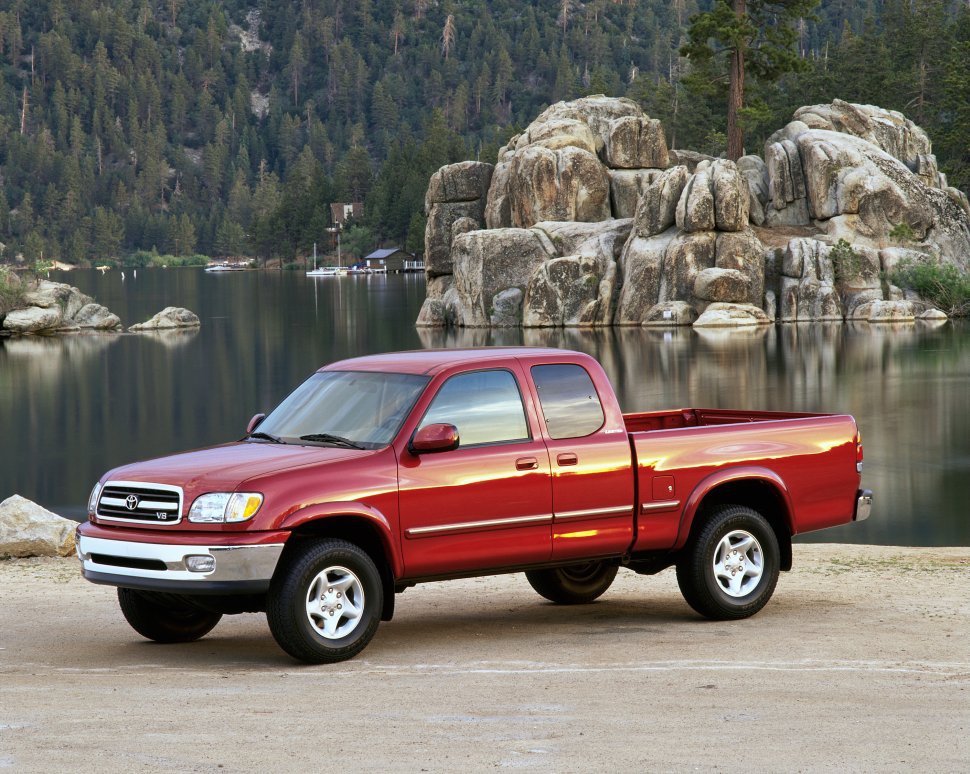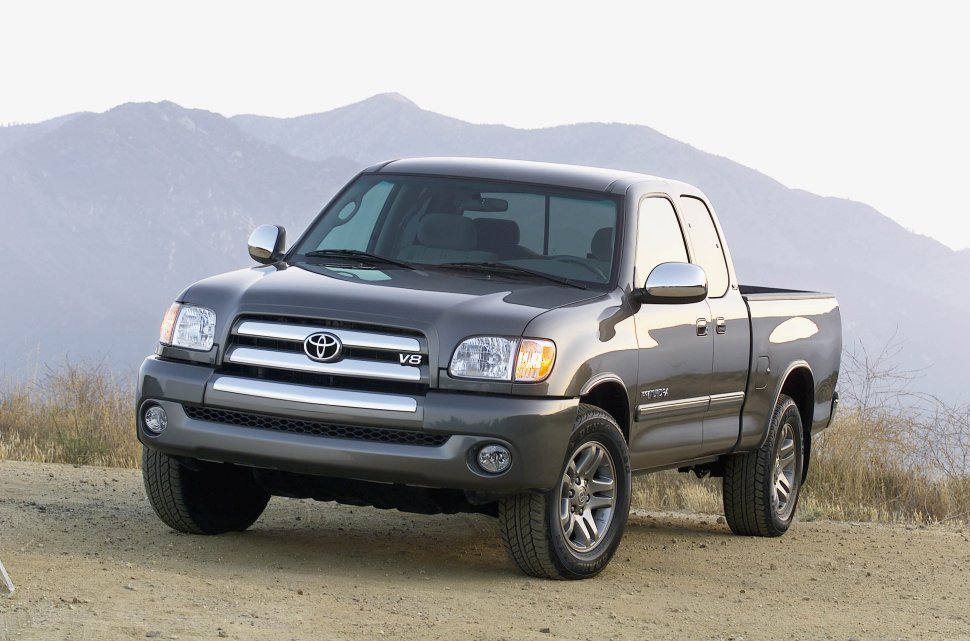
The Toyota Tundra, a name synonymous with robust capability and dependable performance in the North American full-size pickup truck segment, saw a significant refresh in its second generation with the 2013 facelift. Specifically, the Toyota Tundra II Regular Cab Long Bed (facelift 2013) 4.0 V6 24V (270 Hp) Automatic represented a critical offering for buyers prioritizing a potent yet efficient workhorse. Produced from 2013 to 2014, this particular configuration of the Tundra was engineered to meet the demanding requirements of both commercial and personal use, delivering a blend of power, utility, and the renowned Toyota reliability. As a cornerstone of Toyota’s strategy in the fiercely competitive U.S. truck market, the Tundra II aimed to provide a compelling alternative to its domestic rivals, emphasizing its Japanese engineering precision while adapting to American consumer preferences for size and capability.
Engine and Performance of the Toyota Tundra II Regular Cab Long Bed
At the heart of the Toyota Tundra II Regular Cab Long Bed (facelift 2013) lies the formidable 4.0-liter V6 24V engine, identified by its 1GR-FE code. This naturally aspirated, V-configuration powerplant is a testament to Toyota’s engineering prowess, delivering a robust 270 horsepower at 5600 rpm. The power output is complemented by a substantial 278.06 lb.-ft. (377 Nm) of torque, peaking at a highly accessible 4400 rpm, which is crucial for towing and hauling heavy loads. The engine’s design incorporates a DOHC (Dual Overhead Camshaft) valvetrain with VVT-i (Variable Valve Timing with intelligence), a sophisticated system that optimizes valve timing for improved power output, fuel efficiency, and reduced emissions across the RPM range. Fuel is delivered via a multi-port manifold injection system, ensuring precise fuel metering for optimal combustion.
With an engine displacement of 3956 cubic centimeters (241.41 cu. in.) and a compression ratio of 10.4:1, the 1GR-FE V6 is designed for durability and consistent performance. Its cylinder bore of 3.7 inches (94 mm) and piston stroke of 3.74 inches (95 mm) contribute to its well-balanced characteristics. The engine’s layout is front-mounted and longitudinal, driving the rear wheels through a dependable 5-speed automatic transmission. This drivetrain architecture, typical for a work-oriented pickup truck, ensures excellent traction when laden and provides a robust foundation for heavy-duty tasks. The Tundra’s weight-to-power ratio of 8 kg/Hp (125.1 Hp/tonne) and a weight-to-torque ratio of 5.7 kg/Nm (174.6 Nm/tonne) highlight its capability to move its substantial curb weight of 4759.78 lbs (2159 kg) with authority, even when approaching its maximum gross weight of 6400.02 lbs (2903 kg).
Despite its work-truck credentials, the 2013 Tundra V6 offers respectable fuel economy for its class. The combined fuel consumption is rated at 13.8 liters per 100 kilometers, which translates to approximately 17 US miles per gallon. Urban driving yields 14.7 l/100 km (16 US mpg), while extra-urban conditions see an improved 11.7 l/100 km (20.1 US mpg). These figures underscore Toyota’s efforts to balance power with efficiency, making the Tundra a practical choice for daily driving and long-distance hauls alike. The generous 26.42 US gallon (100 liter) fuel tank capacity further extends its range between fill-ups, a significant advantage for those who travel extensively or work in remote locations.
Design and Features of the Toyota Tundra II Regular Cab Long Bed
The Toyota Tundra II Regular Cab Long Bed (facelift 2013) is purpose-built as a pick-up, featuring a two-door, three-seat configuration optimized for utility and durability. The facelift introduced subtle but impactful design enhancements, aligning the Tundra with contemporary aesthetic trends while preserving its rugged identity. Its imposing dimensions—a length of 228.9 inches (5814 mm), a width of 79.88 inches (2029 mm), and a height of 75.79 inches (1925 mm)—provide a substantial road presence and ample cargo space. The extended 145.67-inch (3700 mm) wheelbase contributes to excellent stability, especially when towing or carrying heavy loads, while also providing a smooth ride quality characteristic of a full-size truck.
Designed for demanding environments, the Tundra features a robust suspension system. The front employs a double wishbone setup, known for its ability to provide precise handling and a comfortable ride, while the rear utilizes a traditional leaf spring system, which is ideal for managing heavy payloads and maintaining stability under varying load conditions. This combination ensures the Tundra can confidently tackle rough terrain and absorb road imperfections without compromising its towing and hauling capabilities. With a substantial ground clearance of 10.2 inches (259 mm), combined with an approach angle of 26 degrees and a departure angle of 21 degrees, the Tundra is well-equipped for off-road excursions and navigating challenging job sites.
Safety and control are paramount in a vehicle of this size and capability. The 2013 Tundra is fitted with ventilated disc brakes on both the front and rear axles, providing strong, consistent stopping power. An Anti-lock Braking System (ABS) is standard, enhancing driver control during emergency braking maneuvers. Steering is managed by a hydraulic rack and pinion system, offering direct feedback and a robust feel that is essential for maneuvering a large truck, particularly when loaded. The truck rides on 255/70 R18 tires mounted on 8.0J x 18-inch wheel rims, providing a good balance of grip, durability, and ride comfort. The Tundra’s maximum payload capacity stands at 1640.24 lbs (744 kg), while its permitted trailer load with brakes can reach an impressive 3999.19 lbs (1814 kg), underscoring its readiness for serious work. The minimum turning circle of 43.96 feet (13.4 meters) is also quite respectable for a vehicle of its length, aiding maneuverability in tighter spaces.
Technical Specifications
| Brand | Toyota |
| Model | Tundra |
| Generation | Tundra II Regular Cab Long Bed (facelift 2013) |
| Type (Engine) | 4.0 V6 24V (270 Hp) Automatic |
| Start of production | 2013 year |
| End of production | 2014 year |
| Powertrain Architecture | Internal Combustion engine |
| Body type | Pick-up |
| Seats | 3 |
| Doors | 2 |
| Urban Fuel Economy | 14.7 l/100 km (16 US mpg) |
| Extra-Urban Fuel Economy | 11.7 l/100 km (20.1 US mpg) |
| Combined Fuel Economy | 13.8 l/100 km (17 US mpg) |
| Fuel Type | Petrol (Gasoline) |
| Weight-to-power ratio | 8 kg/Hp (125.1 Hp/tonne) |
| Weight-to-torque ratio | 5.7 kg/Nm (174.6 Nm/tonne) |
| Power | 270 Hp @ 5600 rpm |
| Power per liter | 68.3 Hp/l |
| Torque | 377 Nm (278.06 lb.-ft.) @ 4400 rpm |
| Engine layout | Front, Longitudinal |
| Engine Model/Code | 1GR-FE |
| Engine displacement | 3956 cm³ (241.41 cu. in.) |
| Number of cylinders | 6 |
| Engine configuration | V-engine |
| Cylinder Bore | 94 mm (3.7 in.) |
| Piston Stroke | 95 mm (3.74 in.) |
| Compression ratio | 10.4:1 |
| Number of valves per cylinder | 4 |
| Fuel injection system | Multi-port manifold injection |
| Engine aspiration | Naturally aspirated engine |
| Valvetrain | DOHC, VVT-i |
| Engine oil capacity | 5.2 l (5.49 US qt) |
| Engine oil specification | Not specified in data |
| Coolant capacity | 9.6 l (10.14 US qt) |
| Kerb Weight | 2159 kg (4759.78 lbs) |
| Max. weight (GVWR) | 2903 kg (6400.02 lbs) |
| Max load (Payload) | 744 kg (1640.24 lbs) |
| Fuel tank capacity | 100 l (26.42 US gal) |
| Permitted trailer load with brakes (12%) | 1814 kg (3999.19 lbs) |
| Length | 5814 mm (228.9 in.) |
| Width | 2029 mm (79.88 in.) |
| Height | 1925 mm (75.79 in.) |
| Wheelbase | 3700 mm (145.67 in.) |
| Front track | 1725 mm (67.91 in.) |
| Rear (Back) track | 1725 mm (67.91 in.) |
| Ride height (ground clearance) | 259 mm (10.2 in.) |
| Minimum turning circle (turning diameter) | 13.4 m (43.96 ft.) |
| Approach angle | 26° |
| Departure angle | 21° |
| Drivetrain Architecture | Internal Combustion engine drives the rear wheels |
| Drive wheel | Rear wheel drive |
| Number of gears and type of gearbox | 5 gears, automatic transmission |
| Front suspension | Double wishbone |
| Rear suspension | Leaf spring |
| Front brakes | Ventilated discs |
| Rear brakes | Ventilated discs |
| Assisting systems | ABS (Anti-lock braking system) |
| Steering type | Steering rack and pinion |
| Power steering | Hydraulic Steering |
| Tires size | 255/70 R18 |
| Wheel rims size | 8.0J x 18 |