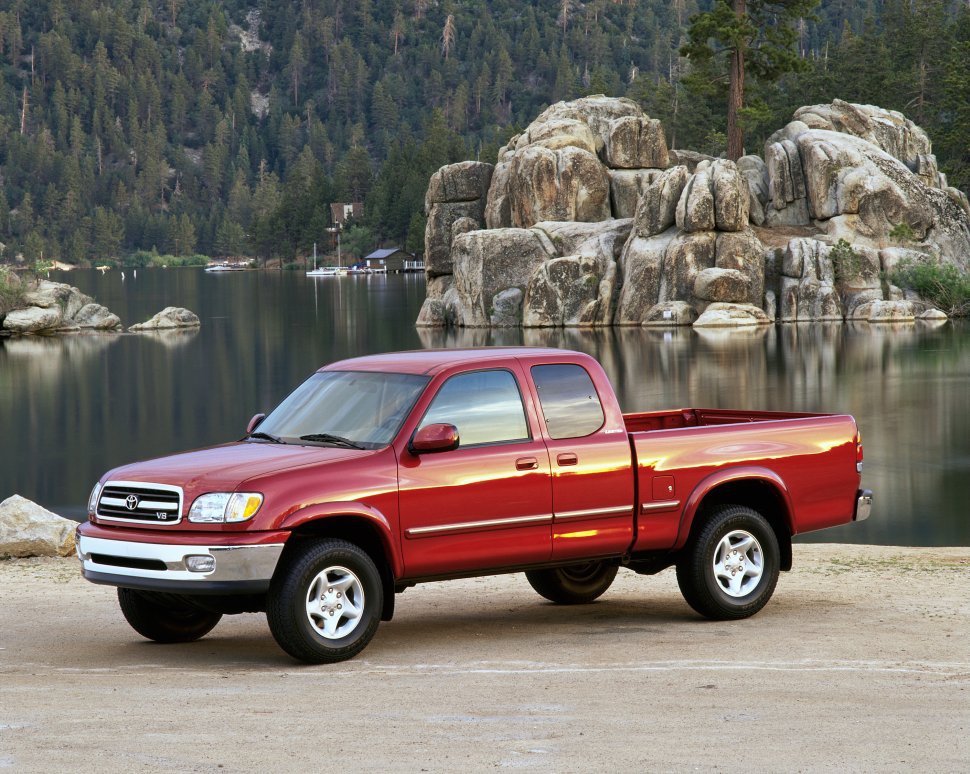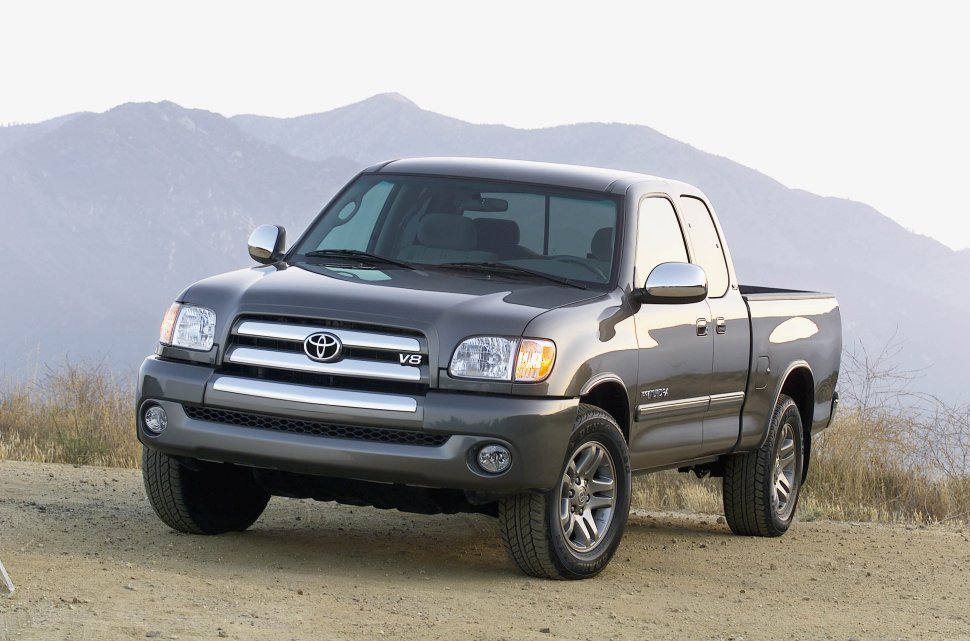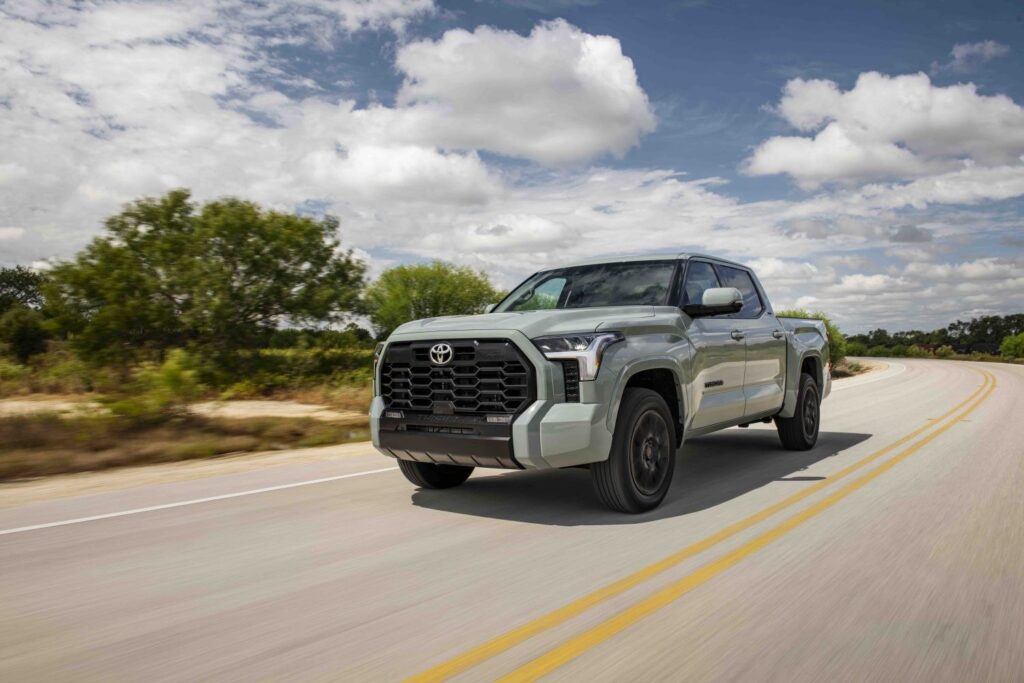
The Toyota Tundra III CrewMax Short Bed 3.5 V6 i-FORCE MAX (437 Hp) Hybrid 4WD-i ECT-i represents a pivotal evolution in the full-size pickup truck segment, marking Toyota’s commitment to hybrid technology within its most robust vehicle line. Introduced in September 2021, this third-generation Tundra, specifically in its CrewMax Short Bed configuration, directly addresses the demands of the North American market for powerful, capable, yet increasingly efficient workhorses and family haulers. As a Full Hybrid Electric Vehicle (FHEV), it integrates a potent twin-turbo V6 engine with an electric motor, offering a blend of formidable power, substantial torque, and improved fuel economy compared to traditional gasoline-only powertrains. This model stands out by leveraging Toyota’s extensive hybrid expertise to deliver a truck that is not only competitive in towing and payload but also forward-thinking in its environmental footprint, meeting LEV-III emission standards while delivering a compelling driving experience in a segment dominated by established domestic rivals.
Powertrain and Performance: The i-FORCE MAX Hybrid System
At the heart of the Toyota Tundra III CrewMax Short Bed 3.5 V6 i-FORCE MAX (437 Hp) Hybrid 4WD-i ECT-i lies its innovative i-FORCE MAX hybrid powertrain, a sophisticated architecture designed to maximize both power and efficiency. This FHEV system combines a robust 3.5-liter V6 twin-turbocharged gasoline engine (code V35A-FTS) with an advanced electric motor, seamlessly integrated to deliver an impressive combined output. The internal combustion engine itself is a marvel of modern engineering, featuring a V-engine configuration with six cylinders, each equipped with four valves, for a total displacement of 3445 cm3 (210.23 cu. in.). This engine benefits from both direct and multi-port manifold fuel injection systems, along with twin-turbocharging and an intercooler, ensuring optimal air-fuel mixture and forced induction for high performance. Its DOHC (Dual Overhead Camshaft) valvetrain with Dual VVT-i (Variable Valve Timing with intelligence) further refines combustion efficiency and power delivery across the RPM range.
The gasoline engine alone produces a formidable 437 horsepower at 5200 rpm, demonstrating a power-per-liter ratio of 126.9 Hp/l. Critically for a pickup truck, it generates a peak torque of 790 Newton-meters (582.67 lb.-ft.) at a remarkably low 2400 rpm. This low-end torque is amplified by the electric motor, which is strategically located between the combustion engine and the transmission. This synchronous electric motor contributes an additional 49 horsepower and a significant 250 Newton-meters (184.39 lb.-ft.) of instantaneous torque. The synergy between the V6 and the electric motor results in the Tundra i-FORCE MAX boasting exceptional pulling power, crucial for towing and hauling heavy loads. The hybrid system is powered by a 1.87 kWh Nickel-metal hydride (NiMH) battery pack, operating at 288 volts and conveniently located under the front seats, allowing for full electric operation at speeds up to 18.02 mph (29 km/h) for short distances or during low-speed maneuvers.
Power is managed by a highly capable 10-speed ECT-i automatic transmission, which is optimized to distribute the combined output efficiently. The drivetrain architecture is advanced, featuring a permanent drive to the rear wheels via both the internal combustion engine and the electric motor. When conditions demand, the intelligent 4WD-i system can engage the front wheels either electrically or mechanically through a controlled clutch, providing enhanced traction and stability, especially in challenging terrain or adverse weather conditions. This sophisticated system contributes to a weight-to-power ratio of 6.2 kg/Hp (160.3 Hp/tonne) and a weight-to-torque ratio of 3.5 kg/Nm (289.8 Nm/tonne), underscoring its impressive performance capabilities for a vehicle of its size. With a permissible trailer load with brakes of 5067 kg (11,170.82 lbs.) and a robust maximum payload capacity ranging from 553-764 kg (1219.16 – 1684.33 lbs.), the Tundra i-FORCE MAX is engineered to tackle demanding tasks with ease.
Design, Dimensions, and Features of the Toyota Tundra III CrewMax Short Bed
The Toyota Tundra III CrewMax Short Bed 3.5 V6 i-FORCE MAX (437 Hp) Hybrid 4WD-i ECT-i embodies a modern, rugged aesthetic befitting a full-size American pickup. Its CrewMax Short Bed configuration signifies a spacious four-door cabin capable of comfortably seating five occupants, paired with a functional, albeit shorter, cargo bed. This balance of passenger comfort and utility makes it a popular choice for families and professionals alike. The truck’s substantial dimensions contribute to its commanding road presence: a length of 5933 mm (233.58 in.), a width of 2037 mm (80.2 in.), and a height of 1981 mm (77.99 in.). A generous wheelbase of 3701 mm (145.71 in.) ensures a stable ride, while the front and rear tracks both measure 1737 mm (68.39 in.), further enhancing its planted stance.
Underneath its imposing exterior, the Tundra is built for durability and capability. The suspension system is designed to handle a variety of road conditions and heavy loads, featuring a double wishbone setup with a transverse stabilizer at the front, and a rigid axle suspension with coil springs at the rear. This combination provides a balance of ride comfort and load-carrying capacity. Braking performance is equally critical for a vehicle of this size and capability, and the Tundra is equipped with robust ventilated discs both front (353 mm) and rear (345 mm), complemented by an Anti-lock Braking System (ABS) for enhanced safety and control during deceleration. Steering is managed by an electric power-assisted rack and pinion system, offering responsive and precise handling for a truck of its scale.
Utility and off-road capability are inherent to the Tundra’s design. With a ground clearance of 216 mm (8.5 in.), an approach angle of 21°, and a departure angle of 24°, the truck is well-equipped to navigate uneven terrain. Its fuel tank capacity of 122 liters (32.23 US gal) provides an extensive range, reducing the frequency of fuel stops during long hauls or remote excursions. The Tundra rides on 265/60 R20 tires mounted on 8J x 20 wheel rims, which contribute to both its aesthetic appeal and its robust performance. The overall design is further optimized with a drag coefficient (Cd) of 0.36, a respectable figure for a vehicle of its type, aiding in fuel efficiency and reducing wind noise at higher speeds. The attention to detail in both its engineering and creature comforts ensures that the Tundra III CrewMax Short Bed stands as a highly capable and technologically advanced contender in the competitive full-size pickup market.
Technical Specifications
| Brand | Toyota |
| Model | Tundra |
| Generation | Tundra III CrewMax Short Bed |
| Type (Engine) | 3.5 V6 i-FORCE MAX (437 Hp) Hybrid 4WD-i ECT-i |
| Start of production | September, 2021 year |
| Powertrain Architecture | FHEV (Full Hybrid Electric Vehicle) |
| Body type | Pick-up |
| Seats | 5 |
| Doors | 4 |
| Fuel Type | Petrol (Gasoline) |
| Emission standard | LEV-III |
| Weight-to-power ratio | 6.2 kg/Hp, 160.3 Hp/tonne |
| Weight-to-torque ratio | 3.5 kg/Nm, 289.8 Nm/tonne |
| Gross battery capacity | 1.87 kWh |
| Battery voltage | 288 V |
| Battery technology | Nickel-metal hydride (NiMH) |
| Battery location | Under the front seats |
| Max speed (electric) | 29 km/h (18.02 mph) |
| Electric motor power | 49 Hp |
| Electric motor Torque | 250 Nm (184.39 lb.-ft.) |
| Electric motor location | Between the combustion engine and the transmission |
| Electric motor type | Synchronous |
| Power | 437 Hp @ 5200 rpm. |
| Power per litre | 126.9 Hp/l |
| Torque | 790 Nm @ 2400 rpm (582.67 lb.-ft. @ 2400 rpm) |
| Engine layout | Front, Longitudinal |
| Engine Model/Code | V35A-FTS |
| Engine displacement | 3445 cm3 (210.23 cu. in.) |
| Number of cylinders | 6 |
| Engine configuration | V-engine |
| Cylinder Bore | 85.5 mm (3.37 in.) |
| Piston Stroke | 100 mm (3.94 in.) |
| Compression ratio | 10.4:1 |
| Number of valves per cylinder | 4 |
| Fuel injection system | Direct injection and Multi-port manifold injection |
| Engine aspiration | Twin-Turbo, Intercooler |
| Valvetrain | DOHC, Dual VVT-i |
| Engine oil capacity | 7.3 l (7.71 US qt | 6.42 UK qt) |
| Engine oil specification | Not specified |
| Coolant | 12.4 l (13.1 US qt | 10.91 UK qt) |
| Engine systems | Particulate filter |
| Kerb Weight | 2726-2765 kg (6009.8 – 6095.78 lbs.) |
| Max. weight | 3279-3529 kg (7228.96 – 7780.11 lbs.) |
| Max load | 553-764 kg (1219.16 – 1684.33 lbs.) |
| Fuel tank capacity | 122 l (32.23 US gal | 26.84 UK gal) |
| Permitted trailer load with brakes (12%) | 5067 kg (11170.82 lbs.) |
| Permitted towbar download | 507 kg (1117.74 lbs.) |
| Length | 5933 mm (233.58 in.) |
| Width | 2037 mm (80.2 in.) |
| Height | 1981 mm (77.99 in.) |
| Wheelbase | 3701 mm (145.71 in.) |
| Front track | 1737 mm (68.39 in.) |
| Rear (Back) track | 1737 mm (68.39 in.) |
| Ride height (ground clearance) | 216 mm (8.5 in.) |
| Drag coefficient (Cd) | 0.36 |
| Minimum turning circle (turning diameter) | 14.8 m (48.56 ft.) |
| Approach angle | 21° |
| Departure angle | 24° |
| Drivetrain Architecture | The Internal combustion engine (ICE) and the electric motor permanently drive the rear wheels of the vehicle, capable of running in full electric or mixed mode, and if necessary through the electrically or mechanically controlled clutch, the front wheels are driven. |
| Drive wheel | All wheel drive (4×4) |
| Number of gears and type of gearbox | 10 gears, automatic transmission ECT-i |
| Front suspension | Double wishbone, Transverse stabilizer |
| Rear suspension | Rigid axle suspension, Coil spring |
| Front brakes | Ventilated discs, 353 mm |
| Rear brakes | Ventilated discs, 345 mm |
| Assisting systems | ABS (Anti-lock braking system) |
| Steering type | Steering rack and pinion |
| Power steering | Electric Steering |
| Tires size | 265/60 R20 |
| Wheel rims size | 8J x 20 |