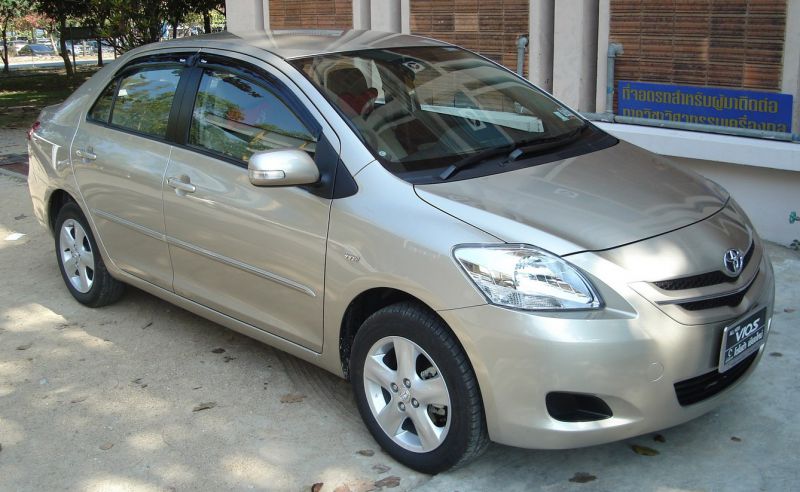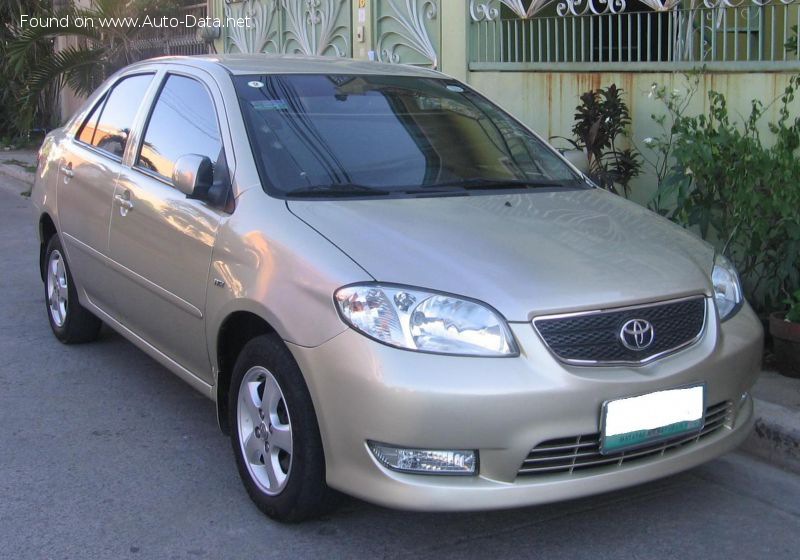
The Toyota Vios, specifically the first generation (Vios I) produced between 2002 and 2007, represents Toyota’s entry into the subcompact sedan market, primarily targeted towards developing nations in Southeast Asia and other regions. While not initially sold in North America, the Vios played a significant role in providing affordable and reliable transportation in its target markets. The 1.5-liter variant, producing 92 horsepower, was a common configuration, offering a balance between fuel efficiency and adequate performance for daily commuting. This generation established the Vios as a practical and dependable vehicle, setting the stage for subsequent iterations.
Toyota Vios I 1.5: A Detailed Overview
The Vios I was conceived as a replacement for the Toyota Soluna, offering a more modern design and improved features. It quickly gained popularity due to its reputation for reliability, low running costs, and spacious interior for its class. The vehicle was designed to appeal to families and individuals seeking a practical and economical mode of transportation. Its simple mechanical design contributed to its ease of maintenance and affordability, making it a popular choice in price-sensitive markets.
Engine & Performance
The heart of the Toyota Vios I 1.5 is a 1.5-liter inline four-cylinder gasoline engine. This naturally aspirated engine produces a maximum power output of 92 horsepower at 6000 rpm and 124 Nm (91.46 lb.-ft.) of torque at 3200 rpm. The engine utilizes a multi-port fuel injection system to optimize fuel delivery and combustion efficiency. Power per liter is rated at 61.4 hp/l, indicating a reasonable level of output for its displacement. The engine is transversely mounted at the front of the vehicle, driving the front wheels. The Vios I 1.5 achieves a top speed of 160 km/h (99.42 mph). The weight-to-power ratio of 11.2 kg/Hp and weight-to-torque ratio of 8.3 kg/Nm demonstrate a relatively efficient powertrain for its time. A five-speed manual transmission is standard, providing drivers with direct control over gear selection.
Design & Features
The Toyota Vios I is a four-door sedan with a conventional layout. It offers seating for five passengers and features a trunk with a minimum capacity of 400 liters (14.13 cu. ft.). The exterior design is functional and understated, prioritizing practicality over stylistic flourishes. The vehicle’s dimensions are 4285 mm (168.7 in.) in length, 1695 mm (66.73 in.) in width, and 1435 mm (56.5 in.) in height, with a wheelbase of 2500 mm (98.43 in.). The front and rear tracks measure 1455 mm (57.28 in.) and 1430 mm (56.3 in.) respectively, contributing to stable handling. Ground clearance is 143 mm (5.63 in.).
Inside, the Vios I offers a basic but functional interior. Features were generally limited in the base models, focusing on essential comfort and convenience. Safety features were also relatively basic for the period, typically including seatbelts and a collapsible steering column. The emphasis was on providing a reliable and affordable vehicle, rather than a luxury experience. The kerb weight of 1030 kg (2270.76 lbs.) contributes to its relatively nimble handling. The maximum permissible weight is 1455 kg (3207.73 lbs.), allowing for a maximum load capacity of 425 kg (936.96 lbs.).
Technical Specifications
| Brand | Toyota |
| Model | Vios |
| Generation | Vios I |
| Type (Engine) | 1.5 (92 Hp) |
| Start of production | 2002 |
| End of production | 2007 |
| Powertrain Architecture | Internal Combustion engine |
| Body type | Sedan |
| Seats | 5 |
| Doors | 4 |
| Fuel Type | Petrol (Gasoline) |
| Maximum speed | 160 km/h (99.42 mph) |
| Weight-to-power ratio | 11.2 kg/Hp |
| Weight-to-torque ratio | 8.3 kg/Nm |
| Power | 92 Hp @ 6000 rpm |
| Power per litre | 61.4 Hp/l |
| Torque | 124 Nm @ 3200 rpm (91.46 lb.-ft. @ 3200 rpm) |
| Engine layout | Front, Transverse |
| Engine displacement | 1498 cm3 (91.41 cu. in.) |
| Number of cylinders | 4 |
| Engine configuration | Inline |
| Number of valves per cylinder | 4 |
| Fuel injection system | Multi-port manifold injection |
| Engine aspiration | Naturally aspirated engine |
| Kerb Weight | 1030 kg (2270.76 lbs) |
| Max. weight | 1455 kg (3207.73 lbs) |
| Max load | 425 kg (936.96 lbs) |
| Trunk (boot) space – minimum | 400 l (14.13 cu. ft) |
| Fuel tank capacity | 45 l (11.89 US gal | 9.9 UK gal) |
| Length | 4285 mm (168.7 in) |
| Width | 1695 mm (66.73 in) |
| Height | 1435 mm (56.5 in) |
| Wheelbase | 2500 mm (98.43 in) |
| Front track | 1455 mm (57.28 in) |
| Rear (Back) track | 1430 mm (56.3 in) |
| Ride height (ground clearance) | 143 mm (5.63 in) |
| Drivetrain Architecture | ICE, Front wheel drive |
| Drive wheel | Front wheel drive |
| Number of gears and type of gearbox | 5 gears, manual transmission |
| Front suspension | Independent type McPherson |
| Rear suspension | Semi-independent, coil spring |
| Front brakes | Ventilated discs |
| Rear brakes | Disc |
| Tires size | 185/60 R15 |
| Wheel rims size | 15 |
The Toyota Vios I 1.5, while not a performance vehicle, offered a reliable and economical transportation solution for a wide range of consumers. Its simple design, coupled with Toyota’s renowned build quality, ensured its longevity and popularity in its target markets. It served as a foundational model for the Vios line, paving the way for subsequent generations with improved features and performance.