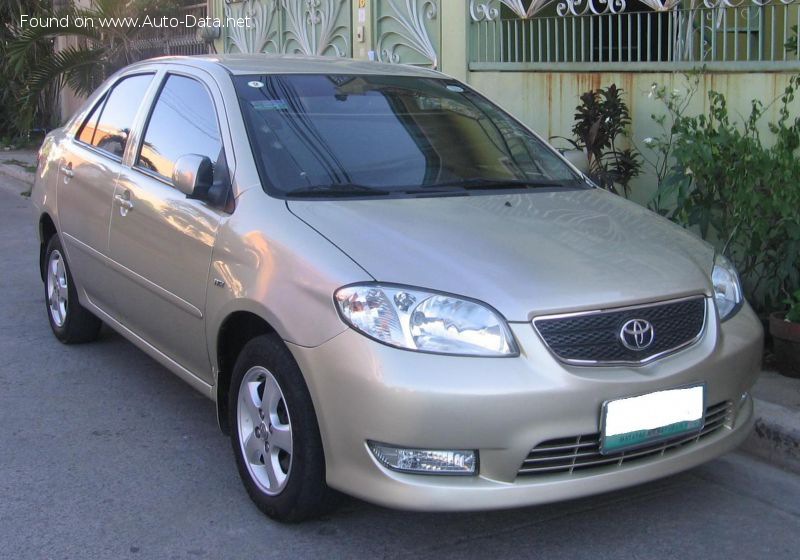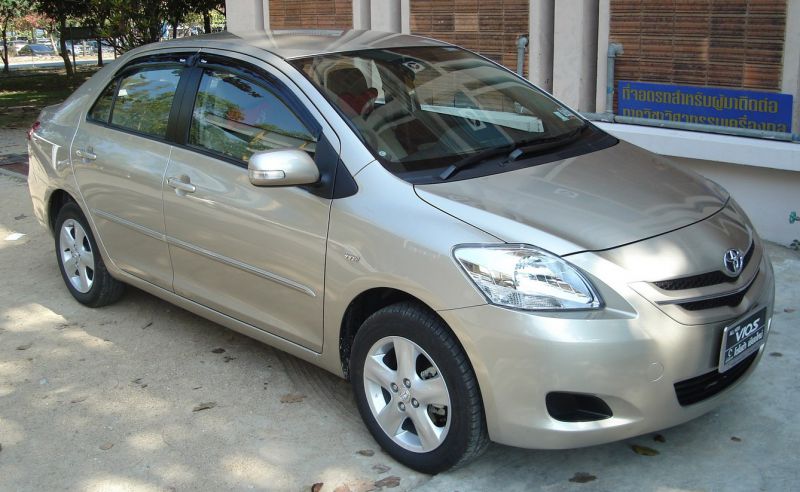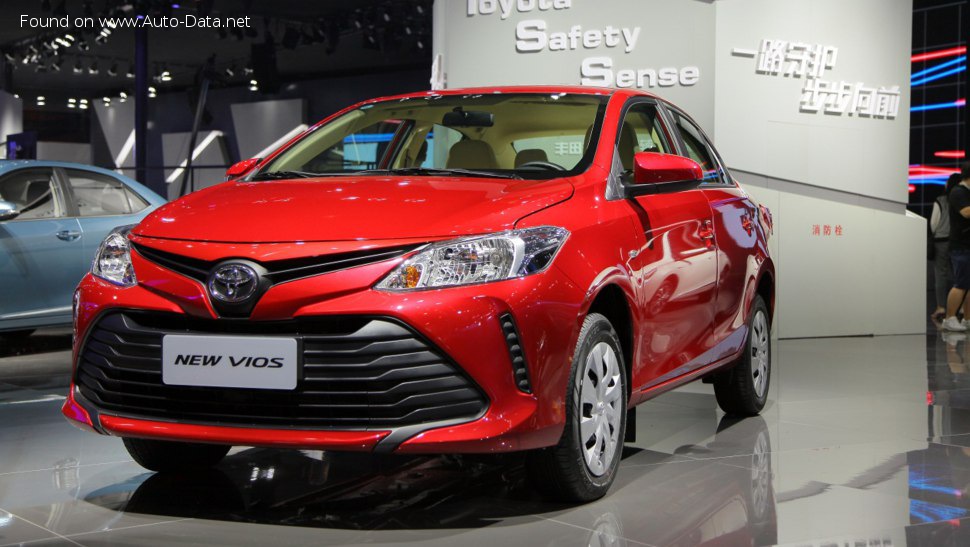
The Toyota Vios, particularly the third generation model with the 2016 facelift, represents Toyota’s commitment to providing affordable and reliable transportation in emerging markets. While not officially sold in the United States, the Vios is a hugely popular subcompact sedan in Southeast Asia, the Philippines, and other regions. Positioned as a practical and economical choice, the Vios competes with vehicles like the Honda City and Nissan Almera. The 2016 facelift brought subtle styling updates and continued the Vios’s reputation for fuel efficiency and durability. This iteration, specifically the 1.3-liter variant producing 98 horsepower, is a mainstay for budget-conscious buyers seeking a dependable daily driver.
Toyota Vios III (Facelift 2016) 1.3: An Overview
The Vios III, launched initially in 2013 and receiving a facelift in 2016, is a significant model in Toyota’s global lineup. It’s designed to cater to the needs of families and individuals prioritizing practicality and cost-effectiveness. The 2016 refresh included changes to the front fascia, interior trim, and available features, enhancing its appeal in a competitive segment. The 1.3-liter engine option is particularly popular due to its balance of performance and fuel economy, making it a sensible choice for urban commuting and longer journeys. The Vios is built primarily in Thailand and the Philippines, serving as a key export model for Toyota in the ASEAN region.
Engine & Performance
The heart of the 2016 Toyota Vios 1.3 is the 1NR-FE inline four-cylinder gasoline engine. This 1.329-liter (81.1 cubic inch) engine produces 98 horsepower at 6000 rpm and 123 Newton-meters (90.72 lb.-ft.) of torque at 4400 rpm. While not a performance-oriented engine, it provides adequate power for everyday driving conditions. The engine’s naturally aspirated design contributes to its simplicity and reliability. Power delivery is smooth and predictable, making it easy to drive in congested city traffic. The 1.3-liter engine is paired with a five-speed manual transmission in this configuration, offering drivers full control over gear selection. The engine’s power-to-weight ratio is 73.7 horsepower per liter, reflecting its focus on efficiency rather than outright power. The maximum engine speed is rated at 6200 rpm. The 1NR-FE engine is known for its durability and relatively low maintenance requirements, a key factor in the Vios’s popularity in regions where vehicle upkeep can be challenging.
Design & Features
The 2016 Toyota Vios III maintains the sedan body style characteristic of the model. It features a four-door configuration with seating for five passengers. The facelifted model received minor cosmetic updates, including a revised front grille, redesigned headlights, and a refreshed bumper. These changes aimed to give the Vios a more modern and appealing appearance. Inside, the cabin is designed with practicality in mind. The interior materials are durable and easy to clean, reflecting the car’s target market. Standard features typically include air conditioning, power windows, and a basic audio system. Safety features, while not as extensive as those found in vehicles sold in developed markets, generally include dual airbags and an anti-lock braking system (ABS). The Vios’s compact dimensions make it easy to maneuver in tight urban spaces, and its relatively high ground clearance allows it to cope with uneven road surfaces. The 14-inch wheel rims are standard for this trim level. The overall design philosophy prioritizes functionality and affordability over luxury and extravagance.
Technical Specifications
| Brand | Toyota |
| Model | Vios |
| Generation | Vios III (facelift 2016) |
| Type (Engine) | 1.3 (98 Hp) |
| Start of production | 2016 |
| Powertrain Architecture | Internal Combustion engine |
| Body type | Sedan |
| Seats | 5 |
| Doors | 4 |
| Fuel Type | Petrol (Gasoline) |
| Power | 98 Hp @ 6000 rpm |
| Power per litre | 73.7 Hp/l |
| Torque | 123 Nm @ 4400 rpm |
| Torque (lb.-ft.) | 90.72 lb.-ft. @ 4400 rpm |
| Maximum engine speed | 6200 rpm |
| Engine Model/Code | 1NR-FE |
| Engine displacement | 1329 cm3 |
| Engine displacement (cu. in.) | 81.1 cu. in. |
| Number of cylinders | 4 |
| Engine configuration | Inline |
| Cylinder Bore | 72.5 mm |
| Cylinder Bore (in.) | 2.85 in. |
| Piston Stroke | 80.5 mm |
| Piston Stroke (in.) | 3.17 in. |
| Number of valves per cylinder | 4 |
| Engine aspiration | Naturally aspirated engine |
| Engine oil capacity | 3.3 l |
| Engine oil capacity (US qt) | 3.49 US qt |
| Engine oil capacity (UK qt) | 2.9 UK qt |
| Length | 4425 mm |
| Length (in.) | 174.21 in. |
| Width | 1730 mm |
| Width (in.) | 68.11 in. |
| Height | 1475 mm |
| Height (in.) | 58.07 in. |
| Wheelbase | 2550 mm |
| Wheelbase (in.) | 100.39 in. |
| Drivetrain Architecture | Front wheel drive, Internal Combustion engine |
| Drive wheel | Front wheel drive |
| Number of gears and type of gearbox | 5 gears, manual transmission |
| Steering type | Steering rack and pinion |
| Power steering | Electric Steering |
| Wheel rims size | 14 |
In conclusion, the 2016 Toyota Vios 1.3 represents a pragmatic approach to automotive design, prioritizing affordability, reliability, and fuel efficiency. While not a vehicle designed for performance enthusiasts, it serves as a dependable and practical transportation solution for a wide range of drivers in its target markets. Its enduring popularity is a testament to Toyota’s ability to understand and cater to the needs of budget-conscious consumers.