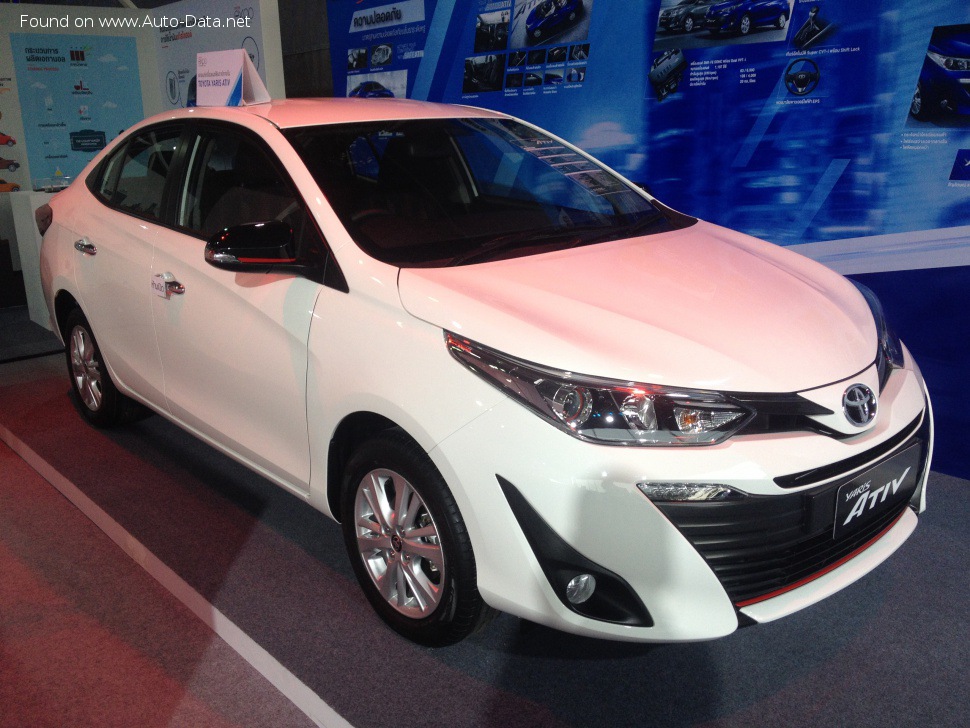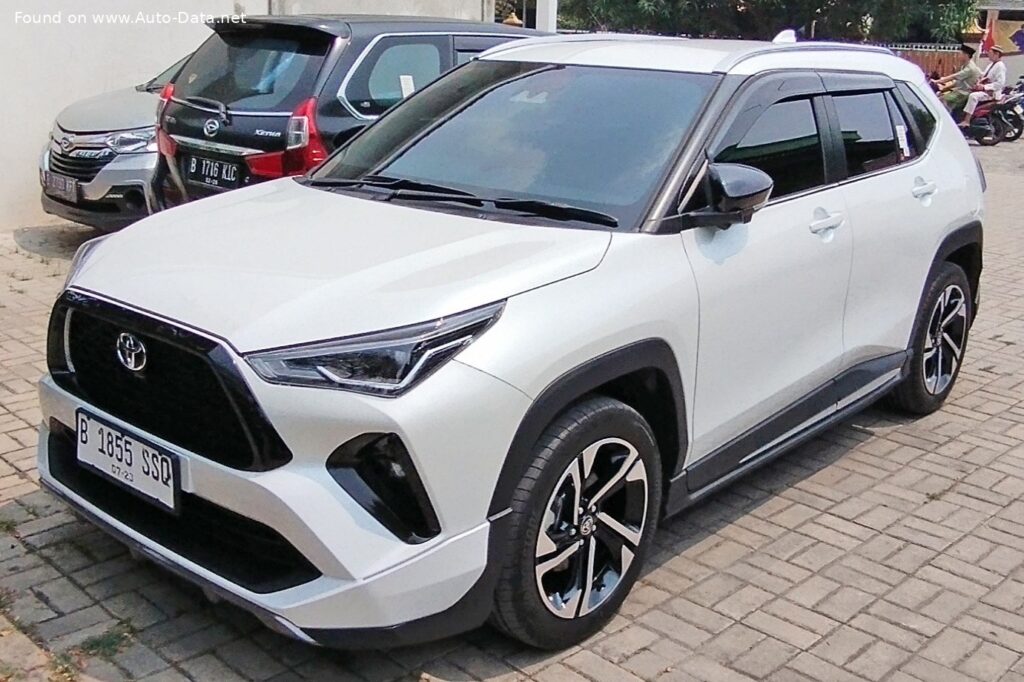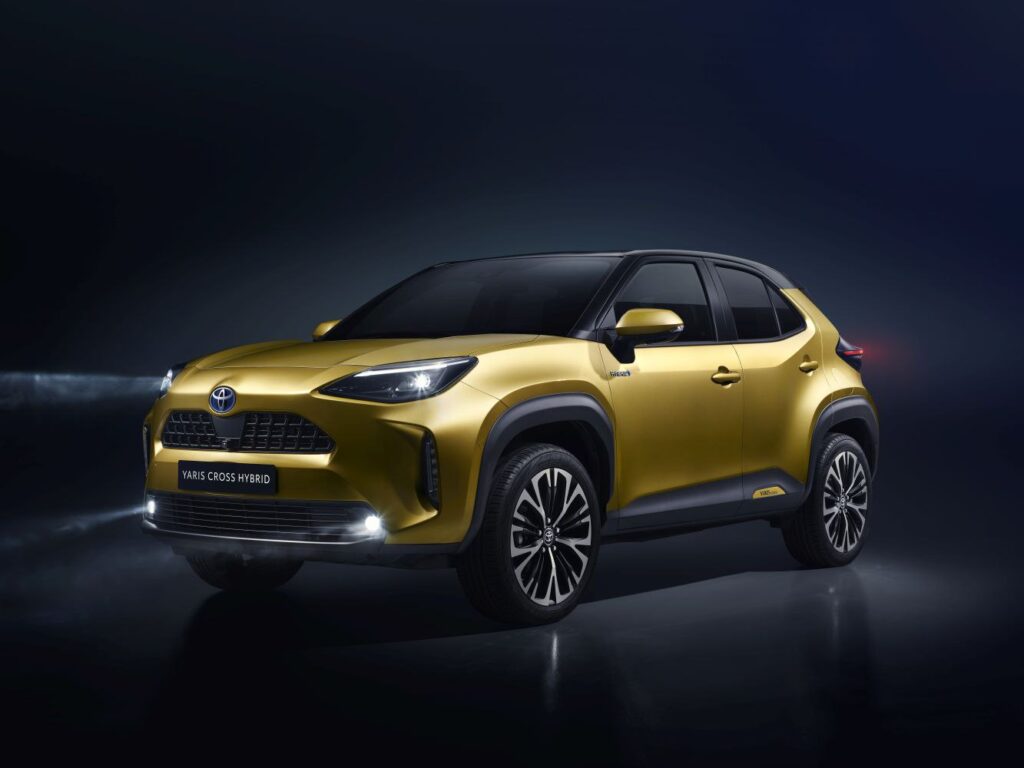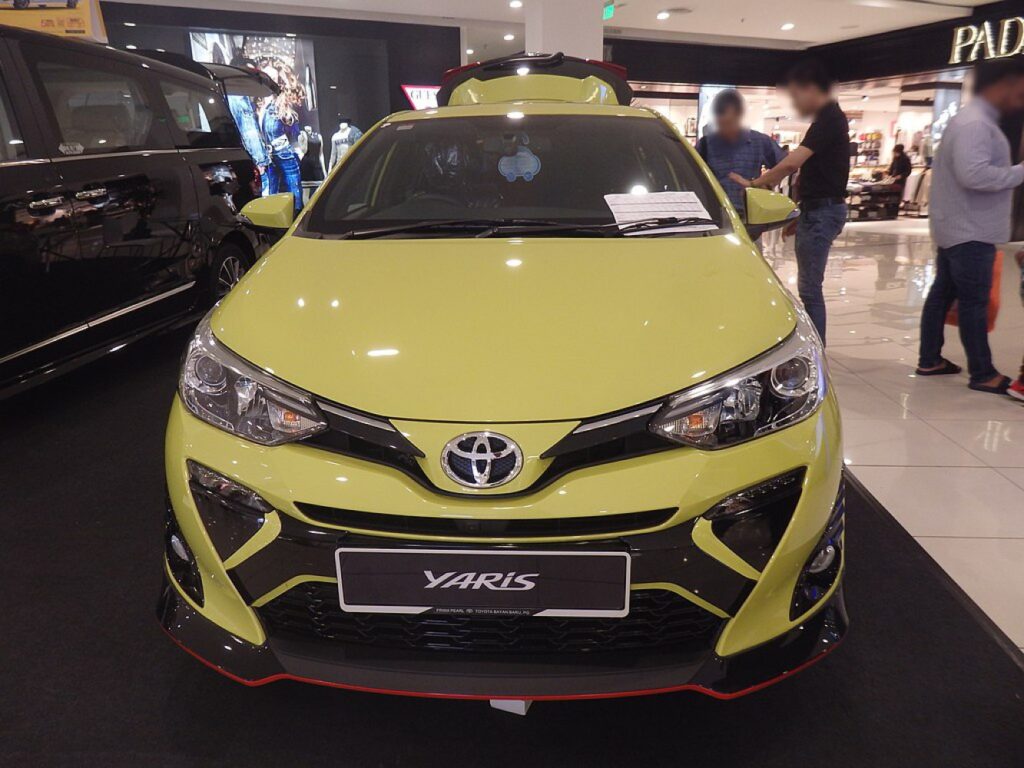
The Toyota Yaris (XP150, facelift 2017) 1.2 is a subcompact hatchback produced from 2019 to 2020. Representing the third generation of the Yaris, this model was primarily marketed in Europe and other international markets. It served as Toyota’s entry-level offering, competing with vehicles like the Volkswagen Polo, Ford Fiesta, and Renault Clio. The XP150 facelift brought styling updates and minor mechanical revisions to the existing platform, aiming to enhance its appeal and efficiency.
Development & History
The XP150 generation Yaris, introduced in 2011, was a collaborative effort between Toyota and PSA Peugeot Citroën. It utilized a shared platform, though Toyota maintained distinct styling and powertrain options. The 2017 facelift represented a mid-cycle refresh, focusing on exterior aesthetics and interior enhancements. This iteration continued to build upon the foundation of its predecessors, prioritizing fuel efficiency and practicality within the subcompact segment. The Yaris was designed to appeal to urban drivers seeking a reliable and economical vehicle. The model was not directly sold in the North American market; Toyota offered the Yaris iA (built by Mazda) as its subcompact offering in the United States.
Powertrain & Performance
The 1.2-liter 3NR-FKE engine powered the facelifted XP150 Yaris. This naturally aspirated inline-four cylinder engine produced 92 horsepower at 6000 rpm and 109 Newton-meters (80.39 lb-ft) of torque at 4400 rpm. The engine featured a multi-port fuel injection system and Toyota’s Valvematic variable valve timing technology (VVT-iE) to optimize fuel efficiency and responsiveness. Power was delivered to the front wheels via a continuously variable transmission (CVT-i). This CVT was designed to provide smooth acceleration and contribute to improved fuel economy. The combination of a small displacement engine and a CVT resulted in a focus on efficiency rather than outright performance. The engine’s 1.2-liter displacement (1197 cm3 or 73.05 cubic inches) positioned it as a competitive option in the European market, where smaller engines are favored due to tax regulations and fuel costs.
Chassis & Handling
The Yaris XP150 employed a front-engine, front-wheel-drive layout. The front suspension utilized an independent McPherson strut setup with coil springs and an anti-roll bar, providing a balance between ride comfort and handling precision. The rear suspension consisted of a torsion beam, a cost-effective and space-efficient solution common in subcompact vehicles. Braking duties were handled by disc brakes at the front and drum brakes at the rear. An Anti-lock Braking System (ABS) was standard equipment, enhancing safety during emergency braking situations. The steering system provided adequate feedback for urban driving, though it wasn’t designed for particularly sporty handling characteristics. The vehicle’s relatively short wheelbase (2550 mm or 100.39 inches) contributed to its maneuverability in tight spaces.
Design & Interior
The 2017 facelift brought revised styling to the Yaris, including a redesigned front fascia with a more prominent grille and updated headlights. The overall exterior design remained consistent with the previous generation, maintaining a compact and functional aesthetic. Inside, the Yaris offered seating for five passengers. The interior design prioritized practicality and ease of use. Materials were generally durable and functional, reflecting the vehicle’s budget-conscious positioning. The dashboard layout was straightforward, with logically placed controls. Infotainment systems varied depending on the trim level, but typically included features such as a touchscreen display, Bluetooth connectivity, and USB ports. Safety features included multiple airbags and the aforementioned ABS. The interior space was adequate for a subcompact hatchback, though rear passenger legroom was somewhat limited.
Variants & Special Editions
The Yaris XP150 was offered in a range of trim levels, varying by market. These typically included base models with minimal equipment, mid-range trims with added comfort and convenience features, and higher-spec versions with more advanced technology and styling enhancements. While not a dedicated performance variant, some trims offered sportier styling cues, such as alloy wheels and body kits. Limited edition models were occasionally released, featuring unique color schemes or equipment packages. These special editions were often produced in small numbers to generate additional interest in the Yaris lineup.
Technical Specifications
| Data Type | Value |
| Brand | Toyota |
| Model | Yaris |
| Generation | Yaris (XP150, facelift 2017) |
| Engine Type | 1.2 (92 Hp) CVT |
| Production Years | 2019 – 2020 |
| Body Type | Hatchback |
| Number of Seats | 5 |
| Number of Doors | 5 |
| Fuel Type | Petrol (Gasoline) |
| Power | 92 Hp @ 6000 rpm |
| Power per Liter | 76.9 Hp/l |
| Torque | 109 Nm @ 4400 rpm |
| Torque (lb-ft) | 80.39 lb.-ft. @ 4400 rpm |
| Engine Layout | Front, Transverse |
| Engine Model/Code | 3NR-FKE |
| Engine Displacement | 1197 cm3 |
| Engine Displacement (cu. in.) | 73.05 cu. in. |
| Number of Cylinders | 4 |
| Engine Configuration | Inline |
| Cylinder Bore | 72.5 mm |
| Cylinder Bore (in.) | 2.85 in. |
| Piston Stroke | 72.5 mm |
| Piston Stroke (in.) | 2.85 in. |
| Compression Ratio | 13.5:1 |
| Valves per Cylinder | 4 |
| Fuel Injection | Multi-port manifold injection |
| Engine Aspiration | Naturally aspirated |
| Valvetrain | DOHC, VVT-iE |
| Engine Oil Capacity | 3.5 l |
| Engine Oil Capacity (US qt) | 3.7 US qt |
| Engine Oil Capacity (UK qt) | 3.08 UK qt |
| Fuel Tank Capacity | 42 l |
| Fuel Tank Capacity (US gal) | 11.1 US gal |
| Fuel Tank Capacity (UK gal) | 9.24 UK gal |
| Length | 4145 mm |
| Length (in.) | 163.19 in. |
| Width | 1730 mm |
| Width (in.) | 68.11 in. |
| Height | 1500 mm |
| Height (in.) | 59.06 in. |
| Wheelbase | 2550 mm |
| Wheelbase (in.) | 100.39 in. |
| Front Track | 1470 mm |
| Front Track (in.) | 57.87 in. |
| Rear Track | 1460 mm |
| Rear Track (in.) | 57.48 in. |
| Ride Height | 135 mm |
| Ride Height (in.) | 5.31 in. |
| Turning Circle | 10.2 m |
| Turning Circle (ft) | 33.46 ft. |
| Drivetrain | Front wheel drive |
| Gearbox | CVT-i |
| Front Suspension | Independent, McPherson strut with coil spring and anti-roll bar |
| Rear Suspension | Torsion beam |
| Front Brakes | Disc |
| Rear Brakes | Drum |
| Assisting Systems | ABS |
| Tire Size | 185/60 R15 |
| Wheel Size | 15 |
Legacy & Reception
The Toyota Yaris XP150, particularly the facelifted version, was generally well-received for its fuel efficiency, reliability, and practicality. Critics praised its nimble handling and ease of driving in urban environments. However, it was also noted that the engine lacked significant power, and the interior, while functional, was somewhat basic. The Yaris consistently ranked highly in reliability surveys, reinforcing Toyota’s reputation for building durable vehicles. While it didn’t achieve widespread popularity in North America, it remained a significant player in the European subcompact market, offering a compelling value proposition for budget-conscious buyers. The XP150 laid the groundwork for subsequent Yaris generations, continuing Toyota’s commitment to providing efficient and dependable transportation.