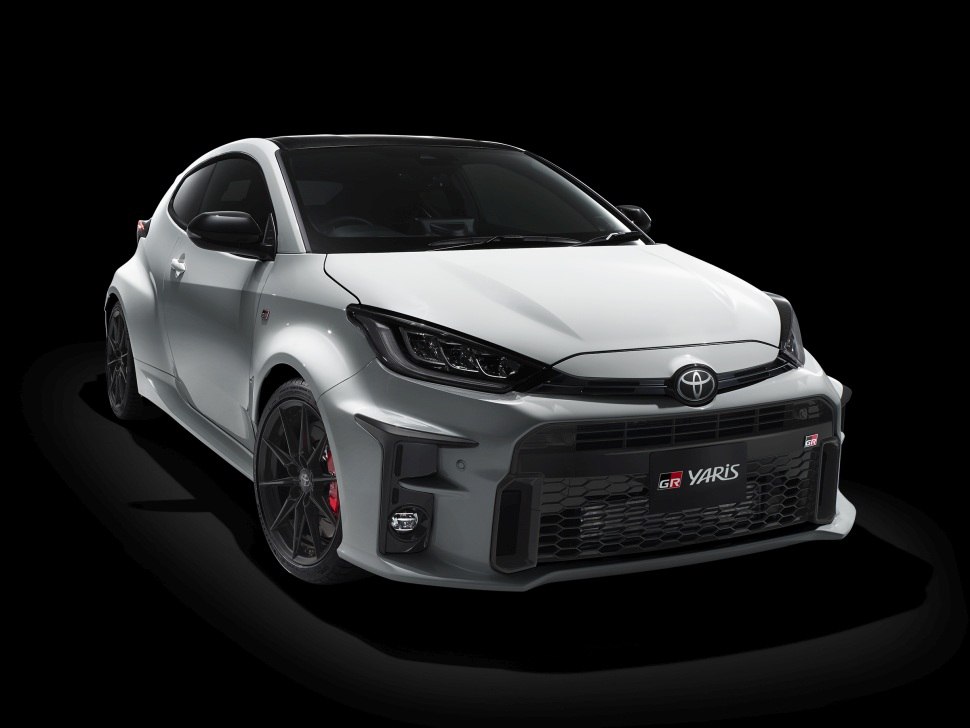
The Toyota Yaris GR 1.6 (261 Hp) GR-FOUR, produced from December 2020 to February 2024, represents a significant departure for the Yaris model line. Part of the XP210 generation, this high-performance hatchback was not simply a warmed-over version of the standard Yaris, but a dedicated performance vehicle developed by Toyota Gazoo Racing (GR). It aimed to deliver a genuine rally-inspired driving experience in a compact, everyday package, utilizing a sophisticated all-wheel-drive system and a potent turbocharged three-cylinder engine. The GR Yaris occupies a unique position within the broader Yaris range, being a distinct model rather than a trim level, and was built to homologate Toyota’s return to the World Rally Championship (WRC).
Toyota Yaris GR 1.6 (261 Hp) GR-FOUR: Powertrain & Engine Architecture
At the heart of the Yaris GR lies the G16E-GTS engine, a 1.6-liter inline-three cylinder gasoline engine. This isn’t a simple adaptation of an existing Toyota engine; it was specifically designed for the GR Yaris, sharing minimal components with other Toyota powerplants. The engine boasts a relatively high compression ratio of 10.5:1 and utilizes direct fuel injection, coupled with a single-scroll turbocharger and intercooler to produce 261 horsepower at 6500 rpm and 360 Nm (265.52 lb-ft) of torque between 3000 and 4600 rpm. The engine’s cylinder bore measures 87.5 mm (3.44 in) and the piston stroke is 89.7 mm (3.53 in). The valvetrain employs a Dual Overhead Camshaft (DOHC) configuration with four valves per cylinder.
The engine is mated to a six-speed manual transmission, chosen specifically for its robustness and driver engagement. Power is then distributed to all four wheels via the GR-FOUR all-wheel-drive system. This system is a key element of the car’s performance, allowing the driver to adjust the front/rear torque split via a Torsen limited-slip differential. Three driving modes – Normal, Sport, and Track – alter the torque distribution, with Track mode providing a more rear-biased setup for enhanced handling. The GR-FOUR system utilizes a multi-plate clutch pack to actively manage power delivery to the rear axle.
Engine Specifications
The G16E-GTS engine features a closed-deck cylinder block for increased strength, a lightweight forged crankshaft, and high-strength connecting rods. These components were crucial for handling the high power output from a three-cylinder configuration. The engine also incorporates a particulate filter to meet Euro 6 AP emission standards.
Driving Characteristics
The Yaris GR delivers a remarkably engaging driving experience. The combination of the turbocharged three-cylinder engine, the six-speed manual transmission, and the GR-FOUR all-wheel-drive system results in rapid acceleration. The 0-60 mph sprint is achieved in approximately 5.2 seconds, and the car has a top speed of 142.29 mph (229 km/h). The engine is responsive, with minimal turbo lag, and provides a broad torque curve. The manual transmission is precise and offers a satisfyingly short throw.
The GR-FOUR system significantly enhances handling, providing excellent grip and stability in a variety of conditions. The adjustable torque split allows drivers to tailor the car’s behavior to their preferences and the road surface. In Normal mode, the torque split is 60:40 front to rear, providing a balanced and predictable driving experience. Sport mode shifts the split to 30:70, increasing agility, while Track mode offers a 50:50 split for maximum control in demanding situations. The car’s relatively light weight (1280-1305 kg / 2821.92 – 2877.03 lbs) further contributes to its nimble handling.
Equipment & Trim Levels
The Yaris GR was relatively sparsely equipped compared to other Yaris models, with the focus being on performance. Standard features included sport seats, a leather-wrapped steering wheel, a touchscreen infotainment system, and automatic climate control. However, luxury features were minimized to reduce weight. Optional extras included a Convenience Pack (adding parking sensors, blind-spot monitoring, and rear cross-traffic alert) and a Circuit Pack, which included track-focused upgrades such as upgraded brakes with red calipers, a Torsen limited-slip differential on both the front and rear axles, and sport seats with enhanced bolstering. Interior upholstery was primarily fabric, with a focus on providing a secure and supportive driving position.
Chassis & Braking
The Yaris GR features a unique chassis design, utilizing a combination of high-strength steel and aluminum to maximize rigidity while minimizing weight. The front suspension employs an independent McPherson strut setup, while the rear suspension utilizes a double wishbone configuration. This suspension setup provides excellent control and responsiveness. The braking system consists of ventilated discs on all four wheels, providing ample stopping power. The optional Circuit Pack upgraded the front brakes with larger discs and four-piston calipers. The car rides on 18-inch alloy wheels with 225/40 R18 tires. The steering system is a rack and pinion type, providing precise and direct steering feel.
Market Reception & Comparison
The Yaris GR was widely praised by automotive critics for its exceptional driving dynamics and engaging character. It was often compared favorably to more expensive performance hatchbacks, such as the Volkswagen Golf GTI and the Honda Civic Type R. Critics lauded the car’s responsive engine, precise handling, and sophisticated all-wheel-drive system. Fuel economy was rated at 8.2 l/100 km (28.7 US mpg, 34.4 UK mpg, 12.2 km/l), which is reasonable for a high-performance vehicle. Reliability has generally been good, although the high-strung engine and complex all-wheel-drive system may require more frequent maintenance than the standard Yaris. Compared to other Yaris trims, the GR offered significantly higher performance but at a higher price point and with a less comfortable ride.
Technical Specifications
| Body Type | Hatchback, 2 Doors, 4 Seats |
| Engine Type | 1.6 l Inline-3 Turbocharged Gasoline |
| Engine Code | G16E-GTS |
| Engine Displacement | 1618 cm3 (98.74 cu. in.) |
| Power | 261 Hp @ 6500 rpm |
| Torque | 360 Nm (265.52 lb.-ft.) @ 3000-4600 rpm |
| Compression Ratio | 10.5:1 |
| Fuel Injection | Direct Injection |
| Transmission | 6-speed Manual |
| Drivetrain | All-Wheel Drive (GR-FOUR) |
| Kerb Weight | 1280-1305 kg (2821.92 – 2877.03 lbs.) |
| Max Weight | 1645 kg (3626.6 lbs.) |
| Fuel Tank Capacity | 50 l (13.21 US gal, 11 UK gal) |
| Dimensions (L x W x H) | 3995 mm x 1805 mm x 1455 mm (157.28 in x 71.06 in x 57.28 in) |
| Wheelbase | 2560 mm (100.79 in) |
| 0-100 km/h | 5.5 sec |
| 0-60 mph | 5.2 sec |
| Top Speed | 229 km/h (142.29 mph) |
| CO2 Emissions | 186 g/km |
Legacy
The Toyota Yaris GR 1.6 (261 Hp) GR-FOUR has quickly become a sought-after vehicle in the used car market. Its limited production run and exceptional driving dynamics have made it a collector’s item. The G16E-GTS engine has proven to be relatively reliable, although regular maintenance is essential. The GR-FOUR all-wheel-drive system is robust but may require attention over the long term. The Yaris GR represents a return to Toyota’s performance roots and has established a new benchmark for compact performance hatchbacks. It has cemented its place as a modern classic, appreciated by driving enthusiasts for its purity of purpose and engaging driving experience.