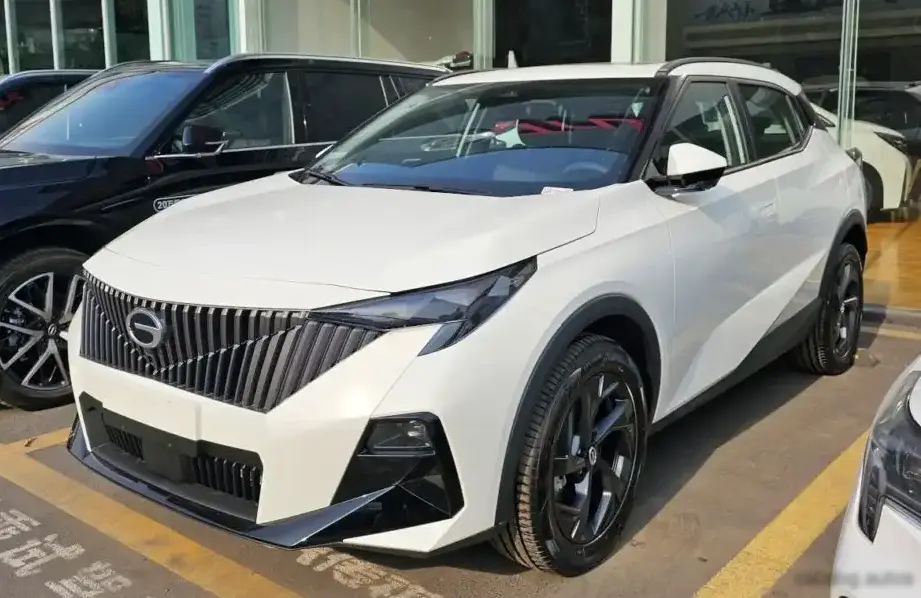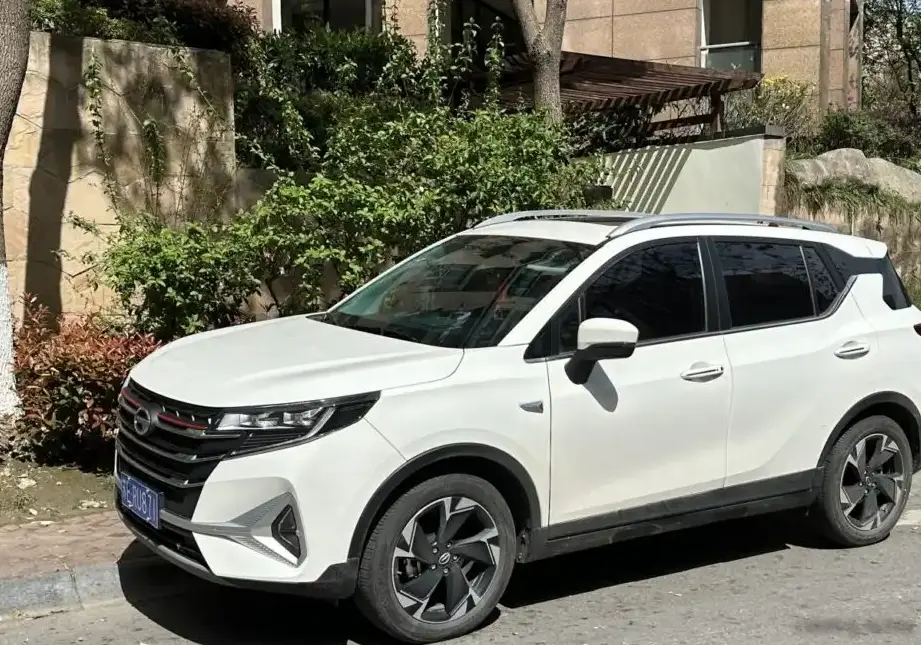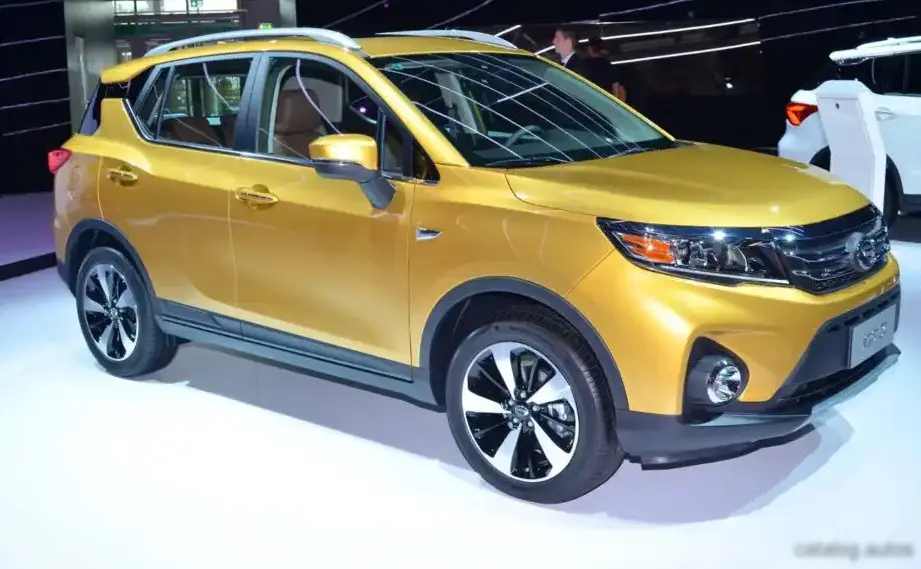
The Trumpchi GS3 I 150N, equipped with a 1.5-liter engine producing 114 horsepower and paired with a 6-speed automatic transmission, was a key entry-level offering in the Guangzhou Automobile Group (GAC) Trumpchi lineup from August 2017 to October 2020. Positioned as a compact SUV, the GS3 I aimed to capture a significant share of the rapidly growing Chinese automotive market, offering a balance of affordability, practicality, and modern features. This variant represented the base engine and transmission choice for the GS3, targeting budget-conscious consumers and those prioritizing ease of driving over outright performance. It was built on the GS3 I platform, a front-wheel-drive compact SUV architecture.
Technical Specifications
| Brand | Trumpchi |
| Model | GS3 |
| Generation | GS3 I |
| Type (Engine) | 150N (114 Hp) Automatic |
| Start of production | August, 2017 |
| End of production | October, 2020 |
| Powertrain Architecture | Internal Combustion engine |
| Body type | SUV |
| Seats | 5 |
| Doors | 5 |
| Fuel consumption (combined) | 6.9 l/100 km (34.1 US mpg, 40.9 UK mpg, 14.5 km/l) |
| Fuel Type | Petrol (Gasoline) |
| Emission standard | China V |
| Power | 114 Hp @ 6000 rpm |
| Power per litre | 76.3 Hp/l |
| Torque | 150 Nm @ 4500 rpm (110.63 lb.-ft. @ 4500 rpm) |
| Engine displacement | 1495 cm3 (91.23 cu. in.) |
| Number of cylinders | 4 |
| Engine configuration | Inline |
| Number of valves per cylinder | 4 |
| Fuel injection system | Multi-port manifold injection |
| Engine aspiration | Naturally aspirated engine |
| Valvetrain | DCVVT |
| Trunk (boot) space – minimum | 370 l (13.07 cu. ft.) |
| Trunk (boot) space – maximum | 780 l (27.55 cu. ft.) |
| Fuel tank capacity | 50 l (13.21 US gal | 11 UK gal) |
| Length | 4350 mm (171.26 in.) |
| Width | 1825 mm (71.85 in.) |
| Height | 1680 mm (66.14 in.) |
| Wheelbase | 2560 mm (100.79 in.) |
| Drivetrain Architecture | The Internal combustion engine (ICE) drives the front wheels of the vehicle. |
| Drive wheel | Front wheel drive |
| Number of gears and type of gearbox | 6 gears, automatic transmission |
| Front suspension | Independent type McPherson |
| Rear suspension | Torsion |
| Front brakes | Ventilated discs |
| Rear brakes | Disc |
| Assisting systems | ABS (Anti-lock braking system) |
| Steering type | Steering rack and pinion |
| Power steering | Electric Steering |
| Tires size | 215/65 R16; 215/60 R17 |
| Wheel rims size | 16; 17 |
Powertrain & Engine Architecture
The GS3 I 150N utilizes a 1.5-liter inline-four cylinder gasoline engine, designated as the 4A15-M. This engine is a naturally aspirated powerplant featuring multi-point fuel injection and a Double Continuous Variable Valve Timing (DCVVT) system. DCVVT optimizes valve timing on both the intake and exhaust sides, improving fuel efficiency and low-end torque. The engine produces a peak output of 114 horsepower at 6000 rpm and 150 Nm (110.63 lb-ft) of torque at 4500 rpm. The engine is paired with a conventional 6-speed automatic transmission, chosen for its smooth operation and ease of use, catering to the preferences of the target market. This transmission lacks the advanced features found in some newer automatic gearboxes, such as paddle shifters or a sport mode.
Driving Characteristics
The 114 hp output and automatic transmission combination resulted in a driving experience focused on comfort and convenience rather than sporty performance. Acceleration was adequate for urban driving and highway merging, but not particularly brisk. The automatic transmission was tuned for fuel efficiency, with relatively conservative gear ratios. This meant that the engine often operated at higher rpm during acceleration, contributing to a noticeable engine note. Compared to the higher-output engine options available in the GS3 range, this variant offered a more relaxed and economical driving experience. The front-wheel-drive configuration provided predictable handling, but lacked the all-weather capability of an all-wheel-drive system.
Equipment & Trim Levels
The GS3 I 150N typically came standard with features such as air conditioning, power windows, power door locks, and a basic audio system. Higher trim levels added features like alloy wheels, a touchscreen infotainment system, a rearview camera, and keyless entry. Interior upholstery was generally cloth, with options for leatherette in higher trims. Safety features included ABS, airbags, and seatbelt pretensioners. The specific equipment levels varied depending on the year and regional market.
Chassis & Braking
The GS3 I featured a McPherson strut independent suspension in the front and a torsion beam suspension in the rear. This setup provided a comfortable ride quality, suitable for everyday driving conditions. The front brakes were ventilated discs, while the rear brakes were solid discs. The steering system was an electric power steering (EPS) rack and pinion, offering light and easy steering feel. Tire sizes varied depending on the trim level, with 215/65 R16 and 215/60 R17 being common options.
Market Reception & Comparison
The Trumpchi GS3 I 150N was generally well-received in the Chinese market as an affordable and practical compact SUV. Critics praised its spacious interior, comfortable ride, and reasonable fuel economy. However, some reviewers noted the engine’s lack of power and the automatic transmission’s conservative tuning. Compared to other compact SUVs in its class, the GS3 I offered a competitive price point and a good level of standard equipment. Its fuel economy of 6.9 l/100km was comparable to other naturally aspirated 1.5-liter engines in the segment. Reliability reports were generally positive, with few major issues reported.
Legacy
The Trumpchi GS3 I 150N served as an important stepping stone for GAC Motor, establishing the brand as a credible player in the Chinese automotive market. While the GS3 I has been superseded by newer generations of the GS3, the 1.5-liter engine and 6-speed automatic transmission combination remains a common powertrain configuration in other GAC models. On the used car market, the GS3 I 150N is considered a reliable and affordable option, particularly for first-time car buyers or those seeking a practical and economical SUV. Its relatively simple mechanical design contributes to lower maintenance costs and a generally good long-term reliability record.