
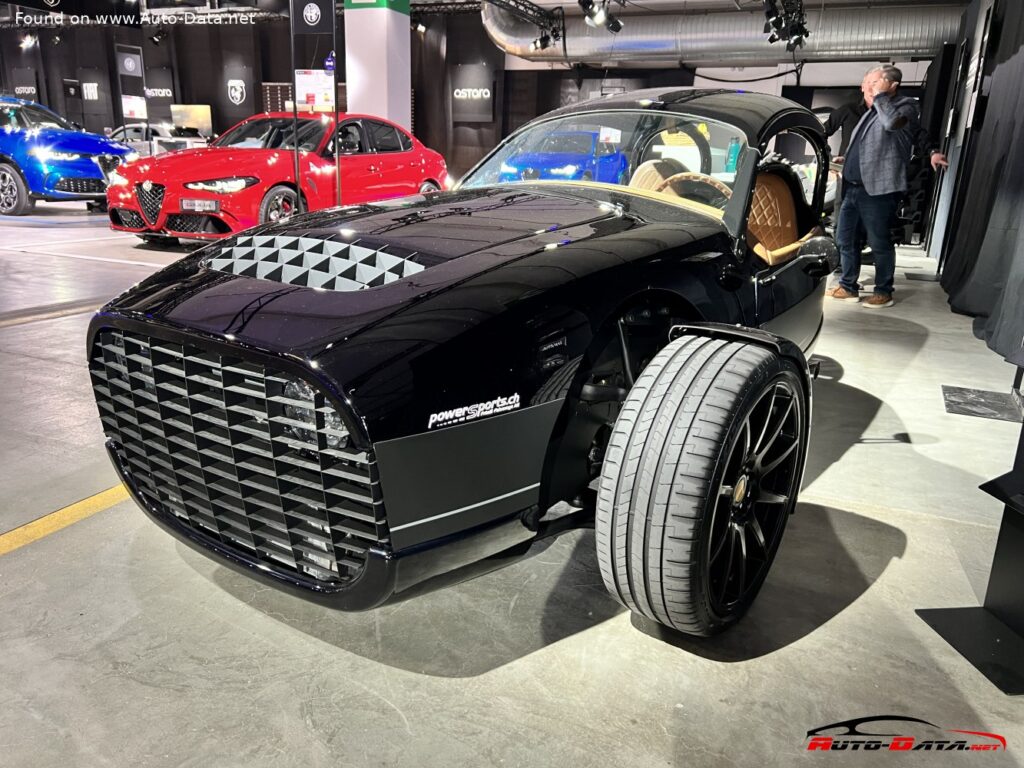
The Vanderhall Carmel 1.5 Turbo is a two-seat, open-top roadster manufactured by Vanderhall Motor Works. Introduced in 2019, the Carmel represents a unique offering in the American automotive landscape, blending retro aesthetics with modern turbocharged performance. While not a mainstream manufacturer, Vanderhall has carved a niche for itself by producing distinctive, hand-built vehicles that appeal to enthusiasts seeking a different driving experience. The Carmel is positioned as a premium recreational vehicle, offering a sporty and engaging alternative to traditional automobiles. It’s important to note that Vanderhall operates outside the typical high-volume production model, focusing on customization and a more personal connection with its clientele.
Vanderhall Carmel 1.5 Turbo: A Detailed Overview
The Vanderhall Carmel distinguishes itself through its design, which evokes classic roadsters of the 1930s and 40s, but with a contemporary twist. It’s a vehicle designed to turn heads and provide a visceral driving experience. The Carmel isn’t intended to compete with established sports car brands; instead, it occupies a unique space, offering a blend of style, performance, and exclusivity. The vehicle’s relatively low weight and turbocharged engine contribute to a spirited driving character, making it enjoyable on winding roads.
Engine & Performance
At the heart of the Vanderhall Carmel 1.5 Turbo lies a 1.5-liter, inline-four cylinder gasoline engine. This engine is turbocharged and utilizes direct fuel injection, allowing it to produce 194 horsepower. The engine’s output translates to a power-to-weight ratio of 3.7 kg/Hp, or approximately 268.3 horsepower per tonne, contributing to brisk acceleration. Peak torque of 275 Nm (202.83 lb.-ft.) is readily available, providing strong pull throughout the rev range. The engine is transversely mounted and paired with a six-speed automatic transmission, delivering smooth and efficient power delivery. The combination of a relatively small displacement engine with forced induction allows for a balance between performance and fuel economy. The engine also features a Double Overhead Camshaft (DOHC) valvetrain with Variable Valve Timing (VVT) for optimized performance and efficiency.
Design & Features
The Vanderhall Carmel’s design is arguably its most striking feature. The body is a two-door roadster configuration, seating two occupants. The exterior styling draws heavily from classic roadsters, featuring prominent fenders, a long hood, and a short rear deck. The vehicle’s low stance and wide tires contribute to its sporty appearance. Inside, the Carmel offers a minimalist yet comfortable cabin. While not laden with advanced technology, the interior focuses on providing a driver-centric experience. Standard features include comfortable seating, a basic instrument cluster, and a steering wheel designed for a classic feel. Safety features include an Anti-lock Braking System (ABS) and ventilated disc brakes on all four wheels. The vehicle’s relatively small size and nimble handling make it well-suited for spirited driving on both city streets and country roads. The electric power steering provides responsive and precise control.
Technical Specifications
| Brand | Vanderhall |
| Model | Carmel |
| Generation | Carmel |
| Type (Engine) | 1.5 Turbo (194 Hp) Automatic |
| Start of production | 2019 |
| Powertrain Architecture | Internal Combustion engine |
| Body type | Roadster |
| Seats | 2 |
| Doors | 2 |
| Fuel Type | Petrol (Gasoline) |
| Weight-to-power ratio | 3.7 kg/Hp, 268.3 Hp/tonne |
| Weight-to-torque ratio | 2.6 kg/Nm, 380.4 Nm/tonne |
| Power | 194 Hp |
| Power per litre | 130.2 Hp/l |
| Torque | 275 Nm / 202.83 lb.-ft. |
| Engine layout | Front, Transverse |
| Engine displacement | 1490 cm3 / 90.93 cu. in. |
| Number of cylinders | 4 |
| Engine configuration | Inline |
| Cylinder Bore | 74 mm / 2.91 in. |
| Piston Stroke | 86.6 mm / 3.41 in. |
| Number of valves per cylinder | 4 |
| Fuel injection system | Direct injection |
| Engine aspiration | Turbocharger, Intercooler |
| Valvetrain | DOHC, VVT |
| Engine oil capacity | 4 l / 4.23 US qt | 3.52 UK qt |
| Coolant | 6.5 l / 6.87 US qt | 5.72 UK qt |
| Kerb Weight | 723 kg / 1593.94 lbs. |
| Fuel tank capacity | 35 l / 9.25 US gal | 7.7 UK gal |
| Length | 3700 mm / 145.67 in. |
| Width | 1750 mm / 68.9 in. |
| Height | 1270 mm / 50 in. |
| Wheelbase | 3020 mm / 118.9 in. |
| Drivetrain Architecture | Internal Combustion engine (ICE) drives the front wheels |
| Drive wheel | Front wheel drive |
| Number of gears and type of gearbox | 6 gears, automatic transmission |
| Front suspension | Double wishbone |
| Rear suspension | Spring Strut |
| Front brakes | Ventilated discs |
| Rear brakes | Ventilated discs |
| Assisting systems | ABS (Anti-lock braking system) |
| Steering type | Steering rack and pinion |
| Power steering | Electric Steering |
| Front wheel tires | 235/35 R19 |
| Rear wheel tires | 275/35 R19 |
| Front wheel rims | 8.5J x 19 |
| Rear wheel rims | 11J x 19 |
In conclusion, the Vanderhall Carmel 1.5 Turbo is a niche vehicle that appeals to drivers seeking a unique and engaging driving experience. Its retro-inspired design, turbocharged performance, and relatively lightweight construction combine to create a roadster that stands out from the crowd. While not a high-volume manufacturer, Vanderhall has successfully established a loyal following by offering a distinctive and customizable product.
