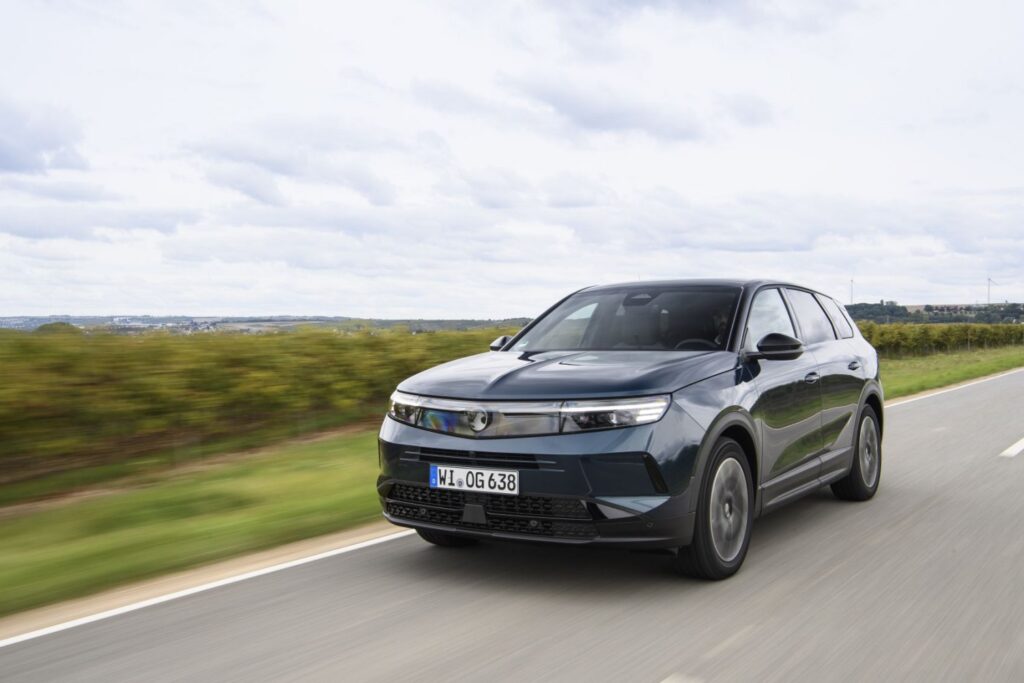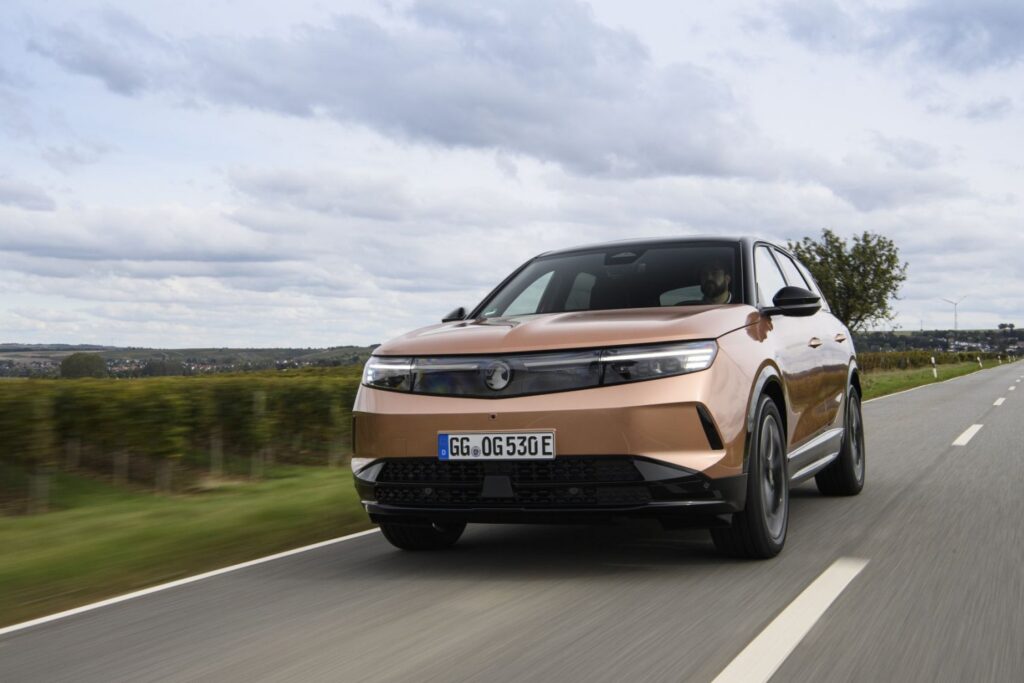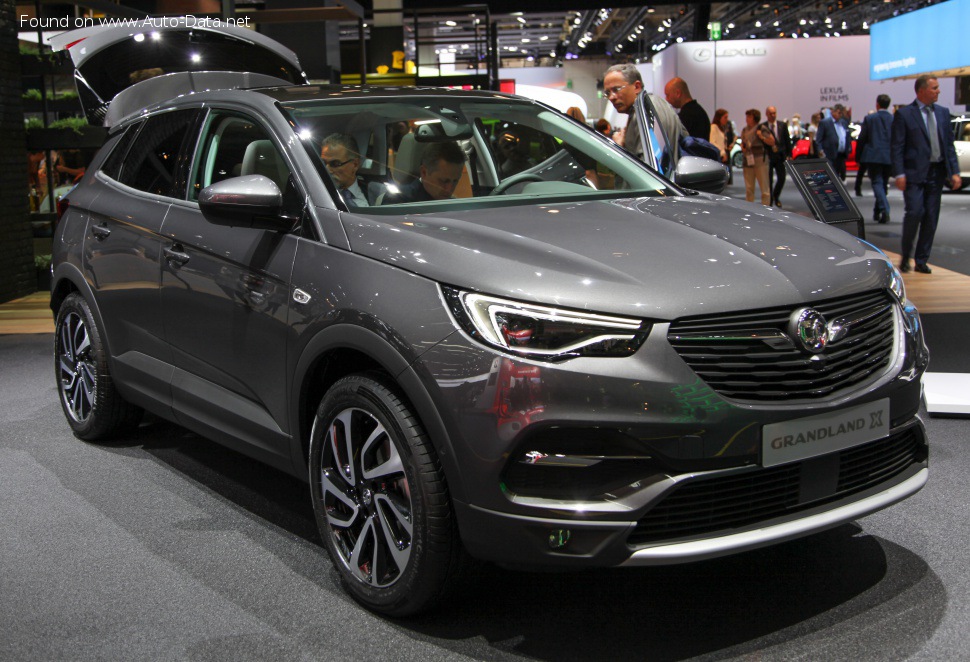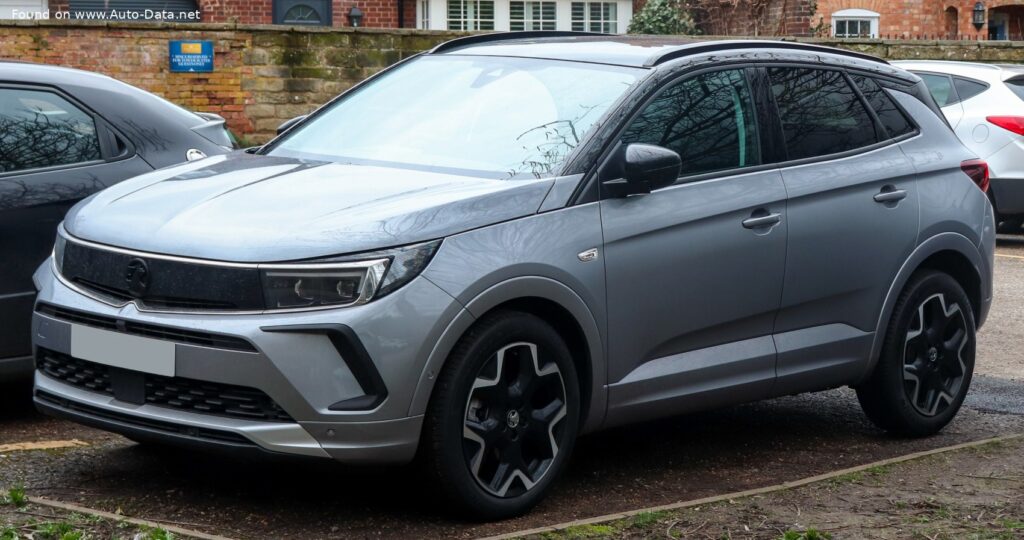
The Vauxhall Grandland (facelift 2021) 1.6 Turbo (225 Hp) Plug-in Hybrid Automatic: A European Electrified SUV
The Vauxhall Grandland (facelift 2021) represents a significant evolution in Vauxhall’s commitment to electrification and its presence in the highly competitive compact SUV segment. As a brand primarily serving the United Kingdom, Vauxhall vehicles, while sharing platforms and engineering with their Opel counterparts (both under the Stellantis umbrella), are tailored for the British market. The Grandland, specifically the facelifted model introduced in July 2021 and produced through September 2024, is a prime example of a modern European family SUV designed with a strong emphasis on efficiency, practicality, and contemporary technology.
This particular iteration, featuring the 1.6 Turbo (225 Hp) Plug-in Hybrid Automatic powertrain, showcases Vauxhall’s strategy to offer compelling electrified options within its popular SUV lineup. While not sold in the United States under the Vauxhall badge, the Grandland shares its fundamental architecture with vehicles like the Opel Grandland, Peugeot 3008, and Citroën C5 Aircross, all part of the Stellantis family. Its role in the European market is to provide a versatile, fuel-efficient, and environmentally conscious alternative for buyers seeking the elevated driving position and spaciousness of an SUV without compromising on emissions or running costs.
The Grandland’s facelift brought a refreshed aesthetic, aligning it with Vauxhall’s latest design language, most notably the “Vizor” front fascia, which integrates the grille, headlights, and brand logo into a single, sleek module. Beyond the visual updates, the 2021 facelift also refined its technological offerings and powertrain options, with the plug-in hybrid variant standing out as a cornerstone of its appeal.
Engine and Performance of the Vauxhall Grandland Plug-in Hybrid
At the heart of the Vauxhall Grandland (facelift 2021) 1.6 Turbo (225 Hp) Plug-in Hybrid Automatic lies a sophisticated powertrain architecture that seamlessly blends internal combustion efficiency with electric propulsion. This Plug-in Hybrid Electric Vehicle (PHEV) system is designed for front-wheel drive, offering a balance of performance and remarkable fuel economy, particularly beneficial for urban driving and shorter commutes where electric-only mode can be extensively utilized.
The internal combustion engine is a 1.6-liter (1598 cm³ or 97.52 cu. in.) turbocharged inline four-cylinder unit, featuring direct injection, a turbocharger with an intercooler, and DOHC with Variable Valve Timing (VVT). This petrol engine alone generates a respectable 181 horsepower at 6000 rpm and 221.27 lb.-ft. of torque at 3000 rpm. Its F16XHR engine code signifies a modern, efficient powerplant designed for optimal performance and emissions control, meeting the stringent Euro 6d standard, and equipped with a Start & Stop System and a particulate filter.
Complementing the petrol engine is an electric motor strategically placed between the combustion engine and the transmission. This electric motor contributes 110 horsepower at 2500 rpm and a substantial 236.02 lb.-ft. of torque, available from a low 500 rpm up to 2500 rpm. The combined system output for this Grandland variant is an impressive 225 horsepower and a robust 265.52 lb.-ft. of system torque, providing ample power for daily driving and highway cruising.
Power is managed through an advanced 8-speed automatic transmission, ensuring smooth shifts and efficient power delivery to the front wheels. This setup allows the Grandland PHEV to accelerate from 0 to 60 mph in 8.9 seconds and reach a top speed of 139.81 mph. In pure electric mode, the vehicle can achieve a maximum speed of 83.89 mph, making it perfectly capable for most urban and even some highway speeds on electric power alone.
The electric power is supplied by a 13.2 kWh gross capacity Lithium-ion battery, enabling an all-electric range of approximately 33.99 miles (54.7 km) according to WLTP standards. This range makes it feasible for many drivers to complete their daily commutes without consuming any petrol, significantly reducing running costs and local emissions. The combined fuel consumption is exceptionally low, rated at an astonishing 156.8 US mpg (1.5 l/100 km) on the WLTP cycle, with CO2 emissions of just 31 g/km. The average energy consumption in electric mode is 16.1 kWh/100 km, equivalent to about 130 MPGe, underscoring its impressive efficiency.
Design and Features
The Vauxhall Grandland (facelift 2021) maintains its popular SUV body type, offering five doors and comfortable seating for five occupants. The facelift introduced a more assertive and modern aesthetic, aligning the Grandland with Vauxhall’s contemporary design philosophy. The most striking visual change is the adoption of the “Vauxhall Vizor” front end, a sleek, dark panel that houses the headlights and the brand’s Griffin logo, giving the vehicle a unified and futuristic face. This design element not only enhances the visual appeal but also contributes to a cleaner, more aerodynamic profile.
Inside, the Grandland emphasizes practicality and comfort, typical of a family-oriented SUV. The cabin provides ample space for both front and rear passengers, ensuring a comfortable ride even on longer journeys. Despite housing the hybrid battery, the Grandland offers a versatile cargo area with a minimum trunk space of 13.77 cubic feet (390 liters), which can expand significantly to 53.96 cubic feet (1528 liters) with the rear seats folded down, making it highly adaptable for various hauling needs. The fuel tank capacity stands at 11.36 US gallons (43 liters), providing a decent overall range when combined with the electric powertrain.
Key features include a focus on modern safety and convenience. Standard assisting systems such as ABS (Anti-lock Braking System) are present, ensuring stability and control. The vehicle benefits from electric power steering, offering light and precise handling in urban environments and at higher speeds. The suspension setup comprises an independent McPherson type at the front and a semi-independent, coil spring strut at the rear, tuned to provide a comfortable yet composed ride. Braking is handled by ventilated discs measuring 304 mm at the front and solid discs of 268 mm at the rear. The Grandland rides on either 225/55 R18 or 205/55 R19 tires, paired with 7.5J x 18 or 7J x 19 wheel rims, respectively.
Dimensions for the Grandland are well-suited for its segment, with a length of 176.26 inches (4477 mm), a width of 75.04 inches (1906 mm) excluding mirrors (82.6 inches or 2098 mm including mirrors), and a height of 63.35 inches (1609 mm). The wheelbase measures 105.31 inches (2675 mm), contributing to a stable ride and generous interior space. With a curb weight of 3825.02 lbs (1735 kg), the Grandland PHEV offers a solid and reassuring road presence, while its weight-to-power ratio of 7.7 kg/Hp highlights its efficient power delivery.
Technical Specifications
| Specification | Value |
|---|---|
| Brand | Vauxhall |
| Model | Grandland |
| Generation | Grandland (facelift 2021) |
| Type (Engine) | 1.6 Turbo (225 Hp) Plug-in Hybrid Automatic |
| Start of production | July, 2021 year |
| End of production | September, 2024 year |
| Powertrain Architecture | PHEV (Plug-in Hybrid Electric Vehicle) |
| Body type | SUV |
| Seats | 5 |
| Doors | 5 |
| Combined fuel consumption (WLTP) | 1.5 l/100 km (156.8 US mpg) |
| CO2 emissions (WLTP) | 31 g/km |
| Fuel Type | Petrol / electricity |
| Acceleration 0 – 60 mph | 8.9 sec |
| Maximum speed | 139.81 mph (225 km/h) |
| Emission standard | Euro 6d |
| Weight-to-power ratio | 7.7 kg/Hp (129.7 Hp/tonne) |
| Weight-to-torque ratio | 4.8 kg/Nm (207.5 Nm/tonne) |
| Gross battery capacity | 13.2 kWh |
| Battery technology | Lithium-ion (Li-Ion) |
| All-electric range (WLTP) | 33.99 mi (54.7 km) |
| Average Energy consumption (WLTP) | 16.1 kWh/100 km (25.91 kWh/100 mi, 130 MPGe) |
| Max speed (electric) | 83.89 mph (135 km/h) |
| Electric motor power | 110 Hp @ 2500 rpm |
| Electric motor Torque | 236.02 lb.-ft. @ 500-2500 rpm (320 Nm) |
| Electric motor location | Between the combustion engine and the transmission |
| System power | 225 Hp |
| System torque | 265.52 lb.-ft. (360 Nm) |
| Internal Combustion Engine Power | 181 Hp @ 6000 rpm |
| Power per liter | 113.3 Hp/l |
| Internal Combustion Engine Torque | 221.27 lb.-ft. @ 3000 rpm (300 Nm) |
| Engine layout | Front, Transverse |
| Engine Model/Code | F16XHR |
| Engine displacement | 1.6 liters (1598 cm³ / 97.52 cu. in.) |
| Number of cylinders | 4 |
| Engine configuration | Inline |
| Number of valves per cylinder | 4 |
| Fuel injection system | Direct injection |
| Engine aspiration | Turbocharger, Intercooler |
| Valvetrain | DOHC, VVT |
| Engine oil capacity | 4.49 US qt (4.25 l) |
| Engine systems | Start & Stop System, Particulate filter |
| Kerb Weight | 3825.02 lbs (1735 kg) |
| Trunk (boot) space – minimum | 13.77 cu. ft. (390 l) |
| Trunk (boot) space – maximum | 53.96 cu. ft. (1528 l) |
| Fuel tank capacity | 11.36 US gal (43 l) |
| Permitted trailer load with brakes (12%) | 2755.78 lbs (1250 kg) |
| Permitted trailer load without brakes | 1322.77 lbs (600 kg) |
| Length | 176.26 in. (4477 mm) |
| Width | 75.04 in. (1906 mm) |
| Width including mirrors | 82.6 in. (2098 mm) |
| Height | 63.35 in. (1609 mm) |
| Wheelbase | 105.31 in. (2675 mm) |
| Front overhang | 36.73 in. (933 mm) |
| Rear overhang | 34.21 in. (869 mm) |
| Drivetrain Architecture | The Internal combustion engine (ICE) and electric motor drive the front wheels of the car with the ability to work in full electric or mixed mode. |
| Drive wheel | Front wheel drive |
| Number of gears and type of gearbox | 8 gears, automatic transmission |
| Front suspension | Independent type McPherson |
| Rear suspension | Spring Strut, Semi-independent, coil spring |
| Front brakes | Ventilated discs, 304 mm |
| Rear brakes | Disc, 268 mm |
| Assisting systems | ABS (Anti-lock braking system) |
| Steering type | Steering rack and pinion |
| Power steering | Electric Steering |
| Tires size | 225/55 R18; 205/55 R19 |
| Wheel rims size | 7.5J x 18; 7J x 19 |
Legacy and Market Impact
The Vauxhall Grandland, particularly its facelifted plug-in hybrid variant, has solidified its reputation as a practical, efficient, and technologically advanced family SUV within the European market. It competes in a fiercely contested segment against rivals such as its platform siblings, the Peugeot 3008 PHEV and Citroën C5 Aircross PHEV, as well as other popular electrified compact SUVs like the Hyundai Tucson PHEV, Kia Sportage PHEV, and the Ford Kuga (known as the Escape in the US) PHEV.
Its market impact stems from several key factors. Firstly, the Grandland offers the desirable SUV form factor, which continues to dominate consumer preferences for its elevated driving position, perceived safety, and spacious interior. Secondly, the integration of a plug-in hybrid powertrain addresses the growing demand for lower emissions and reduced running costs, especially in regions with incentives for PHEV ownership or stricter urban emission zones. The ability to drive over 30 miles on electric power alone is a significant draw for daily commuters.
For Vauxhall, the Grandland PHEV represents a crucial step in its electrification strategy. As a brand deeply ingrained in British motoring history, adapting to the future of mobility is paramount. The Grandland demonstrates Vauxhall’s capability to deliver modern, efficient vehicles that align with environmental targets while still meeting consumer expectations for performance and utility. Its presence underscores the Stellantis group’s effective use of modular platforms and shared powertrains to develop a diverse range of electrified vehicles across its brands.
While the Vauxhall Grandland is not available in the United States, its mechanical underpinnings and technological advancements reflect broader trends in the global automotive industry, particularly the shift towards hybridization and electrification in the SUV segment. It serves as an excellent example of how European manufacturers are balancing traditional appeal with innovative, eco-conscious engineering to meet the evolving demands of their respective markets.