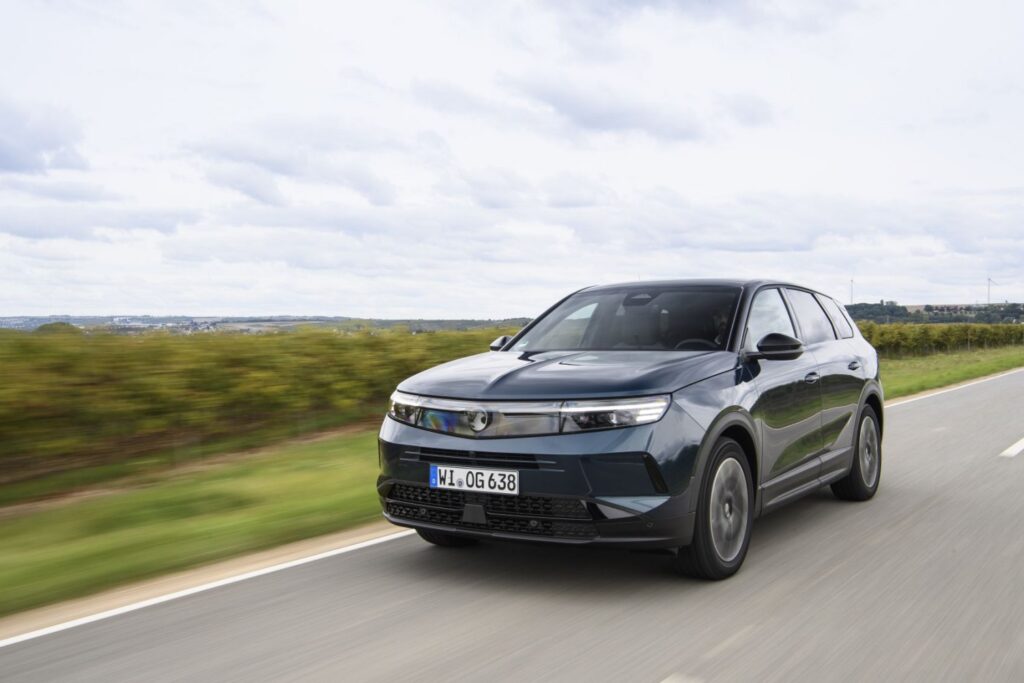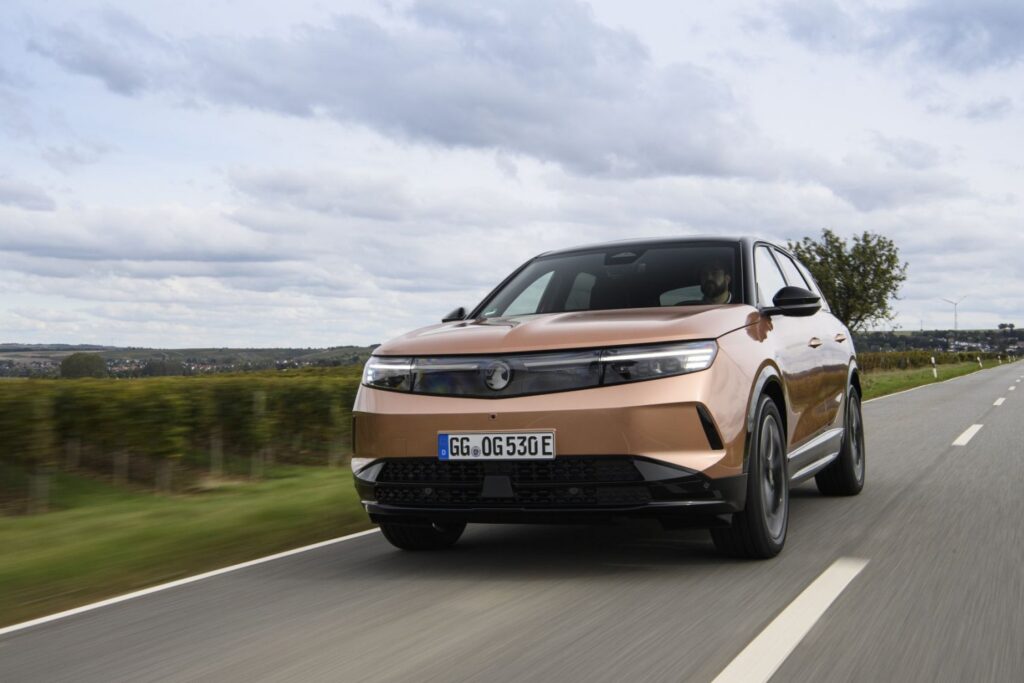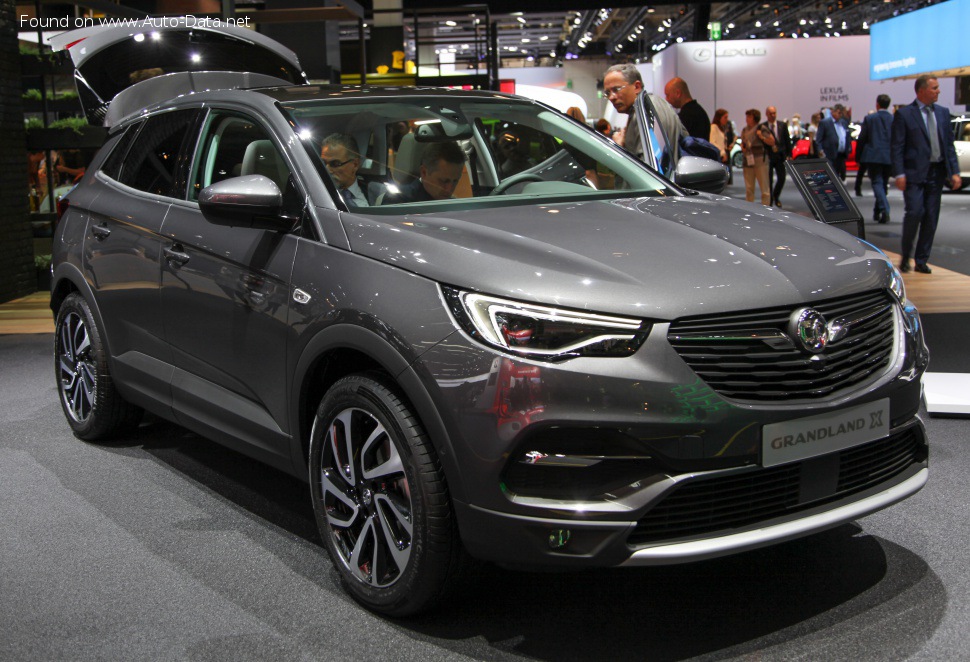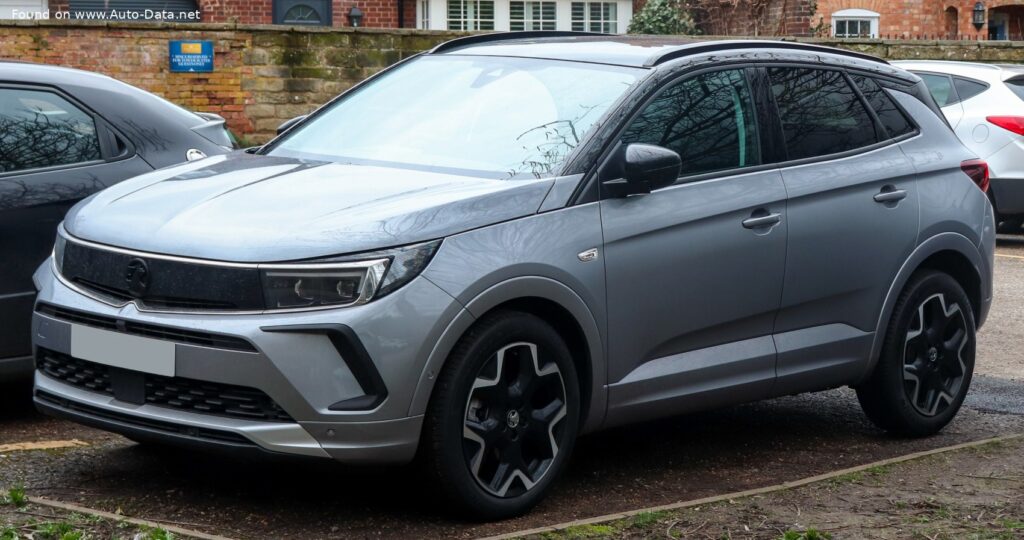
Introduction to the Vauxhall Grandland GSe Plug-in Hybrid
The Vauxhall Grandland (facelift 2021) GSe 1.6 Turbo (300 Hp) Plug-in Hybrid4 4WD Automatic represents a significant offering in the compact SUV segment of the European market. As part of Vauxhall’s revitalized lineup, and specifically under its performance-oriented GSe sub-brand, this model emphasizes a blend of sporty dynamics, advanced technology, and environmental consciousness. Produced from January 2023 to September 2024, this particular variant showcases the pinnacle of the Grandland’s powertrain options, featuring a sophisticated plug-in hybrid electric vehicle (PHEV) architecture combined with all-wheel drive capabilities.
Vauxhall, a British automobile manufacturer, operates primarily in the United Kingdom, serving as the UK-market sister brand to Opel, both now part of the Stellantis automotive conglomerate. While the Grandland is not sold in the United States, it plays a crucial role in Vauxhall’s strategy to meet stringent European emissions targets and cater to a growing demand for electrified SUVs. The GSe trim, standing for “Grand Sport electric,” signifies Vauxhall’s commitment to delivering an engaging driving experience alongside impressive efficiency and reduced carbon footprint, positioning the Grandland GSe as a compelling choice for consumers seeking a high-performance, eco-friendly family vehicle.
Engine and Performance: The Vauxhall Grandland GSe Powertrain
At the heart of the Vauxhall Grandland GSe’s impressive capabilities lies a meticulously engineered plug-in hybrid powertrain, designed for both vigorous performance and exceptional fuel economy. The system integrates a powerful internal combustion engine with two electric motors, providing a versatile and dynamic driving experience.
Internal Combustion Engine
The primary gasoline engine is a 1.6-liter (1598 cm³ or 97.52 cu. in.) turbocharged inline-four cylinder unit. This advanced engine, designated EP6FADTXHPP, features direct injection, a turbocharger with an intercooler, and a DOHC (Double Overhead Camshaft) valvetrain. It produces a robust 200 horsepower at 6000 rpm and 221.27 lb.-ft. of torque at 3000 rpm. With a power-per-liter rating of 125.2 horsepower, it demonstrates a high level of engineering efficiency for its displacement. The engine is mounted transversely at the front and includes a Start & Stop System and a particulate filter to enhance efficiency and reduce emissions.
Electric Motors and Hybrid System
The Grandland GSe’s PHEV system employs two synchronous electric motors. The first electric motor is positioned between the combustion engine and the transmission, contributing 110 horsepower at 2500 rpm and 236.02 lb.-ft. of torque between 500-2500 rpm. The second electric motor is located on the rear axle, transversely mounted, providing 113 horsepower at 14000 rpm and 122.44 lb.-ft. of torque from 0-4760 rpm. This innovative architecture enables an advanced all-wheel-drive (4×4) system, where the internal combustion engine and the front electric motor drive the front wheels, while the rear electric motor exclusively powers the rear wheels, allowing for seamless transitions between front-wheel drive, electric all-wheel drive, and combined hybrid modes.
The combined output of this sophisticated system is an impressive 300 horsepower and a substantial 383.53 lb.-ft. of system torque. Power is managed by an 8-speed automatic transmission, ensuring smooth and efficient delivery to all four wheels. This potent combination allows the Grandland GSe to accelerate from 0 to 60 mph in a brisk 6.1 seconds and reach a top speed of 146.02 mph. In pure electric mode, the vehicle can achieve a maximum speed of 83.89 mph.
Battery and Efficiency
The plug-in hybrid system is powered by a 14.2 kWh gross lithium-ion battery, providing an all-electric range of 34.98 miles (WLTP cycle). This allows for significant daily commutes to be completed without consuming gasoline, drastically reducing running costs and local emissions. The combined fuel consumption (WLTP) is exceptionally low, ranging from 1.2-1.4 liters per 100 km, which translates to an astounding 196-168 US mpg. CO2 emissions are equally impressive at 27-30 g/km, meeting the stringent Euro 6d emission standard. The average energy consumption in electric mode is 16.4 kWh/100 km (26.39 kWh/100 mi), equating to approximately 128 MPGe, underscoring its remarkable efficiency.
Design and Features of the Grandland GSe
The Vauxhall Grandland (facelift 2021) GSe sports a contemporary and assertive design, characteristic of modern compact SUVs, enhanced by the specific styling cues of the GSe performance sub-brand. As a 5-door, 5-seat SUV, it combines practicality with a dynamic visual presence.
Exterior Design
The facelift introduced Vauxhall’s distinctive “Vizor” front fascia, a design element that integrates the grille, headlights, and brand logo into a single, seamless module, giving the Grandland a sleek and modern face. The GSe trim further accentuates its sporty character with unique alloy wheels (available in 19-inch sizes with tire options like 205/55 R19 or 225/50 R19) and potentially other bespoke styling elements that differentiate it from standard Grandland models. The vehicle measures 176.26 inches in length, 75.04 inches in width (82.6 inches including mirrors), and 63.35 inches in height, with a wheelbase of 105.31 inches, providing a substantial road presence and a stable stance.
Interior and Practicality
Inside, the Grandland GSe offers a comfortable and technologically appointed cabin. While specific interior features were not detailed in the data, modern Vauxhall vehicles typically come equipped with advanced infotainment systems, digital instrument clusters, and a host of driver-assistance technologies. The 5-seat configuration ensures ample space for occupants. Practicality is a strong suit for SUVs, and the Grandland GSe delivers with a minimum trunk (boot) space of 13.77 cu. ft. (390 liters), expandable to a generous 53.96 cu. ft. (1528 liters) with the rear seats folded, making it suitable for families and cargo needs. The fuel tank capacity is 11.36 US gallons (43 liters), complementing the electric range for extended journeys.
Chassis and Safety
The Grandland GSe features an independent McPherson-type front suspension with coil springs and an anti-roll bar, while the rear utilizes a coil spring setup. Braking is handled by ventilated discs at the front (304 mm) and solid discs at the rear (268 mm), supported by an Anti-lock Braking System (ABS) for enhanced safety. Steering is provided by an electric power-assisted rack and pinion system, offering precise control and ease of maneuvering with a minimum turning circle of 34.45 feet. With a curb weight of 3979.34 lbs. (1805 kg), the Grandland GSe also boasts a respectable weight-to-power ratio of 6 kg/Hp (166.2 Hp/tonne) and a weight-to-torque ratio of 3.5 kg/Nm (288.1 Nm/tonne), indicating its robust performance capabilities.
Technical Specifications
| Category | Specification |
|---|---|
| Brand | Vauxhall |
| Model | Grandland |
| Generation | Grandland (facelift 2021) |
| Type (Engine) | GSe 1.6 Turbo (300 Hp) Plug-in Hybrid4 4WD Automatic |
| Start of Production | January, 2023 |
| End of Production | September, 2024 |
| Powertrain Architecture | PHEV (Plug-in Hybrid Electric Vehicle) |
| Body Type | SUV |
| Seats | 5 |
| Doors | 5 |
| Performance Specifications | |
| Combined Fuel Consumption (WLTP) | 1.2-1.4 l/100 km (196-168 US mpg) |
| CO2 Emissions (WLTP) | 27-30 g/km |
| Fuel Type | Petrol / Electricity |
| Acceleration 0 – 60 mph | 6.1 seconds |
| Maximum Speed | 146.02 mph (235 km/h) |
| Emission Standard | Euro 6d |
| Weight-to-Power Ratio | 6 kg/Hp, 166.2 Hp/tonne |
| Weight-to-Torque Ratio | 3.5 kg/Nm, 288.1 Nm/tonne |
| Electric Cars and Hybrids Specifications | |
| Gross Battery Capacity | 14.2 kWh |
| Battery Technology | Lithium-ion (Li-Ion) |
| All-Electric Range (WLTP) | 34.98 miles (56.3 km) |
| Average Energy Consumption (WLTP) | 16.4 kWh/100 km (26.39 kWh/100 mi, 128 MPGe) |
| Max Speed (Electric) | 83.89 mph (135 km/h) |
| Electric Motor 1 Power | 110 Hp @ 2500 rpm |
| Electric Motor 1 Torque | 236.02 lb.-ft. (320 Nm) @ 500-2500 rpm |
| Electric Motor 1 Location | Between the combustion engine and the transmission |
| Electric Motor 1 Type | Synchronous |
| Electric Motor 2 Power | 113 Hp @ 14000 rpm |
| Electric Motor 2 Torque | 122.44 lb.-ft. (166 Nm) @ 0-4760 rpm |
| Electric Motor 2 Location | Rear axle, Transverse |
| System Power | 300 Hp |
| System Torque | 383.53 lb.-ft. (520 Nm) |
| Internal Combustion Engine Specifications | |
| ICE Power | 200 Hp @ 6000 rpm |
| Power per Liter | 125.2 Hp/l |
| ICE Torque | 221.27 lb.-ft. (300 Nm) @ 3000 rpm |
| Engine Layout | Front, Transverse |
| Engine Model/Code | EP6FADTXHPP |
| Engine Displacement | 1.6 liters (1598 cm³ / 97.52 cu. in.) |
| Number of Cylinders | 4 |
| Engine Configuration | Inline |
| Cylinder Bore | 3.03 inches (77 mm) |
| Piston Stroke | 3.38 inches (85.8 mm) |
| Number of Valves per Cylinder | 4 |
| Fuel Injection System | Direct injection |
| Engine Aspiration | Turbocharger, Intercooler |
| Valvetrain | DOHC |
| Engine Oil Capacity | 4.49 US qt (4.25 l) |
| Engine Systems | Start & Stop System, Particulate filter |
| Space, Volume and Weights | |
| Kerb Weight | 3979.34 lbs. (1805 kg) |
| Trunk (Boot) Space – Minimum | 13.77 cu. ft. (390 l) |
| Trunk (Boot) Space – Maximum | 53.96 cu. ft. (1528 l) |
| Fuel Tank Capacity | 11.36 US gallons (43 l) |
| Permitted Trailer Load with Brakes (12%) | 2755.78 lbs. (1250 kg) |
| Permitted Trailer Load without Brakes | 1653.47 lbs. (750 kg) |
| Dimensions | |
| Length | 176.26 inches (4477 mm) |
| Width | 75.04 inches (1906 mm) |
| Width Including Mirrors | 82.6 inches (2098 mm) |
| Height | 63.35 inches (1609 mm) |
| Wheelbase | 105.31 inches (2675 mm) |
| Front Overhang | 36.73 inches (933 mm) |
| Rear Overhang | 34.21 inches (869 mm) |
| Minimum Turning Circle (Turning Diameter) | 34.45 ft. (10.5 m) |
| Drivetrain, Brakes and Suspension Specifications | |
| Drivetrain Architecture | Internal combustion engine (ICE) drives the front wheels, one electric motor drives the front wheels, one electric motor drives the rear wheels. Ability for running in full electric or mixed mode. |
| Drive Wheel | All-wheel drive (4×4) |
| Number of Gears and Type of Gearbox | 8 gears, automatic transmission |
| Front Suspension | Independent, McPherson with coil spring and anti-roll bar |
| Rear Suspension | Coil spring |
| Front Brakes | Ventilated discs, 304 mm |
| Rear Brakes | Disc, 268 mm |
| Assisting Systems | ABS (Anti-lock braking system) |
| Steering Type | Steering rack and pinion |
| Power Steering | Electric Steering |
| Tires Size | 205/55 R19; 225/50 R19 |
| Wheel Rims Size | 19 inches |
Legacy and Market Impact of the Vauxhall Grandland
The Vauxhall Grandland, particularly in its GSe Plug-in Hybrid4 4WD Automatic guise, holds a significant position within the competitive European compact SUV market. Its introduction as a facelifted model, and especially with the GSe performance trim, reinforces Vauxhall’s commitment to electrification and dynamic driving characteristics, moving beyond its traditional image as a purely utilitarian brand.
Positioning and Competitors
In Europe, the Grandland competes in a fiercely contested segment against popular models such as the Nissan Qashqai, Kia Sportage, Hyundai Tucson, Volkswagen Tiguan, and its platform sibling, the Peugeot 3008. What sets the Grandland GSe apart is its potent combination of 300 horsepower, all-wheel drive, and a substantial all-electric range, which many competitors struggle to match in a single package. This allows it to appeal to buyers who desire both the practicality of an SUV and the performance of a sportier vehicle, all while benefiting from the significant fuel economy and tax advantages associated with plug-in hybrids in many European countries.
Contribution to Electrification Strategy
The Grandland GSe is a key pillar in Vauxhall’s broader electrification strategy, aligned with Stellantis’s goal of achieving carbon neutrality. By offering such a capable PHEV, Vauxhall demonstrates its ability to provide high-performance vehicles that also meet stringent emissions regulations. The “GSe” moniker itself signifies a new era for Vauxhall’s performance models, transitioning from internal combustion engine-focused “VXR” models to electrified “Grand Sport electric” variants. This shift is crucial for the brand’s future relevance and market perception as an innovator in sustainable mobility.