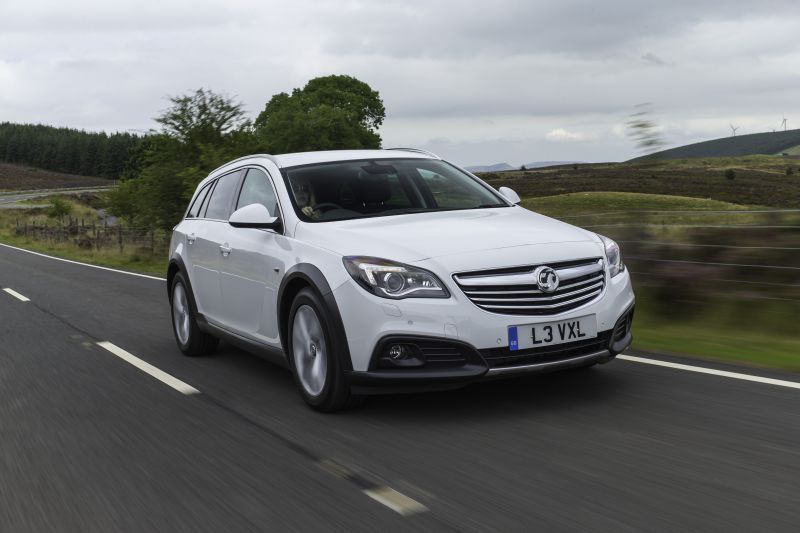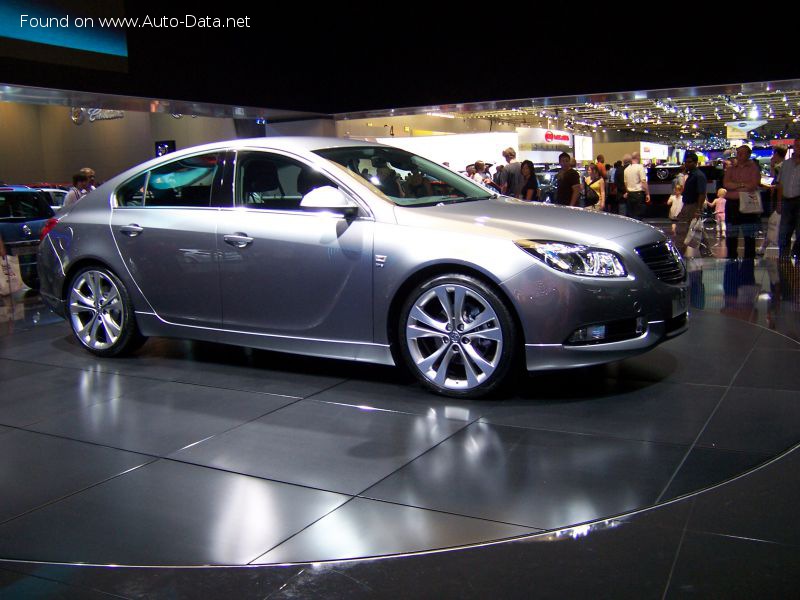
The Vauxhall Insignia I Hatchback 2.0 CDTi ecoTEC (130 Hp): General Motors’ European Mid-Size Standard Bearer
The Vauxhall Insignia I Hatchback 2.0 CDTi ecoTEC (130 Hp) represents a pivotal moment for General Motors’ European operations, specifically for its British marque, Vauxhall. Introduced in 2008, the Insignia was designed to replace the long-running Vectra, aiming for a more upscale, sophisticated image and a stronger competitive stance in the highly contested European D-segment (mid-size car market). This first generation of the Insignia, produced until 2013, quickly garnered attention for its striking design, improved driving dynamics, and a strong emphasis on efficiency, particularly evident in its diesel powertrains like the 2.0 CDTi ecoTEC variant. While Vauxhall is primarily a United Kingdom brand, its products, including the Insignia, were identical to those sold as Opels across mainland Europe, embodying a unified design and engineering philosophy from GM’s European divisions.
The Insignia I Hatchback was not merely an evolution of its predecessor; it was a complete reimagining, signaling GM Europe’s ambition to offer vehicles that combined style, practicality, and advanced technology. The 2.0 CDTi ecoTEC (130 Hp) model, specifically, was positioned as a sensible yet capable option for both private buyers and fleet operators seeking a balance of performance and exceptional fuel economy from a diesel engine, a common preference in the European market. Its introduction marked a significant step forward in design language and engineering for the brand, earning it the prestigious European Car of the Year award in 2009.
Engineered for Efficiency: The 2.0 CDTi ecoTEC Powertrain in the Vauxhall Insignia
At the heart of the Vauxhall Insignia 2.0 CDTi ecoTEC (130 Hp) lies a robust and efficient 2.0-liter (1956 cm³ or 119.36 cu. in.) inline-four turbodiesel engine, identified by the A20DT engine code. This engine was a testament to GM’s commitment to modern diesel technology, featuring a Double Overhead Camshaft (DOHC) valvetrain with 16 valves (four per cylinder) and a sophisticated Common Rail direct fuel injection system. The inclusion of a turbocharger and an intercooler ensured strong power delivery across a wide RPM range, while also contributing to its impressive thermal efficiency.
This particular iteration of the 2.0 CDTi produced a healthy 130 horsepower at 4000 rpm. More importantly for real-world driving, it delivered a substantial 221.27 lb.-ft. (300 Nm) of torque, available from a low 1750 rpm and sustained up to 2500 rpm. This broad torque band made the Insignia feel responsive and effortless in daily driving, whether navigating city streets or cruising on the highway. Power was sent to the front wheels via a slick-shifting 6-speed manual transmission, a setup chosen for its direct engagement and efficiency.
Performance figures for the Insignia 2.0 CDTi ecoTEC (130 Hp) were respectable for its class, with an acceleration from 0 to 60 mph achieved in 9.9 seconds. Its top speed was rated at 126.76 mph (204 km/h). However, the “ecoTEC” designation truly highlighted its primary focus: fuel efficiency and reduced emissions. The vehicle boasted an impressive combined fuel economy of 40.6 US mpg (5.8 l/100 km). Urban driving returned 30.9 US mpg (7.6 l/100 km), while extra-urban conditions saw figures as high as 49 US mpg (4.8 l/100 km). With CO2 emissions of 154 g/km and adherence to the Euro 5 emission standard, it was a responsible choice for its era, further aided by a standard particulate filter.
Design Philosophy and Interior Comfort
The design of the Vauxhall Insignia I Hatchback marked a significant departure from its conservative Vectra predecessor. It adopted GM Europe’s “sculptural artistry meets German precision” design language, characterized by flowing lines, a prominent grille, and distinctive “blade” elements on its flanks. The hatchback body style, with its five doors and seating for five occupants, offered a practical yet sleek profile. Its aerodynamic efficiency was noteworthy for a car of its size, reflected in a low drag coefficient (Cd) of 0.27, contributing to both fuel economy and reduced wind noise.
Measuring 190.16 inches (4830 mm) in length, 73.07 inches (1856 mm) in width (82.05 inches or 2084 mm including mirrors), and 58.98 inches (1498 mm) in height, the Insignia provided substantial interior space. The cabin was designed with comfort and ergonomics in mind, featuring higher quality materials and a more premium feel than previous Vauxhall models. The generous 107.76-inch (2737 mm) wheelbase ensured ample legroom for both front and rear passengers. Practicality was a strong suit, with a minimum trunk capacity of 18.36 cu. ft. (520 liters), expanding to an impressive 51.67 cu. ft. (1463 liters) with the rear seats folded down, making it highly versatile for families and long trips.
Underneath, the Insignia featured a sophisticated chassis setup designed to deliver a comfortable yet engaging driving experience. It utilized an independent McPherson strut suspension with coil springs and an anti-roll bar at the front, paired with an independent multi-link suspension at the rear. This combination provided a refined ride quality and stable handling. The hydraulic power steering offered precise feedback, while the braking system, comprising ventilated discs at the front and solid discs at the rear, was complemented by an Anti-lock Braking System (ABS) for enhanced safety. The vehicle rode on 215/60 R16 tires mounted on 16-inch wheel rims, providing a good balance of grip and ride comfort.
Vauxhall Insignia I Hatchback Technical Specifications
| Category | Specification |
|---|---|
| General Information | |
| Brand | Vauxhall |
| Model | Insignia |
| Generation | Insignia I Hatchback |
| Engine Type | 2.0 CDTi ecoTEC (130 Hp) |
| Production Start | 2008 |
| Production End | 2013 |
| Powertrain Architecture | Internal Combustion Engine |
| Body Type | Hatchback |
| Seats | 5 |
| Doors | 5 |
| Performance Specifications | |
| Fuel Consumption (Urban) | 30.9 US mpg (7.6 l/100 km) |
| Fuel Consumption (Extra Urban) | 49 US mpg (4.8 l/100 km) |
| Fuel Consumption (Combined) | 40.6 US mpg (5.8 l/100 km) |
| CO2 Emissions | 154 g/km |
| Fuel Type | Diesel |
| Acceleration 0-60 mph | 9.9 sec |
| Maximum Speed | 126.76 mph (204 km/h) |
| Emission Standard | Euro 5 |
| Weight-to-Power Ratio | 11.8 kg/Hp (84.5 Hp/tonne) |
| Weight-to-Torque Ratio | 5.1 kg/Nm (195.1 Nm/tonne) |
| Engine Specifications | |
| Power | 130 Hp @ 4000 rpm |
| Power per Liter | 66.5 Hp/l |
| Torque | 221.27 lb.-ft. (300 Nm) @ 1750-2500 rpm |
| Engine Layout | Front, Transverse |
| Engine Model/Code | A20DT |
| Engine Displacement | 2.0 liters (1956 cm³ / 119.36 cu. in.) |
| Number of Cylinders | 4 |
| Engine Configuration | Inline |
| Cylinder Bore | 3.27 in. (83 mm) |
| Piston Stroke | 3.56 in. (90.4 mm) |
| Compression Ratio | 16.5:1 |
| Valves per Cylinder | 4 |
| Fuel Injection System | Diesel Commonrail |
| Engine Aspiration | Turbocharger, Intercooler |
| Valvetrain | DOHC |
| Engine Oil Capacity | 4.76 US qt (4.5 l) |
| Engine Oil Specification | Not specified in available data |
| Coolant Capacity | 9.51 US qt (9 l) |
| Engine Systems | Particulate filter |
| Dimensions, Volume, and Weights | |
| Kerb Weight | 3390.71 lbs. (1538 kg) |
| Maximum Weight | 4717.89 lbs. (2140 kg) |
| Maximum Load | 1327.18 lbs. (602 kg) |
| Trunk (Boot) Space – Minimum | 18.36 cu. ft. (520 l) |
| Trunk (Boot) Space – Maximum | 51.67 cu. ft. (1463 l) |
| Fuel Tank Capacity | 18.49 US gal (70 l) |
| Permitted Trailer Load (with brakes) | 3527.4 lbs. (1600 kg) |
| Permitted Trailer Load (without brakes) | 1653.47 lbs. (750 kg) |
| Length | 190.16 in. (4830 mm) |
| Width | 73.07 in. (1856 mm) |
| Width (including mirrors) | 82.05 in. (2084 mm) |
| Height | 58.98 in. (1498 mm) |
| Wheelbase | 107.76 in. (2737 mm) |
| Front Track | 62.4 in. (1585 mm) |
| Rear Track | 62.4 in. (1585 mm) |
| Front Overhang | 39.96 in. (1015 mm) |
| Rear Overhang | 42.44 in. (1078 mm) |
| Ride Height (Ground Clearance) | 6.3 in. (160 mm) |
| Drag Coefficient (Cd) | 0.27 |
| Minimum Turning Circle | 35.73 ft. (10.89 m) |
| Drivetrain, Brakes, and Suspension | |
| Drivetrain Architecture | Internal Combustion Engine drives the front wheels |
| Drive Wheel | Front-wheel drive |
| Number of Gears & Gearbox Type | 6 gears, manual transmission |
| Front Suspension | Independent, McPherson with coil spring and anti-roll bar |
| Rear Suspension | Independent multi-link suspension |
| Front Brakes | Ventilated discs |
| Rear Brakes | Disc |
| Assisting Systems | ABS (Anti-lock Braking System) |
| Power Steering | Hydraulic Steering |
| Tire Size | 215/60 R16 |
| Wheel Rims Size | 16 inches |
Legacy and Market Placement of the Insignia
The Vauxhall Insignia I Hatchback, particularly in its efficient 2.0 CDTi ecoTEC (130 Hp) guise, carved out a significant niche in the highly competitive European mid-size segment. It was a direct competitor to established players like the Ford Mondeo, Volkswagen Passat, Mazda6, and Peugeot 508. Its success in replacing the Vectra was largely due to its bold new design, which resonated with buyers looking for something more contemporary and upmarket. The Insignia’s improved interior quality, refined driving dynamics, and emphasis on safety and technology were key factors in its positive market reception.
The “ecoTEC” variants, with their focus on fuel economy and lower emissions, were particularly attractive in markets where diesel vehicles were popular and fuel costs were a significant consideration. This specific 130 HP diesel engine offered a compelling blend of adequate performance for daily driving and impressive efficiency, making it a popular choice for both private owners and corporate fleets. Its ability to achieve over 40 US mpg combined, coupled with a substantial 18.49 US gallon fuel tank, provided excellent range between fill-ups, a practical advantage for long-distance commuters.
Beyond its functional attributes, the Insignia’s critical acclaim, including the European Car of the Year award, cemented its reputation as a well-engineered and desirable vehicle. It demonstrated that Vauxhall (and Opel) could produce cars that were not only practical and reliable but also stylish and enjoyable to drive. The first-generation Insignia laid the groundwork for future models and helped elevate the brand’s perception in Europe, proving that GM’s European divisions were capable of producing world-class automobiles that could compete with the best on the continent.