Vauxhall Insignia I Hatchback (facelift 2013): A Detailed Overview
The Vauxhall Insignia, a cornerstone of the European D-segment, received a significant refresh in 2013, solidifying its position as a compelling option for families and fleet buyers. The Vauxhall Insignia I Hatchback (facelift 2013) represented a mid-cycle update to the first-generation model, which initially launched in 2008 as a successor to the Vectra. While Vauxhall is primarily known in the United Kingdom, this vehicle is essentially a rebadged version of the Opel Insignia, sold across mainland Europe, and even formed the basis for the Buick Regal in the North American market. This particular variant, the 2.0 CDTi ecoTEC with 130 horsepower, was engineered to combine robust performance with outstanding fuel efficiency, a critical factor in the European automotive landscape. The facelift brought a refreshed exterior design, an updated interior with enhanced technology, and refinements to the powertrain lineup, aiming to keep the Insignia competitive against a strong field of rivals.
Engineering and Performance: The 2.0 CDTi ecoTEC Powertrain
At the heart of the Vauxhall Insignia I Hatchback (facelift 2013) 2.0 CDTi ecoTEC (130 Hp) lies a sophisticated turbodiesel engine designed for both power and parsimony. This 2.0-liter (119.36 cubic inches) inline-four cylinder engine, designated A20DT, features a DOHC (Double Overhead Camshaft) valvetrain with four valves per cylinder, ensuring efficient air intake and exhaust flow. The engine benefits from a common rail direct fuel injection system, paired with a turbocharger and an intercooler, which together optimize combustion and boost power output. With a bore of 3.27 inches and a piston stroke of 3.56 inches, the engine delivers a respectable 130 horsepower at 4000 rpm. More critically for a diesel, it produces a substantial 221.27 lb.-ft. of torque, available across a broad rev range from 1750 to 2500 rpm. This ample torque ensures strong low-end acceleration and flexible cruising performance, making it well-suited for both city driving and long-distance highway journeys.
Power is transmitted to the front wheels via a smooth-shifting 6-speed manual transmission, a common and preferred choice in the European market for its driver engagement and efficiency. The vehicle demonstrates a commendable balance of performance and economy, accelerating from 0 to 60 mph in 10.5 seconds and reaching a maximum speed of 126.76 mph. The “ecoTEC” branding signifies Vauxhall’s commitment to environmental responsibility, and this is evident in its impressive fuel economy figures. The Insignia 2.0 CDTi ecoTEC achieves an estimated 42 US mpg in urban driving, an exceptional 60.3 US mpg on the highway, and a combined average of 52.3 US mpg. These figures, coupled with CO2 emissions of 119 g/km, allowed the vehicle to meet Euro 5 emission standards, making it an attractive option for environmentally conscious buyers and those seeking lower running costs.
Design and Features of the Vauxhall Insignia Facelift
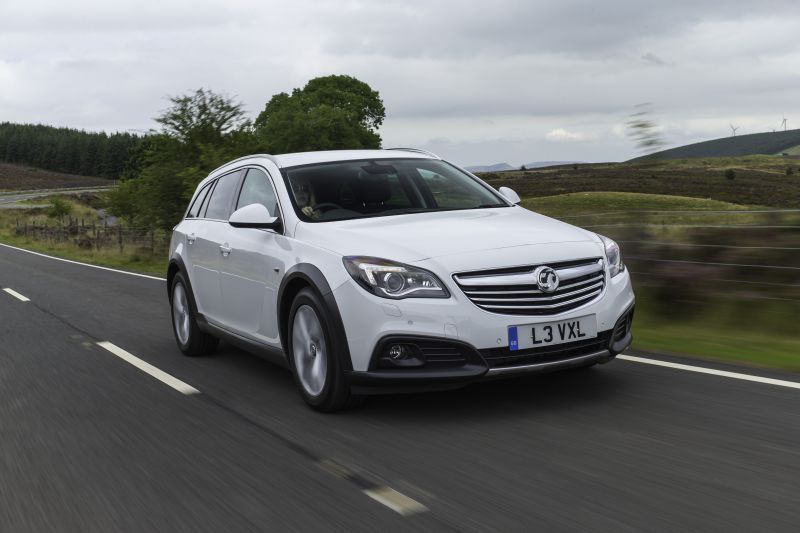
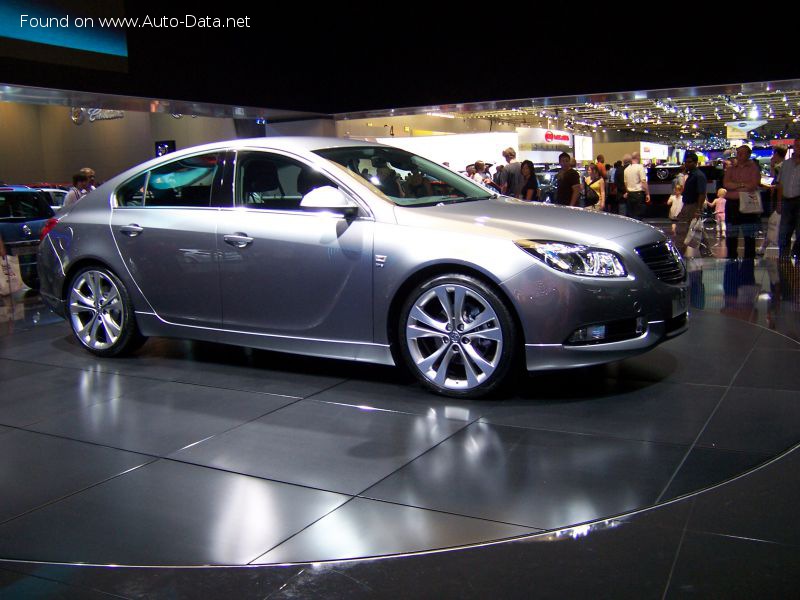
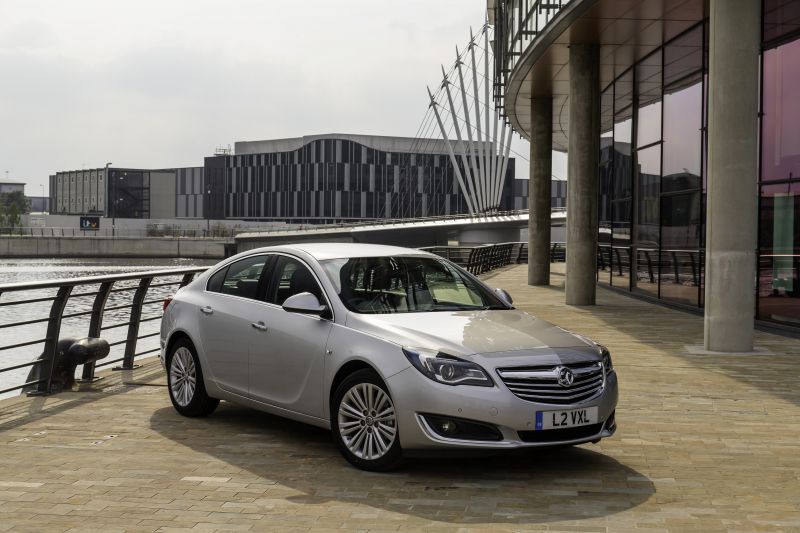
The 2013 facelift brought a more contemporary look to the Insignia, refining its already sleek and aerodynamic silhouette. The Vauxhall Insignia I Hatchback (facelift 2013) maintains its five-door hatchback body style, offering the practicality of a large trunk opening with the elegant lines of a sedan. The exterior updates typically included a wider, lower grille, revised headlamps with available LED daytime running lights, and a reprofiled front bumper, giving the car a more assertive stance. At the rear, new LED taillights and a restyled bumper contributed to a fresher appearance.
Inside, the Insignia’s cabin received significant attention, particularly in terms of ergonomics and technology. The dashboard was redesigned to be cleaner and more intuitive, often featuring a new instrument cluster and a larger, more modern infotainment system. Material quality was generally improved, with soft-touch plastics and refined trim elements enhancing the premium feel. The hatchback configuration offers excellent versatility, with a minimum trunk space of 18.72 cubic feet, expanding to a generous 51.91 cubic feet with the rear seats folded down. This ample cargo capacity, combined with seating for five adults, underscored its credentials as a practical family vehicle.
Safety features were comprehensive for its era, including standard Anti-lock Braking System (ABS), and the vehicle’s sturdy construction contributed to strong crash test ratings. The suspension system comprises an independent McPherson strut setup at the front with coil springs and an anti-roll bar, while the rear utilizes an independent multi-link suspension. This combination provides a comfortable ride quality while maintaining composed handling. Braking is handled by ventilated discs at the front and solid discs at the rear, ensuring confident stopping power. The vehicle rides on 215/60 R16 tires mounted on 16-inch wheel rims, a practical choice balancing comfort and grip.
Technical Specifications
| General Information | |
| Brand | Vauxhall |
| Model | Insignia |
| Generation | Insignia I Hatchback (facelift 2013) |
| Type (Engine) | 2.0 CDTi ecoTEC (130 Hp) |
| Start of Production | 2013 year |
| End of Production | 2015 year |
| Powertrain Architecture | Internal Combustion engine |
| Body type | Hatchback |
| Seats | 5 |
| Doors | 5 |
| Performance Specifications | |
| Fuel Consumption (City) | 5.6 l/100 km (42 US mpg) |
| Fuel Consumption (Highway) | 3.9 l/100 km (60.3 US mpg) |
| Fuel Consumption (Combined) | 4.5 l/100 km (52.3 US mpg) |
| CO2 Emissions | 119 g/km |
| Fuel Type | Diesel |
| Acceleration 0-60 mph | 10.5 sec |
| Maximum Speed | 204 km/h (126.76 mph) |
| Emission Standard | Euro 5 |
| Weight-to-Power Ratio | 12.4 kg/Hp (80.6 Hp/tonne) |
| Weight-to-Torque Ratio | 5.4 kg/Nm (186 Nm/tonne) |
| Engine Specifications | |
| Power | 130 Hp @ 4000 rpm |
| Power per Liter | 66.5 Hp/l |
| Torque | 300 Nm (221.27 lb.-ft.) @ 1750-2500 rpm |
| Engine Layout | Front, Transverse |
| Engine Model/Code | A20DT |
| Engine Displacement | 1956 cm3 (119.36 cu. in.) |
| Number of Cylinders | 4 |
| Engine Configuration | Inline |
| Cylinder Bore | 83 mm (3.27 in.) |
| Piston Stroke | 90.4 mm (3.56 in.) |
| Number of Valves per Cylinder | 4 |
| Fuel Injection System | Diesel Commonrail |
| Engine Aspiration | Turbocharger, Intercooler |
| Valvetrain | DOHC |
| Engine Oil Capacity | 4.5 l (4.76 US qt) |
| Coolant Capacity | 9 l (9.51 US qt) |
| Engine Systems | Particulate filter |
| Space, Volume, and Weights | |
| Kerb Weight | 1613 kg (3556.06 lbs.) |
| Max. Weight (GVWR) | 2140 kg (4717.89 lbs.) |
| Max Load Capacity | 527 kg (1161.84 lbs.) |
| Trunk (Boot) Space – Minimum | 530 l (18.72 cu. ft.) |
| Trunk (Boot) Space – Maximum | 1470 l (51.91 cu. ft.) |
| Fuel Tank Capacity | 70 l (18.49 US gal) |
| Permitted Trailer Load with Brakes (12%) | 1600 kg (3527.4 lbs.) |
| Permitted Trailer Load without Brakes | 750 kg (1653.47 lbs.) |
| Dimensions | |
| Length | 4842 mm (190.63 in.) |
| Width | 1856 mm (73.07 in.) |
| Width Including Mirrors | 2084 mm (82.05 in.) |
| Height | 1498 mm (58.98 in.) |
| Wheelbase | 2737 mm (107.76 in.) |
| Front Overhang | 1027 mm (40.43 in.) |
| Rear Overhang | 1078 mm (42.44 in.) |
| Minimum Turning Circle (Diameter) | 11.4 m (37.4 ft.) |
| Drivetrain, Brakes, and Suspension | |
| Drivetrain Architecture | Front-wheel drive, Internal Combustion Engine (ICE) drives front wheels |
| Drive Wheel | Front wheel drive |
| Number of Gears and Type of Gearbox | 6 gears, manual transmission |
| Front Suspension | Independent, McPherson with coil spring and anti-roll bar |
| Rear Suspension | Independent multi-link suspension |
| Front Brakes | Ventilated discs |
| Rear Brakes | Disc |
| Assisting Systems | ABS (Anti-lock braking system) |
| Tire Size | 215/60 R16 |
| Wheel Rims Size | 16 inches |
Legacy and Market Impact
The Vauxhall Insignia, and particularly the facelifted first generation, played a crucial role in Vauxhall’s lineup during its production run from 2013 to 2015. Positioned in the highly competitive European D-segment, it faced formidable rivals such as the Ford Mondeo, Volkswagen Passat, Skoda Superb, Peugeot 508, and even entry-level premium offerings like the BMW 3 Series and Mercedes-Benz C-Class. The Insignia carved out its niche by offering a compelling blend of stylish design, spacious interior, comfortable ride, and, especially with the 2.0 CDTi ecoTEC variant, impressive fuel efficiency and low running costs.
The Vauxhall Insignia I Hatchback (facelift 2013) was particularly popular among fleet buyers and families in the UK and Ireland, where its practicality, robust diesel engine, and attractive total cost of ownership made it a sensible choice. Its long-distance cruising ability, coupled with the refined diesel engine, made it a favored vehicle for business travel. The facelift ensured the Insignia remained visually fresh and technologically relevant in a rapidly evolving market, with updates to its infotainment and driver assistance systems enhancing its appeal. While it may not have offered the ultimate dynamic prowess of some premium German competitors, its overall competence, value proposition, and strong diesel powertrains ensured its continued success. The Insignia’s platform versatility also underscored its global significance, forming the foundation for the Opel Insignia across Europe and the Buick Regal in North America, demonstrating the underlying engineering strength of the vehicle and its adaptability to diverse market demands.
In conclusion, the Vauxhall Insignia I Hatchback (facelift 2013) 2.0 CDTi ecoTEC (130 Hp) stands as a testament to Vauxhall’s ability to produce a well-rounded, efficient, and practical mid-size vehicle. Its legacy is one of a reliable workhorse and a comfortable family car that successfully navigated the demands of the European market, offering a compelling package of economy, space, and modern features.